Beyond Familiar Names · Subject 17 of 20 · 30 artists
A page is a space for organizing attention. Words can guide the order of looking, an illustration can interrupt it, and a border can join separate elements into a whole. The thirty artists in this chapter offer works connected with books, lettering, maps, and the presentation of knowledge. Look at the relationship between text and image before trying to read every detail. Size, spacing, sequence, and the placement of a title can reveal how a work invites use, whether it asks to be consulted, followed, or admired.
A 4½-minute gallery film featuring all 30 artists in this chapter. Music and artwork credits appear in the film and below.
Film soundtrack: Artists by Medium 17 - Signal in the Frame — an existing original instrumental from the Incoprea library, created with Suno under the owner’s Premier subscription.
Looking closely
Consider the relationship between words and images, and how a page organizes attention or knowledge.
Explore the 20 subjects
- 01. Faces and Identities
- 02. Bodies and Gesture
- 03. Childhood and Family
- 04. Rooms and Daily Life
- 05. Work and Trade
- 06. Streets and City Life
- 07. Architecture and Built Space
- 08. Land and Sky
- 09. Water and Voyages
- 10. Plants and Gardens
- 11. Animals and Other Creatures
- 12. Dress and Self-Presentation
- 13. Music, Theatre and Dance
- 14. Sacred Stories and Devotion
- 15. Myth, Allegory and Fantasy
- 16. Power, Conflict and Public Memory
- 17. Books, Words and Knowledge
- 18. Pattern and Ornament
- 19. Vessels and Useful Beauty
- 20. Small Treasures and Keepsakes
The 30 artists in this chapter
- Li Mi
- Ganbun
- Horie Yorinao (Tōgen)
- Miss L. E. M. Jones
- Robert Ultzmann
- Polly Platt
- Joseph S. Potter
- Jacob Gay
- Asadullah Shirazi
- Jean-Baptiste Stouf
- Morton Schamberg
- Giovanni Maria Luffoli (Laffoli)
- Eiraku Wazen
- Tobias Schier
- A. W. B. Lincoln
- John Carlin
- Horatio Ross
- Vitus Felix Rigl
- Wäldä Maryam
- Bartolomeo di Domenico di Guido
- Franz Antoine
- Louis Boudo
- Baiōken Eishun
- Christoph Metzger
- Alfred Capel Cure
- Bartolomeo Bulgarini
- André-Adolphe-Eugène Disdéri
- Benno Friedrich Toermer
- William Hamilton
- Hishikawa Sōri
Artist 01 of 30
Li Mi
active early 17th century
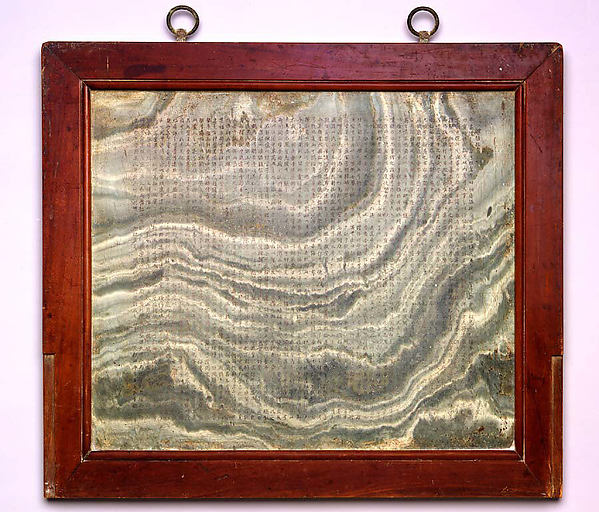
The Met credits Li Mi as the artist of Table Screen Inscribed with the Poem "Lisao," now converted to a wall panel, dated 1624. The museum records its format as “Table screen” and its medium as “Veined marble with wood frame.” Its collection record identifies the artist as “active early 17th century.”
Artist 02 of 30
Ganbun
Japanese, active until 1870s
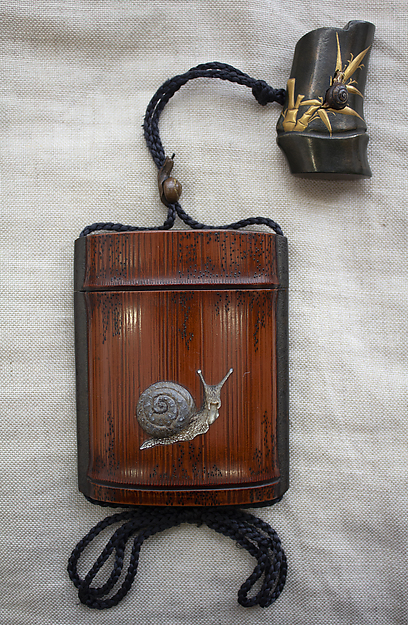
The Met credits Ganbun as the artist of Inrō with Snail on Bamboo (obverse) and Poem (reverse), dated mid-19th century. The museum records its format as “Inrō” and its medium as “Single case; lacquered wood imitating bamboo with pewter and silver inlay and gold hiramaki-e Netsuke: bamboo; lacquered wood with gold hiramaki-e and stained ivory inlay Ojime: snail; copper.” Its collection record identifies the artist as “Japanese, active until 1870s.”
Its subjects include poetry.
Artist 03 of 30
Horie Yorinao (Tōgen)
Japanese, 1606–1693
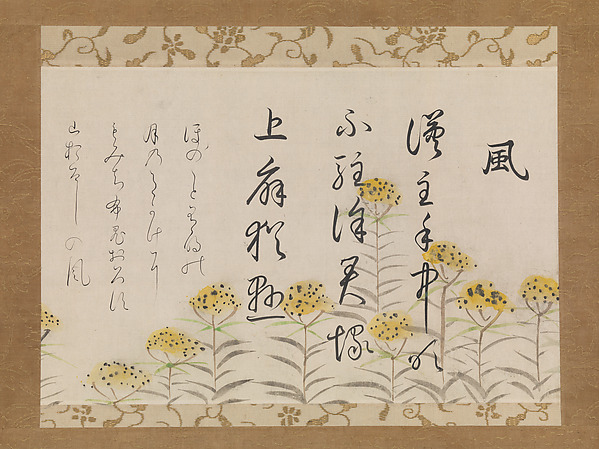
The Met credits Horie Yorinao (Tōgen) as the artist of Poems on “Wind” from Japanese and Chinese and Poems to Sing, dated 1670. The museum records its format as “Hanging scroll” and its medium as “Hanging scroll; ink and color on paper.” Its collection record identifies the artist as “Japanese, 1606–1693.”
Artist 04 of 30
Miss L. E. M. Jones
British, active 1800–70
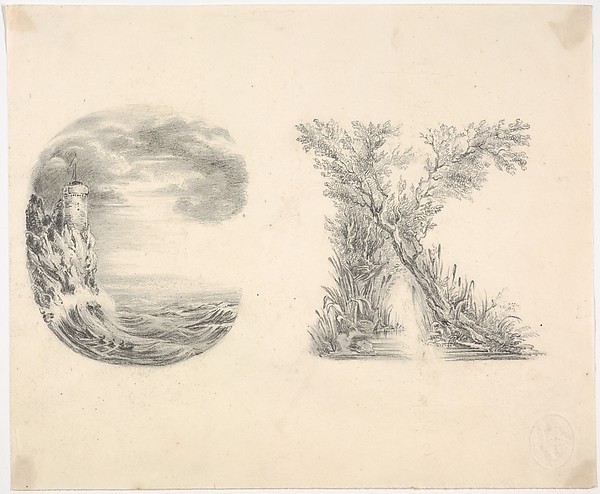
The Met credits Miss L. E. M. Jones as the artist of Alphabet book design (Letters C and K), dated ca. 1830. The museum records its format as “Drawing” and its medium as “Graphite.” Its collection record identifies the artist as “British, active 1800–70.”
Artist 05 of 30
Robert Ultzmann
Austrian, 1842–1889
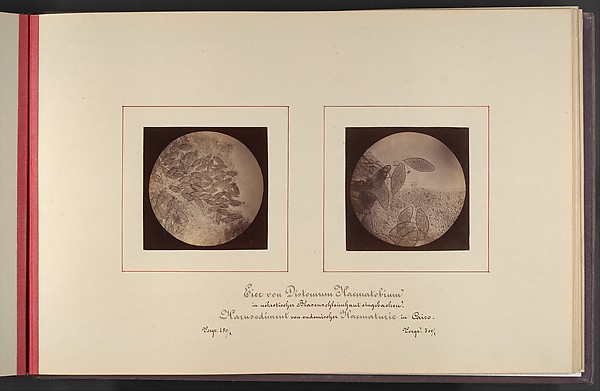
The Met credits Robert Ultzmann as the artist of Mikroskopisch-Photographischer Atlas der Harnsedimente, dated 1869. The museum records its format as “Micrograph” and its medium as “Albumen silver prints.” Its collection record identifies the artist as “Austrian, 1842–1889.”
Artist 06 of 30
Polly Platt
American, born Athens, New York, 1795
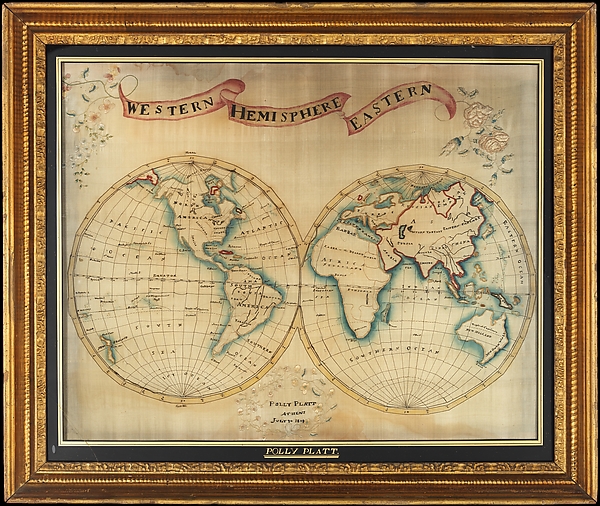
The Met credits Polly Platt as the artist of Sampler, dated 1809. The museum records its format as “Sampler” and its medium as “Silk and chenille embroidery on silk.” Its collection record identifies the artist as “American, born Athens, New York, 1795.”
Its subjects include maps.
Artist 07 of 30
Joseph S. Potter
1822–1904
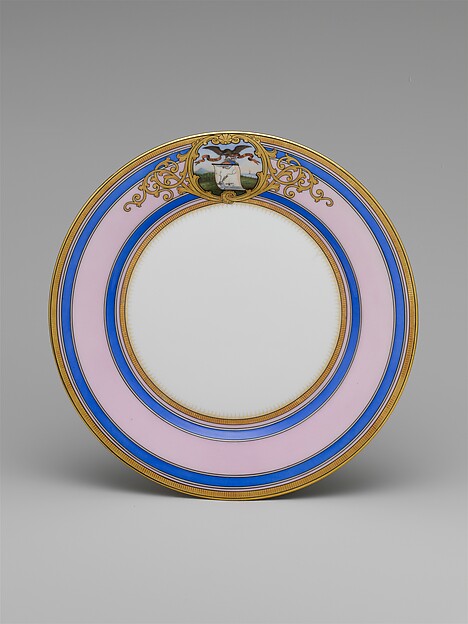
The Met credits Joseph S. Potter as the maker of Continental Porcelain Plate, Alabama, dated ca. 1878–89. The museum records its format as “Plate” and its medium as “Porcelain.” Its collection record identifies the artist as “1822–1904.”
Its subjects include maps.
Artist 08 of 30
Jacob Gay
American, New York, recorded 1758–87
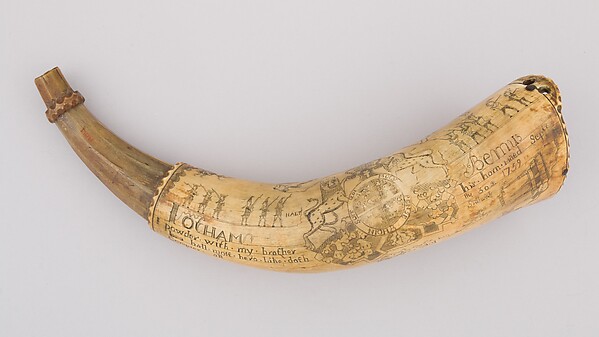
The Met credits Jacob Gay as the engraver of Powder Horn, dated 1759. The museum records its format as “Powder horn” and its medium as “Horn (cow), wood.” Its collection record identifies the artist as “American, New York, recorded 1758–87.”
Its subjects include maps.
Artist 09 of 30
Asadullah Shirazi
Iranian (active 1830s–50s)
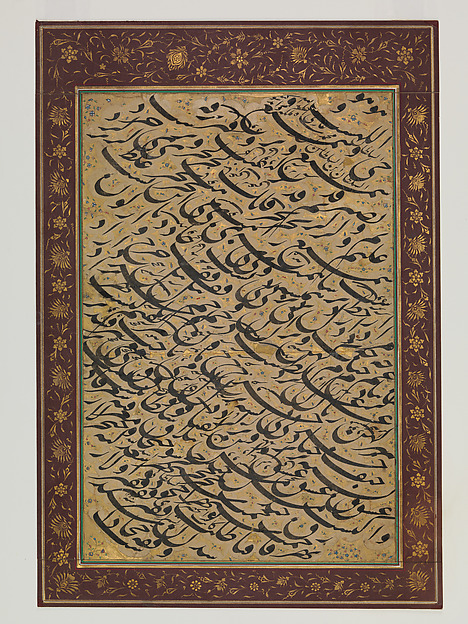
The Met credits Asadullah Shirazi as the calligrapher of Album Leaf with Calligraphic Exercise (siyah mashq), dated 1258 AH/1842–3 CE. The museum records its format as “Album leaf, non-illustrated” and its medium as “Ink, opaque watercolor, and gold on paper.” Its collection record identifies the artist as “Iranian (active 1830s–50s).”
Its subjects include calligraphy.
Artist 10 of 30
Jean-Baptiste Stouf
Belgian (active France), Paris 1742–1826 Charenton-le-Pont, France

The Met credits Jean-Baptiste Stouf as the artist of The Composer André-Ernest-Modeste Grétry (1741–1813), dated 1804–8. The museum records its format as “Statue” and its medium as “Marble.” Its collection record identifies the artist as “Belgian (active France), Paris 1742–1826 Charenton-le-Pont, France.”
Its subjects include books.
Artist 11 of 30
Morton Schamberg
American, Philadelphia, Pennsylvania 1881–1918 Philadelphia, Pennsylvania
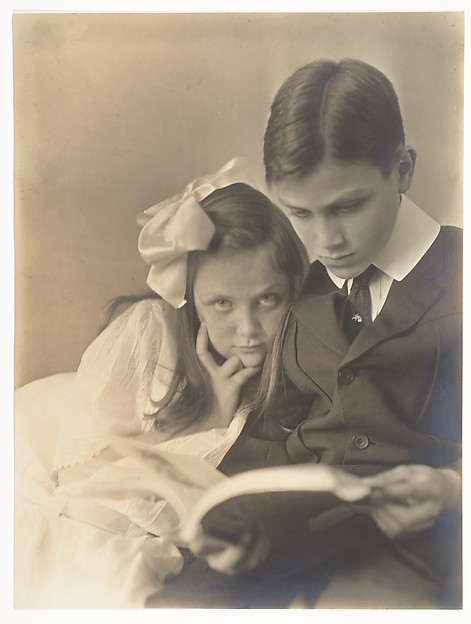
The Met credits Morton Schamberg as the artist of Jeanne and Richard, dated 1912. The museum records its format as “Photograph” and its medium as “Gelatin silver print.” Its collection record identifies the artist as “American, Philadelphia, Pennsylvania 1881–1918 Philadelphia, Pennsylvania.”
Its subjects include books.
Artist 12 of 30
Giovanni Maria Luffoli (Laffoli)
Italian, Pesaro (?) documented 1665–1707 Pesaro (?)
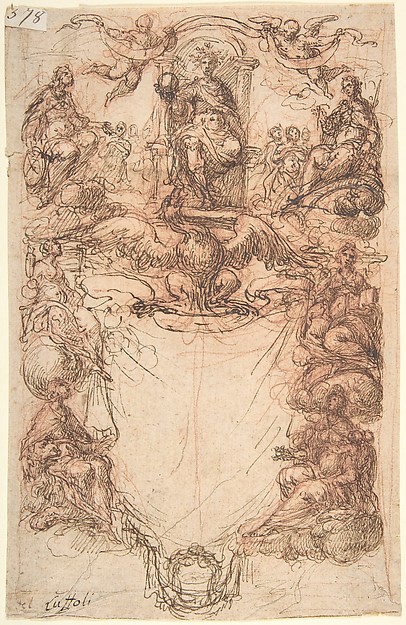
The Met credits Giovanni Maria Luffoli (Laffoli) as the artist of Design for a Title Page, dated 1665–1707. The museum records its format as “Drawing” and its medium as “Pen and brown ink, over red chalk.” Its collection record identifies the artist as “Italian, Pesaro (?) documented 1665–1707 Pesaro (?).”
Artist 13 of 30
Eiraku Wazen
Japanese, 1823–1896
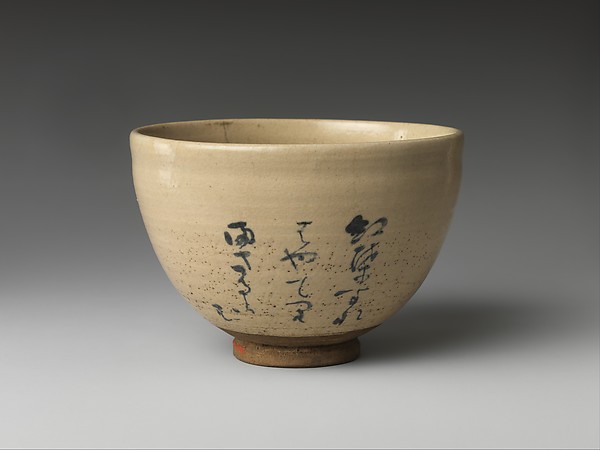
The Met credits Eiraku Wazen as the artist of Teabowl with Autumn Poem, dated second half of the 19th century. The museum records its format as “Teabowl” and its medium as “Stoneware with cream slip and cobalt blue under a transparent glaze (Kyoto ware).” Its collection record identifies the artist as “Japanese, 1823–1896.”
Artist 14 of 30
Tobias Schier
Polish, active 1702–33
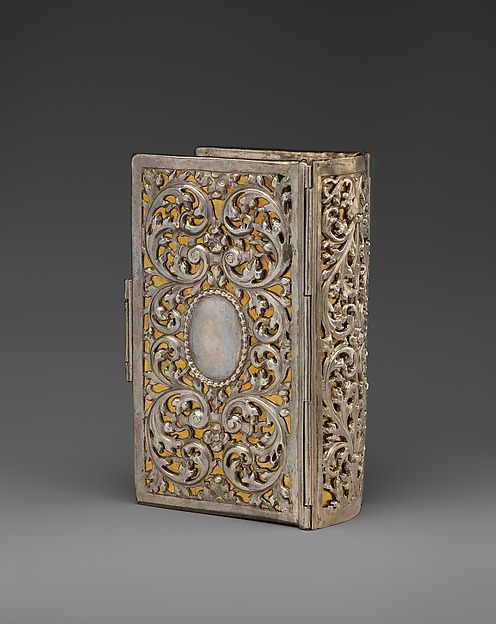
The Met credits Tobias Schier as the maker of Book cover for Pentateuch and Five Scrolls, dated silver: 1721–ca. 1727; book: 1699–1701 and 1700–1701. The museum records its format as “Book cover” and its medium as “Silver, chased, pierced and embossed and partially gilt.” Its collection record identifies the artist as “Polish, active 1702–33.”
Artist 15 of 30
A. W. B. Lincoln
American, active 1890s
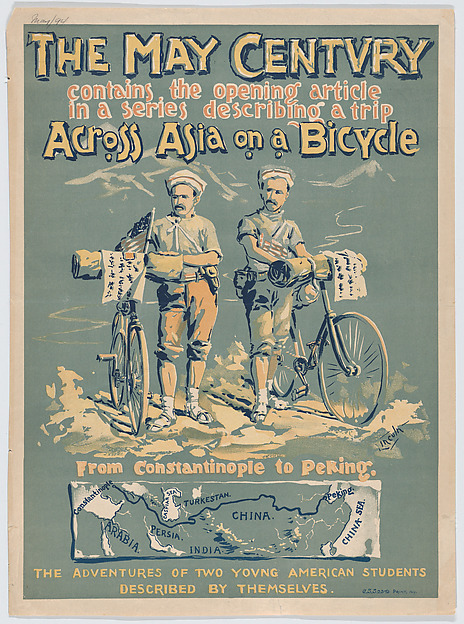
The Met credits A. W. B. Lincoln as the artist of The Century, Across Asia on a Bicycle, May, dated 1894. The museum records its format as “Print” and its medium as “Lithograph.” Its collection record identifies the artist as “American, active 1890s.”
Its subjects include maps.
Artist 16 of 30
John Carlin
American, Philadelphia, Pennsylvania 1813–1891 New York
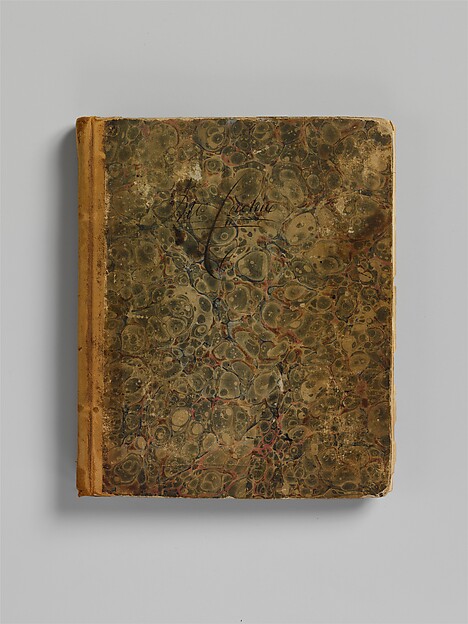
The Met credits John Carlin as the artist of Account Book Ledger, dated 1835–56. The museum records its format as “Ledger” and its medium as “Ink on paper, marbleized cardboard.” Its collection record identifies the artist as “American, Philadelphia, Pennsylvania 1813–1891 New York.”
Artist 17 of 30
Horatio Ross
British, Rossie Castle, near Montrose, Scotland 1801–1886 Scotland
![[Colin and Horatio Ross Reading with Jessie Macrae] — Horatio Ross](https://images.metmuseum.org/CRDImages/ph/web-large/DP148520.jpg)
The Met credits Horatio Ross as the artist of [Colin and Horatio Ross Reading with Jessie Macrae], dated ca. 1858. The museum records its format as “Photograph” and its medium as “Albumen silver print.” Its collection record identifies the artist as “British, Rossie Castle, near Montrose, Scotland 1801–1886 Scotland.”
Its subjects include books.
Artist 18 of 30
Vitus Felix Rigl
German, active 1743–79
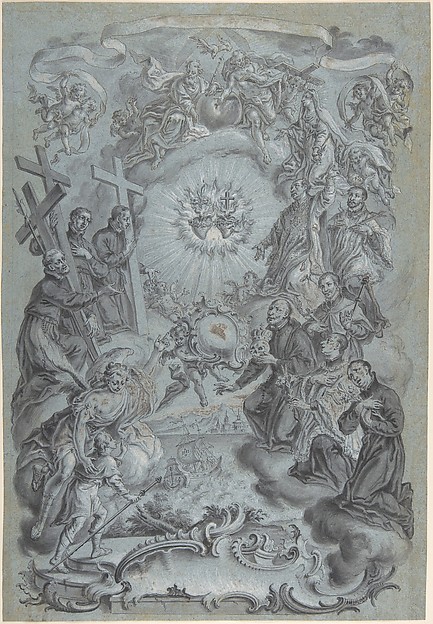
The Met credits Vitus Felix Rigl as the artist of A Study for a Frontispiece: The Trinity and Saints surrounding the Sacred Hearts of Christ and the Virgin Mary, a Coastal Landscape Below, dated 1743–79. The museum records its format as “Drawing” and its medium as “Black chalk, pen and gray ink, brush and gray wash, highlighted with lead white (partly oxidized).” Its collection record identifies the artist as “German, active 1743–79.”
Artist 19 of 30
Wäldä Maryam
African, Amhara or Tigrinya
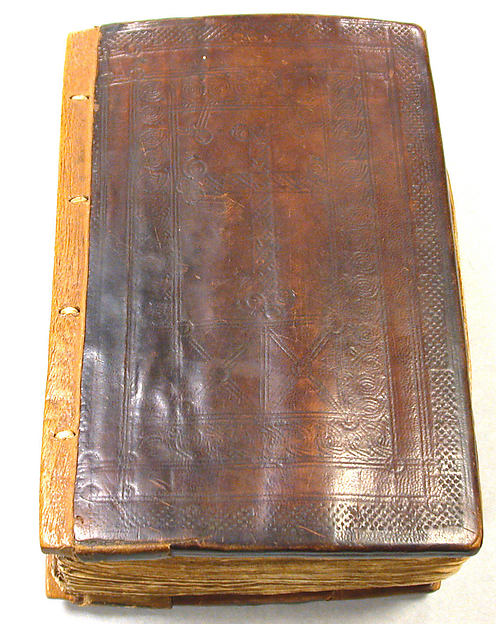
The Met credits Wäldä Maryam as the artist of Prayer book with case (mahdar), dated 19th century. The museum records its format as “Book with travel case” and its medium as “Parchment (vellum), pigment (red, blue, ochre, and black), leather, wood, string.” Its collection record identifies the artist as “African, Amhara or Tigrinya.”
Artist 20 of 30
Bartolomeo di Domenico di Guido
Italian, 1430–1521
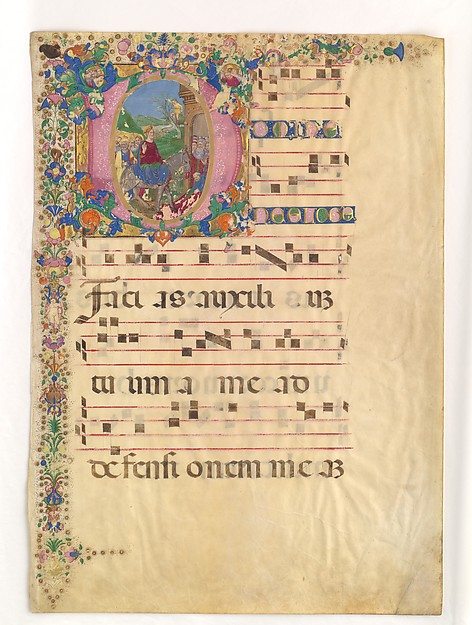
The Met credits Bartolomeo di Domenico di Guido as the artist of Manuscript Leaf with Entry into Jerusalem on Palm Sunday in an Initial D, from a Gradual, dated 15th–16th century. The museum records its format as “Choir Book; Manuscript leaf” and its medium as “Tempera, ink, and gold on parchment.” Its collection record identifies the artist as “Italian, 1430–1521.”
Artist 21 of 30
Franz Antoine
Austrian, Vienna 1815–1886 Vienna
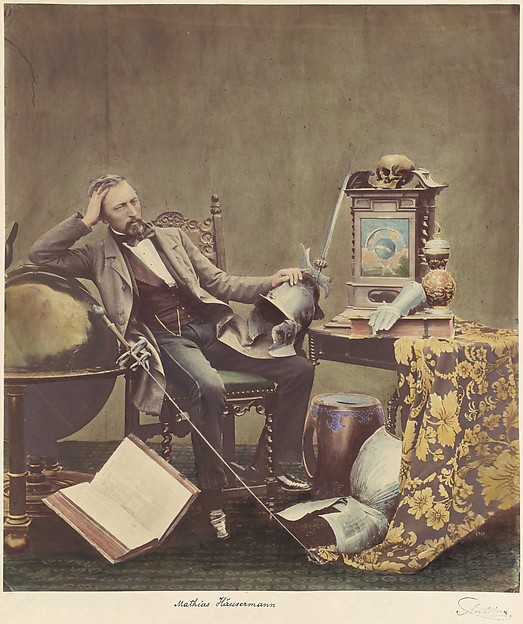
The Met credits Franz Antoine as the artist of Mathias Häusermann, dated 1850s–60s. The museum records its format as “Photograph” and its medium as “Albumen silver print from glass negative.” Its collection record identifies the artist as “Austrian, Vienna 1815–1886 Vienna.”
Its subjects include books.
Artist 22 of 30
Louis Boudo
1786–1827
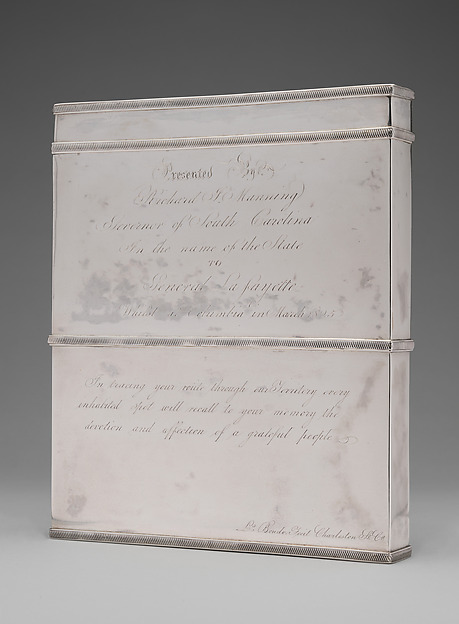
The Met credits Louis Boudo as the maker of Map Case, dated 1825. The museum records its format as “Case” and its medium as “Silver.” Its collection record identifies the artist as “1786–1827.”
Artist 23 of 30
Baiōken Eishun
Japanese, active early 18th century
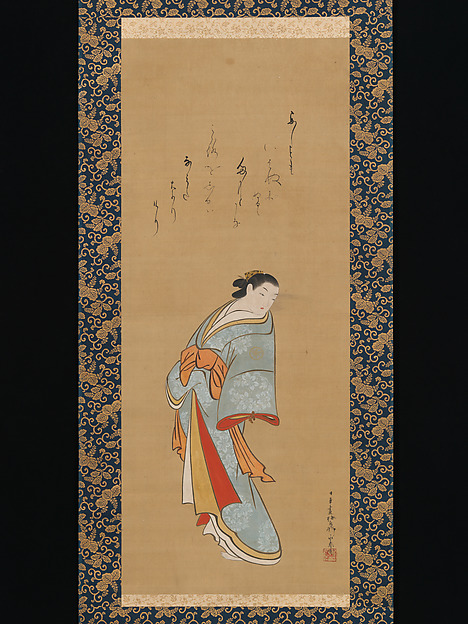
The Met credits Baiōken Eishun as the artist of Standing Courtesan, dated probably 1720s. The museum records its format as “Hanging scroll” and its medium as “Hanging scroll; ink and color on silk.” Its collection record identifies the artist as “Japanese, active early 18th century.”
Its subjects include poetry.
Artist 24 of 30
Christoph Metzger
German, born Nuremberg, died 1682
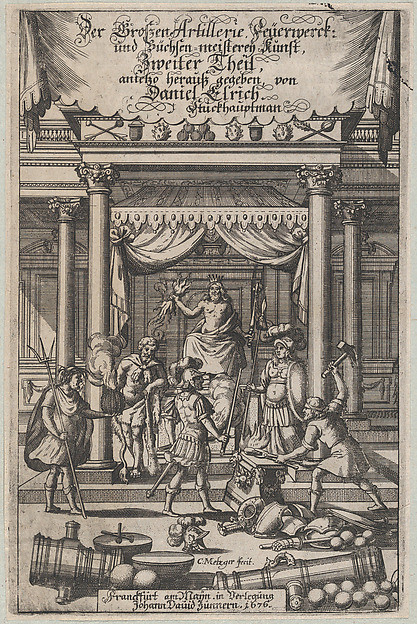
The Met credits Christoph Metzger as the artist of Title page, 'Der Grossen Artillerie Feuerwerck ..', dated 1676. The museum records its format as “Print, Fete, Ornament & Architecture” and its medium as “Etching.” Its collection record identifies the artist as “German, born Nuremberg, died 1682.”
Artist 25 of 30
Alfred Capel Cure
British, 1826–1896
![[photo-reproduction of Hogarth's print illustrating the Dunciad, Book I, line III] — Alfred Capel Cure](https://images.metmuseum.org/CRDImages/ph/web-large/DP113935.jpg)
The Met credits Alfred Capel Cure as the artist of [photo-reproduction of Hogarth's print illustrating the Dunciad, Book I, line III], dated 1850s–60s. The museum records its format as “Photograph” and its medium as “Albumen silver print from paper negative.” Its collection record identifies the artist as “British, 1826–1896.”
Artist 26 of 30
Bartolomeo Bulgarini
Italian, Siena, active 1337–78
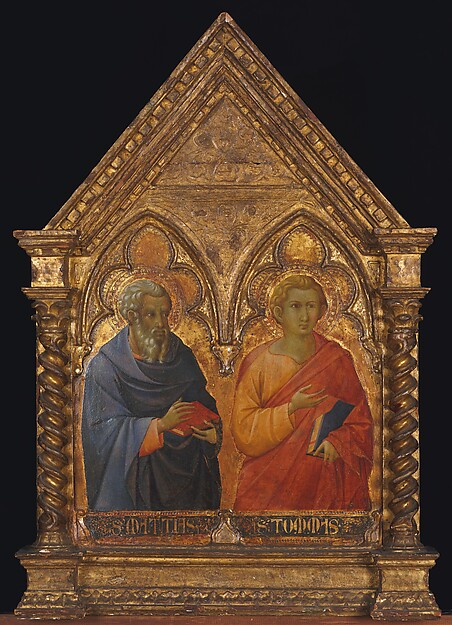
The Met credits Bartolomeo Bulgarini as the artist of Saints Matthias and Thomas, dated ca. 1370–75. The museum records its format as “Painting” and its medium as “Tempera on wood, gold ground.” Its collection record identifies the artist as “Italian, Siena, active 1337–78.”
Its subjects include books.
Artist 27 of 30
André-Adolphe-Eugène Disdéri
French, Paris 1819–1889 Paris
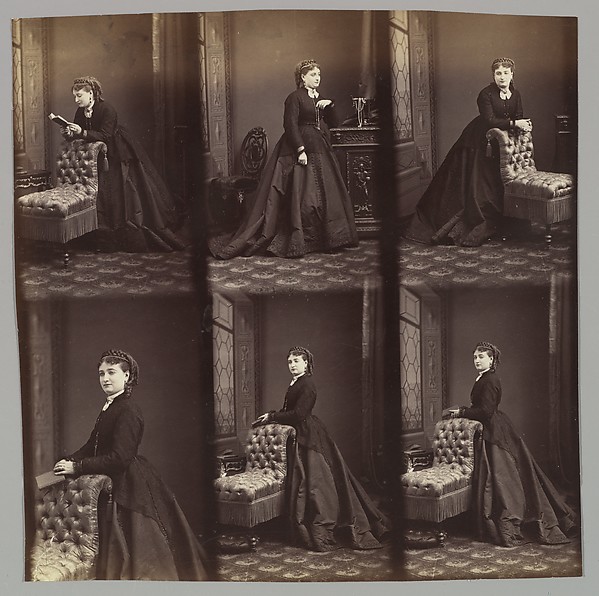
The Met credits André-Adolphe-Eugène Disdéri as the artist of Valois, dated 1866. The museum records its format as “Photograph” and its medium as “Albumen silver print from glass negative.” Its collection record identifies the artist as “French, Paris 1819–1889 Paris.”
Its subjects include books.
Artist 28 of 30
Benno Friedrich Toermer
1804–1859
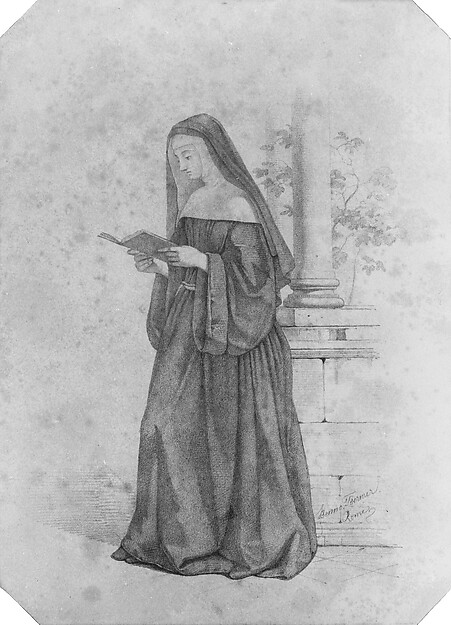
The Met credits Benno Friedrich Toermer as the artist of Nun Standing, Reading a Book (from Cropsey Album). The museum records its format as “Drawing” and its medium as “Graphite on off-white wove paper.” Its collection record identifies the artist as “1804–1859.”
Its subjects include books.
Artist 29 of 30
William Hamilton
British, London 1751–1801 London
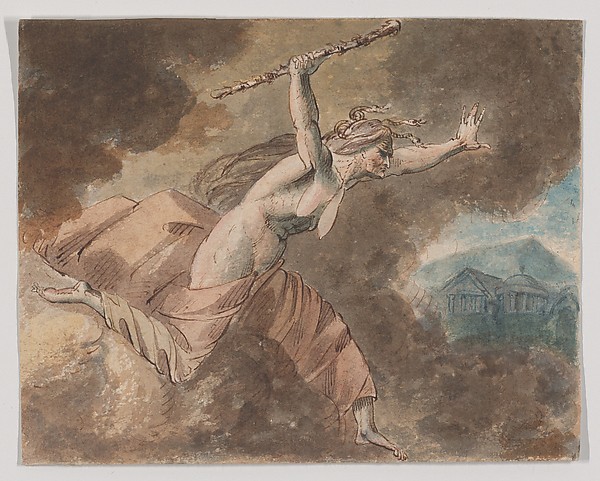
The Met credits William Hamilton as the artist of Envy from Ovid's "House of Envy" (Book II, lines 760-796) (recto); A naked woman (verso), dated 1770–80. The museum records its format as “Drawing” and its medium as “Recto: pen and black ink, brush and brown wash and watercolor, over graphite Verso: pen and brown ink and graphite.” Its collection record identifies the artist as “British, London 1751–1801 London.”
Artist 30 of 30
Hishikawa Sōri
active ca. 1797–1813
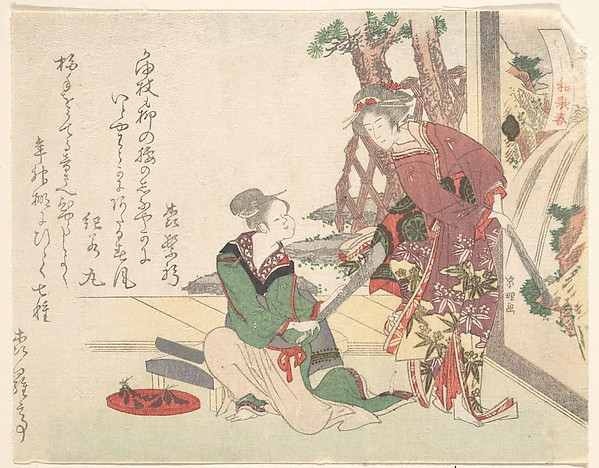
The Met credits Hishikawa Sōri as the artist of Two Women, from the series Spring Poems on Ushiwaka for the Year of the Ox (Ushiwaka haru), dated 1805. The museum records its format as “Print” and its medium as “Woodblock print (surimono); ink and color on paper.” Its collection record identifies the artist as “active ca. 1797–1813.”


