Beyond Familiar Names · Subject 10 of 20 · 30 artists
A plant can be studied leaf by leaf or rearranged into a design. The distance between those approaches is part of the pleasure of this chapter, which brings together thirty artists through selected works involving plants, fruit, flowers, or gardens. Compare the attention given to an individual stem with the rhythm of a whole arrangement. Look for changes in growth, season, and surface, while distinguishing visible detail from botanical identification. A familiar flower may act as a specimen, a decorative element, or a focus for sustained looking.
A 4½-minute gallery film featuring all 30 artists in this chapter. Music and artwork credits appear in the film and below.
Film soundtrack: Artists by Medium 10 - Kiln and Vessel — an existing original instrumental from the Incoprea library, created with Suno under the owner’s Premier subscription.
Looking closely
Look for the meeting of close observation and decorative arrangement in the plant forms.
Explore the 20 subjects
- 01. Faces and Identities
- 02. Bodies and Gesture
- 03. Childhood and Family
- 04. Rooms and Daily Life
- 05. Work and Trade
- 06. Streets and City Life
- 07. Architecture and Built Space
- 08. Land and Sky
- 09. Water and Voyages
- 10. Plants and Gardens
- 11. Animals and Other Creatures
- 12. Dress and Self-Presentation
- 13. Music, Theatre and Dance
- 14. Sacred Stories and Devotion
- 15. Myth, Allegory and Fantasy
- 16. Power, Conflict and Public Memory
- 17. Books, Words and Knowledge
- 18. Pattern and Ornament
- 19. Vessels and Useful Beauty
- 20. Small Treasures and Keepsakes
The 30 artists in this chapter
- Eugène Chauvigné
- Abigail Ridgway
- Abraham Hiller
- Bian Lu
- Alexander Gibbs
- Johann Schönsperger the Younger
- Jean Desforges
- William Fortuyn
- Mark Anthony
- Almira Holmes
- Andreas Lude
- Genga
- Katsushika Hokushū 葛飾北秀
- Peter Langlois
- François Eugène Rousseau
- Anraku
- Kano Sanboku
- Bernard III van Risamburgh
- Hannah Davis Monachesi
- Toyohara Sadatora
- George Bankart
- Caspar Beutmüller the Younger
- Liu Jie
- James Sowerby
- Elizabeth Easton
- Utagawa Itchinsai
- Amanda Harper
- Caspar Olsen Rust
- Shu Hao
- Willem Kalf
Artist 01 of 30
Eugène Chauvigné
French, 1837–1894
![[Roses] — Eugène Chauvigné](https://images.metmuseum.org/CRDImages/ph/web-large/DP114483.jpg)
The Met credits Eugène Chauvigné as the artist of [Roses], dated ca. 1875. The museum records its format as “Photograph” and its medium as “Albumen silver print from glass negative.” Its collection record identifies the artist as “French, 1837–1894.”
Artist 02 of 30
Abigail Ridgway
American, 1778–1825

The Met credits Abigail Ridgway as the maker of Sampler, dated 1795. The museum records its format as “Sampler” and its medium as “Silk embroidery on linen.” Its collection record identifies the artist as “American, 1778–1825.”
Its subjects include flowers.
Artist 03 of 30
Abraham Hiller
1719–1798
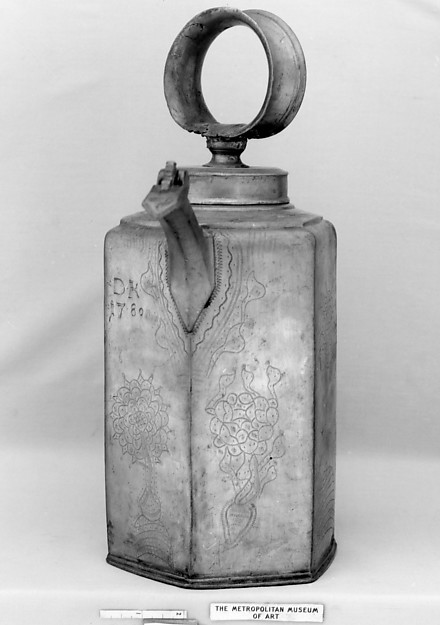
The Met credits Abraham Hiller as the maker of Wine can, dated 1780. The museum records its format as “Wine can” and its medium as “Pewter.” Its collection record identifies the artist as “1719–1798.”
Its subjects include flowers.
Artist 04 of 30
Bian Lu
Chinese, active mid-14th century
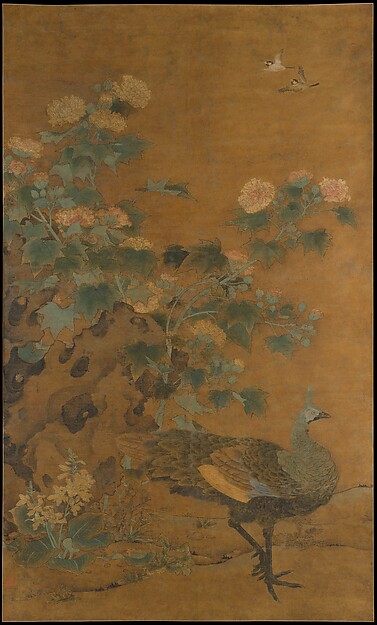
The Met credits Bian Lu as the artist of Peahen and hibiscus, dated mid-14th century. The museum records its format as “Hanging scroll” and its medium as “Hanging scroll; ink and color on silk.” Its collection record identifies the artist as “Chinese, active mid-14th century.”
Its subjects include flowers.
Artist 05 of 30
Alexander Gibbs
British, 1832–1886
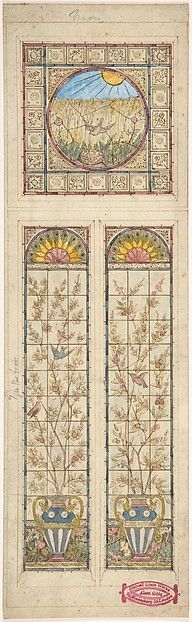
The Met credits Alexander Gibbs as the artist of Design for a stained glass window, dated 1866–92. The museum records its format as “Drawing ; Ornament & Architecture” and its medium as “Watercolor, pen and brown ink, over graphite.” Its collection record identifies the artist as “British, 1832–1886.”
Its subjects include plants.
Artist 06 of 30
Johann Schönsperger the Younger
German, active 1510–30
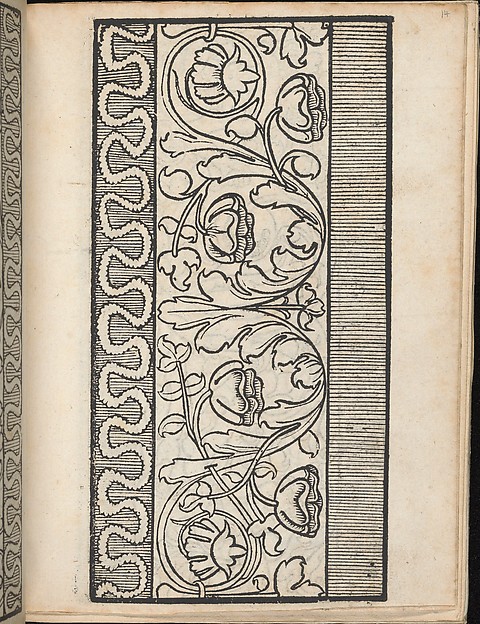
The Met credits Johann Schönsperger the Younger as the artist of Ein new Modelbuch.., page 14 (recto), dated October 22, 1524. The museum records its format as “Books Prints Ornament & Architecture” and its medium as “Woodcut.” Its collection record identifies the artist as “German, active 1510–30.”
Its subjects include flowers.
Artist 07 of 30
Jean Desforges
active ca. 1740–50, died after 1757
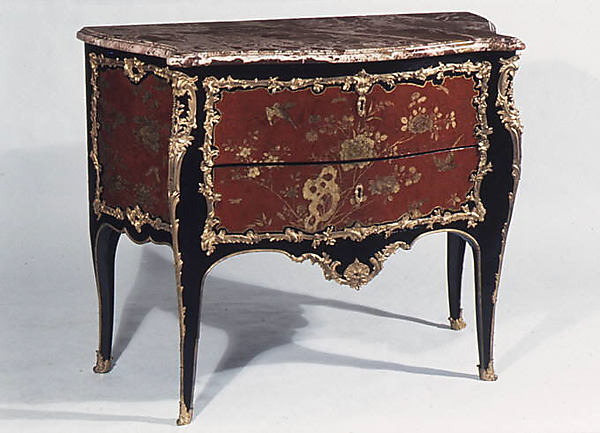
The Met credits Jean Desforges as the maker of Commode, dated ca. 1745–50. The museum records its format as “Commode” and its medium as “Oak veneered with Chinese lacquer and lacquered wood; gilt bronze; rouge royal marble.” Its collection record identifies the artist as “active ca. 1740–50, died after 1757.”
Its subjects include flowers.
Artist 08 of 30
William Fortuyn
working 1757–70
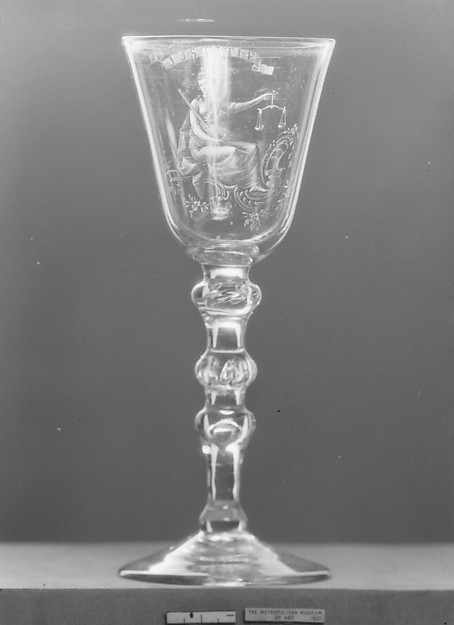
The Met credits William Fortuyn as the maker of Wineglass, dated 18th century. The museum records its format as “Wineglass” and its medium as “Glass.” Its collection record identifies the artist as “working 1757–70.”
Its subjects include flowers.
Artist 09 of 30
Mark Anthony
British, 1817–1886
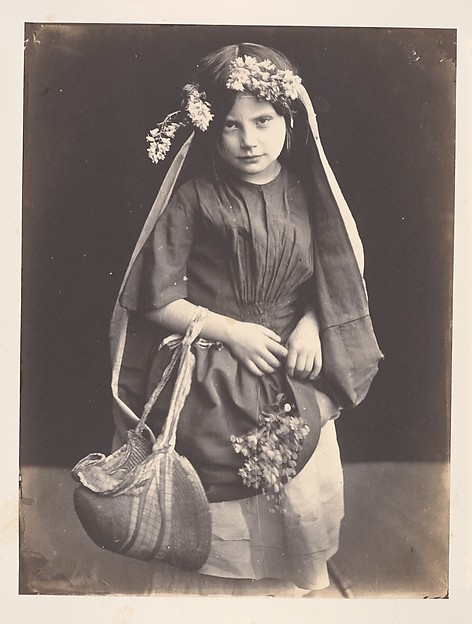
The Met credits Mark Anthony as the artist of Wild Flowers, dated ca. 1857. The museum records its format as “Photograph” and its medium as “Albumen silver print.” Its collection record identifies the artist as “British, 1817–1886.”
Its subjects include flowers.
Artist 10 of 30
Almira Holmes
American, 1803–1867

The Met credits Almira Holmes as the maker of Sampler, dated 1821. The museum records its format as “Sampler” and its medium as “Silk embroidery on linen.” Its collection record identifies the artist as “American, 1803–1867.”
Its subjects include flowers.
Artist 11 of 30
Andreas Lude
working 1776–96
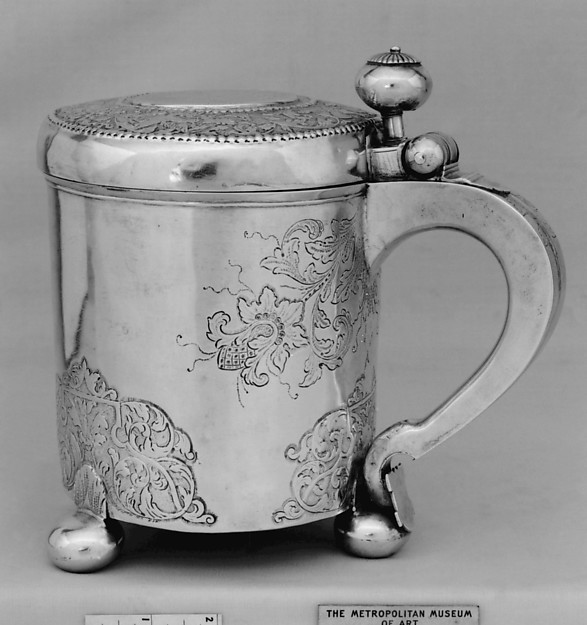
The Met credits Andreas Lude as the maker of Peg tankard, dated 1780–82. The museum records its format as “Peg tankard” and its medium as “Silver.” Its collection record identifies the artist as “working 1776–96.”
Its subjects include flowers.
Artist 12 of 30
Genga
Japanese, active early 16th century
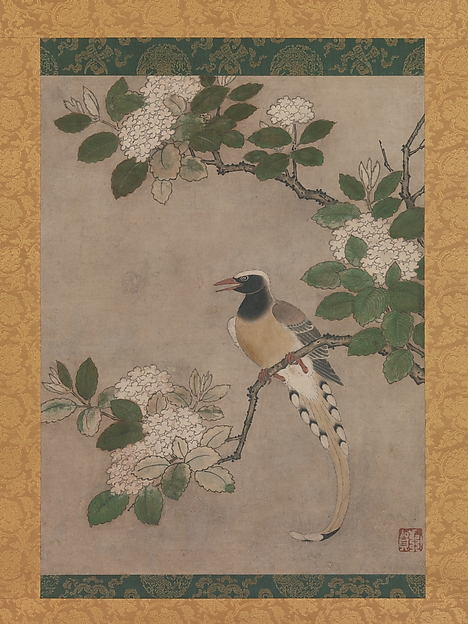
The Met credits Genga as the artist of Magpie on Viburnum Branch, dated early 16th century. The museum records its format as “Hanging scroll” and its medium as “Hanging scroll; ink and color on paper.” Its collection record identifies the artist as “Japanese, active early 16th century.”
Its subjects include flowers.
Artist 13 of 30
Katsushika Hokushū 葛飾北秀
Japanese, active ca. 1810s–1830s
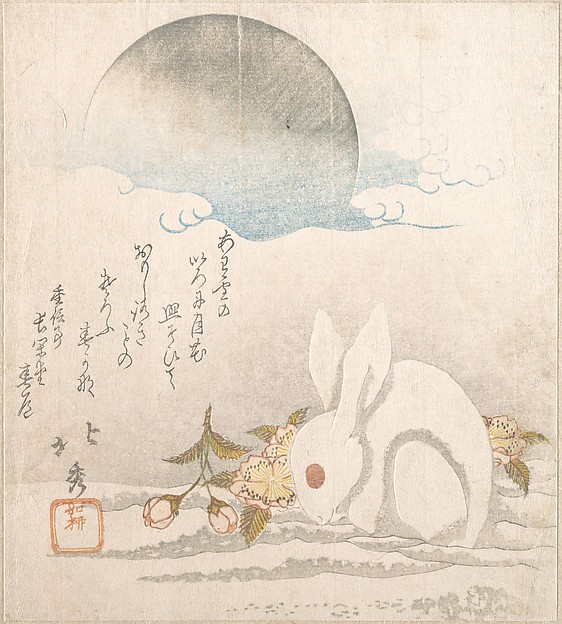
The Met credits Katsushika Hokushū 葛飾北秀 as the artist of Rabbit in the Snow beneath the Moon 月下の兎, dated 1819. The museum records its format as “Print” and its medium as “Woodblock print (surimono); ink, color, and metallic pigments on paper.” Its collection record identifies the artist as “Japanese, active ca. 1810s–1830s.”
Its subjects include flowers.
Artist 14 of 30
Peter Langlois
French, active 1759–81, worked in England 1760–70
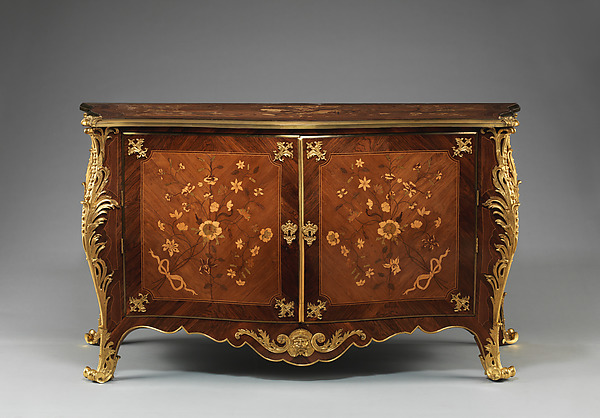
The Met credits Peter Langlois as the maker of Commode from Croome Court, Worcestershire, dated 1764. The museum records its format as “Commode” and its medium as “Pine and oak with marquetry of satinwood, kingwood, and other woods on a mahogany ground; gilded bronze.” Its collection record identifies the artist as “French, active 1759–81, worked in England 1760–70.”
Its subjects include flowers.
Artist 15 of 30
François Eugène Rousseau
French, 1827–1891
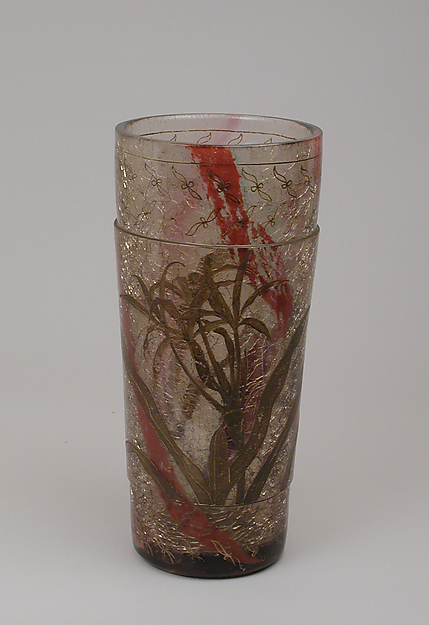
The Met credits François Eugène Rousseau as the maker of Vase, dated 1870–80. The museum records its format as “Vase” and its medium as “Glass.” Its collection record identifies the artist as “French, 1827–1891.”
Its subjects include plants.
Artist 16 of 30
Anraku
Japanese
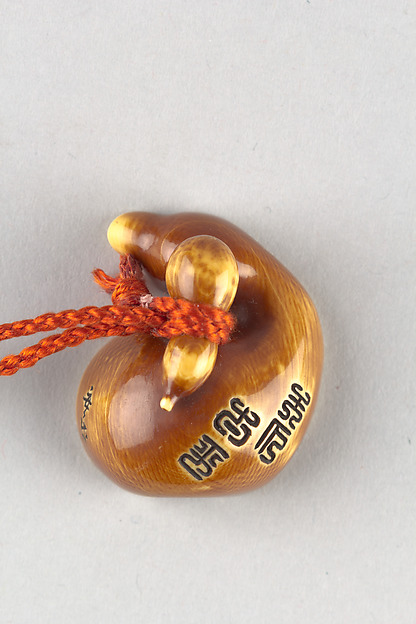
The Met credits Anraku as the artist of Netsuke of a Small Gourd on a Halved-Gourd, dated late 19th century. The museum records its format as “Netsuke” and its medium as “Ivory.” Its collection record identifies the artist as “Japanese.”
Its subjects include fruit.
Artist 17 of 30
Kano Sanboku
Japanese, active mid-17th–early 18th century
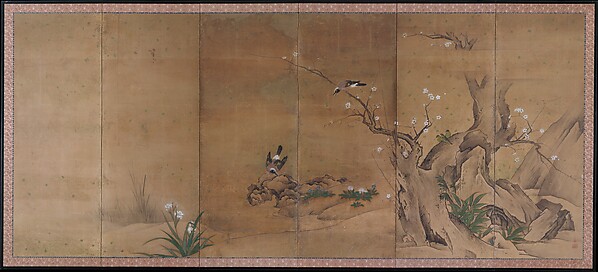
The Met credits Kano Sanboku as the artist of Birds and Flowers of the Four Seasons, dated late 17th century. The museum records its format as “Screen” and its medium as “Pair of six-panel folding screens; ink, color, and gold on paper.” Its collection record identifies the artist as “Japanese, active mid-17th–early 18th century.”
Its subjects include flowers.
Artist 18 of 30
Bernard III van Risamburgh
ca. 1731–1800
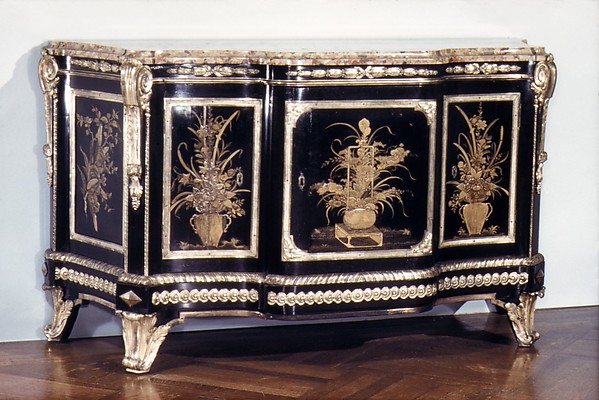
The Met credits Bernard III van Risamburgh as the maker of Commode, dated ca. 1765–70. The museum records its format as “fCommode” and its medium as “Oak; Japanese black-and-gold lacquer and ebony veneer, gilt bronze; brèche d’Alep marble top.” Its collection record identifies the artist as “ca. 1731–1800.”
Its subjects include flowers.
Artist 19 of 30
Hannah Davis Monachesi
American, 1851–1911
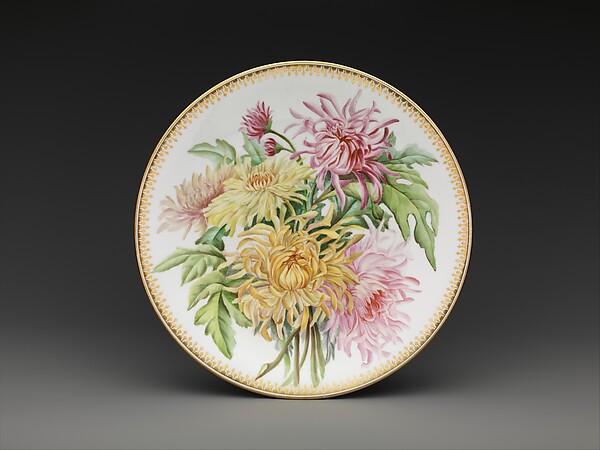
The Met credits Hannah Davis Monachesi as the maker of Plate, dated 1887. The museum records its format as “Plate” and its medium as “Porcelain.” Its collection record identifies the artist as “American, 1851–1911.”
Its subjects include flowers.
Artist 20 of 30
Toyohara Sadatora
Japanese, active ca. 1818–1844
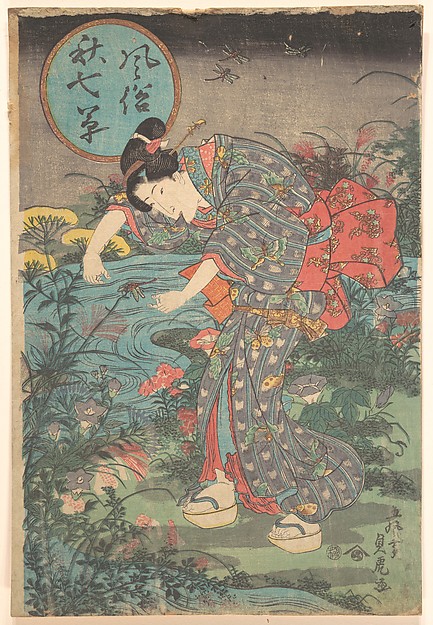
The Met credits Toyohara Sadatora as the artist of Fashionable Seven Autumn Plants (Fūzoku aki nanakusa), dated first half of the 19th century. The museum records its format as “Print” and its medium as “Woodblock print; ink and color on paper.” Its collection record identifies the artist as “Japanese, active ca. 1818–1844.”
Its subjects include plants.
Artist 21 of 30
George Bankart
British
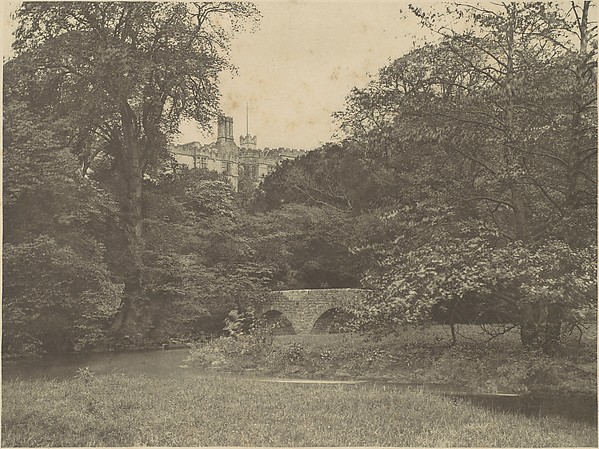
The Met credits George Bankart as the artist of Lady Dorothy's Bridge, Haddon Hall, dated 1888. The museum records its format as “Photomechanical print” and its medium as “Photogravure.” Its collection record identifies the artist as “British.”
Its subjects include gardens.
Artist 22 of 30
Caspar Beutmüller the Younger
working 1612–32
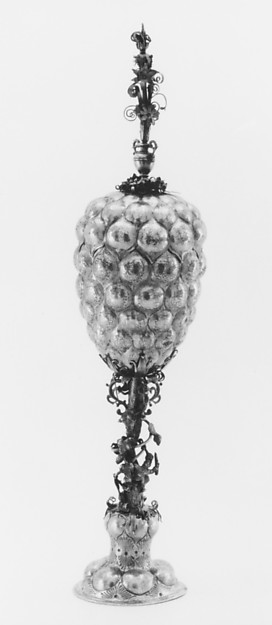
The Met credits Caspar Beutmüller the Younger as the maker of Pineapple cup with cover (Hanap), dated 17th century. The museum records its format as “Pineapple cup with cover” and its medium as “Silver, partly gilt.” Its collection record identifies the artist as “working 1612–32.”
Its subjects include fruit.
Artist 23 of 30
Liu Jie
Chinese, active mid-16th century
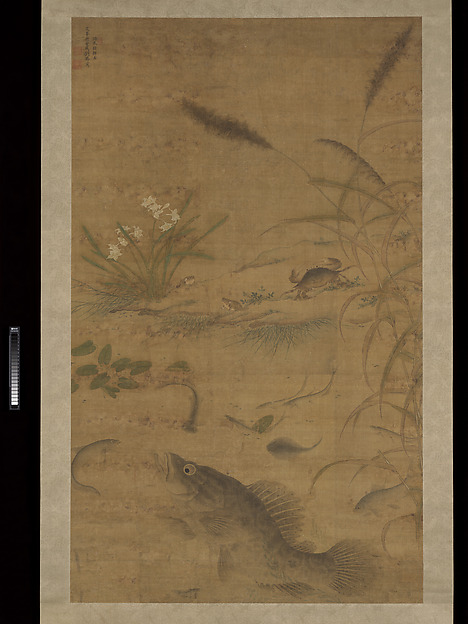
The Met credits Liu Jie as the artist of Flowers, fish, and crabs, dated mid-16th century. The museum records its format as “Hanging scroll” and its medium as “Hanging scroll; ink and color on silk.” Its collection record identifies the artist as “Chinese, active mid-16th century.”
Its subjects include flowers.
Artist 24 of 30
James Sowerby
British, London 1757–1822 London
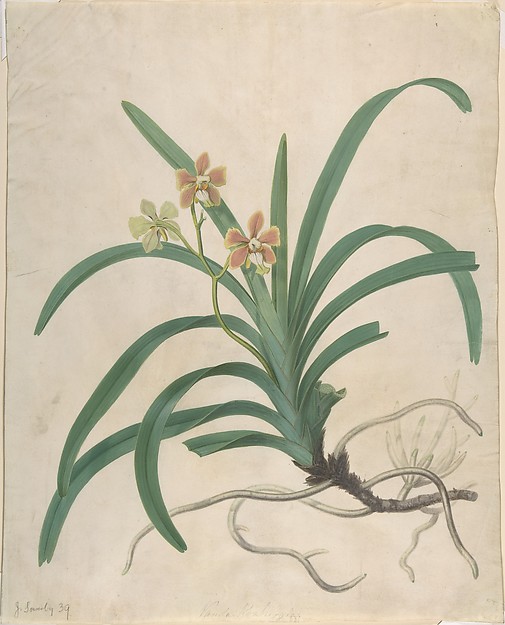
The Met credits James Sowerby as the artist of Study of an orchid, "Vanda Roxburgia", dated before 1822. The museum records its format as “Drawing” and its medium as “Watercolor and gouache (bodycolor) over graphite on white parchment paper.” Its collection record identifies the artist as “British, London 1757–1822 London.”
Its subjects include leaves.
Artist 25 of 30
Elizabeth Easton
American, 1783–1817
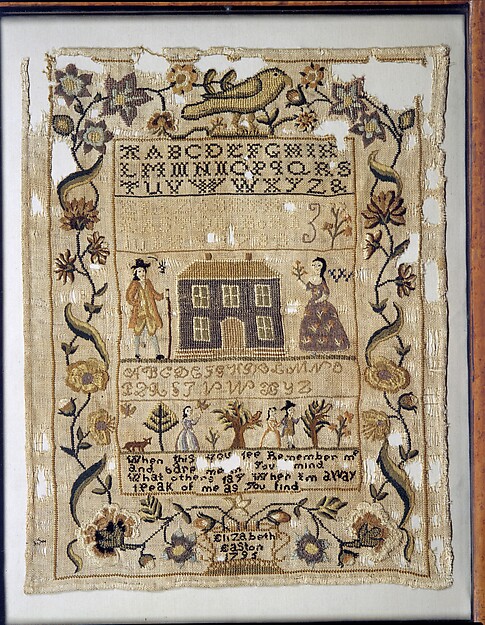
The Met credits Elizabeth Easton as the maker of Embroidered Sampler, dated 1795. The museum records its format as “Sampler” and its medium as “Silk embroidery on wool.” Its collection record identifies the artist as “American, 1783–1817.”
Its subjects include flowers.
Artist 26 of 30
Utagawa Itchinsai
Japanese, 18th–19th century
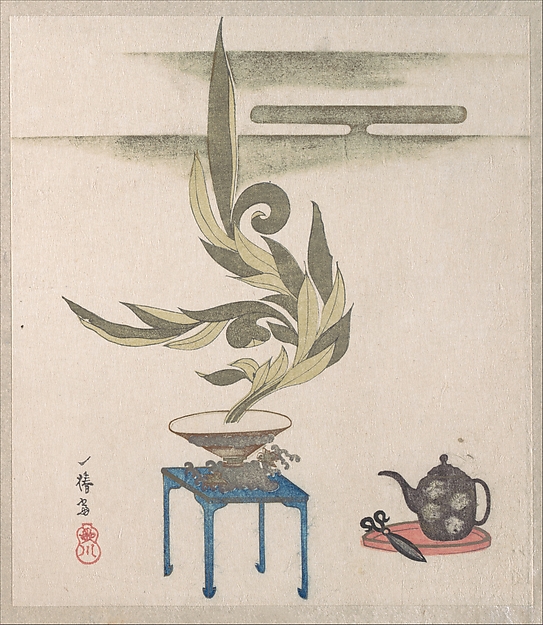
The Met credits Utagawa Itchinsai as the artist of Flower Arrangement, dated 19th century. The museum records its format as “Print” and its medium as “Part of an album of woodblock prints (surimono); ink and color on paper.” Its collection record identifies the artist as “Japanese, 18th–19th century.”
Its subjects include plants.
Artist 27 of 30
Amanda Harper
born ca. 1805
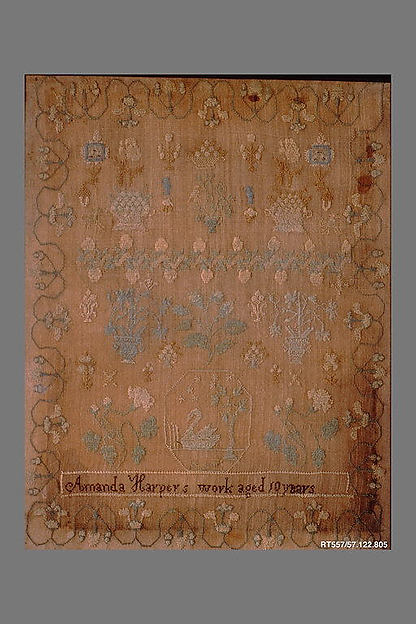
The Met credits Amanda Harper as the maker of Embroidered sampler, dated 1815. The museum records its format as “Sampler” and its medium as “Silk embroidered on linen.” Its collection record identifies the artist as “born ca. 1805.”
Its subjects include flowers.
Artist 28 of 30
Caspar Olsen Rust
1746–1772
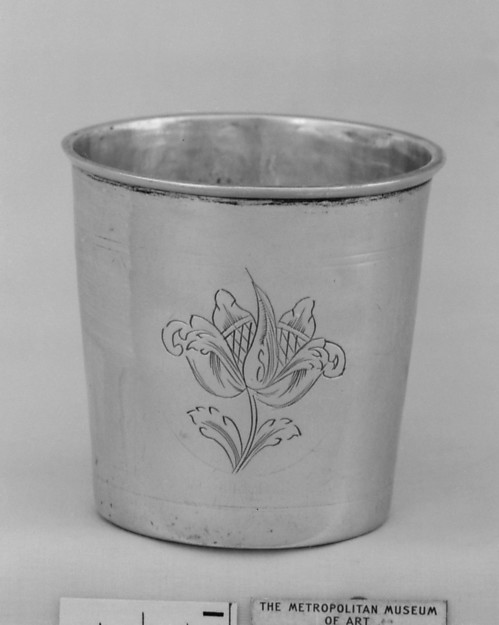
The Met credits Caspar Olsen Rust as the maker of Beaker, dated 1762. The museum records its format as “Beaker” and its medium as “Silver.” Its collection record identifies the artist as “1746–1772.”
Its subjects include flowers.
Artist 29 of 30
Shu Hao
Chinese, active late 19th century
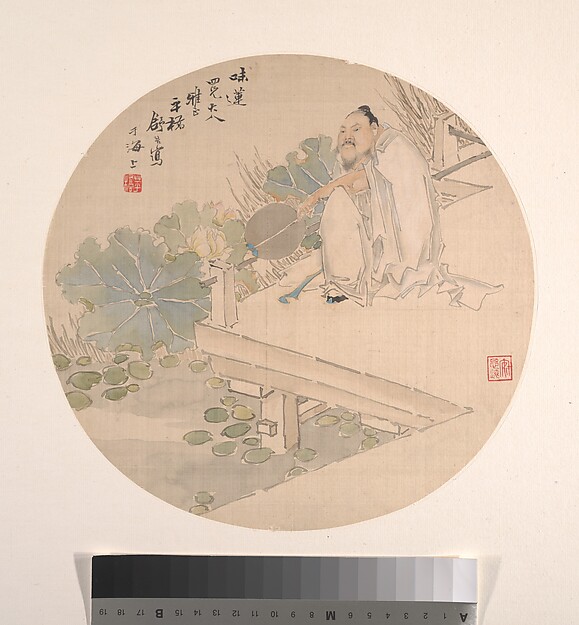
The Met credits Shu Hao as the artist of Zhou Dunyi admiring lotus flowers, dated late 19th century. The museum records its format as “Fan mounted as an album leaf” and its medium as “Fan-shaped album leaf; ink and color on silk.” Its collection record identifies the artist as “Chinese, active late 19th century.”
Artist 30 of 30
Willem Kalf
Dutch, 1619–1693
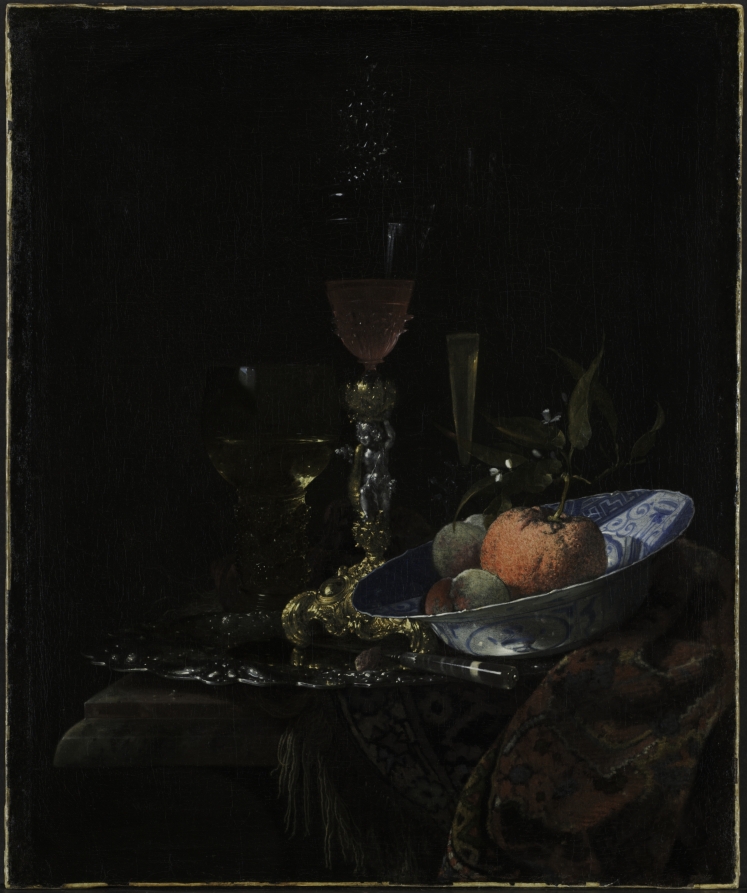
The Cleveland Museum of Art credits Willem Kalf as artist of Wineglass and a Bowl of Fruit, dated 1663. The museum records its format as “Painting” and its medium as “oil on canvas.” The creator record gives this identity context: “Dutch, 1619–1693.”


