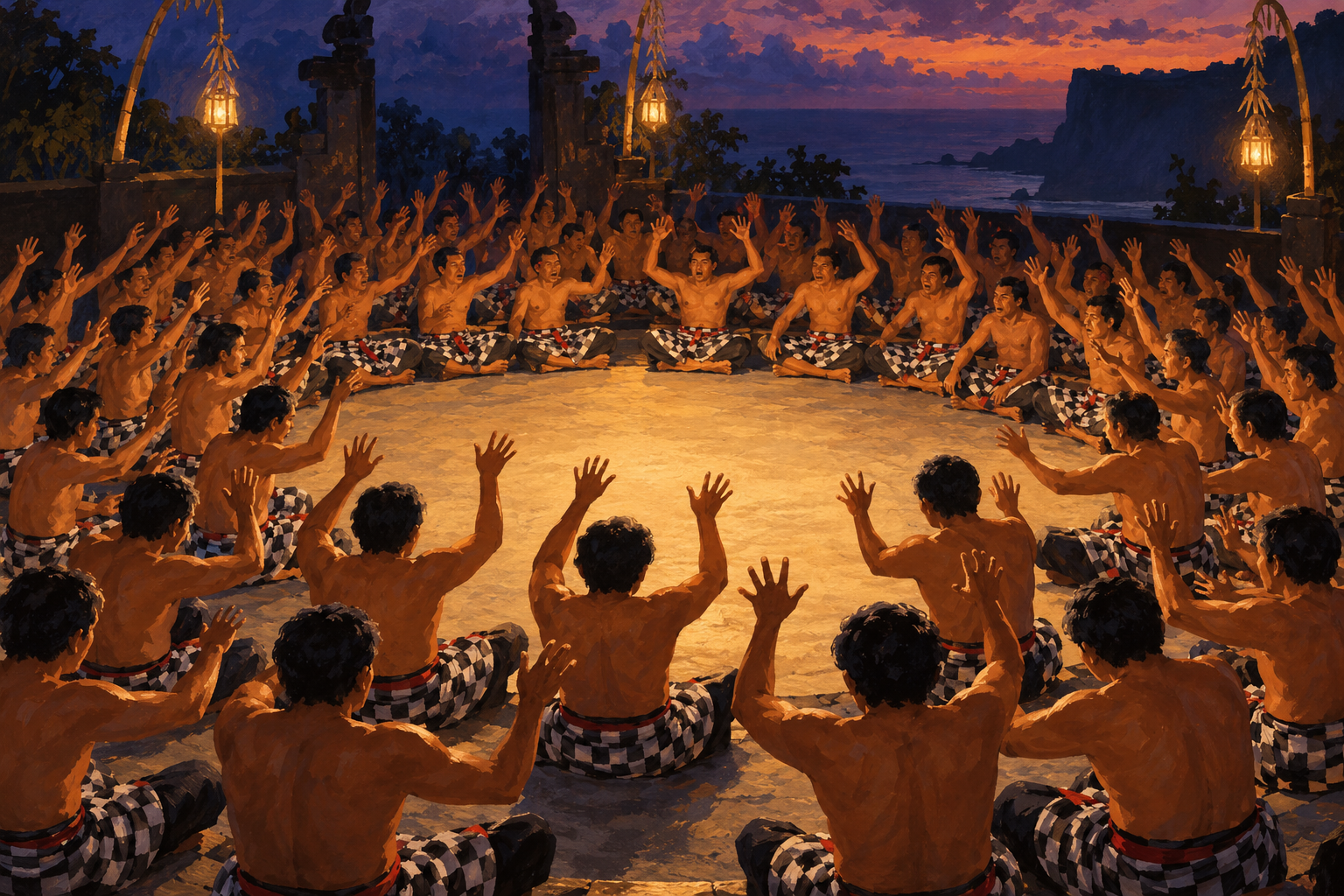
Beyond Familiar Names · Subject 12 of 20 · 30 artists
Clothing creates a visible relationship between a body and the world around it. A sleeve directs a gesture, a hat changes a silhouette, and a patterned surface can compete with a face for attention. These thirty artists offer starting points for studying dress and accessories through particular works. Notice fastening, layering, and the meeting of different materials. Consider what an item might communicate about occasion or presentation, while allowing that a design, costume image, and surviving garment provide different kinds of evidence about how people dressed.
A 4½-minute gallery film featuring all 30 artists in this chapter. Music and artwork credits appear in the film and below.
Film soundtrack: Artists by Medium 12 - Woven Frequencies — an existing original instrumental from the Incoprea library, created with Suno under the owner’s Premier subscription.
Looking closely
Consider how clothing and accessories communicate occasion, status, taste, or an imagined identity.
Explore the 20 subjects
- 01. Faces and Identities
- 02. Bodies and Gesture
- 03. Childhood and Family
- 04. Rooms and Daily Life
- 05. Work and Trade
- 06. Streets and City Life
- 07. Architecture and Built Space
- 08. Land and Sky
- 09. Water and Voyages
- 10. Plants and Gardens
- 11. Animals and Other Creatures
- 12. Dress and Self-Presentation
- 13. Music, Theatre and Dance
- 14. Sacred Stories and Devotion
- 15. Myth, Allegory and Fantasy
- 16. Power, Conflict and Public Memory
- 17. Books, Words and Knowledge
- 18. Pattern and Ornament
- 19. Vessels and Useful Beauty
- 20. Small Treasures and Keepsakes
The 30 artists in this chapter
- Paul-Auguste-Sylvaire Bonnifay
- Cui He
- Koma Kyūhaku V
- Giovanni Morotti
- Vincenzo Feneck
- Berthe
- Jukōdō Yoshikuni 寿好堂よし国
- Kano Masanobu 狩野正信
- Ryūsa
- Owen Angel
- Dora Floerckey
- Masafusa
- Albert-Ernest Carrier-Belleuse
- Kaseki
- Hamano Toshihiro
- Josiah Rowe
- Grace King
- Ryūsai Shigeharu 柳斎重春
- Kengetsudō
- Koma Kōryū
- H. O. Hanlon
- Hamano Haruchika
- Utagawa Yoshiharu
- Ishikawa Kazan
- Torii Kiyomasu II
- Shunbaisai Hokuei 春梅斎北英
- Chōkyōsai Eiri 鳥橋斎栄里
- Chōkōsai Eishō
- Katsukawa Shuntei
- Eishōsai Chōki
Artist 01 of 30
Paul-Auguste-Sylvaire Bonnifay
French, Toulon 1814–1885 Toulon
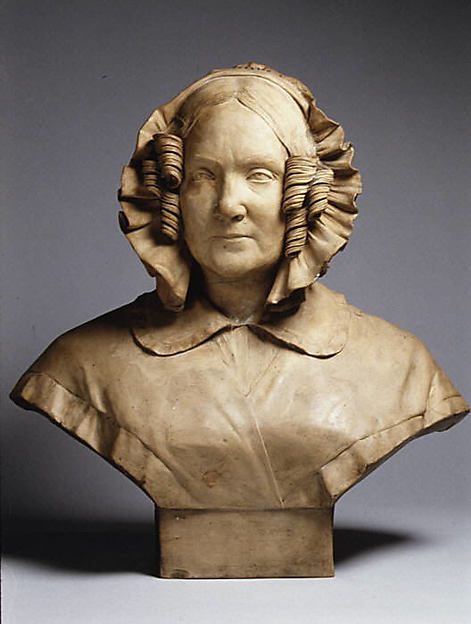
The Met credits Paul-Auguste-Sylvaire Bonnifay as the artist of Woman in a Bonnet, dated 1841. The museum records its format as “Bust” and its medium as “Terracotta.” Its collection record identifies the artist as “French, Toulon 1814–1885 Toulon.”
Artist 02 of 30
Cui He
Chinese, active 1800–1850
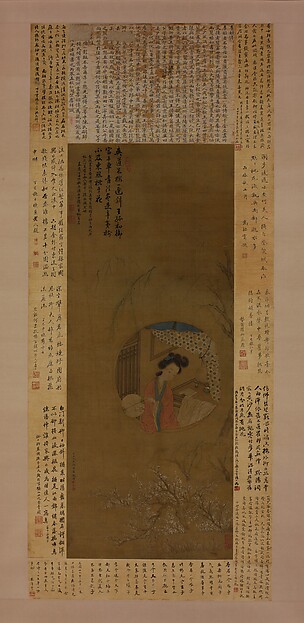
The Met credits Cui He as the artist of Portrait of Li Xiangjun, dated 1817. The museum records its format as “Hanging scroll” and its medium as “Hanging scroll; ink and color on paper.” Its collection record identifies the artist as “Chinese, active 1800–1850.”
Its subjects include fans.
Artist 03 of 30
Koma Kyūhaku V
Japanese, died 1794
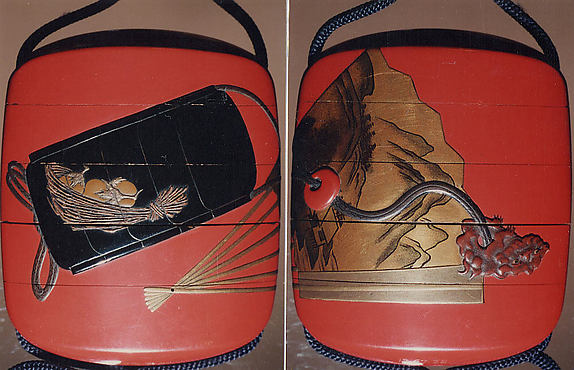
The Met credits Koma Kyūhaku V as the artist of Inrō with Inrō and Fan, dated late 18th century. The museum records its format as “Inrō” and its medium as “Four cases; lacquered wood with gold, black, red lacquer takamaki-e, hiramaki-e, tgidashimaki-e on red lacquer ground; Netsuke: carved ivory; beans; Ojime: metal bead with insects.” Its collection record identifies the artist as “Japanese, died 1794.”
Its subjects include fans.
Artist 04 of 30
Giovanni Morotti
Italian
![[La Comtesse at Table Holding Fan] — Giovanni Morotti](https://images.metmuseum.org/CRDImages/ph/web-large/DP232226.jpg)
The Met credits Giovanni Morotti as the artist of [La Comtesse at Table Holding Fan], dated 1860s. The museum records its format as “Photograph” and its medium as “Albumen silver print from glass negative.” Its collection record identifies the artist as “Italian.”
Its subjects include fans.
Artist 05 of 30
Vincenzo Feneck
Italian, born Malta, active 19th century
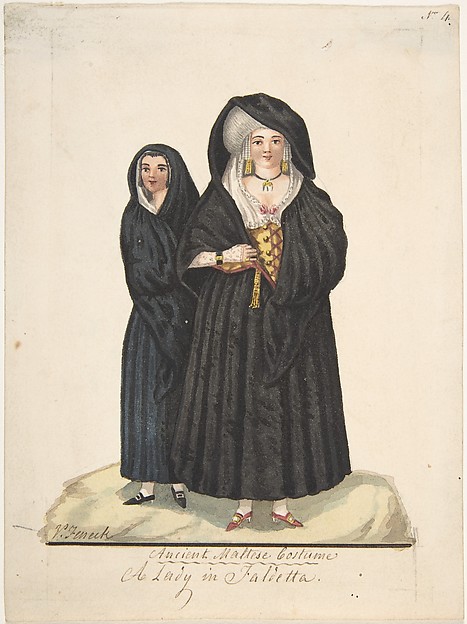
The Met credits Vincenzo Feneck as the artist of Ancient Maltese Costume, A Lady in a Faldetta, dated 19th century. The museum records its format as “Drawing ; Ornament and architecture” and its medium as “Watercolor and gouache (bodycolor) over graphite.” Its collection record identifies the artist as “Italian, born Malta, active 19th century.”
Artist 06 of 30
Berthe
French
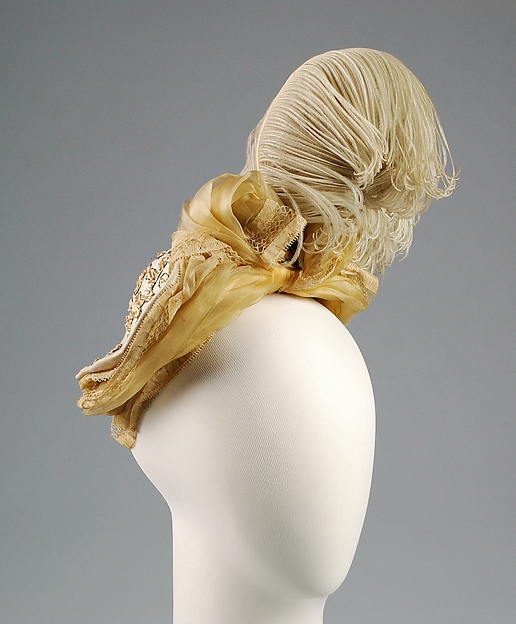
The Met credits Berthe as the designer of Bonnet, dated ca. 1885. The museum records its format as “Bonnet” and its medium as “Wool, silk, feather, linen, metallic.” Its collection record identifies the artist as “French.”
Artist 07 of 30
Jukōdō Yoshikuni 寿好堂よし国
Japanese, active 1803–40?
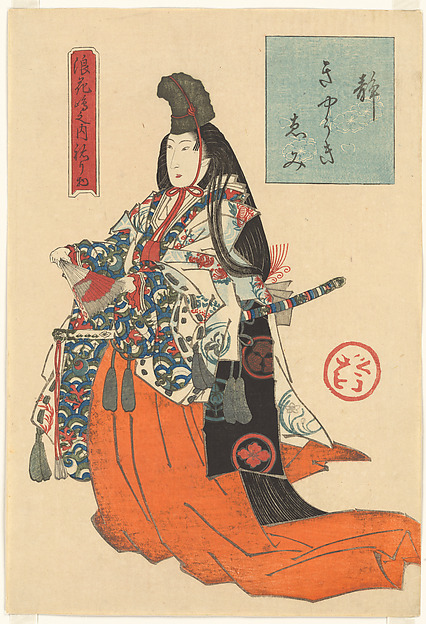
The Met credits Jukōdō Yoshikuni 寿好堂よし国 as the artist of The Courtesan Emi of the Kyōki Brothel as Shizuka Gozen (Shizuka Kyōki Emi), from the series Costume Parade of the Shimanouchi District in Osaka (Naniwa Shimanouchi nerimono), dated probably 1836. The museum records its format as “Woodblock print (nishiki-e)” and its medium as “Woodblock print (nishiki-e); ink and color on paper; vertical ōban.” Its collection record identifies the artist as “Japanese, active 1803–40?.”
Artist 08 of 30
Kano Masanobu 狩野正信
Japanese, ca. 1434–ca. 1530
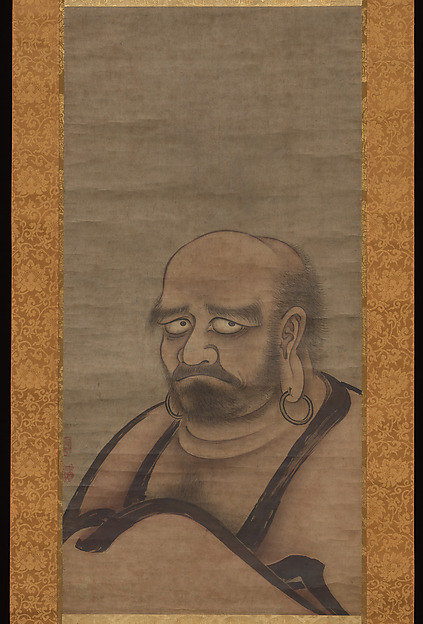
The Met credits Kano Masanobu 狩野正信 as the artist of Bodhidharma in Red Robes, dated late 15th century. The museum records its format as “Hanging scroll” and its medium as “Hanging scroll; ink and color on paper.” Its collection record identifies the artist as “Japanese, ca. 1434–ca. 1530.”
Artist 09 of 30
Ryūsa
Japanese, active late 18th century
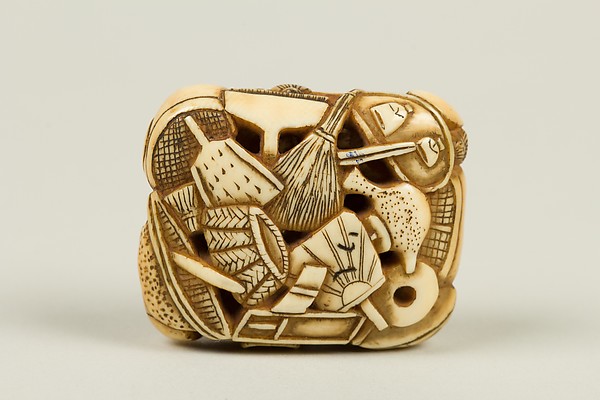
The Met credits Ryūsa as the artist of Netsuke with Carving of Household Utensils, dated 19th century. The museum records its format as “Netsuke” and its medium as “Ivory.” Its collection record identifies the artist as “Japanese, active late 18th century.”
Its subjects include fans.
Artist 10 of 30
Owen Angel
British, ca. 1821–1909
![[Follett Family Album of Children Costumed for a Fancy Dress Ball] — Owen Angel](https://images.metmuseum.org/CRDImages/ph/web-large/DP156995.jpg)
The Met credits Owen Angel as the artist of [Follett Family Album of Children Costumed for a Fancy Dress Ball], dated ca. 1880. The museum records its format as “Cabinet cards” and its medium as “Albumen silver prints from glass negatives with applied color.” Its collection record identifies the artist as “British, ca. 1821–1909.”
Artist 11 of 30
Dora Floerckey
American, 1858–1904

The Met credits Dora Floerckey as the designer of Evening dress, dated 1885–89. The museum records its format as “Evening dress” and its medium as “silk, glass, cotton.” Its collection record identifies the artist as “American, 1858–1904.”
Artist 12 of 30
Masafusa
Japanese, active ca. 1750–1770
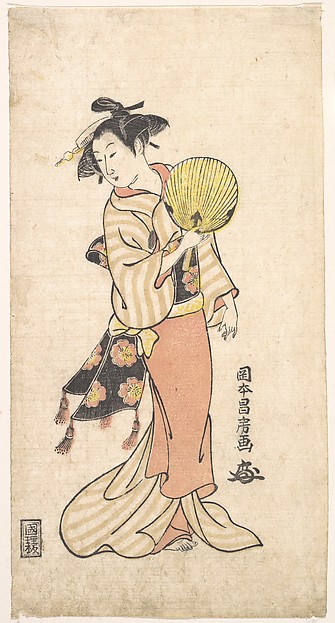
The Met credits Masafusa as the artist of Girl with Fan, dated ca. 1750–70. The museum records its format as “Print” and its medium as “Woodblock print; ink and color on paper.” Its collection record identifies the artist as “Japanese, active ca. 1750–1770.”
Its subjects include fans.
Artist 13 of 30
Albert-Ernest Carrier-Belleuse
French, Anizy-le-Château 1824–1887 Sèvres
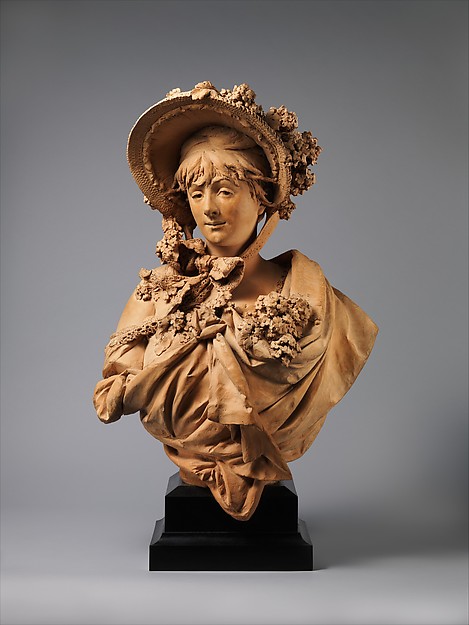
The Met credits Albert-Ernest Carrier-Belleuse as the artist of Girl in a Straw Bonnet, dated ca. 1868–70. The museum records its format as “Bust” and its medium as “Terracotta with wood base.” Its collection record identifies the artist as “French, Anizy-le-Château 1824–1887 Sèvres.”
Artist 14 of 30
Kaseki
Japanese, active 18th century
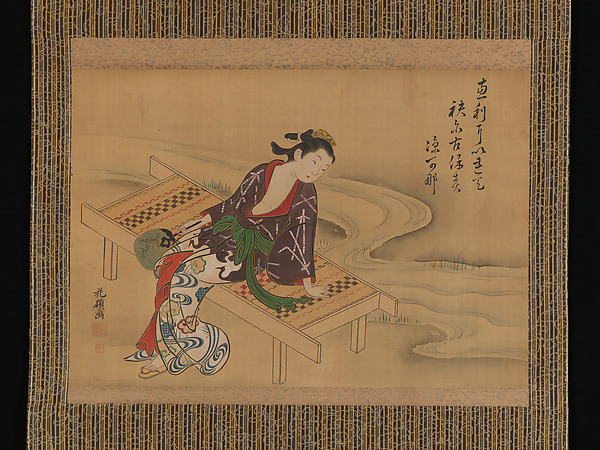
The Met credits Kaseki as the artist of Enjoying the Cool Breeze, dated early 18th century. The museum records its format as “Hanging scroll” and its medium as “Hanging scroll; ink and color on silk.” Its collection record identifies the artist as “Japanese, active 18th century.”
Its subjects include fans.
Artist 15 of 30
Hamano Toshihiro
Japanese, died 1861
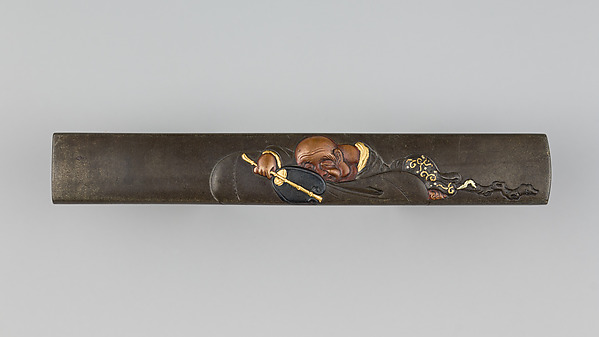
The Met credits Hamano Toshihiro as the maker of Knife Handle (Kozuka), dated late 18th–mid-19th century. The museum records its format as “Knife handle (Kozuka)” and its medium as “Copper-silver alloy (shibuichi), gold, copper, silver, copper-gold alloy (shakudō).” Its collection record identifies the artist as “Japanese, died 1861.”
Its subjects include fans.
Artist 16 of 30
Josiah Rowe
British, ca. 1809–1874
![[The Countess Canning, Calcutta] — Josiah Rowe](https://images.metmuseum.org/CRDImages/ph/web-large/DP146073.jpg)
The Met credits Josiah Rowe as the artist of [The Countess Canning, Calcutta], dated 1861. The museum records its format as “Photograph” and its medium as “Albumen silver print from glass negative.” Its collection record identifies the artist as “British, ca. 1809–1874.”
Its subjects include fans.
Artist 17 of 30
Grace King
American

The Met credits Grace King as the designer of Afternoon dress, dated 1870–75. The museum records its format as “Afternoon dress” and its medium as “silk, metal.” Its collection record identifies the artist as “American.”
Artist 18 of 30
Ryūsai Shigeharu 柳斎重春
Japanese, 1803–1853
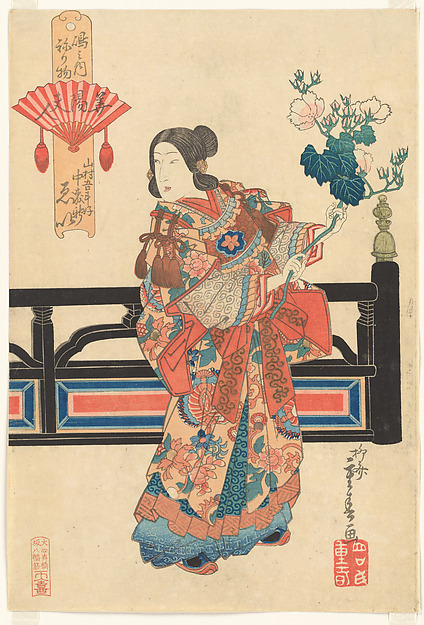
The Met credits Ryūsai Shigeharu 柳斎重春 as the artist of “Ei of the Nakamoriken Brothel, who was a favorite of Yamamura Goto, as Lady Huayang (Kayō Fujin Yamamura Goto gonomi Nakamoriken Ei),” from the series Costume Parade of the Shimanouchi District in Osaka (Naniwa Shimanouchi nerimono), dated 1836. The museum records its format as “Woodblock print (nishiki-e)” and its medium as “Right sheet of a diptych of woodblock prints (nishiki-e); ink and color on paper; vertical ōban.” Its collection record identifies the artist as “Japanese, 1803–1853.”
Artist 19 of 30
Kengetsudō
Japanese, active 18th century
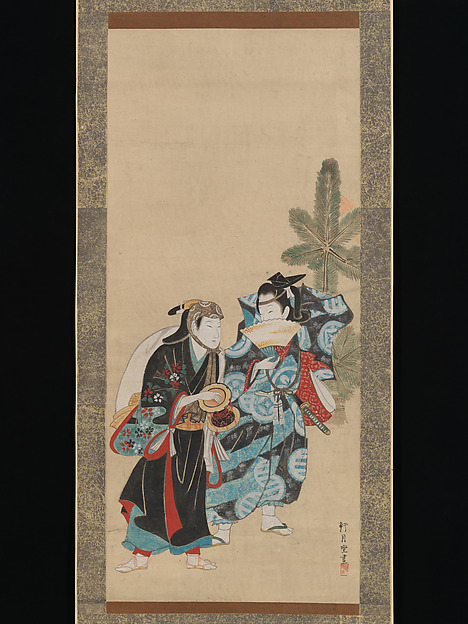
The Met credits Kengetsudō as the artist of Manzai Performers, dated ca. 1720s–30s. The museum records its format as “Hanging scroll” and its medium as “Hanging scroll; ink and color on paper.” Its collection record identifies the artist as “Japanese, active 18th century.”
Its subjects include fans.
Artist 20 of 30
Koma Kōryū
Japanese, died 1796
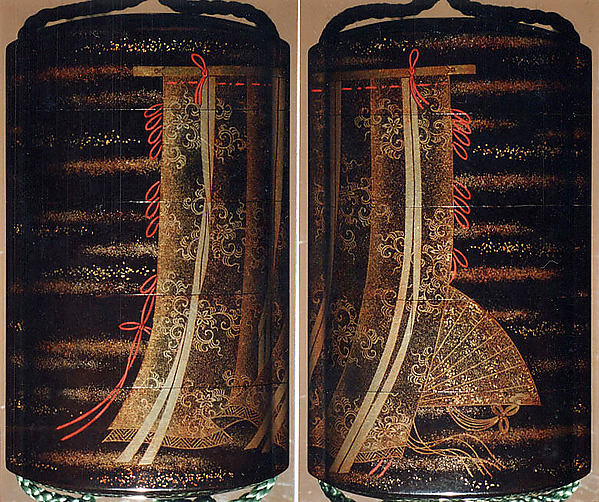
The Met credits Koma Kōryū as the artist of Case (Inrō) with Design of Curtains of State and a Woman's Fan, dated late 18th–19th century. The museum records its format as “Inrō” and its medium as “Roiro (waxen) lacquer with decoration in togisashi sprinkled and polished lacquer; Ojime: gold lacquer bead; Netsuke: ivory "Dream of a Clam".” Its collection record identifies the artist as “Japanese, died 1796.”
Its subjects include fans.
Artist 21 of 30
H. O. Hanlon
American
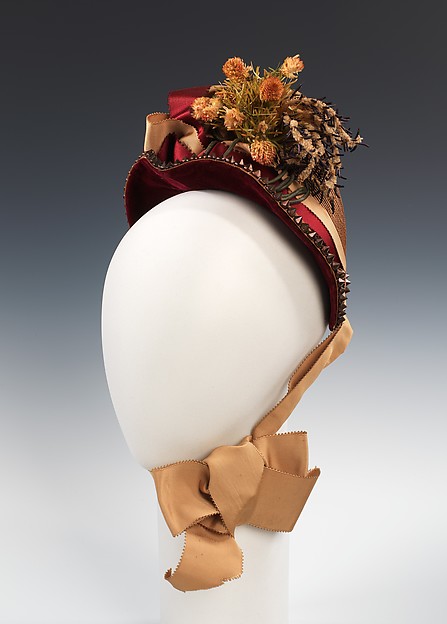
The Met credits H. O. Hanlon as the designer of Bonnet, dated ca. 1887. The museum records its format as “Bonnet” and its medium as “straw, silk, cotton, metal.” Its collection record identifies the artist as “American.”
Artist 22 of 30
Hamano Haruchika
Japanese, died ca.1850
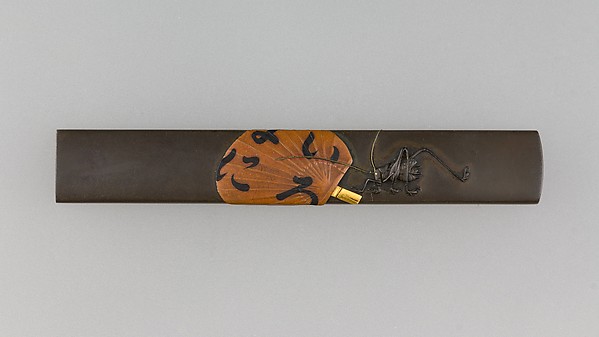
The Met credits Hamano Haruchika as the maker of Knife Handle (Kozuka), dated 19th century. The museum records its format as “Knife handle (Kozuka)” and its medium as “Copper-silver alloy (shibuichi), gold, copper, copper-gold alloy (shakudō).” Its collection record identifies the artist as “Japanese, died ca.1850.”
Its subjects include fans.
Artist 23 of 30
Utagawa Yoshiharu
Japanese, 1828–1888
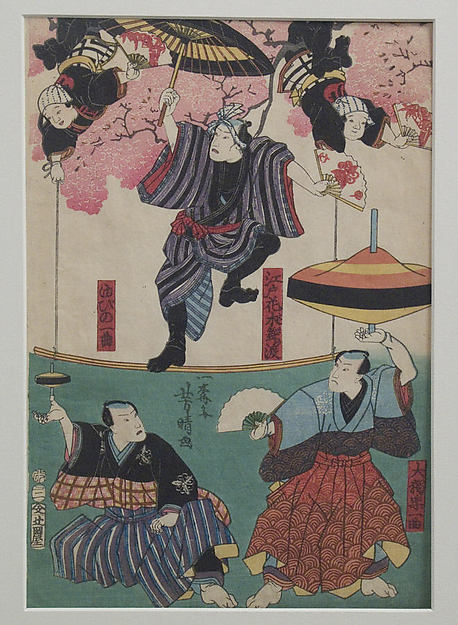
The Met credits Utagawa Yoshiharu as the artist of Acrobats Beneath Cherry Trees: Spinning Tops and Balancing, dated 1857. The museum records its format as “Print” and its medium as “Woodblock print; ink and color on paper.” Its collection record identifies the artist as “Japanese, 1828–1888.”
Its subjects include fans.
Artist 24 of 30
Ishikawa Kazan
Japanese, active 1810–1823
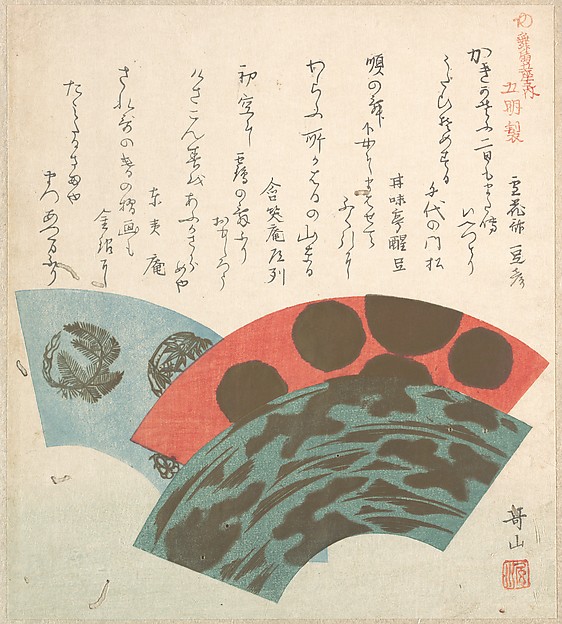
The Met credits Ishikawa Kazan as the artist of Designs of Fans for Dance, dated 19th century. The museum records its format as “Print” and its medium as “Woodblock print (surimono); ink and color on paper.” Its collection record identifies the artist as “Japanese, active 1810–1823.”
Its subjects include fans.
Artist 25 of 30
Torii Kiyomasu II
Japanese, 1706–1763
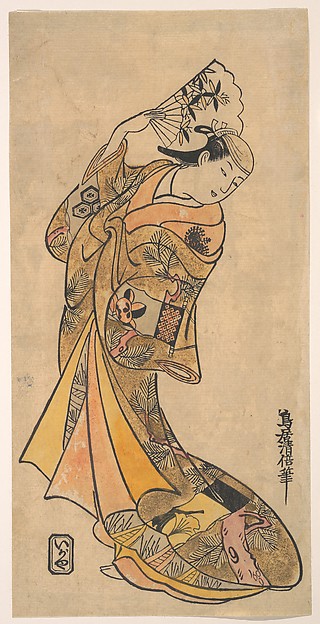
The Met credits Torii Kiyomasu II as the artist of The Actor, Nakamura Shichisaburo II, 1703–1774 as a Woman with Fan. The museum records its format as “Print” and its medium as “Woodblock print; ink and color on paper.” Its collection record identifies the artist as “Japanese, 1706–1763.”
Its subjects include fans.
Artist 26 of 30
Shunbaisai Hokuei 春梅斎北英
Japanese, active 1829–1837, died 1837
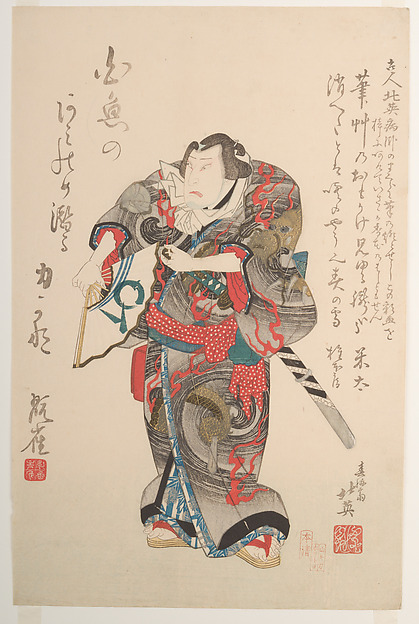
The Met credits Shunbaisai Hokuei 春梅斎北英 as the artist of The Actor Nakamura Utaemon IV as the Wrestler Iwakawa Jirokichi, dated 1837. The museum records its format as “Woodblock print” and its medium as “Woodblock print; ink and color on paper; vertical ōban.” Its collection record identifies the artist as “Japanese, active 1829–1837, died 1837.”
Its subjects include fans.
Artist 27 of 30
Chōkyōsai Eiri 鳥橋斎栄里
Japanese, active ca. 1789–1801
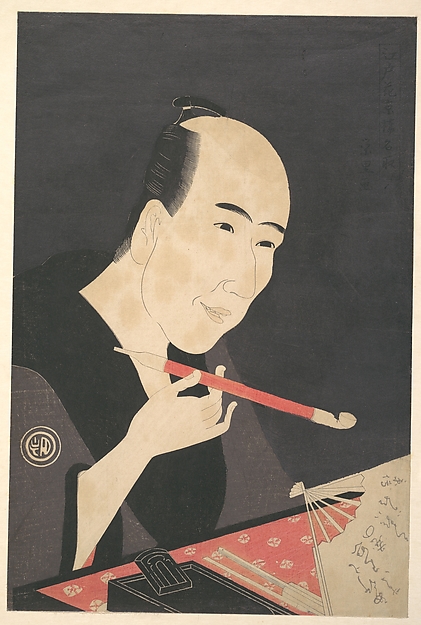
The Met credits Chōkyōsai Eiri 鳥橋斎栄里 as the artist of The Writer Santō Kyōden (a.k.a. Kitao Masanobu), dated ca. 1795. The museum records its format as “Print” and its medium as “Woodblock print; ink and color on paper.” Its collection record identifies the artist as “Japanese, active ca. 1789–1801.”
Its subjects include fans.
Artist 28 of 30
Chōkōsai Eishō
Japanese, 1793–99
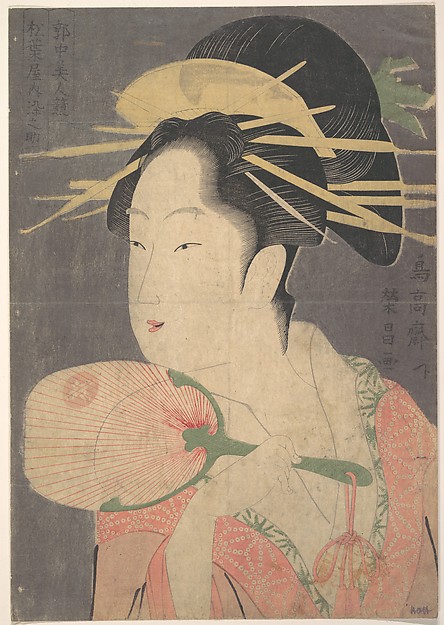
The Met credits Chōkōsai Eishō as the artist of A Beauty. The museum records its format as “Print” and its medium as “Woodblock print; ink and color on paper.” Its collection record identifies the artist as “Japanese, 1793–99.”
Its subjects include fans.
Artist 29 of 30
Katsukawa Shuntei
Japanese, 1770–1820
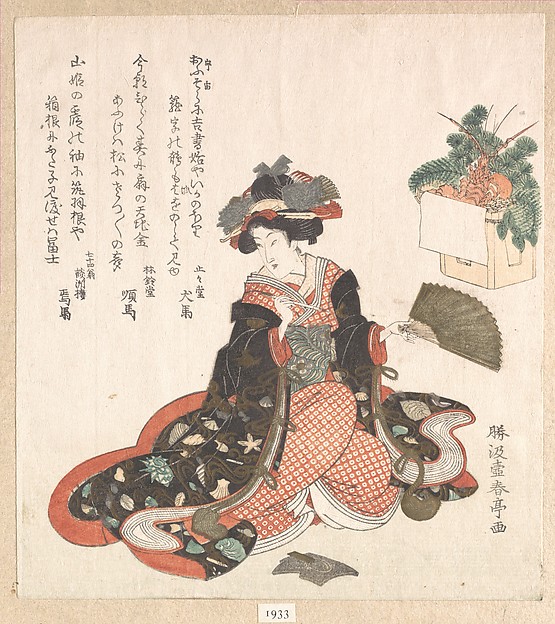
The Met credits Katsukawa Shuntei as the artist of Courtesan and New Year Decoration, dated ca. 1816. The museum records its format as “Print” and its medium as “Woodblock print (surimono); ink and color on paper.” Its collection record identifies the artist as “Japanese, 1770–1820.”
Its subjects include fans.
Artist 30 of 30
Eishōsai Chōki
Japanese, active late 18th–early 19th century
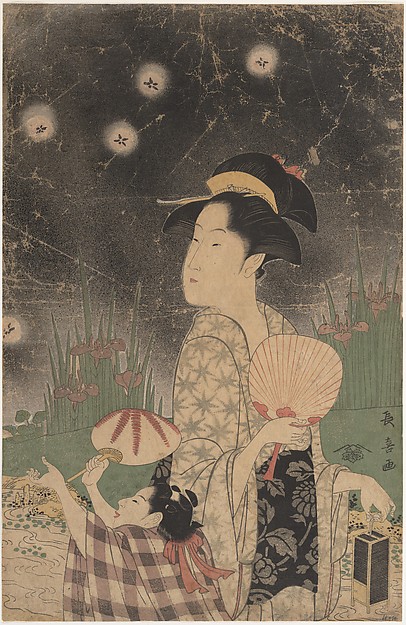
The Met credits Eishōsai Chōki as the artist of Woman and Child Catching Fireflies, dated ca. 1795. The museum records its format as “Print” and its medium as “Woodblock print (nishiki-e); ink and color on paper.” Its collection record identifies the artist as “Japanese, active late 18th–early 19th century.”
Its subjects include fans.