Beyond Familiar Names · Subject 07 of 20 · 30 artists
Built space has its own visual grammar: an opening interrupts a wall, a column marks a rhythm, and a stair connects one level to another. These thirty artists help us examine architecture through selected works that picture, describe, or propose spaces. Compare the building's structure with the organization of the image itself. Does the view emphasize a whole arrangement or a fragment? Notice whether a person, shadow, or measured line establishes scale, and how a design invites us to imagine entering somewhere we cannot physically enter.
A 4½-minute gallery film featuring all 30 artists in this chapter. Music and artwork credits appear in the film and below.
Film soundtrack: Artists by Medium 07 - Silvered Time — an existing original instrumental from the Incoprea library, created with Suno under the owner’s Premier subscription.
Looking closely
Compare the structure of the building with the structure of the image or design.
Explore the 20 subjects
- 01. Faces and Identities
- 02. Bodies and Gesture
- 03. Childhood and Family
- 04. Rooms and Daily Life
- 05. Work and Trade
- 06. Streets and City Life
- 07. Architecture and Built Space
- 08. Land and Sky
- 09. Water and Voyages
- 10. Plants and Gardens
- 11. Animals and Other Creatures
- 12. Dress and Self-Presentation
- 13. Music, Theatre and Dance
- 14. Sacred Stories and Devotion
- 15. Myth, Allegory and Fantasy
- 16. Power, Conflict and Public Memory
- 17. Books, Words and Knowledge
- 18. Pattern and Ornament
- 19. Vessels and Useful Beauty
- 20. Small Treasures and Keepsakes
The 30 artists in this chapter
- Ann Magdalen Yates
- Pierre Chapelle II
- Alfred Batson
- Emmanuel Wyttenbach
- Adrian La Touvenot
- Joseph Stubbs
- Alexis de Lagrange
- Jean de Gourmont
- Basilio Briccio
- Emil Sigel
- Giovanni V. Melon
- Johann Michael Leüchte
- Charles-François Houel
- Adam August Müller
- E. Ryder
- Feng Langgong
- Filippo Mochi
- Alfred Copestick
- Lucy Trask Barnard
- Domenico dalle Greche
- Henry Thomas Wood
- G.V. Bijlaer
- Alvaro Pirez
- Kōami Shinzaburō
- Charles Wickes
- Giovanni Andrea Castelli
- H. Ansted
- Shōsai Ikkei
- Johann Georg Dürschner
- William Henry Pigou
Artist 01 of 30
Ann Magdalen Yates
American, born 1790
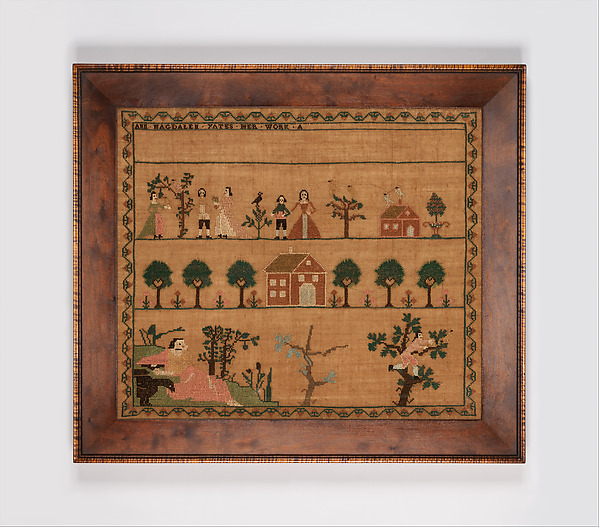
The Met credits Ann Magdalen Yates as the artist of Sampler, dated ca. 1802. The museum records its format as “Sampler” and its medium as “Silk embroidery on linen.” Its collection record identifies the artist as “American, born 1790.”
Its subjects include houses.
Artist 02 of 30
Pierre Chapelle II
1684–1760
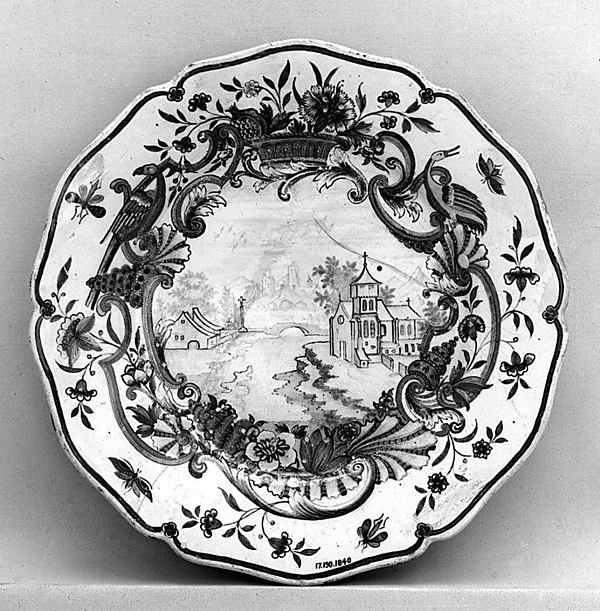
The Met credits Pierre Chapelle II as the maker of Plate, dated ca. 1725. The museum records its format as “Plate” and its medium as “Faience (tin-glazed earthenware).” Its collection record identifies the artist as “1684–1760.”
Its subjects include churches, houses.
Artist 03 of 30
Alfred Batson
British
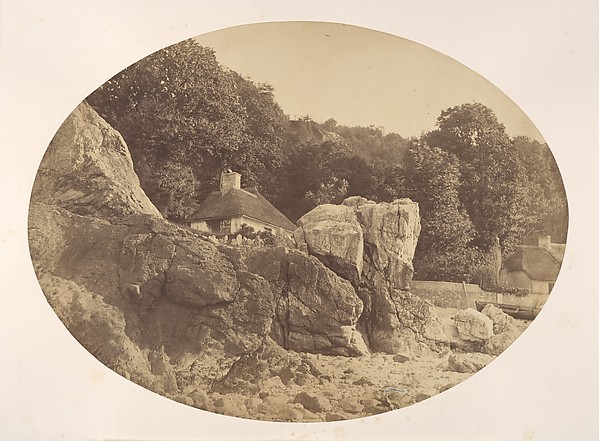
The Met credits Alfred Batson as the artist of Babbicombe, from the Beach, dated 1857. The museum records its format as “Photograph” and its medium as “Albumen silver print.” Its collection record identifies the artist as “British.”
Its subjects include houses.
Artist 04 of 30
Emmanuel Wyttenbach
American, born Bern, Switzerland, active California, 1857–94
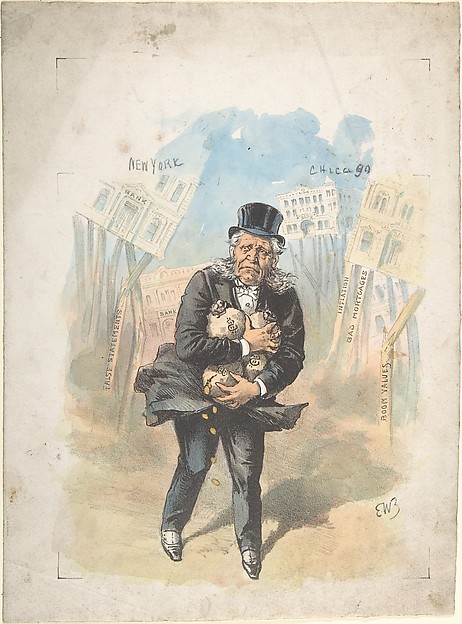
The Met credits Emmanuel Wyttenbach as the artist of Man Clutching Moneybags While Banks Collapse, dated late 19th–early 20th century. The museum records its format as “Print” and its medium as “Hand-colored lithograph; touched proof.” Its collection record identifies the artist as “American, born Bern, Switzerland, active California, 1857–94.”
Its subjects include buildings.
Artist 05 of 30
Adrian La Touvenot
French, active 1787
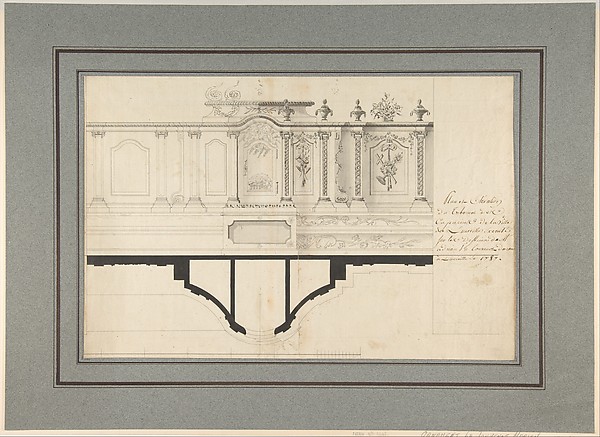
The Met credits Adrian La Touvenot as the artist of Plan and Elevation of the Capuchin Tabernacle of Luneville, dated 1787. The museum records its format as “Drawing” and its medium as “Pen and black ink, brush and gray wash over graphite.” Its collection record identifies the artist as “French, active 1787.”
Its subjects include architecture.
Artist 06 of 30
Joseph Stubbs
active ca. 1822–36
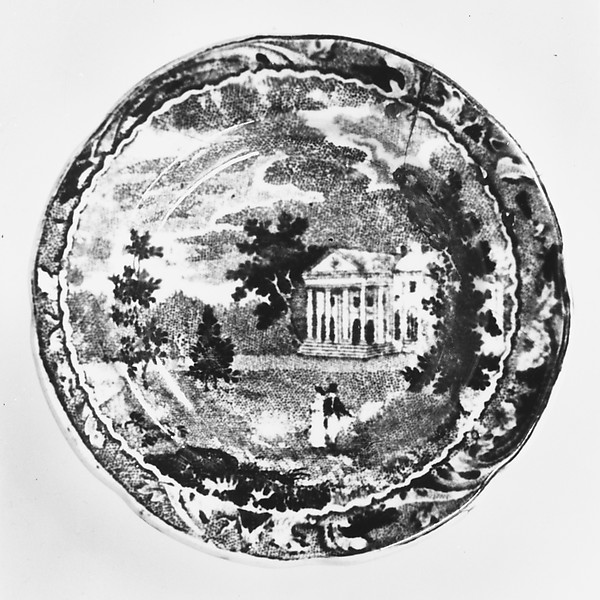
The Met credits Joseph Stubbs as the maker of Plate, dated ca. 1822–ca. 1836. The museum records its format as “Plate” and its medium as “Earthenware, transfer-printed.” Its collection record identifies the artist as “active ca. 1822–36.”
Its subjects include houses.
Artist 07 of 30
Alexis de Lagrange
French
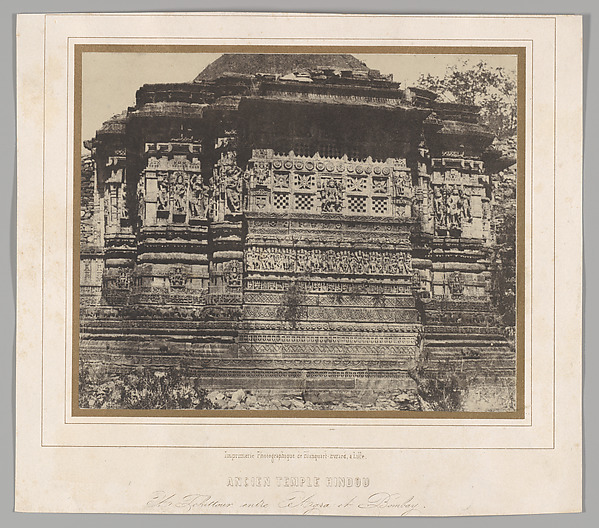
The Met credits Alexis de Lagrange as the artist of Ancien Temple Hindou. À Tchittour entre Agra et Bombay., dated 1851. The museum records its format as “Photograph” and its medium as “Salted paper print.” Its collection record identifies the artist as “French.”
Artist 08 of 30
Jean de Gourmont
French, active 1506–1526
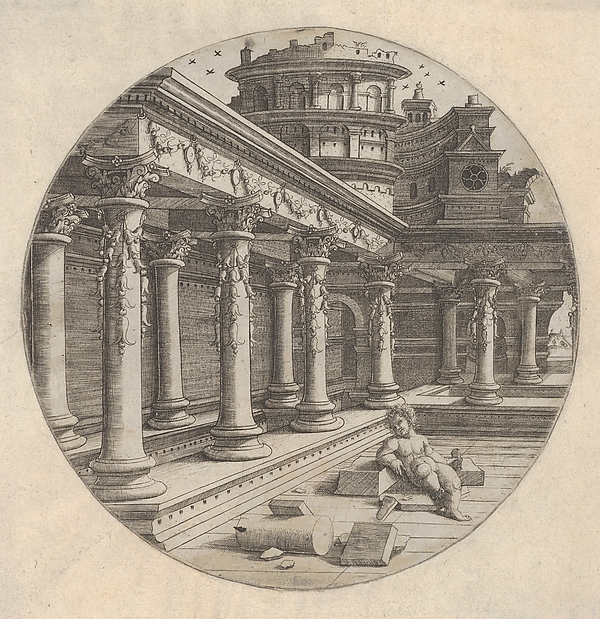
The Met credits Jean de Gourmont as the artist of L'Enfant dans la Galerie. The museum records its format as “Print; Ornament & Architecture” and its medium as “Etching.” Its collection record identifies the artist as “French, active 1506–1526.”
Its subjects include architecture, columns.
Artist 09 of 30
Basilio Briccio
Italian, Rome 1621–1692 Rome
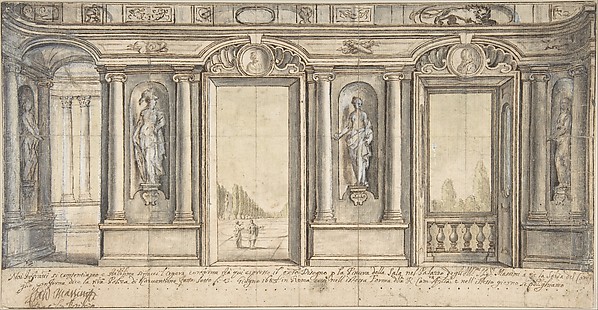
The Met credits Basilio Briccio as the artist of Design for a Painted Wall Decoration for Palazzo Massimo all'Aracoeli (Rome), dated 1683. The museum records its format as “Drawing Collection Ornament & Architecture” and its medium as “Pen and ink with green and gray wash, highlighted with white gouache.” Its collection record identifies the artist as “Italian, Rome 1621–1692 Rome.”
Its subjects include architecture.
Artist 10 of 30
Emil Sigel
American
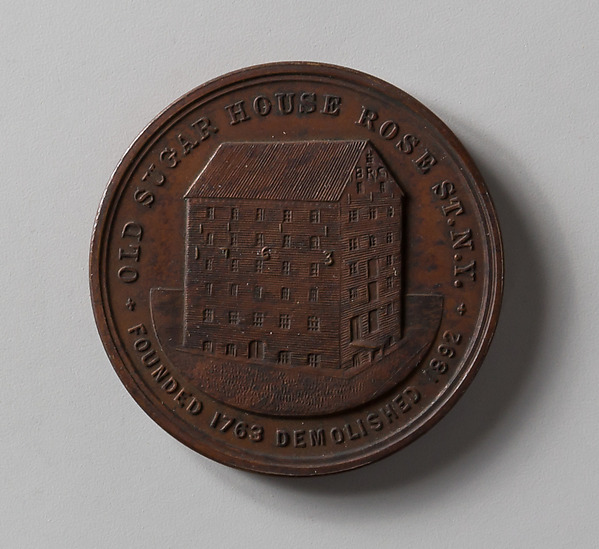
The Met credits Emil Sigel as the artist of The "Old Sugar House," Rose St., New York, dated 1892. The museum records its format as “Medal” and its medium as “Copper.” Its collection record identifies the artist as “American.”
Its subjects include buildings.
Artist 11 of 30
Giovanni V. Melon
Italian, active ca. 1570–90
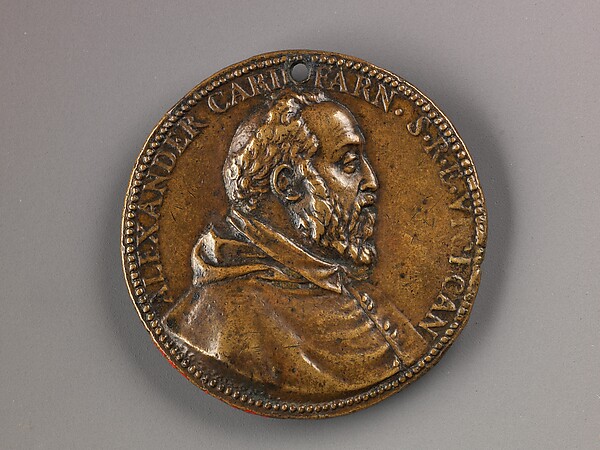
The Met credits Giovanni V. Melon as the artist of Portrait medal of Cardinal Alessandro Farnese (obverse); Il Gesù (reverse), dated 1575. The museum records its format as “Medal” and its medium as “Bronze (Copper alloy with a warm brown patina).” Its collection record identifies the artist as “Italian, active ca. 1570–90.”
Its subjects include churches.
Artist 12 of 30
Johann Michael Leüchte
German, active Augsburg, died 1759
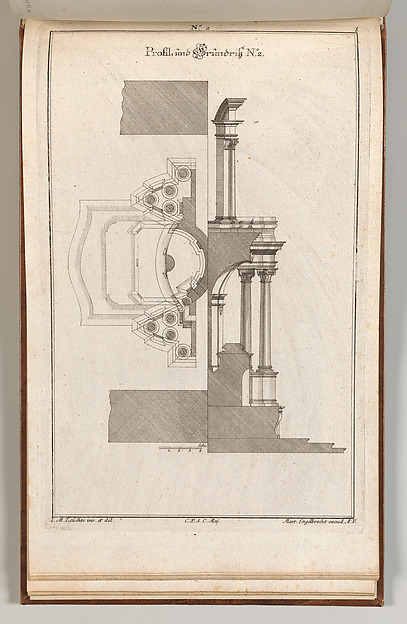
The Met credits Johann Michael Leüchte as the artist of Floorplan and Side View of an Altar, plate B(2) from "Unterschiedliche Neu Inventierte Altäre mit darzu gehörigen Profillen u. Grundrißen", dated printed ca. 1750–56. The museum records its format as “Album; Print; Ornament & Architecture” and its medium as “Etching.” Its collection record identifies the artist as “German, active Augsburg, died 1759.”
Its subjects include architecture.
Artist 13 of 30
Charles-François Houel
French, Paris 1819–1849 Paris
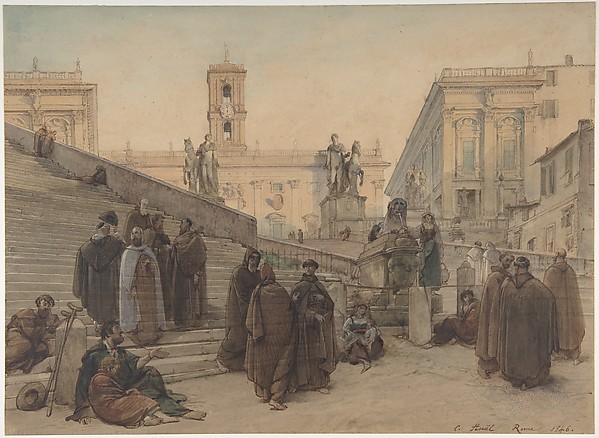
The Met credits Charles-François Houel as the artist of The Campidoglio seen from the Staircase of the Church of the Aracoeli, Rome, at Sunset, dated 1846. The museum records its format as “Drawing” and its medium as “Pen and brown ink, brown wash, watercolor and gouache; lined.” Its collection record identifies the artist as “French, Paris 1819–1849 Paris.”
Artist 14 of 30
Adam August Müller
Danish, Copenhagen 1811–1844 Copenhagen
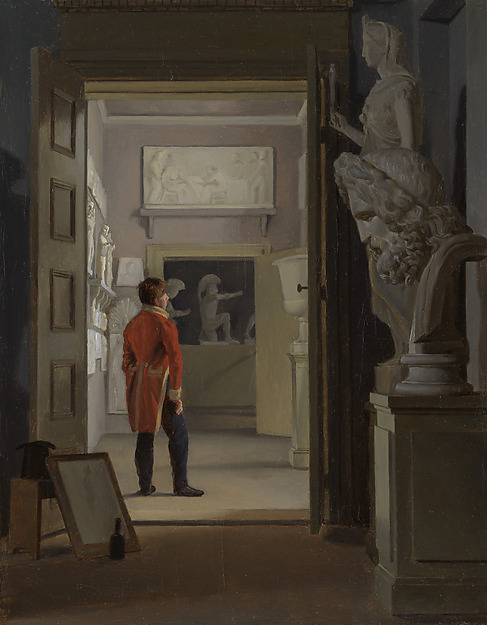
The Met credits Adam August Müller as the artist of The Hall of Antiquities at Charlottenborg Palace, Copenhagen, dated 1830. The museum records its format as “Painting” and its medium as “Oil on canvas.” Its collection record identifies the artist as “Danish, Copenhagen 1811–1844 Copenhagen.”
Artist 15 of 30
E. Ryder
British
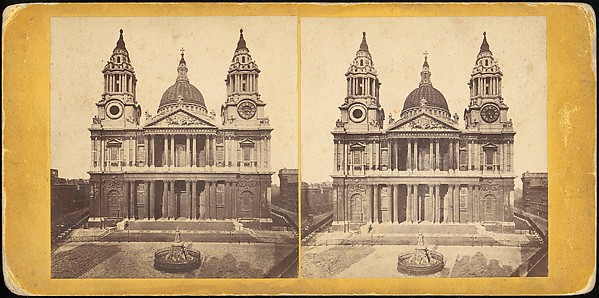
The Met credits E. Ryder as the artist of St. Paul's Cathedral, London, dated 1850s–1910s. The museum records its format as “Stereographs” and its medium as “Albumen silver prints.” Its collection record identifies the artist as “British.”
Its subjects include architecture, churches.
Artist 16 of 30
Feng Langgong
Chinese,
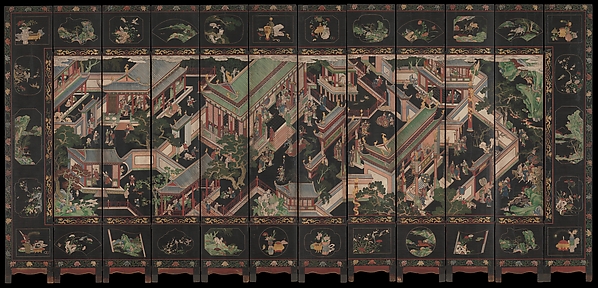
The Met credits Feng Langgong as the artist of Palace Scene, dated datable to 1689–1690. The museum records its format as “Screen” and its medium as “Twelve-panel folding screen; wood, painted, lacquered and with gilt.” Its collection record identifies the artist as “Chinese.”
Artist 17 of 30
Filippo Mochi
Italian, active 18th century
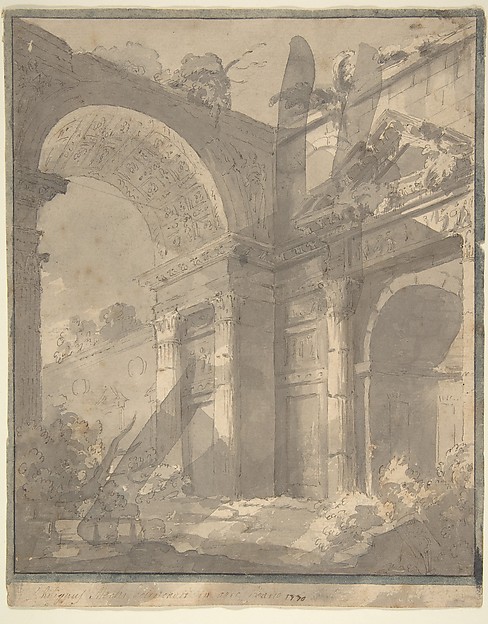
The Met credits Filippo Mochi as the artist of View of Ancient Roman Ruins, an Arch and a Triangular-Pedimented Doorway, dated 18th century. The museum records its format as “Drawing” and its medium as “Pen and brown ink, brush and gray wash and leadpoint; framed outlines in black ink and blue wash.” Its collection record identifies the artist as “Italian, active 18th century.”
Its subjects include arches.
Artist 18 of 30
Alfred Copestick
ca. 1837–1859
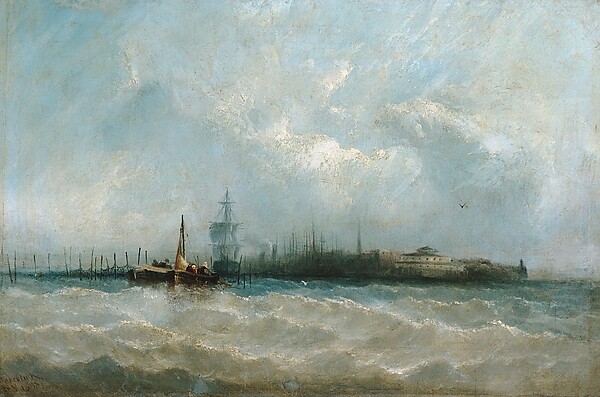
The Met credits Alfred Copestick as the artist of New York from the Harbor Showing the Battery and Castle Garden, dated 1858. The museum records its format as “Painting” and its medium as “Oil on canvas.” Its collection record identifies the artist as “ca. 1837–1859.”
Artist 19 of 30
Lucy Trask Barnard
1800–1896
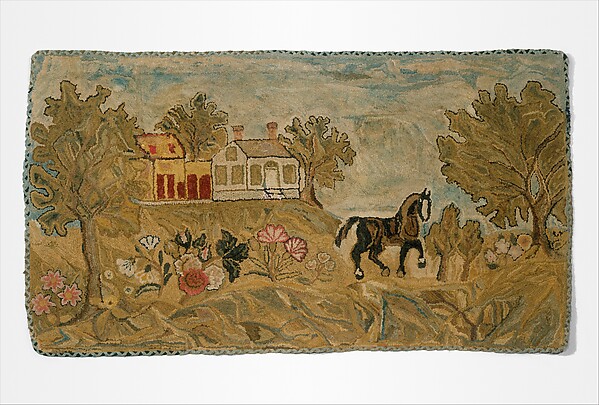
The Met credits Lucy Trask Barnard as the maker of Hooked Rug, dated ca. 1860. The museum records its format as “Rug” and its medium as “Wool.” Its collection record identifies the artist as “1800–1896.”
Its subjects include houses.
Artist 20 of 30
Domenico dalle Greche
Italian, active 1543–58
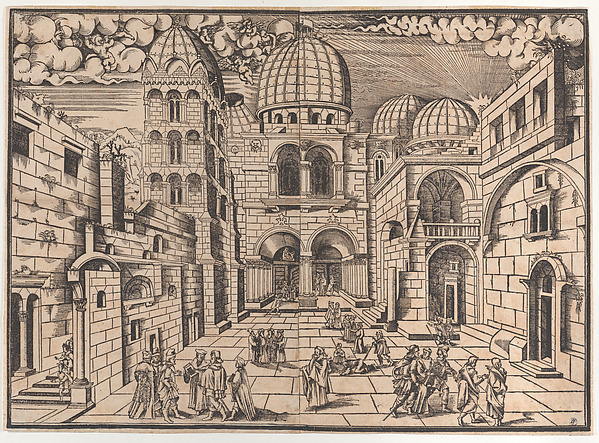
The Met credits Domenico dalle Greche as the artist of The Church of the Holy Sepulchre, Jerusalem, dated ca. 1546. The museum records its format as “Print” and its medium as “Woodcut.” Its collection record identifies the artist as “Italian, active 1543–58.”
Artist 21 of 30
Henry Thomas Wood
British
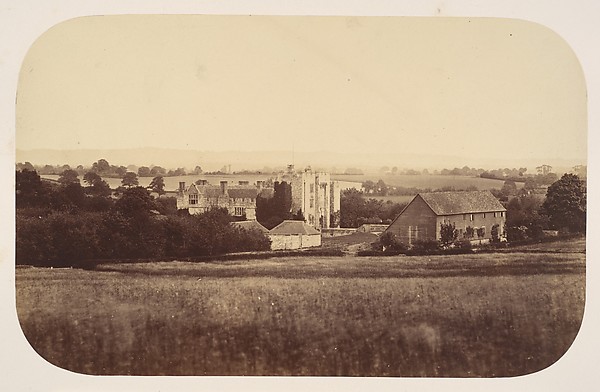
The Met credits Henry Thomas Wood as the artist of Hever Castle, Kent, dated 1857. The museum records its format as “Photograph” and its medium as “Albumen silver print.” Its collection record identifies the artist as “British.”
Its subjects include architecture, castles, houses.
Artist 22 of 30
G.V. Bijlaer
Dutch
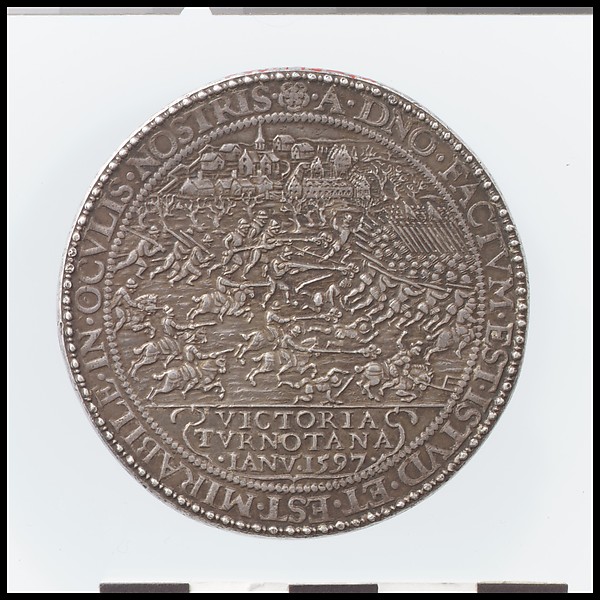
The Met credits G.V. Bijlaer as the maker of Siege of Turnhout, dated 1597. The museum records its format as “Medal” and its medium as “Silver.” Its collection record identifies the artist as “Dutch.”
Its subjects include houses.
Artist 23 of 30
Alvaro Pirez
Portuguese, Évora, active 1411–34 Italy
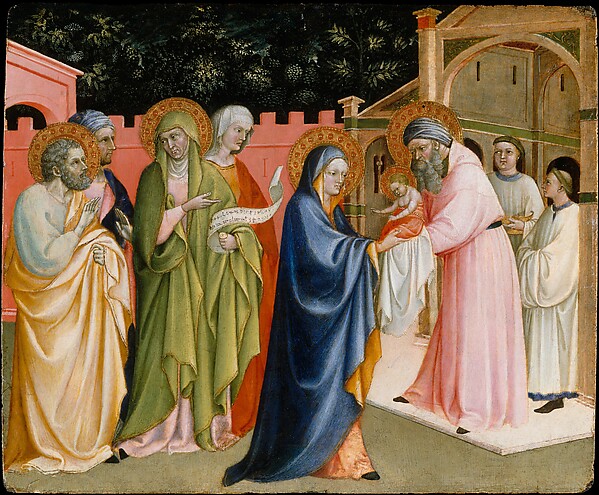
The Met credits Alvaro Pirez as the artist of The Presentation in the Temple, dated ca. 1405–15. The museum records its format as “Painting” and its medium as “Tempera and gold on wood.” Its collection record identifies the artist as “Portuguese, Évora, active 1411–34 Italy.”
Artist 24 of 30
Kōami Shinzaburō
active second half of the 18th century
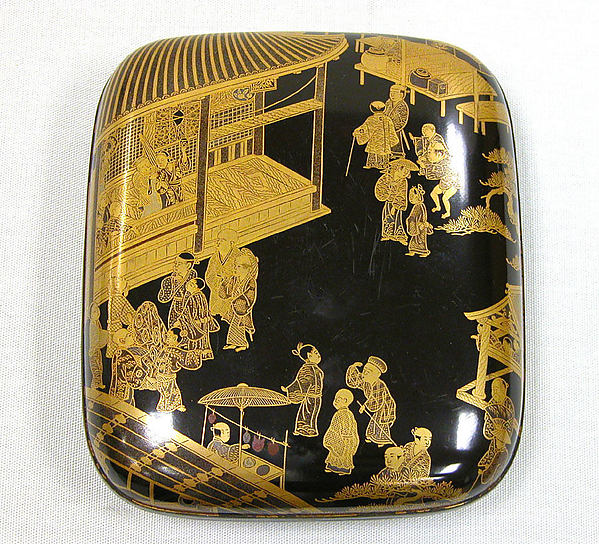
The Met credits Kōami Shinzaburō as the artist of Small Box (Kobako) with Kyōgen Theater Scene at Mibu Temple in Kyoto, dated ca. second half of the18th century. The museum records its format as “Incense box” and its medium as “Lacquered wood with gold, silver, and red togidashimaki-e on black ground.” Its collection record identifies the artist as “active second half of the 18th century.”
Its subjects include houses.
Artist 25 of 30
Charles Wickes
British, active 1853–59
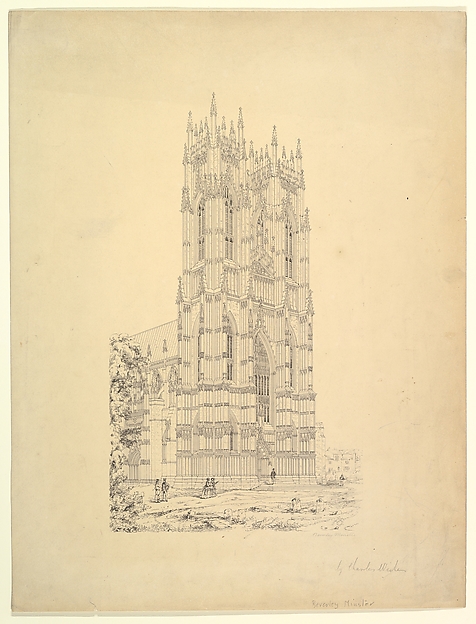
The Met credits Charles Wickes as the artist of The Beverley Minster, Yorkshire, England, Perspective View of the West Façade, dated 1850–59. The museum records its format as “Drawing; Ornament and architecture” and its medium as “Pen and black ink.” Its collection record identifies the artist as “British, active 1853–59.”
Its subjects include churches.
Artist 26 of 30
Giovanni Andrea Castelli
Italian, active in Bologna first half 17th century
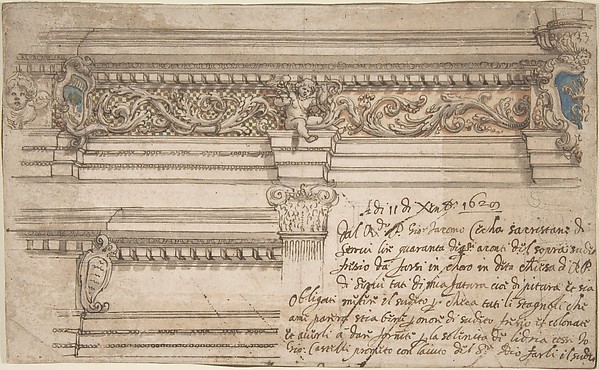
The Met credits Giovanni Andrea Castelli as the artist of Design for Painted Corner and Frieze of the Choir in the Church of the Servi in Bologna, dated December 11, 1629. The museum records its format as “Drawing” and its medium as “Pen and brown ink, brush and blue, green, orange and brown wash over traces of black chalk.” Its collection record identifies the artist as “Italian, active in Bologna first half 17th century.”
Its subjects include architecture.
Artist 27 of 30
H. Ansted
British, active 1824–26
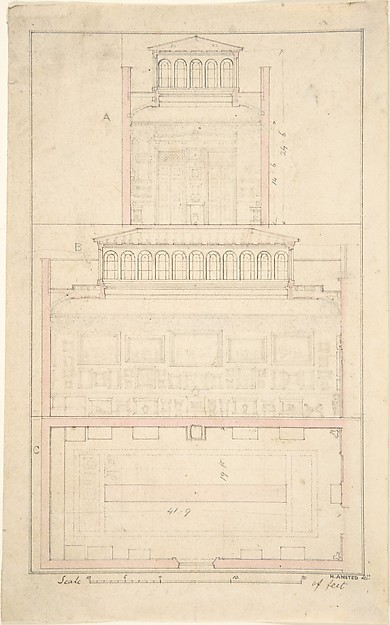
The Met credits H. Ansted as the artist of Mansion of Thomas Hope, Flemish Picture Gallery, dated ca. 1824. The museum records its format as “Drawing ; Ornament and architecture” and its medium as “Graphite, pen and ink and watercolor.” Its collection record identifies the artist as “British, active 1824–26.”
Its subjects include architecture, houses.
Artist 28 of 30
Shōsai Ikkei
Japanese, active ca. 1870
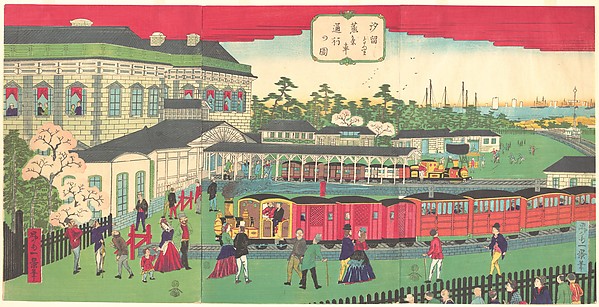
The Met credits Shōsai Ikkei as the artist of Print, dated ca. 1870. The museum records its format as “Print” and its medium as “One sheet of a triptych of woodblock prints; ink and color on paper.” Its collection record identifies the artist as “Japanese, active ca. 1870.”
Its subjects include buildings.
Artist 29 of 30
Johann Georg Dürschner
German, 19th century
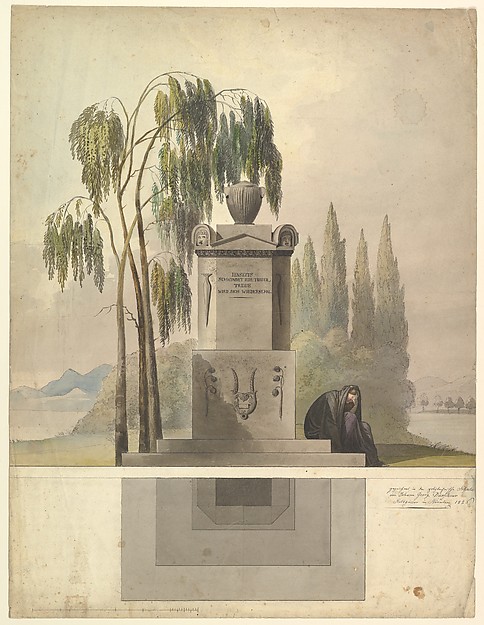
The Met credits Johann Georg Dürschner as the artist of Design for a Tomb, Rothgeisser in Nuremberg (Elevation and Ground Plan), dated 1826. The museum records its format as “Drawing Ornament & Architecture” and its medium as “Pen and black ink, brush and green, blue, black, gray and purple watercolor.” Its collection record identifies the artist as “German, 19th century.”
Artist 30 of 30
William Henry Pigou
British, 1818–1858
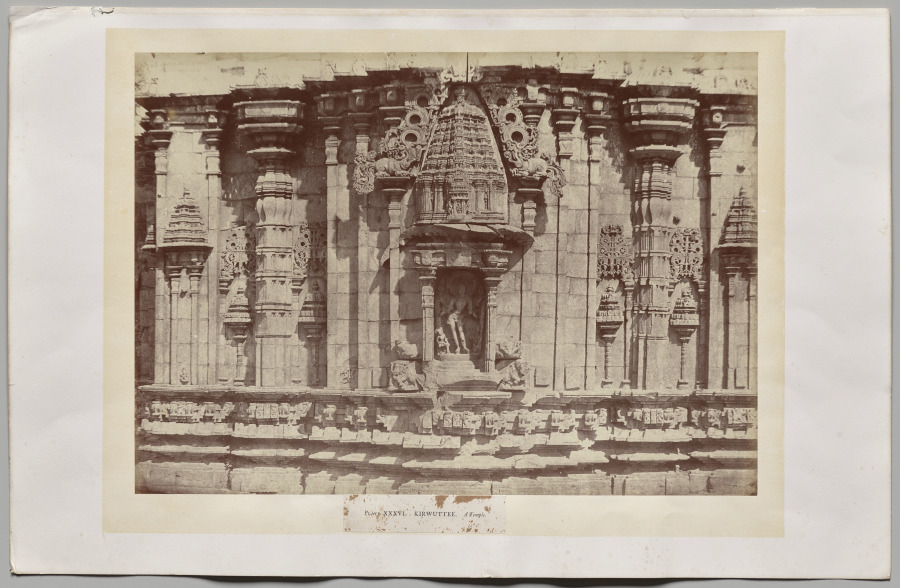
The Cleveland Museum of Art credits William Henry Pigou as artist of Kirwuttee, A Temple, India, dated c. 1857. The museum records its format as “Photograph” and its medium as “albumen print from paper negative.” The creator record gives this identity context: “British, 1818–1858.”