Beyond Familiar Names · Subject 05 of 20 · 30 artists
Work becomes visible through the meeting of a body, a tool, and a task. Sometimes the useful detail is a hand at work; elsewhere it is the organization of a market, a workshop, or a field. These thirty artists introduce different ways to examine labor and exchange through selected objects and images. Notice who performs the action and who watches it, how materials are arranged, and whether the setting leaves space for rest. A carefully depicted occupation may still reveal only part of a working life.
A 4½-minute gallery film featuring all 30 artists in this chapter. Music and artwork credits appear in the film and below.
Film soundtrack: Artists by Medium 05 - The Traveling Line — an existing original instrumental from the Incoprea library, created with Suno under the owner’s Premier subscription.
Looking closely
Notice which tools, actions, and surroundings make an occupation visible.
Explore the 20 subjects
- 01. Faces and Identities
- 02. Bodies and Gesture
- 03. Childhood and Family
- 04. Rooms and Daily Life
- 05. Work and Trade
- 06. Streets and City Life
- 07. Architecture and Built Space
- 08. Land and Sky
- 09. Water and Voyages
- 10. Plants and Gardens
- 11. Animals and Other Creatures
- 12. Dress and Self-Presentation
- 13. Music, Theatre and Dance
- 14. Sacred Stories and Devotion
- 15. Myth, Allegory and Fantasy
- 16. Power, Conflict and Public Memory
- 17. Books, Words and Knowledge
- 18. Pattern and Ornament
- 19. Vessels and Useful Beauty
- 20. Small Treasures and Keepsakes
The 30 artists in this chapter
- Alexandre-Louis-Marie Charpentier
- Ann Gardner
- John Ridgway
- Pietro Semplicini
- George Reynolds
- Domenico da Sera
- Adachi Ginkō
- Frédéric Charles Victor de Vernon
- Ralph Wood the Younger
- Kajita Hanko
- Pietro Bandiera
- Toby E. Rosenthal
- Charles Frederick Ulrich
- Hishikawa Moronobu
- Robert Howlett
- Robert Frederick Blum
- Edgar Melville Ward
- Peter Henry Emerson
- Adolf Jossifowitsch Charlemagne
- Thomas Hovenden
- Utagawa (Gountei) Sadahide
- Henry Alexander
- Adriaen van der Cabel
- Anna Claypoole Peale
- Robert Boissard
- Zhao Yong
- John Sloan
- Edwin Kaufman
- Samuel H. Crone
- François Bonvin
Artist 01 of 30
Alexandre-Louis-Marie Charpentier
French, Paris 1856–1909 Neuilly
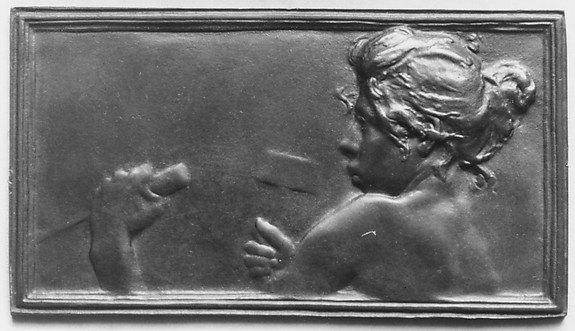
The Met credits Alexandre-Louis-Marie Charpentier as the artist of Nude bust of a girl vigorously sculpting a marble block (La Sculpture), dated before 1903. The museum records its format as “Plaquette” and its medium as “Bronze, cast, single.” Its collection record identifies the artist as “French, Paris 1856–1909 Neuilly.”
Its subjects include work.
Artist 02 of 30
Ann Gardner
1755–1836
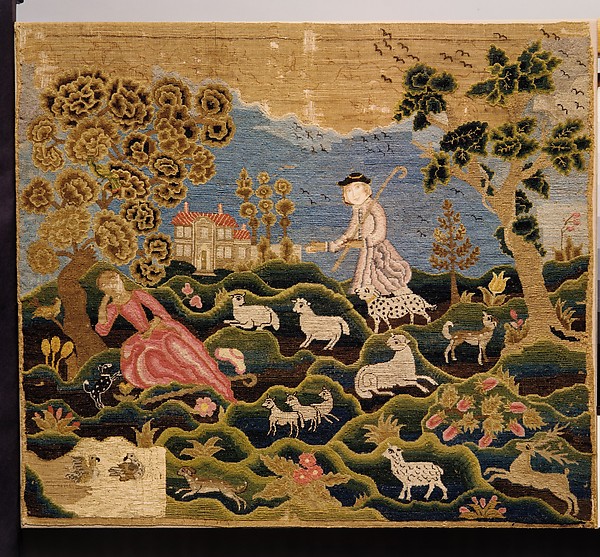
The Met credits Ann Gardner as the maker of Shepherd and Shepherdess, dated ca. 1770. The museum records its format as “Embroidered picture” and its medium as “Linen embroidered with wool and silk threads; decorated with paper.” Its collection record identifies the artist as “1755–1836.”
Artist 03 of 30
John Ridgway
active ca. 1830–40
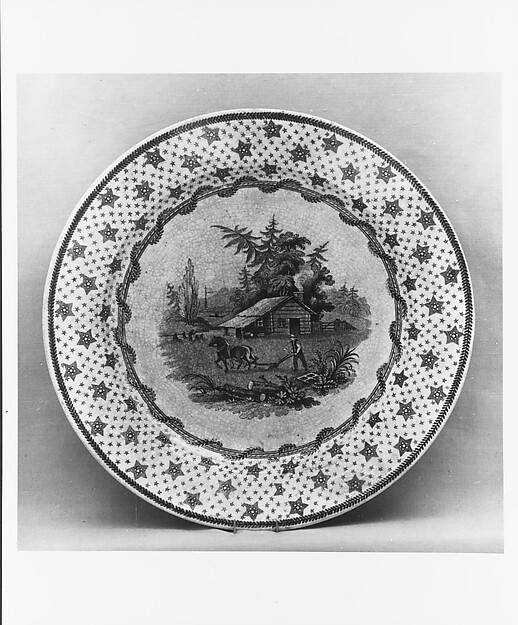
The Met credits John Ridgway as the maker of Columbian Star/ 444/ Oct. 28th 1840/ In Ridgway, dated ca. 1839–ca. 1840. The museum records its format as “Plate” and its medium as “Earthenware, transfer-printed.” Its collection record identifies the artist as “active ca. 1830–40.”
Its subjects include farmers.
Artist 04 of 30
Pietro Semplicini
Italian, active 1850s–90s
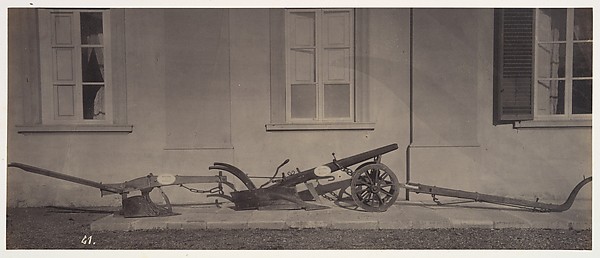
The Met credits Pietro Semplicini as the artist of Fissore’s Plow from Tortona, Plow from Parma, dated 1861. The museum records its format as “Photograph” and its medium as “Albumen silver print from collodion negative.” Its collection record identifies the artist as “Italian, active 1850s–90s.”
Its subjects include tools.
Artist 05 of 30
George Reynolds
American, active New York, 1866–86
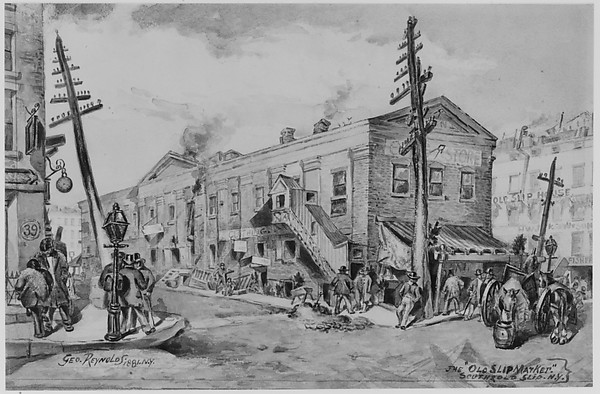
The Met credits George Reynolds as the artist of The Old Slip Market, dated 1881. The museum records its format as “Watercolor” and its medium as “Watercolor and graphite on paper.” Its collection record identifies the artist as “American, active New York, 1866–86.”
Its subjects include markets.
Artist 06 of 30
Domenico da Sera
French, active Italy, 16th century
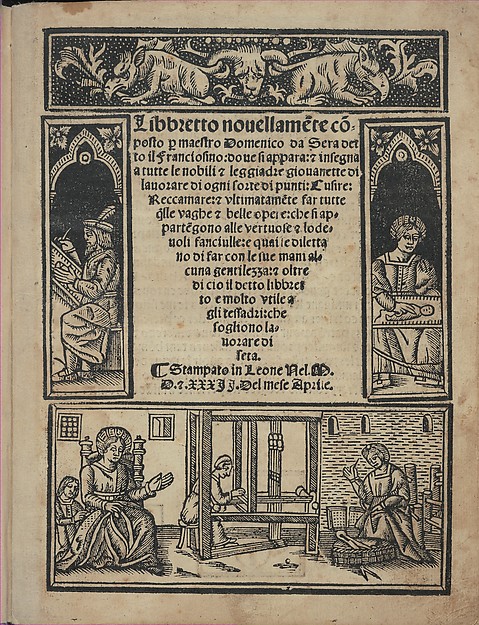
The Met credits Domenico da Sera as the artist of Libbretto nouellamete composto per maestro Domenico da Sera..lauorare di ogni sorte di punti, title page (recto), dated April 12, 1532. The museum records its format as “Books Prints Ornament & Architecture” and its medium as “Woodcut.” Its collection record identifies the artist as “French, active Italy, 16th century.”
Its subjects include work.
Artist 07 of 30
Adachi Ginkō
Japanese, 1853–1902
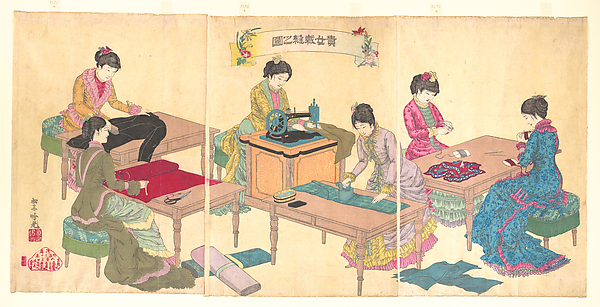
The Met credits Adachi Ginkō as the artist of Ladies Sewing (Kijo saihō no zu), dated September 3rd, 1887. The museum records its format as “Print” and its medium as “Triptych of woodblock prints (nishiki-e); ink and color on paper.” Its collection record identifies the artist as “Japanese, 1853–1902.”
Artist 08 of 30
Frédéric Charles Victor de Vernon
French, Paris 1858–1912 Paris
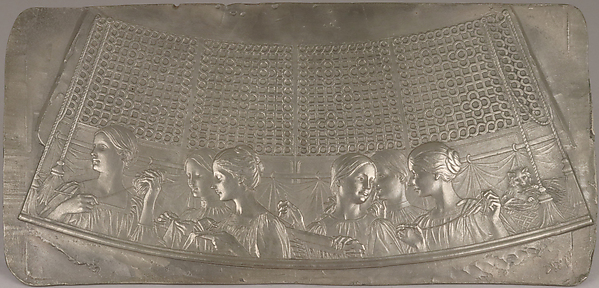
The Met credits Frédéric Charles Victor de Vernon as the artist of Relief moulded metal plaque for sewing box, dated ca. 1900. The museum records its format as “Plaque” and its medium as “Electrotype: nickel over copper.” Its collection record identifies the artist as “French, Paris 1858–1912 Paris.”
Artist 09 of 30
Ralph Wood the Younger
British, Burslem 1748–1795 Burslem
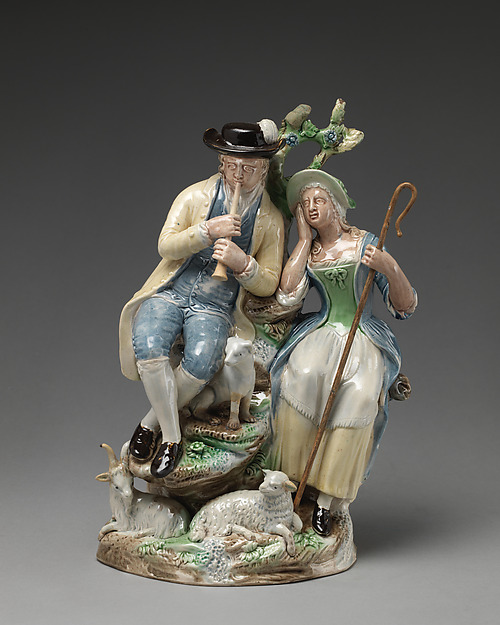
The Met credits Ralph Wood the Younger as the maker of Shepherds, dated ca. 1770. The museum records its format as “Group” and its medium as “Lead-glazed earthenware.” Its collection record identifies the artist as “British, Burslem 1748–1795 Burslem.”
Artist 10 of 30
Kajita Hanko
Japanese, 1870–1917
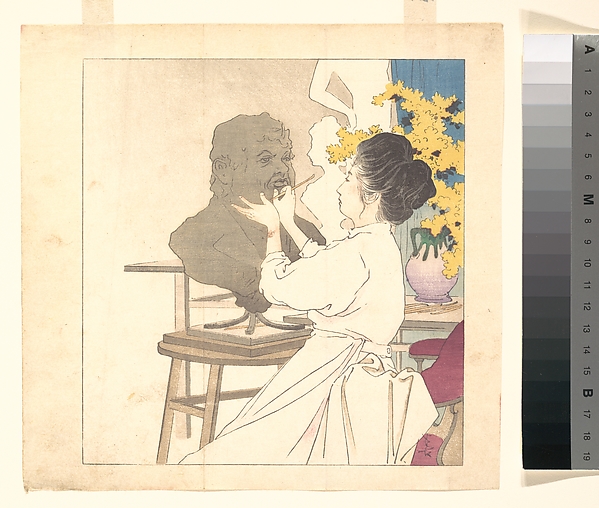
The Met credits Kajita Hanko as the artist of Print, dated ca. 1906. The museum records its format as “Print” and its medium as “Woodblock print; ink and color on paper.” Its collection record identifies the artist as “Japanese, 1870–1917.”
Its subjects include work.
Artist 11 of 30
Pietro Bandiera
Italian, documented 1796
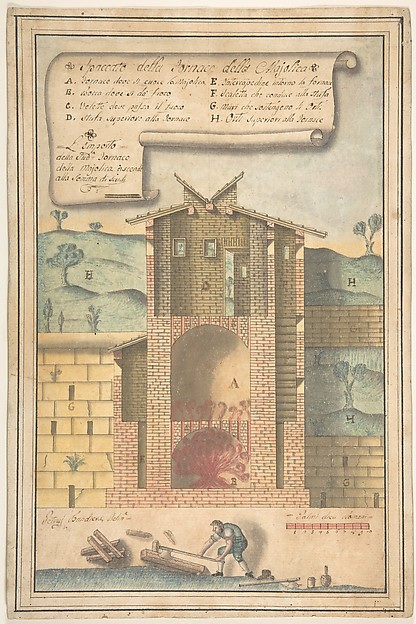
The Met credits Pietro Bandiera as the artist of Section of a Kiln for the Production of Majolika, dated ca. 1796. The museum records its format as “Ornament and architecture” and its medium as “Pen and brown ink with colored washes, over traces of leadpoint.” Its collection record identifies the artist as “Italian, documented 1796.”
Its subjects include work.
Artist 12 of 30
Toby E. Rosenthal
1848–1917
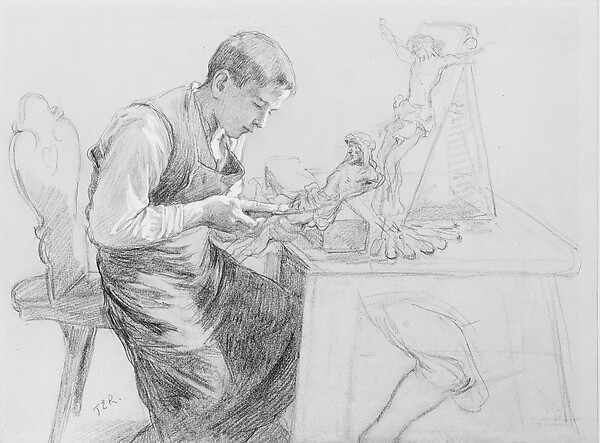
The Met credits Toby E. Rosenthal as the artist of Study of a Boy Carving a Crucifix, dated ca. 1908. The museum records its format as “Drawing” and its medium as “Graphite with white gouache on green wove paper.” Its collection record identifies the artist as “1848–1917.”
Its subjects include work.
Artist 13 of 30
Charles Frederick Ulrich
1858–1908
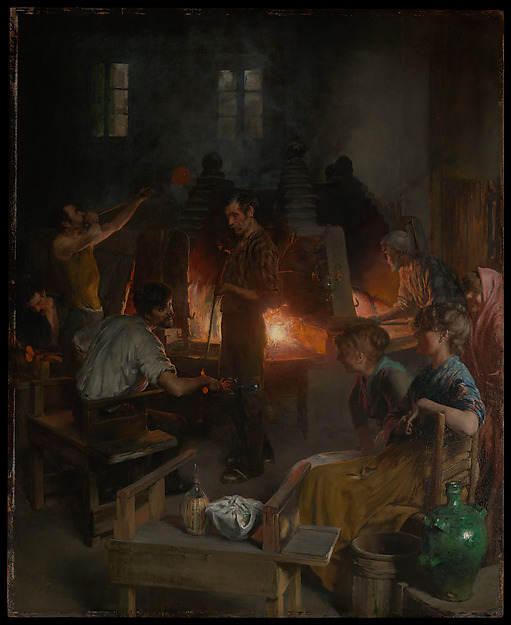
The Met credits Charles Frederick Ulrich as the artist of Glass Blowers of Murano, dated 1886. The museum records its format as “Painting” and its medium as “Oil on wood.” Its collection record identifies the artist as “1858–1908.”
Its subjects include work.
Artist 14 of 30
Hishikawa Moronobu
Japanese, 1618–1694
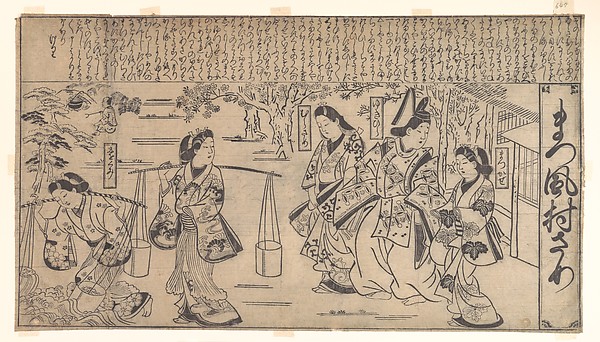
The Met credits Hishikawa Moronobu as the artist of Matsukaze Murasame, dated ca. 1675–80. The museum records its format as “Print” and its medium as “Woodblock print; ink and color on paper (sumi-e (ink print).” Its collection record identifies the artist as “Japanese, 1618–1694.”
Its subjects include work.
Artist 15 of 30
Robert Howlett
British, 1831–1858
![[Men at Work Beside the Launching Chains of the "Great Eastern"] — Robert Howlett](https://images.metmuseum.org/CRDImages/ph/web-large/DP275749.jpg)
The Met credits Robert Howlett as the artist of [Men at Work Beside the Launching Chains of the "Great Eastern"], dated November 18, 1857. The museum records its format as “Photograph” and its medium as “Albumen silver print from glass negative.” Its collection record identifies the artist as “British, 1831–1858.”
Its subjects include work.
Artist 16 of 30
Robert Frederick Blum
American, Cincinnati, Ohio 1857–1903 New York
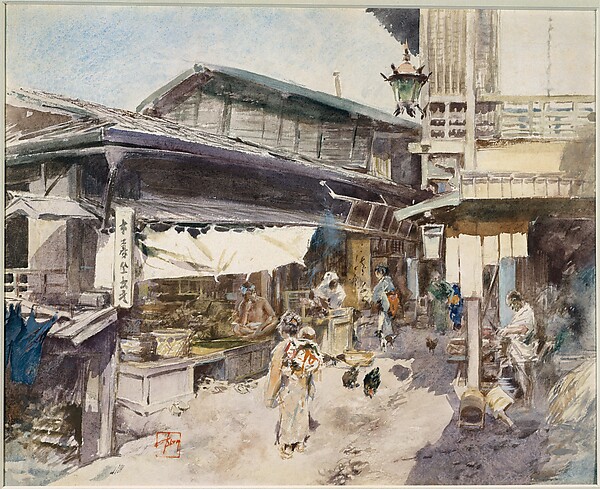
The Met credits Robert Frederick Blum as the artist of Street Scene in Ikao, Japan. The museum records its format as “Watercolor” and its medium as “Watercolor, gouache, and graphite on off-white wove paper.” Its collection record identifies the artist as “American, Cincinnati, Ohio 1857–1903 New York.”
Its subjects include markets.
Artist 17 of 30
Edgar Melville Ward
1839–1915
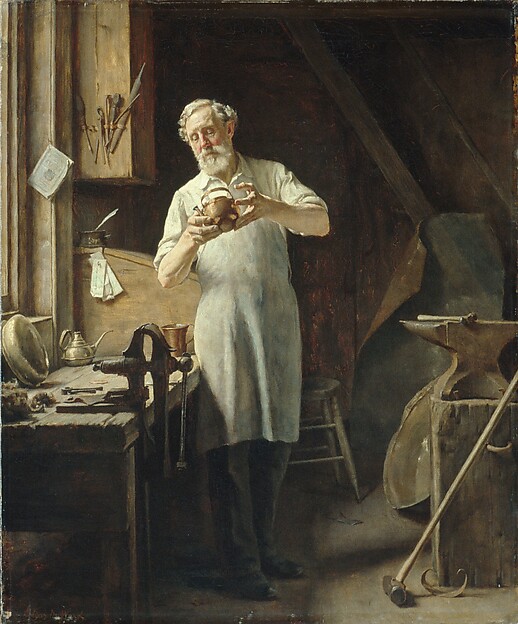
The Met credits Edgar Melville Ward as the artist of The Coppersmith, dated ca. 1898. The museum records its format as “Painting” and its medium as “Oil on canvas.” Its collection record identifies the artist as “1839–1915.”
Its subjects include work.
Artist 18 of 30
Peter Henry Emerson
British (born Cuba), 1856–1936
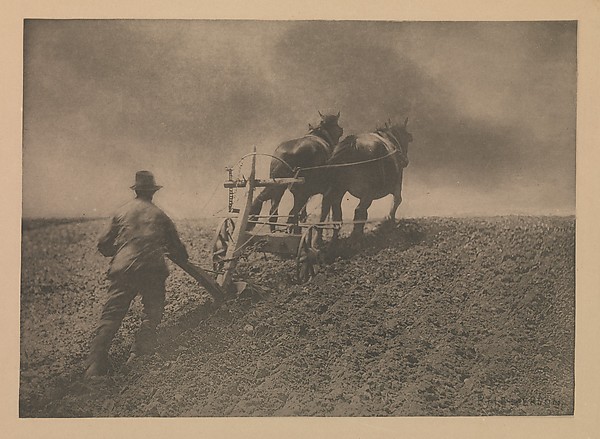
The Met credits Peter Henry Emerson as the artist of A Stiff Pull, dated 1880s, printed 1887. The museum records its format as “Photomechanical print” and its medium as “Photogravure.” Its collection record identifies the artist as “British (born Cuba), 1856–1936.”
Its subjects include farmers.
Artist 19 of 30
Adolf Jossifowitsch Charlemagne
Russian, 1826–1901
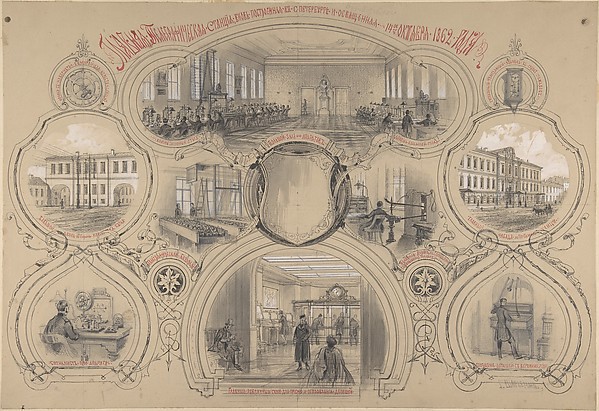
The Met credits Adolf Jossifowitsch Charlemagne as the artist of The main telegraph office newly built in St. Petersburg and opened 14 October 1862, dated 1862. The museum records its format as “Drawing” and its medium as “Graphite, pen and black ink, gouache, and gray wash.” Its collection record identifies the artist as “Russian, 1826–1901.”
Its subjects include work.
Artist 20 of 30
Thomas Hovenden
American (born Ireland), Dunmanway 1840–1895 Plymouth Meeting, Pennsylvania
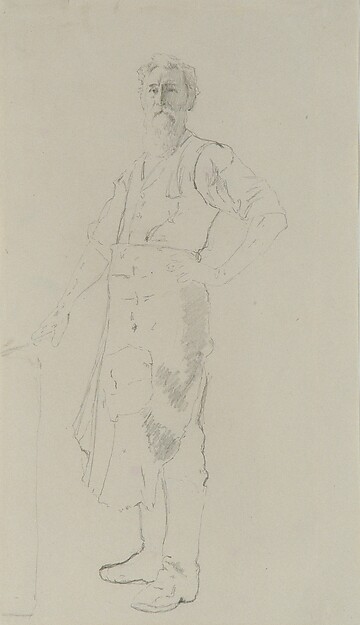
The Met credits Thomas Hovenden as the artist of The Village Blacksmith, dated ca. 1885. The museum records its format as “Drawing” and its medium as “Graphite on off-white wove paper.” Its collection record identifies the artist as “American (born Ireland), Dunmanway 1840–1895 Plymouth Meeting, Pennsylvania.”
Its subjects include blacksmiths.
Artist 21 of 30
Utagawa (Gountei) Sadahide
Japanese, 1807–1873
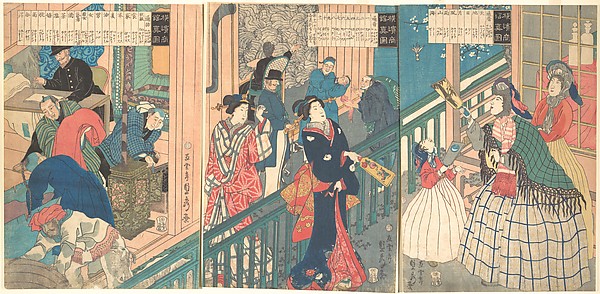
The Met credits Utagawa (Gountei) Sadahide as the artist of A True View of a Trading House of a Yokohama Merchant, dated 1861. The museum records its format as “Print” and its medium as “Triptych of woodblock prints (nishiki-e); ink and color on paper; vertical ōban.” Its collection record identifies the artist as “Japanese, 1807–1873.”
Its subjects include work.
Artist 22 of 30
Henry Alexander
1860–1894
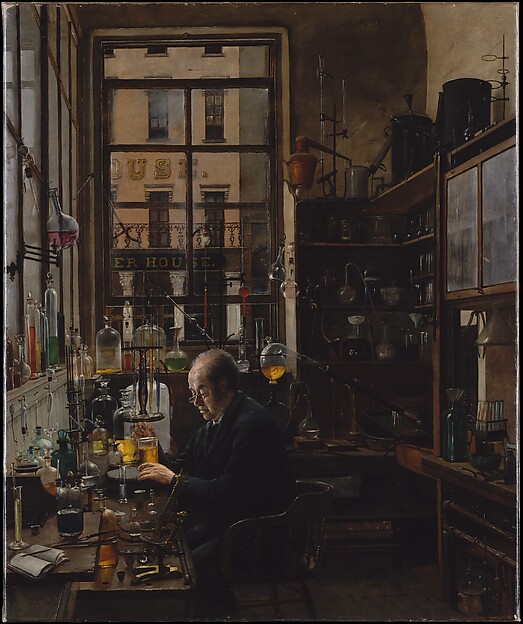
The Met credits Henry Alexander as the artist of In the Laboratory, dated ca. 1885–87. The museum records its format as “Painting” and its medium as “Oil on canvas.” Its collection record identifies the artist as “1860–1894.”
Its subjects include work.
Artist 23 of 30
Adriaen van der Cabel
Dutch, Rijswijk 1631–1705 Lyon
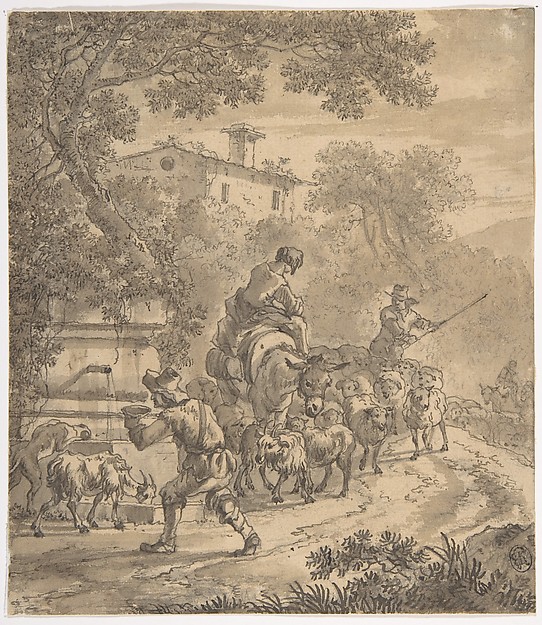
The Met credits Adriaen van der Cabel as the artist of Landscape with Shepherds and their Flock, dated n.d. The museum records its format as “Drawing” and its medium as “pen and brown ink and brown wash over graphite.” Its collection record identifies the artist as “Dutch, Rijswijk 1631–1705 Lyon.”
Artist 24 of 30
Anna Claypoole Peale
1791–1878
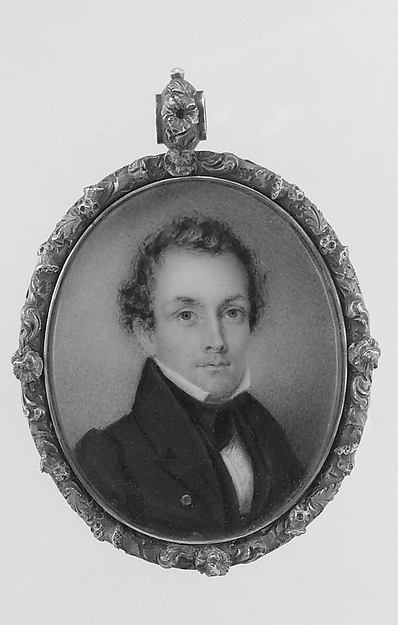
The Met credits Anna Claypoole Peale as the artist of George Weaver, dated 1833. The museum records its format as “Painting, miniature” and its medium as “Watercolor on ivory.” Its collection record identifies the artist as “1791–1878.”
Artist 25 of 30
Robert Boissard
French, born Valence, ca. 1591
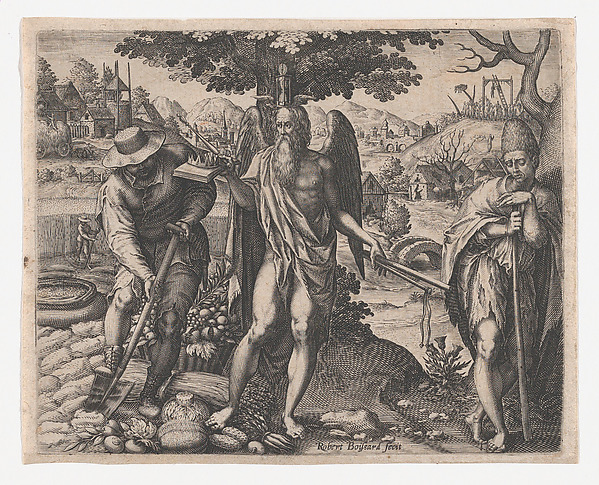
The Met credits Robert Boissard as the artist of Time Rewarding Work and Punishing Laziness, dated 16th century. The museum records its format as “Print” and its medium as “Engraving.” Its collection record identifies the artist as “French, born Valence, ca. 1591.”
Its subjects include work.
Artist 26 of 30
Zhao Yong
Chinese, c. 1289-c. 1362
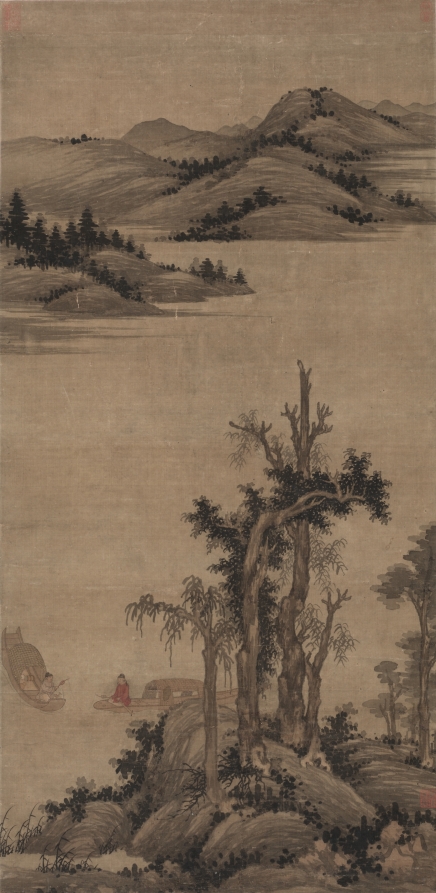
The Cleveland Museum of Art credits Zhao Yong as artist of Fishermen-Hermits in Stream and Mountain, dated 1300s. The museum records its format as “Painting” and its medium as “Hanging scroll; ink and color on silk.” The creator record gives this identity context: “Chinese, c. 1289-c. 1362.”
Two fishermen in houseboats troll hooks with rods and reels.
Artist 27 of 30
John Sloan
American, 1871–1951
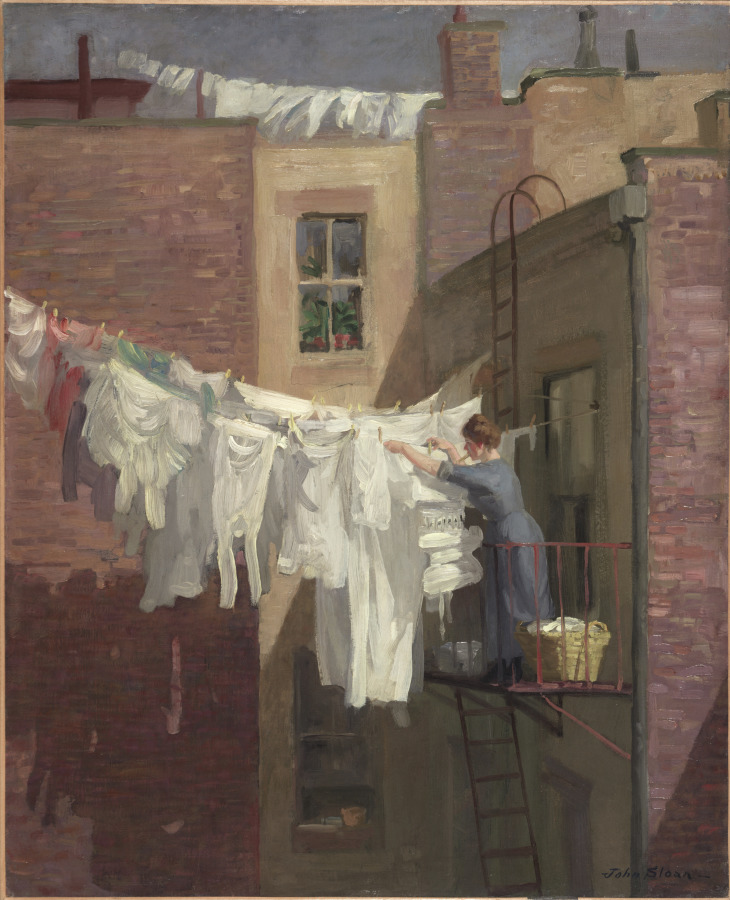
The Cleveland Museum of Art credits John Sloan as artist of A Woman's Work, dated 1912. The museum records its format as “Painting” and its medium as “oil on canvas.” The creator record gives this identity context: “American, 1871–1951.”
Sloan observed this scene of domestic work, including the woman at the fire escape, from his apartment.
Artist 28 of 30
Edwin Kaufman
American, 1906–1939
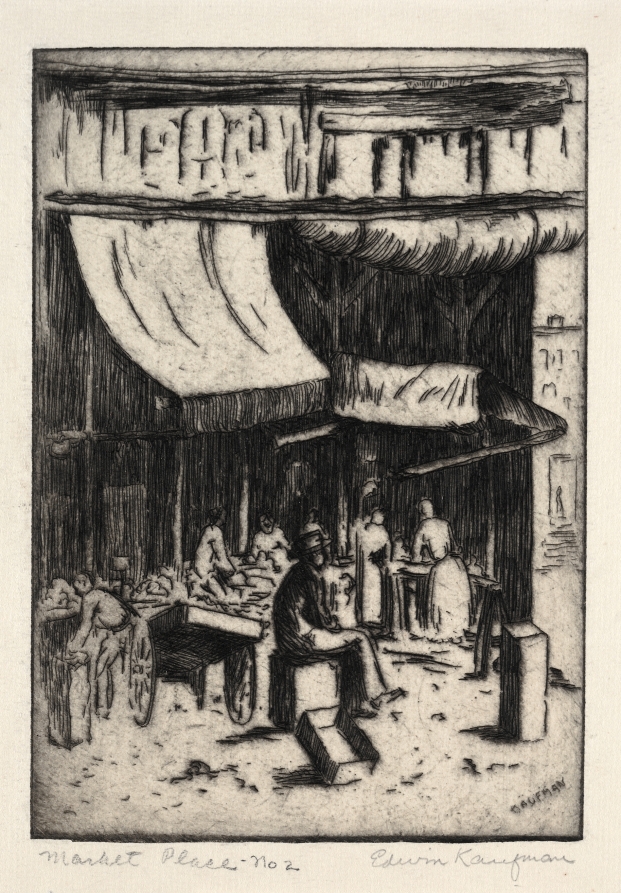
The Cleveland Museum of Art credits Edwin Kaufman as artist of Market Place, No. 2, Cleveland, Ohio, dated 1926. The museum records its format as “Print” and its medium as “etching.” The creator record gives this identity context: “American, 1906–1939.”
Vendors arrange wares on tables at the beginning of a market day, while a man rests on a crate.
Artist 29 of 30
Samuel H. Crone
American, 1858–1913
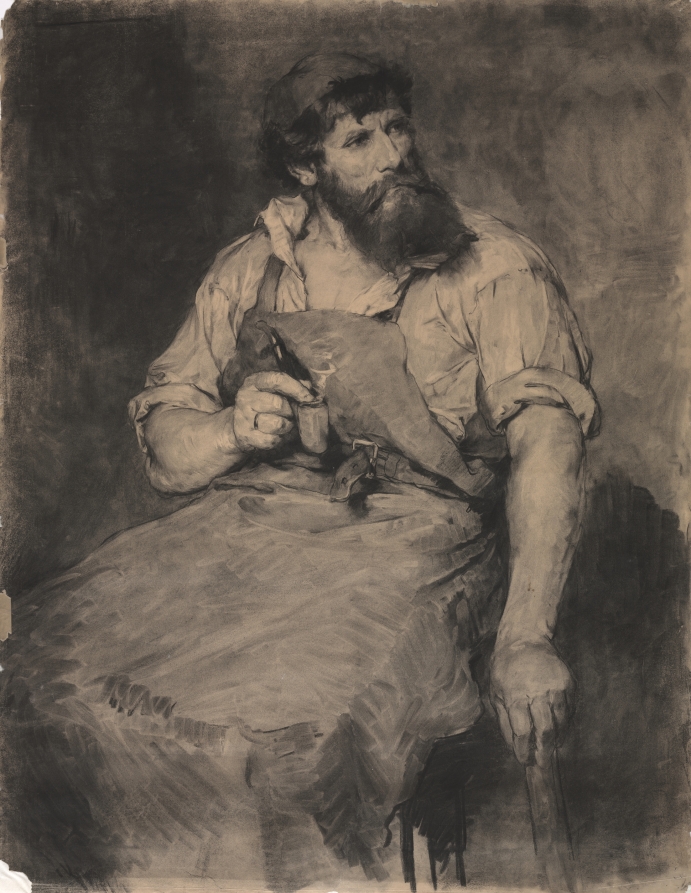
The Cleveland Museum of Art credits Samuel H. Crone as artist of Smithy, study for "Das Gericht", dated c.1883. The museum records its format as “Drawing” and its medium as “charcoal.” The creator record gives this identity context: “American, 1858–1913.”
The blacksmith is seated, wearing an apron and holding a pipe: a working figure shown at rest.
Artist 30 of 30
François Bonvin
French, 1817–1887
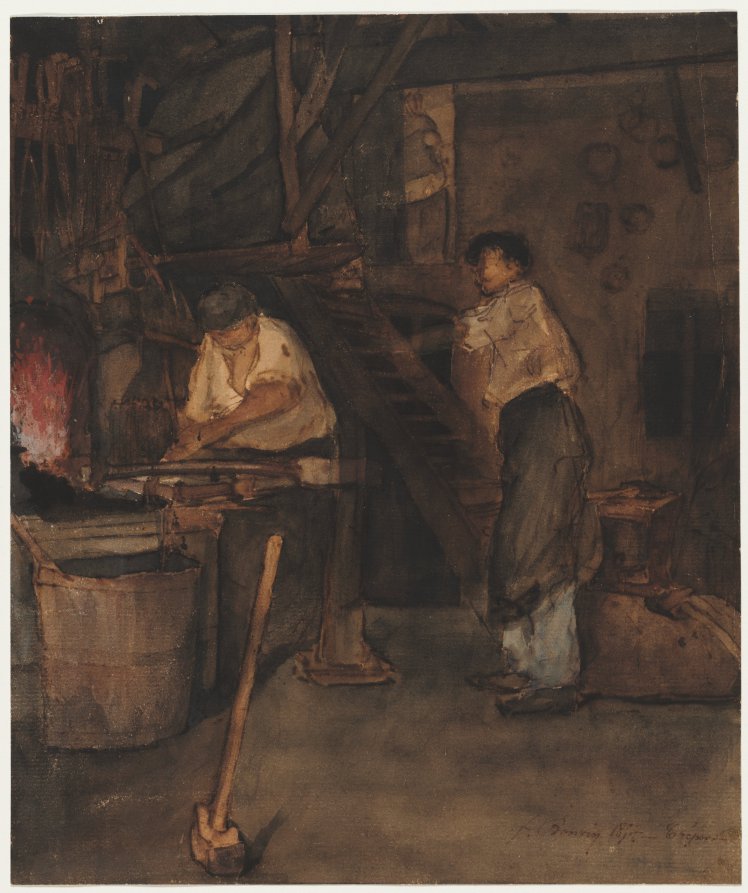
The Cleveland Museum of Art credits François Bonvin as artist of Study for The Blacksmith's Shop: Remembrance of Le Tréfort, dated 1854. The museum records its format as “Drawing” and its medium as “watercolor with gouache and iron gall ink.” The creator record gives this identity context: “French, 1817–1887.”
The drawing is a preparatory study for The Blacksmith’s Shop.


