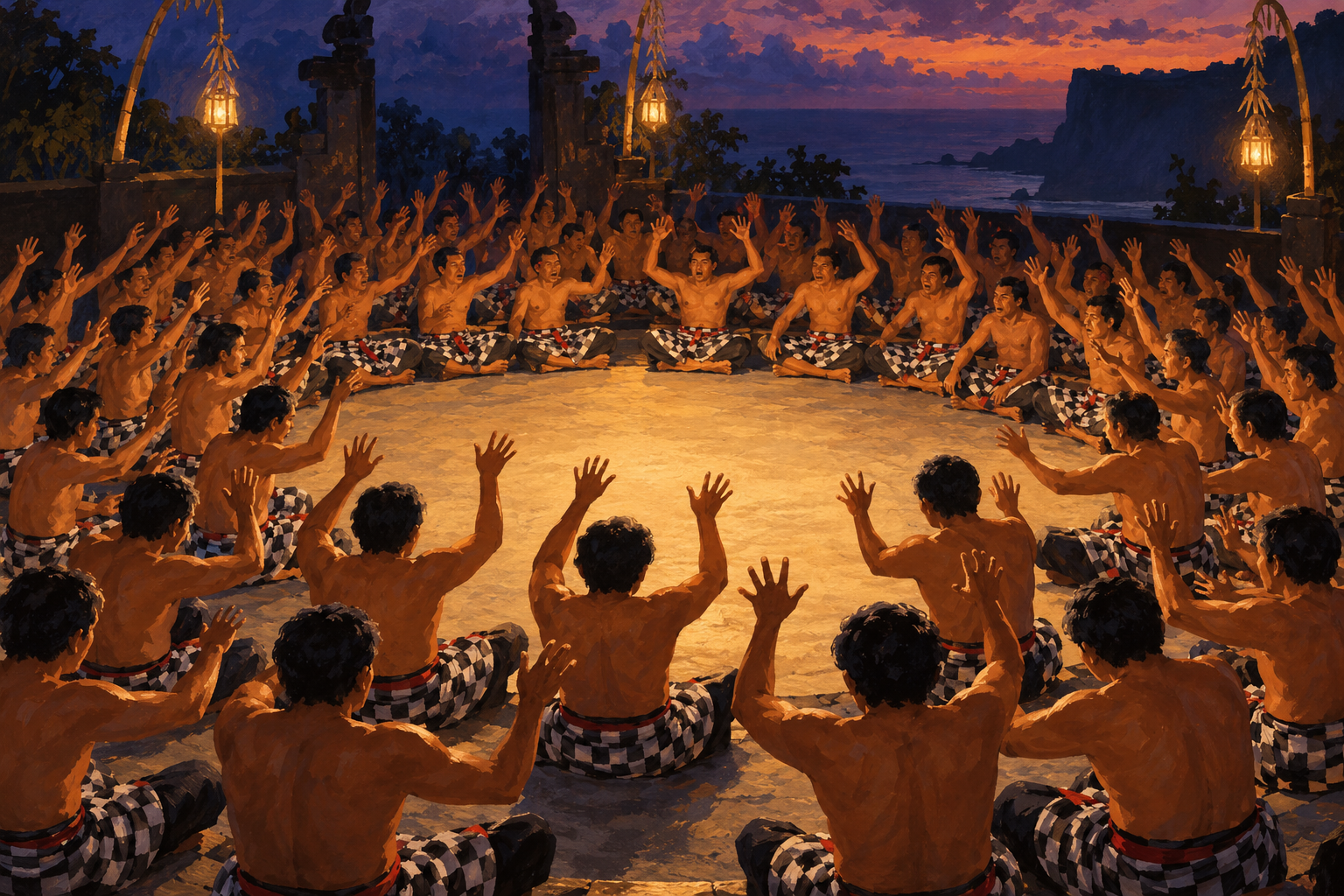
Beyond Familiar Names · Subject 15 of 20 · 30 artists
An imagined creature or inherited story still needs a visible form. Wings must join a body, an attribute must be held or placed, and an abstract idea may acquire a face. The thirty artists presented here offer selected works in which invention and recognition meet. Begin with what is shown, then use the title and source record to follow a possible narrative. Compare how ordinary details support extraordinary events. A familiar name may guide interpretation, while an unexpected gesture or setting can make the story newly curious.
A 4½-minute gallery film featuring all 30 artists in this chapter. Music and artwork credits appear in the film and below.
Film soundtrack: Artists by Medium 15 - Color Through Stone — an existing original instrumental from the Incoprea library, created with Suno under the owner’s Premier subscription.
Looking closely
Ask how the work gives visible form to an imagined being, inherited story, or abstract idea.
Explore the 20 subjects
- 01. Faces and Identities
- 02. Bodies and Gesture
- 03. Childhood and Family
- 04. Rooms and Daily Life
- 05. Work and Trade
- 06. Streets and City Life
- 07. Architecture and Built Space
- 08. Land and Sky
- 09. Water and Voyages
- 10. Plants and Gardens
- 11. Animals and Other Creatures
- 12. Dress and Self-Presentation
- 13. Music, Theatre and Dance
- 14. Sacred Stories and Devotion
- 15. Myth, Allegory and Fantasy
- 16. Power, Conflict and Public Memory
- 17. Books, Words and Knowledge
- 18. Pattern and Ornament
- 19. Vessels and Useful Beauty
- 20. Small Treasures and Keepsakes
The 30 artists in this chapter
- Pieter Coecke van Aelst
- Abel Niépce de St. Victor
- Hamano Yasuyuki
- Cornelis Floris II
- Albert E. Harnisch
- Joseph Gott
- Hu Xingju
- Francesco Bartoli
- Heinrich Vogtherr the Elder
- Isaac Liger
- Cristofano di Michele Martini (Il Robetta)
- Graziani
- G. King
- Abraham van Cuylenborch
- Charles Topino
- William J. Walley
- Maxime Du Camp
- Marie Amélie Chataigner
- Constantin Hansen
- Gert van Egen
- Jean-Baptiste Boudard
- Kurokawa Eishō
- Johann Heinrich Meissner
- Elie-Honoré Montagny
- Christoph Murer
- Charles Dominique Joseph Eisen
- Marco Marchetti (Marco da Faenza)
- Charles Meynier
- Gilles-Lambert Godecharle
- Valerio Belli
Artist 01 of 30
Pieter Coecke van Aelst
Netherlandish, Aelst 1502–1550 Brussels
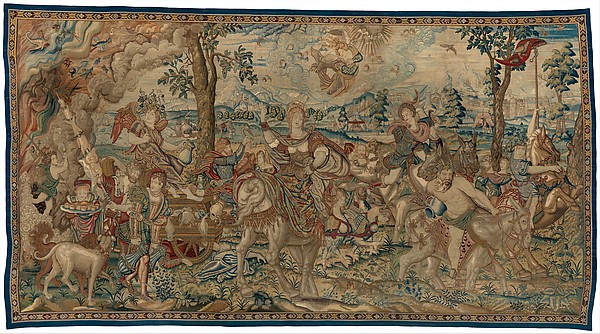
The Met credits Pieter Coecke van Aelst as the designer of Gluttony from a set of The Seven Deadly Sins, dated Between ca. 1550 and 1560. The museum records its format as “Tapestry” and its medium as “Wool, silk, silver-gilt thread 19-23 warps per inch, 8-10 per cm.” Its collection record identifies the artist as “Netherlandish, Aelst 1502–1550 Brussels.”
Its subjects include bacchus.
Artist 02 of 30
Abel Niépce de St. Victor
French, 1805–1870
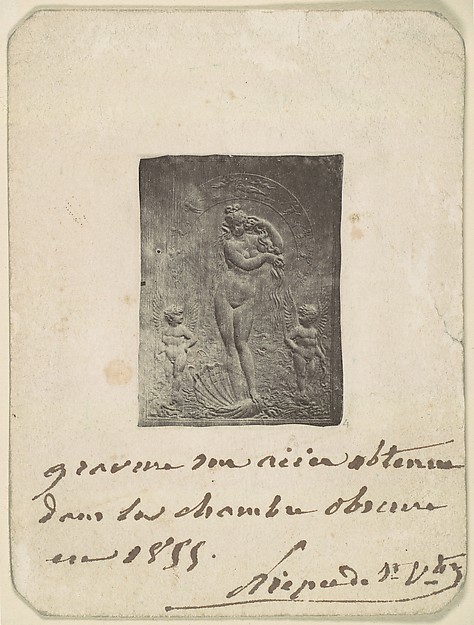
The Met credits Abel Niépce de St. Victor as the artist of The Birth of Venus, dated 1855. The museum records its format as “Photograph” and its medium as “Photogravure.” Its collection record identifies the artist as “French, 1805–1870.”
Its subjects include Venus.
Artist 03 of 30
Hamano Yasuyuki
Japanese
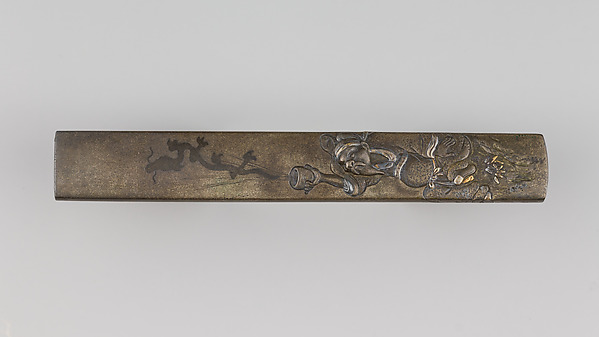
The Met credits Hamano Yasuyuki as the maker of Knife Handle (Kozuka), dated 18th century. The museum records its format as “Knife handle (Kozuka)” and its medium as “Copper-silver alloy (shibuichi), silver, gold.” Its collection record identifies the artist as “Japanese.”
Its subjects include dragons.
Artist 04 of 30
Cornelis Floris II
Netherlandish, Antwerp before 1514–1575 Antwerp

The Met credits Cornelis Floris II as the artist of Fantastic Architecture Structure with Strapwork and Two Pergolas and a Small Scene with Vulcan's Forge at the Top, dated 1557. The museum records its format as “Print; Ornament & Architecture” and its medium as “Etching and engraving.” Its collection record identifies the artist as “Netherlandish, Antwerp before 1514–1575 Antwerp.”
Its subjects include satyrs.
Artist 05 of 30
Albert E. Harnisch
American, 1843–1918
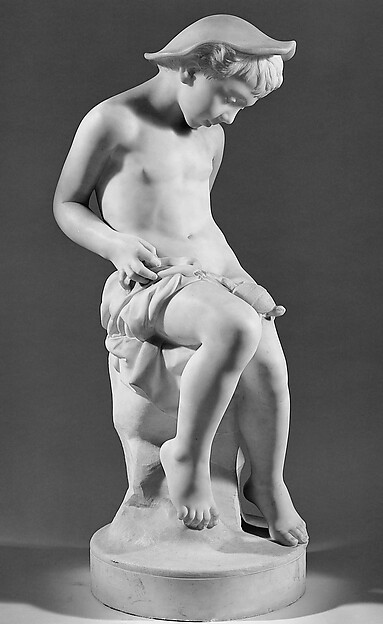
The Met credits Albert E. Harnisch as the artist of Mercury and Turtle, dated 1862; carved 1879. The museum records its format as “Sculpture” and its medium as “Marble.” Its collection record identifies the artist as “American, 1843–1918.”
Artist 06 of 30
Joseph Gott
British, Leeds 1786 – 1860 Rome
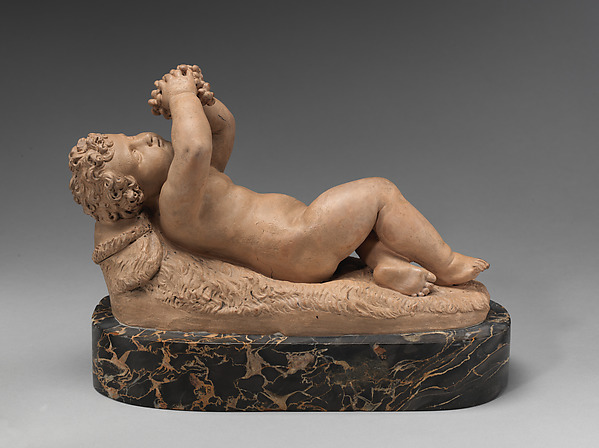
The Met credits Joseph Gott as the artist of Infant Bacchus with Grapes, dated 1824. The museum records its format as “Statuette” and its medium as “Terracotta; marble.” Its collection record identifies the artist as “British, Leeds 1786 – 1860 Rome.”
Its subjects include bacchus.
Artist 07 of 30
Hu Xingju
Chinese,
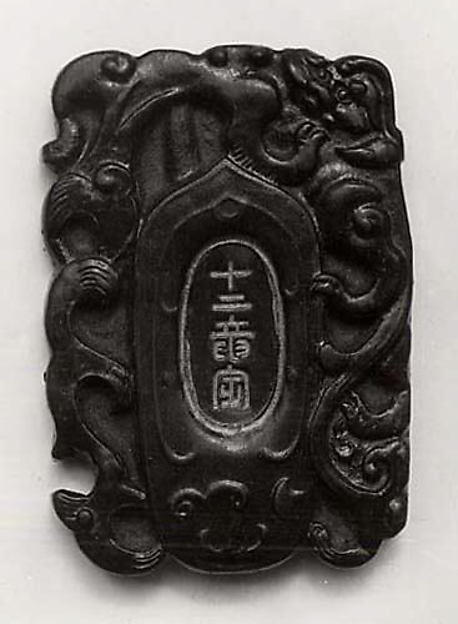
The Met credits Hu Xingju as the artist of The Twelve Dragon Guests. The museum records its format as “Ink tablet” and its medium as “Ink.” Its collection record identifies the artist as “Chinese.”
Its subjects include dragons.
Artist 08 of 30
Francesco Bartoli
Italian, born Reggio, died 1779
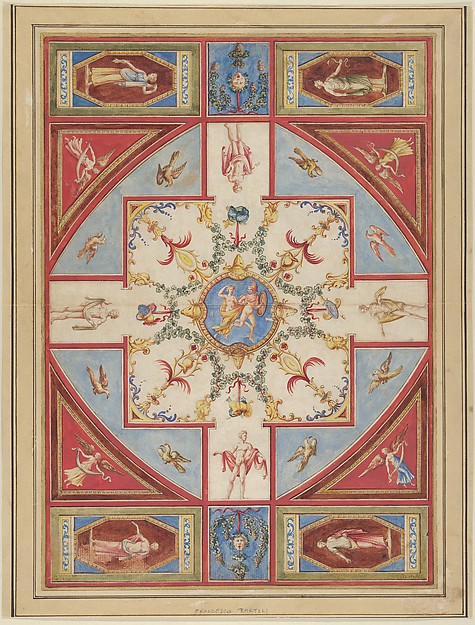
The Met credits Francesco Bartoli as the artist of Design for a Ceiling with Grotesque Decoration, dated before 1779. The museum records its format as “Drawing Ornament & Architecture” and its medium as “Pen and ink with watercolor.” Its collection record identifies the artist as “Italian, born Reggio, died 1779.”
Artist 09 of 30
Heinrich Vogtherr the Elder
German, born 1490, active 1538–1540
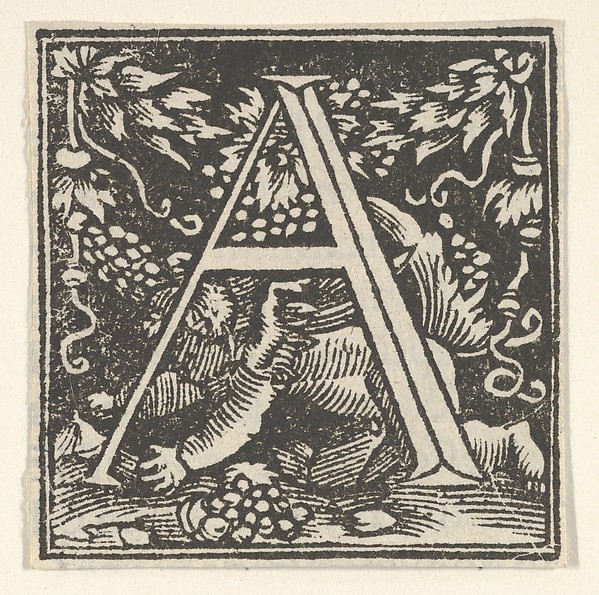
The Met credits Heinrich Vogtherr the Elder as the artist of Initial letter A with putto, dated ca. 1538. The museum records its format as “Print” and its medium as “Woodcut.” Its collection record identifies the artist as “German, born 1490, active 1538–1540.”
Artist 10 of 30
Isaac Liger
British, active 1704; died 1730
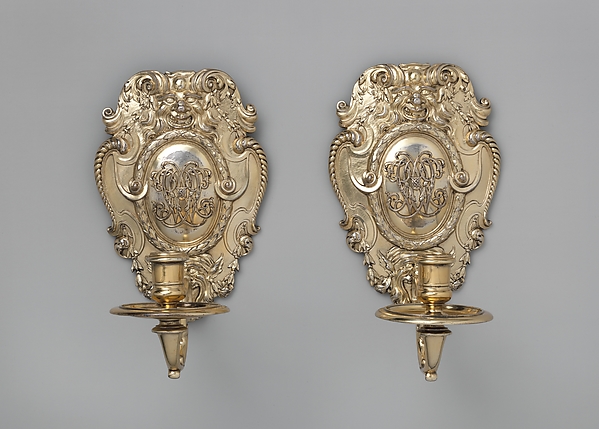
The Met credits Isaac Liger as the maker of Pair of sconces, dated 1709–10. The museum records its format as “Sconces” and its medium as “Silver gilt.” Its collection record identifies the artist as “British, active 1704; died 1730.”
Its subjects include satyrs.
Artist 11 of 30
Cristofano di Michele Martini (Il Robetta)
Italian, Florence 1462–after 1535 Florence
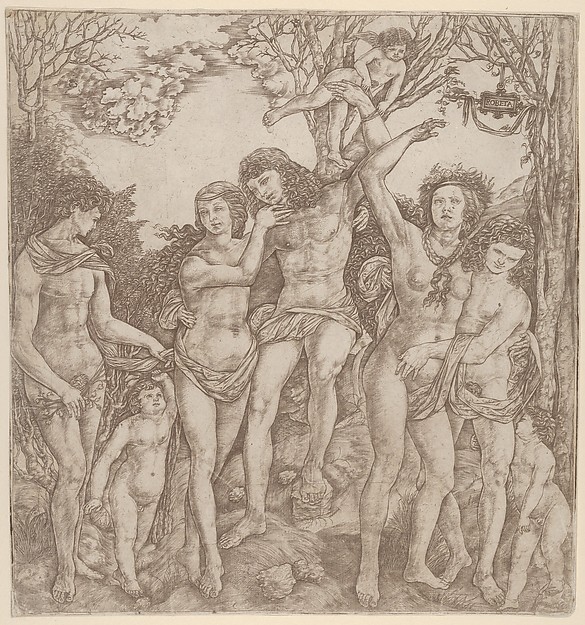
The Met credits Cristofano di Michele Martini (Il Robetta) as the artist of Allegory of the Power of Love, with a man at center embracing a semi-naked woman, who is bound to a tree by Cupid, dated 1480–1535. The museum records its format as “Print” and its medium as “Engraving in brown ink.” Its collection record identifies the artist as “Italian, Florence 1462–after 1535 Florence.”
Artist 12 of 30
Graziani
1762–1835
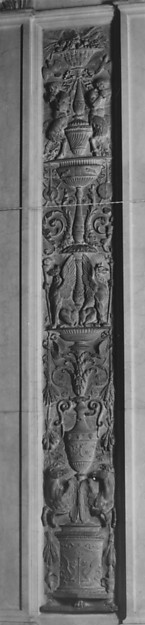
The Met credits Graziani as the artist of Pilaster (one of four), dated late 18th–early 19th century. The museum records its format as “Pilaster” and its medium as “Terracotta.” Its collection record identifies the artist as “1762–1835.”
Its subjects include satyrs.
Artist 13 of 30
G. King
British, active 1732–49
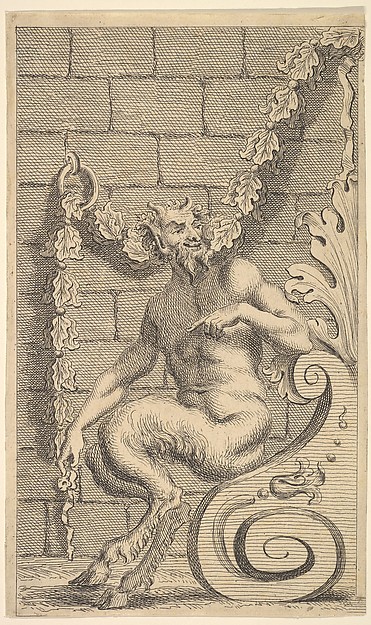
The Met credits G. King as the artist of Sitting Satyrs, dated after 1732. The museum records its format as “Print” and its medium as “Etching and engraving.” Its collection record identifies the artist as “British, active 1732–49.”
Its subjects include satyrs.
Artist 14 of 30
Abraham van Cuylenborch
Dutch, Utrecht ca. 1620–1658 Utrecht
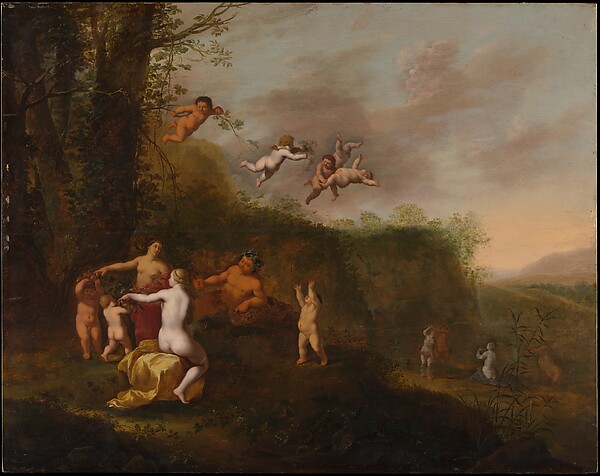
The Met credits Abraham van Cuylenborch as the artist of Bacchus and Nymphs in a Landscape, dated probably 1640s. The museum records its format as “Painting” and its medium as “Oil on wood.” Its collection record identifies the artist as “Dutch, Utrecht ca. 1620–1658 Utrecht.”
Its subjects include bacchus.
Artist 15 of 30
Charles Topino
French, Paris 1742–1803 Paris
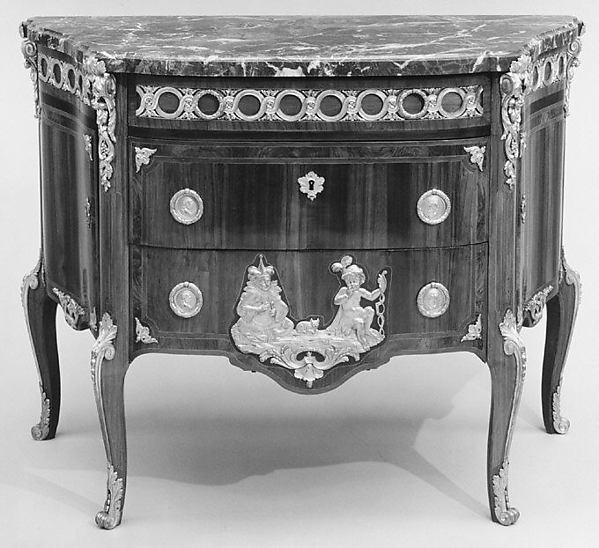
The Met credits Charles Topino as the maker of Commode, dated ca. 1770. The museum records its format as “Commode” and its medium as “Tulipwood and green-tinted sycamore on oak, fleur-de-pêche marble, gilt bronze.” Its collection record identifies the artist as “French, Paris 1742–1803 Paris.”
Its subjects include cupid.
Artist 16 of 30
William J. Walley
1852–1919
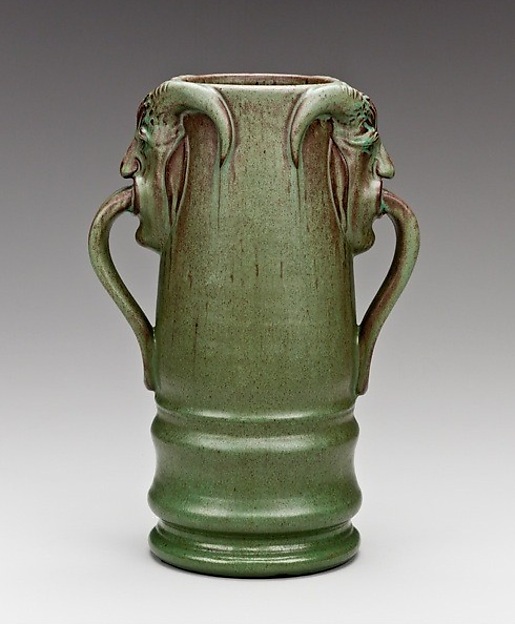
The Met credits William J. Walley as the maker of Vase with Satyr-head handles, dated ca. 1898–1919. The museum records its format as “Vase” and its medium as “Stoneware; allover mat green glaze with darker areas.” Its collection record identifies the artist as “1852–1919.”
Artist 17 of 30
Maxime Du Camp
French, 1822–1894
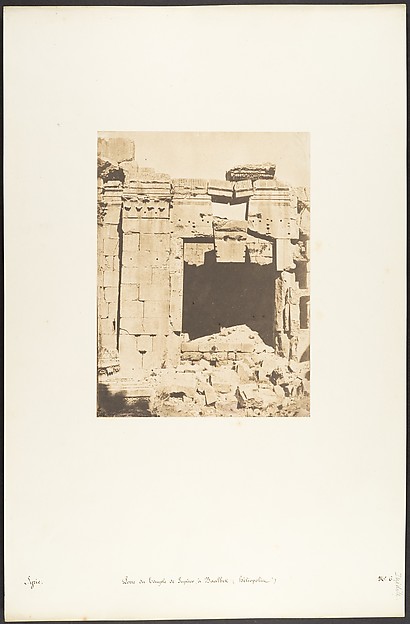
The Met credits Maxime Du Camp as the artist of Porte du Temple de Jupiter, à Baalbek (Héliopolis), dated September 1850. The museum records its format as “Photograph” and its medium as “Salted paper print from paper negative.” Its collection record identifies the artist as “French, 1822–1894.”
Artist 18 of 30
Marie Amélie Chataigner
French, active 19th century
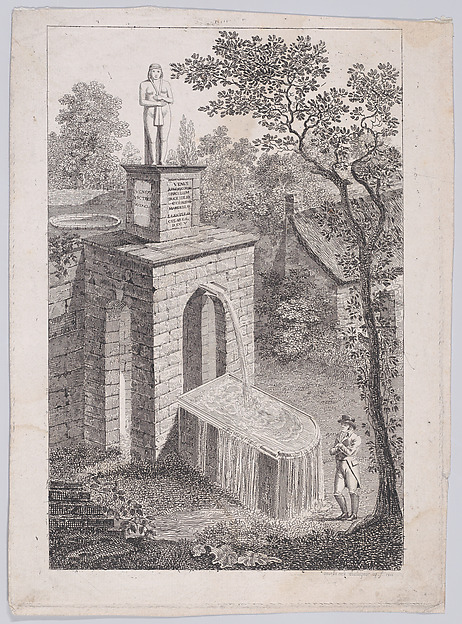
The Met credits Marie Amélie Chataigner as the artist of Fountain with Statue of Venus, dated 1812. The museum records its format as “Print” and its medium as “Etching.” Its collection record identifies the artist as “French, active 19th century.”
Artist 19 of 30
Constantin Hansen
Danish, Rome 1804–1880 Frederiksberg
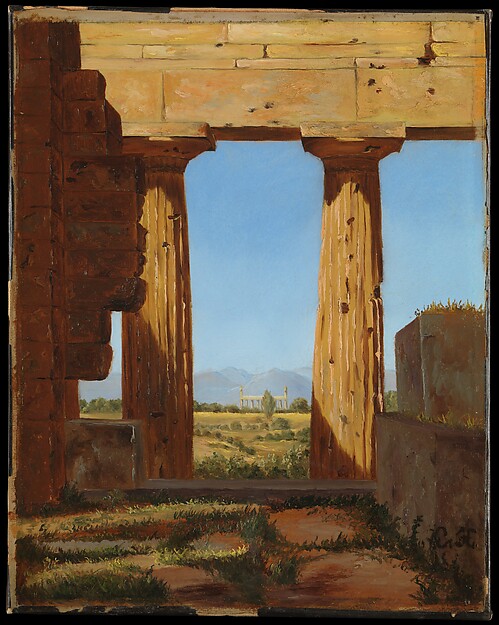
The Met credits Constantin Hansen as the artist of Columns of the Temple of Neptune at Paestum, dated 1838. The museum records its format as “Painting” and its medium as “Oil on canvas.” Its collection record identifies the artist as “Danish, Rome 1804–1880 Frederiksberg.”
Artist 20 of 30
Gert van Egen
Flemish (active Denmark), documented 1568, died 1611 or 1612
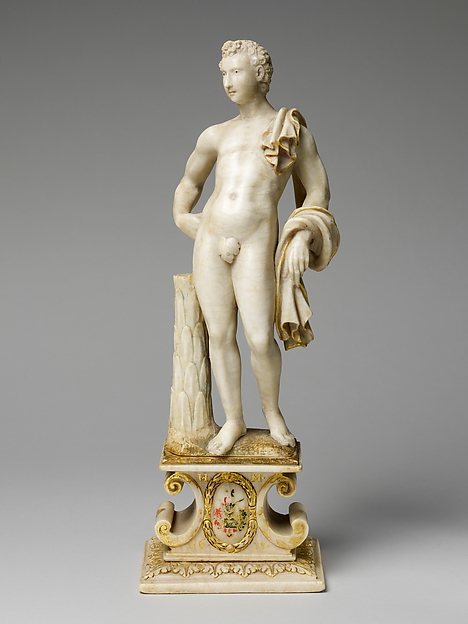
The Met credits Gert van Egen as the maker of Mercury, dated 1611. The museum records its format as “Statuette” and its medium as “Alabaster, partly polychromed and gilded.” Its collection record identifies the artist as “Flemish (active Denmark), documented 1568, died 1611 or 1612.”
Its subjects include Mercury.
Artist 21 of 30
Jean-Baptiste Boudard
French (active Italy), Paris 1710–1768 Sala Baganza, Parma
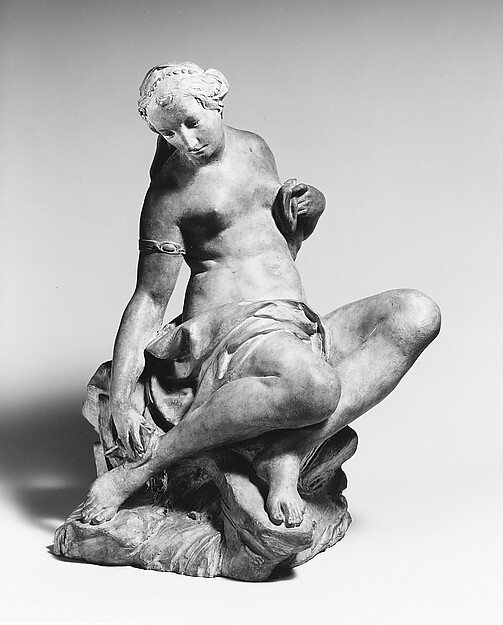
The Met credits Jean-Baptiste Boudard as the artist of Diana Bathing, dated 1733. The museum records its format as “Statuette” and its medium as “Terracotta.” Its collection record identifies the artist as “French (active Italy), Paris 1710–1768 Sala Baganza, Parma.”
Its subjects include Diana.
Artist 22 of 30
Kurokawa Eishō
Japanese, 1854–1917
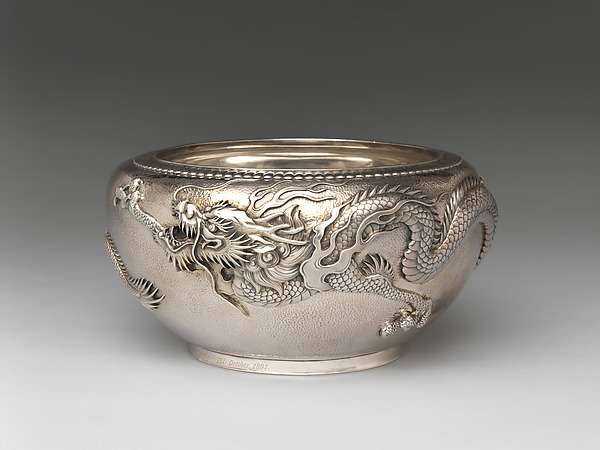
The Met credits Kurokawa Eishō as the artist of Dragon Bowl, dated 1895. The museum records its format as “Bowl” and its medium as “Silver.” Its collection record identifies the artist as “Japanese, 1854–1917.”
Its subjects include dragons.
Artist 23 of 30
Johann Heinrich Meissner
active in Danzig, second half 18th century
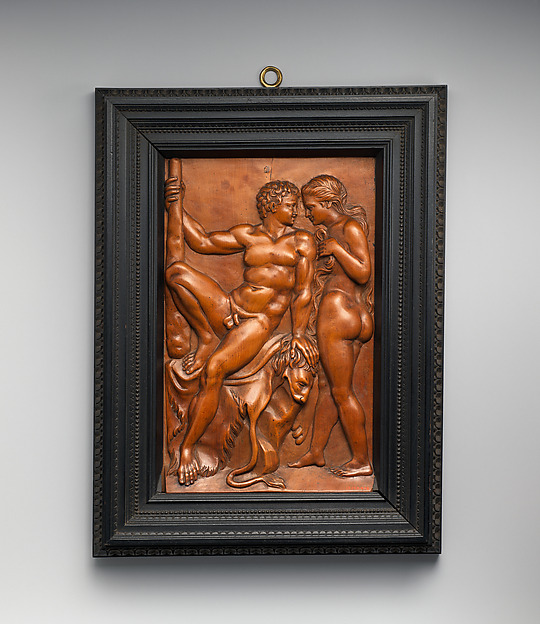
The Met credits Johann Heinrich Meissner as the artist of Hercules and Omphale, dated 18th century. The museum records its format as “High relief” and its medium as “Boxwood; frame: black wood.” Its collection record identifies the artist as “active in Danzig, second half 18th century.”
Its subjects include Hercules.
Artist 24 of 30
Elie-Honoré Montagny
French, Paris 1782–1864 Paris
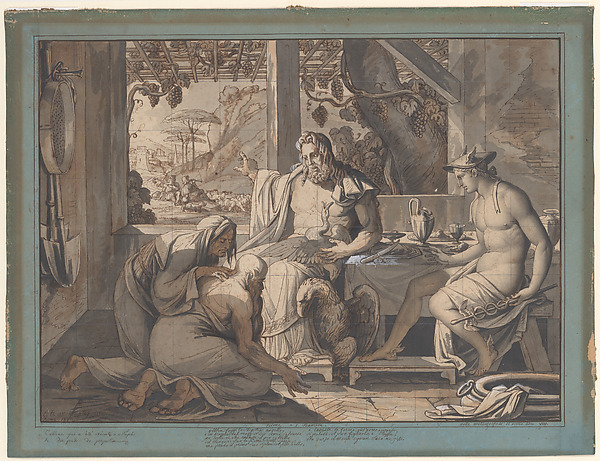
The Met credits Elie-Honoré Montagny as the artist of Jupiter and Mercury reveal themselves to Philemon and Baucis, dated 1809. The museum records its format as “Drawing” and its medium as “Pen and brown ink, brush and brown and gray washes, with touches of white gouache; laid down; squared in graphite.” Its collection record identifies the artist as “French, Paris 1782–1864 Paris.”
Artist 25 of 30
Christoph Murer
Swiss, Zurich 1558–1614 Winterthur
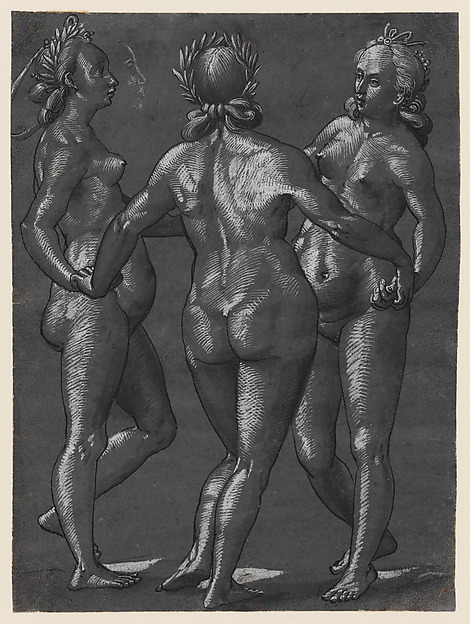
The Met credits Christoph Murer as the artist of The Three Graces (recto); Four putti engaging in various activities (verso), dated 1580s. The museum records its format as “Drawing” and its medium as “Pen and black ink, brush and gray wash, heightened with white gouache, on paper prepared with semi-opaque gray wash.” Its collection record identifies the artist as “Swiss, Zurich 1558–1614 Winterthur.”
Artist 26 of 30
Charles Dominique Joseph Eisen
French, Valenciennes 1720–1778 Brussels
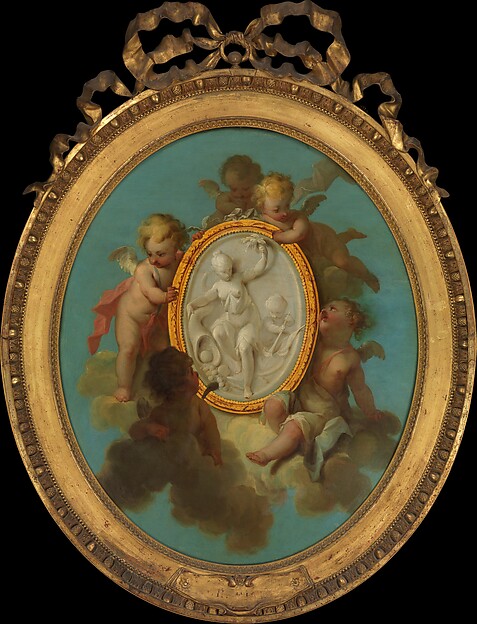
The Met credits Charles Dominique Joseph Eisen as the artist of Putti with a Medallion. The museum records its format as “Painting” and its medium as “Oil on wood.” Its collection record identifies the artist as “French, Valenciennes 1720–1778 Brussels.”
Artist 27 of 30
Marco Marchetti (Marco da Faenza)
Italian, Faenza before 1528–1588 Faenza
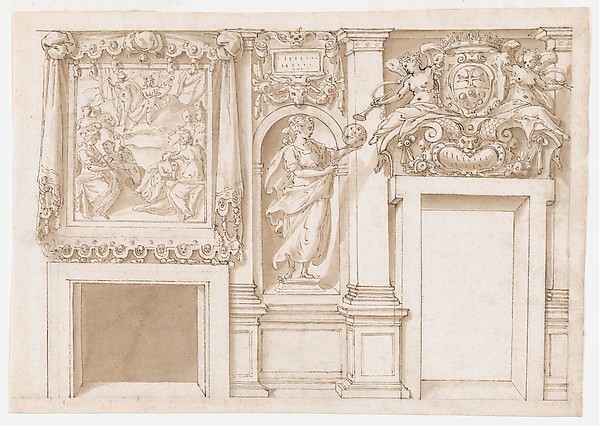
The Met credits Marco Marchetti (Marco da Faenza) as the artist of Design for a Wall Decoration with Apollo and the Muses, a Figure of Astronomy, and the Coat-of-Arms of a Grand Duke of Tuscany as Grand Master of the Order of Santo Stefano, dated 1561–88. The museum records its format as “Drawing Ornament & Architecture” and its medium as “Pen and brown ink, brush and brown wash over traces of black chalk.” Its collection record identifies the artist as “Italian, Faenza before 1528–1588 Faenza.”
Its subjects include Apollo.
Artist 28 of 30
Charles Meynier
French, 1768–1832
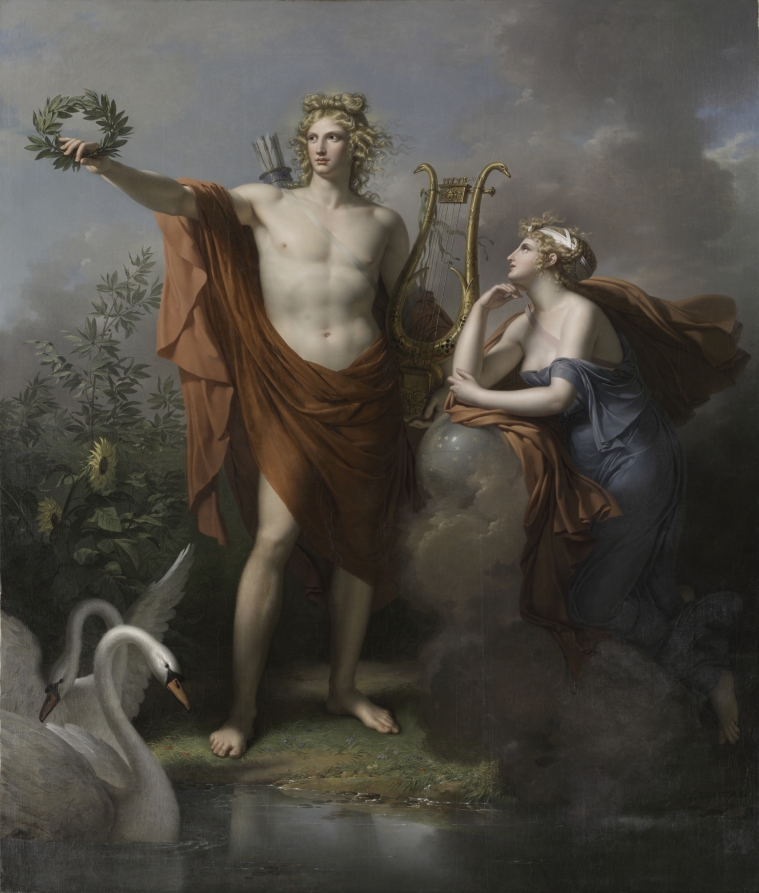
The Cleveland Museum of Art credits Charles Meynier as artist of Apollo, God of Light, Eloquence, Poetry, and the Fine Arts with Urania, Muse of Astronomy, dated 1798. The museum records its format as “Painting” and its medium as “oil on canvas.” The creator record gives this identity context: “French, 1768–1832.”
Apollo appears with Urania, the Muse of Astronomy.
Artist 29 of 30
Gilles-Lambert Godecharle
Belgian, 1750–1835
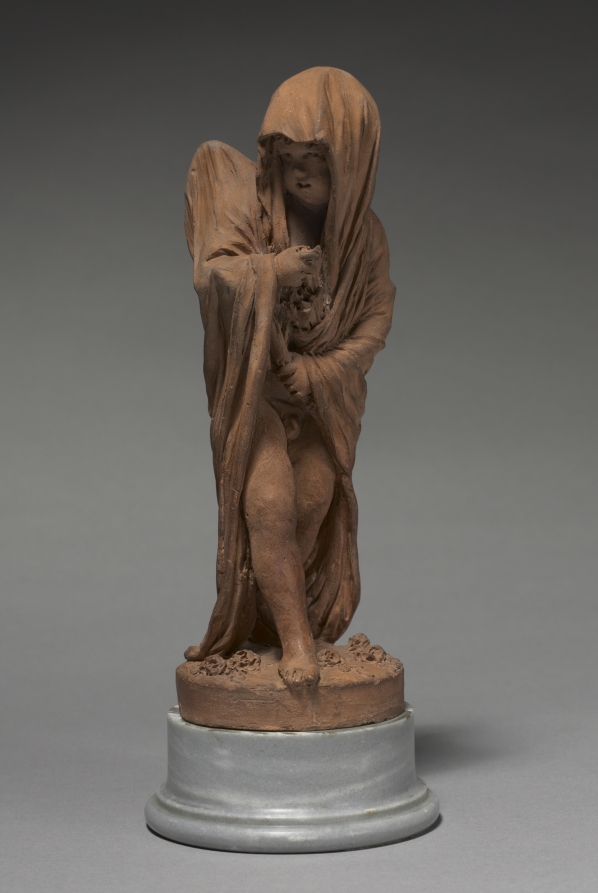
The Cleveland Museum of Art credits Gilles-Lambert Godecharle as artist of Cupid Secretly Drawing an Arrow, dated 1807. The museum records its format as “Sculpture” and its medium as “terracotta.” The creator record gives this identity context: “Belgian, 1750–1835.”
Cupid secretly draws an arrow in this sculpture.
Artist 30 of 30
Valerio Belli
Italian, c. 1468–1546
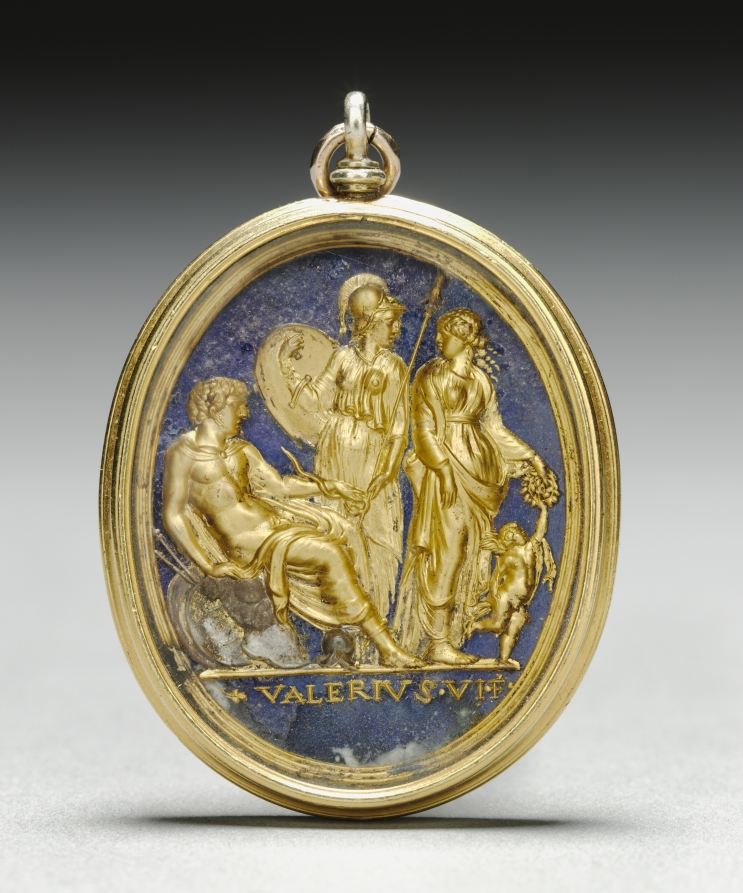
The Cleveland Museum of Art credits Valerio Belli as artist of Mars, Minerva, Venus, and Cupid, dated early 1500s. The museum records its format as “Sculpture” and its medium as “rock crystal intaglio, gilded from reverse with gold and silver, backed with lapis lazuli, mounted in a gold pendant.” The creator record gives this identity context: “Italian, c. 1468–1546.”
Mars, Minerva, Venus, and Cupid share the composition.