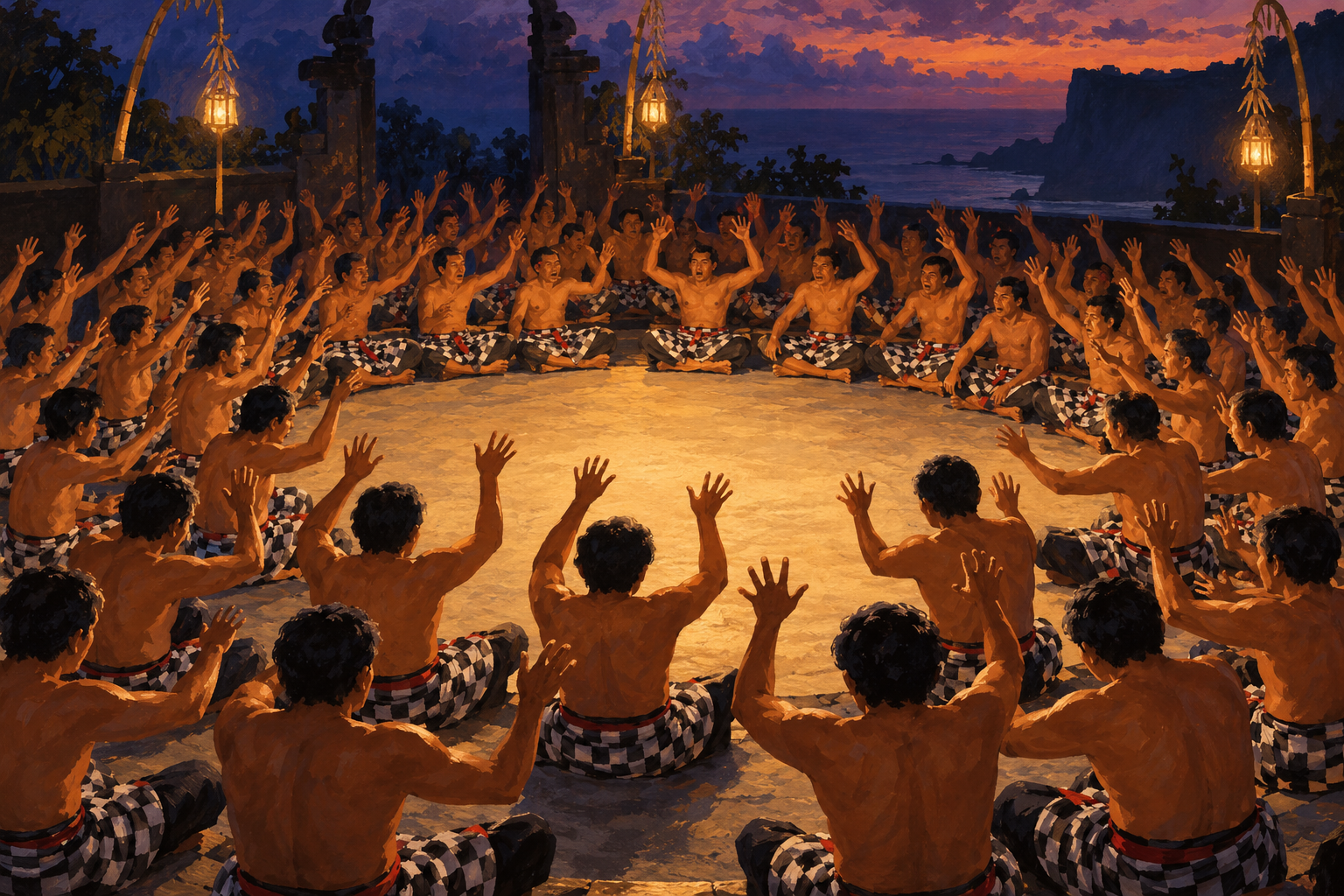
Beyond Familiar Names · Subject 08 of 20 · 30 artists
A landscape asks the eye to travel. A nearby branch may lead toward a slope, a horizon may divide the surface, or clouds may pull attention upward before it returns to the ground. These thirty artists offer different routes through land and sky in the works selected here. Begin by finding the nearest and farthest points, then examine how tone, color, or marks connect them. Weather and light can shape an atmosphere, while the arrangement of the view determines the journey we make through it.
A 4½-minute gallery film featuring all 30 artists in this chapter. Music and artwork credits appear in the film and below.
Film soundtrack: Artists by Medium 08 - Bronze Resonance — an existing original instrumental from the Incoprea library, created with Suno under the owner’s Premier subscription.
Looking closely
Follow the movement from foreground to distance and consider the role of weather or light.
Explore the 20 subjects
- 01. Faces and Identities
- 02. Bodies and Gesture
- 03. Childhood and Family
- 04. Rooms and Daily Life
- 05. Work and Trade
- 06. Streets and City Life
- 07. Architecture and Built Space
- 08. Land and Sky
- 09. Water and Voyages
- 10. Plants and Gardens
- 11. Animals and Other Creatures
- 12. Dress and Self-Presentation
- 13. Music, Theatre and Dance
- 14. Sacred Stories and Devotion
- 15. Myth, Allegory and Fantasy
- 16. Power, Conflict and Public Memory
- 17. Books, Words and Knowledge
- 18. Pattern and Ornament
- 19. Vessels and Useful Beauty
- 20. Small Treasures and Keepsakes
The 30 artists in this chapter
- Arthur Julius Pollock
- Charles Randle
- Momokawa Shiko II
- Louis Gurlitt
- Sunayama Gosei
- Evelina Hull
- Richard Sussman
- Yanagawa Shigenobu
- Gu Jue
- Carlo Fantaccini
- Heinrich von Mayr
- Yanagawa Shigenobu II
- Hans Wechtlin
- John Henry Mole
- Torii Kiyonobu II
- Charles-Emmanuel Serret
- Katsukawa Shunzan
- Thomas Sunderland
- Utagawa Toyokuni II
- Hendrik Gerrit ten Cate
- Shōtei Hokuju 昇亭北寿
- Lan Meng
- Mizuno Toshikata
- Ishikawa Toyomasa
- Itō Jakuchū
- Lala Deen Dayal
- Qi Zhijia
- Li Jie
- Carleton E. Watkins
- Jan Verkade
Artist 01 of 30
Arthur Julius Pollock
British, 1835–1890
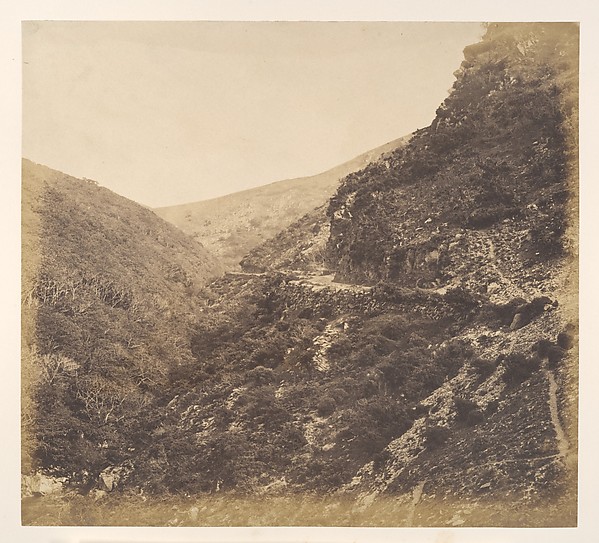
The Met credits Arthur Julius Pollock as the artist of On the Road to Watersmeet, near Lynton, North Devon, dated 1856. The museum records its format as “Photograph” and its medium as “Albumen silver print.” Its collection record identifies the artist as “British, 1835–1890.”
Its subjects include landscapes.
Artist 02 of 30
Charles Randle
British, active 1813–25
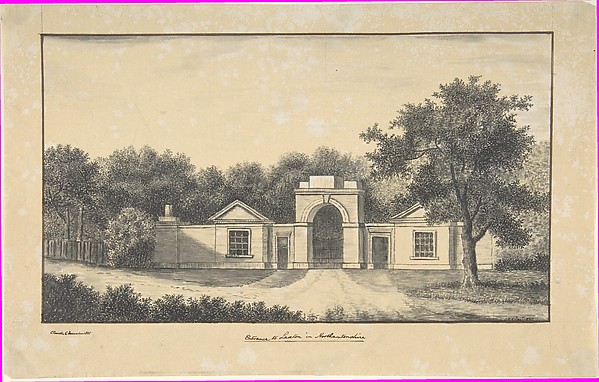
The Met credits Charles Randle as the artist of Entrance to Laxton in Northamptonshire, dated 1825. The museum records its format as “Drawing ; Ornament and architecture” and its medium as “Pen and ink, brush and gray-black wash.” Its collection record identifies the artist as “British, active 1813–25.”
Its subjects include trees.
Artist 03 of 30
Momokawa Shiko II
Japanese, active ca. 1797–1810
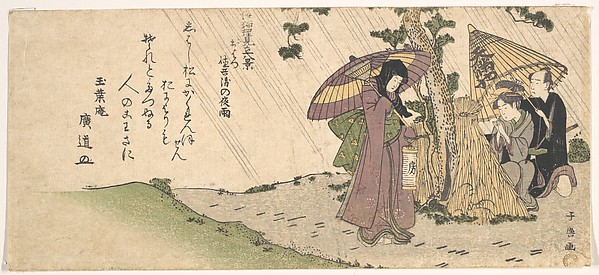
The Met credits Momokawa Shiko II as the artist of Where is Tokubei?, dated ca. 1800. The museum records its format as “Print” and its medium as “Woodblock print; ink and color on paper.” Its collection record identifies the artist as “Japanese, active ca. 1797–1810.”
Its subjects include trees.
Artist 04 of 30
Louis Gurlitt
German, Altona 1812–1897 Naundorf, Saxony
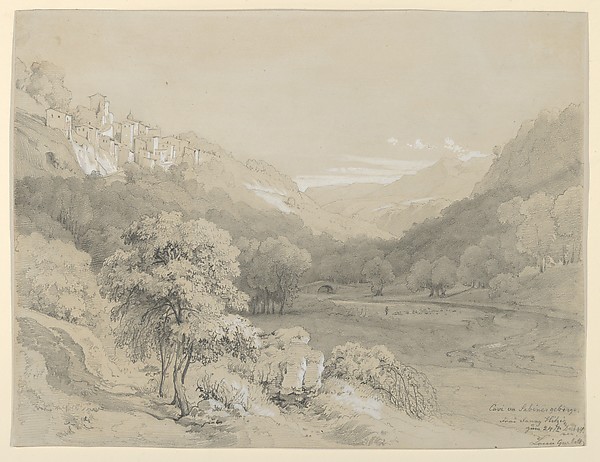
The Met credits Louis Gurlitt as the artist of A View of Cavi in the Sabine Hills, dated 1848. The museum records its format as “Drawing” and its medium as “Graphite, heightened with white gouache, on light brown paper.” Its collection record identifies the artist as “German, Altona 1812–1897 Naundorf, Saxony.”
Its subjects include hills, landscapes, trees.
Artist 05 of 30
Sunayama Gosei
Japanese, 18th–19th century
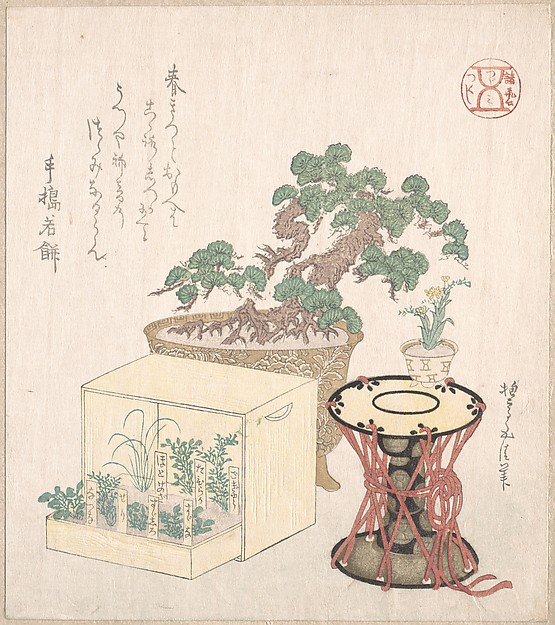
The Met credits Sunayama Gosei as the artist of Potted Pine Tree Drum and Seven Herbs Planted in a Box, dated 18th–19th century. The museum records its format as “Woodblock print” and its medium as “Woodblock print (surimono); ink and color on paper.” Its collection record identifies the artist as “Japanese, 18th–19th century.”
Its subjects include trees.
Artist 06 of 30
Evelina Hull
American, 1796–1857
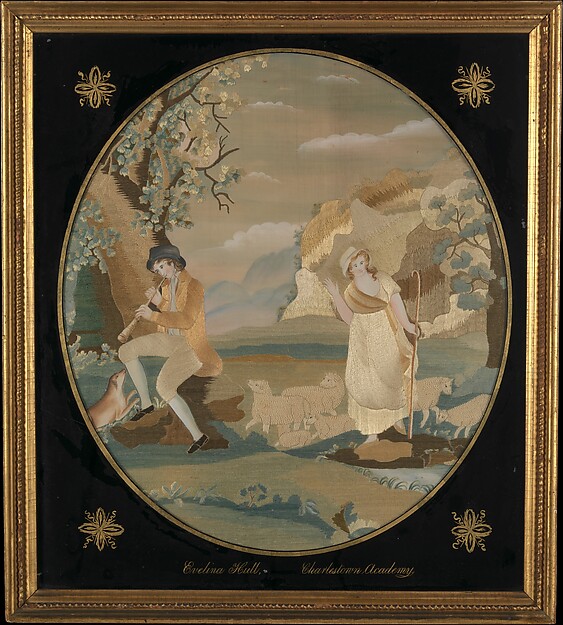
The Met credits Evelina Hull as the maker of The Shepherdess of the Alps, dated ca. 1812. The museum records its format as “Embroidered picture” and its medium as “Silk embroidered with silk thread, watercolor.” Its collection record identifies the artist as “American, 1796–1857.”
Its subjects include trees.
Artist 07 of 30
Richard Sussman
American, 1908–1971
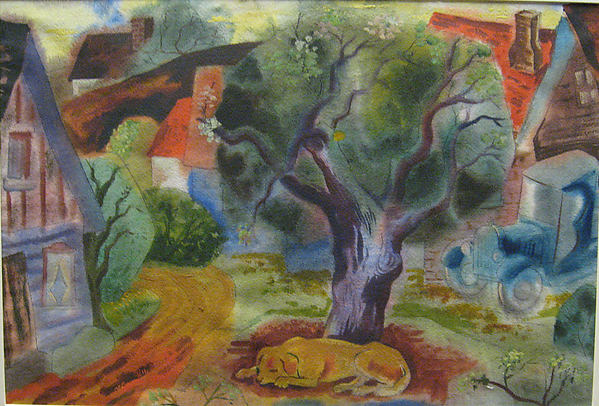
The Met credits Richard Sussman as the artist of Summer Day, dated ca. 1939. The museum records its format as “Drawing” and its medium as “Watercolor, gouache, and graphite on paper.” Its collection record identifies the artist as “American, 1908–1971.”
Its subjects include trees.
Artist 08 of 30
Yanagawa Shigenobu
Japanese, 1787–1832
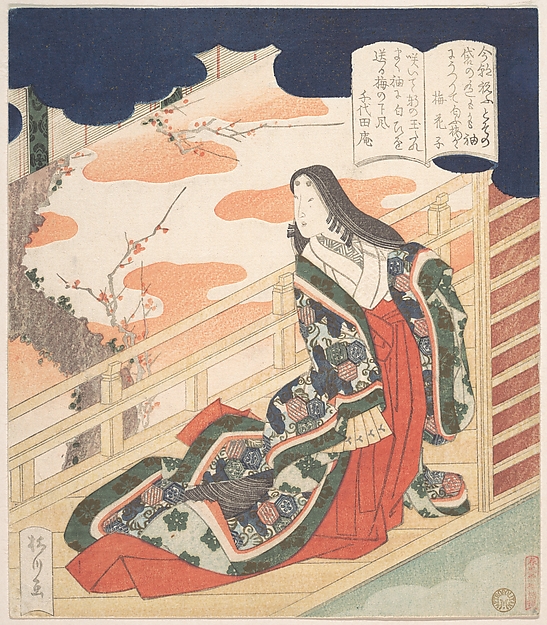
The Met credits Yanagawa Shigenobu as the artist of Court Lady Praising the Plum Blossom, dated 1830. The museum records its format as “Print” and its medium as “Woodblock print (surimono); ink and color on paper.” Its collection record identifies the artist as “Japanese, 1787–1832.”
Its subjects include trees.
Artist 09 of 30
Gu Jue
active late 17th century
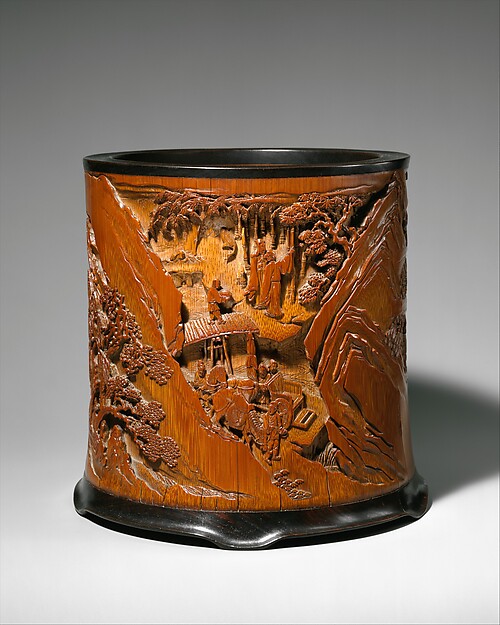
The Met credits Gu Jue as the artist of Brush holder with scene of “Ode to the Pavilion of the Inebriated Old Man”, dated late 17th century. The museum records its format as “Brush Holder” and its medium as “Bamboo with hardwood rim and base.” Its collection record identifies the artist as “active late 17th century.”
Its subjects include mountains.
Artist 10 of 30
Carlo Fantaccini
Italian, documented Rome 1701–1750 Rome

The Met credits Carlo Fantaccini as the artist of Imaginary Landscape with Classical Ruins; Fountain in Foreground, dated 1700–50. The museum records its format as “Drawing” and its medium as “Point of a brush and gray wash, over graphite; framing lines in pen and brown ink and bronze paint.” Its collection record identifies the artist as “Italian, documented Rome 1701–1750 Rome.”
Artist 11 of 30
Heinrich von Mayr
German, Nuremberg 1806–1871 Munich
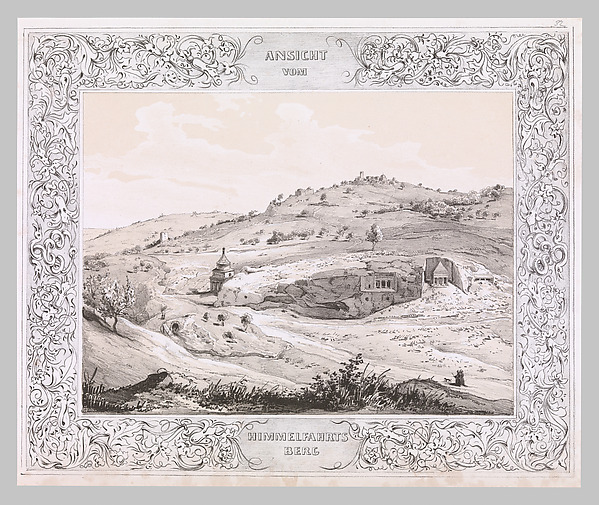
The Met credits Heinrich von Mayr as the artist of View of the Mount of Olives, from "Malerische Ansichten aus dem Orient..", dated 1839. The museum records its medium as “Lithograph.” Its collection record identifies the artist as “German, Nuremberg 1806–1871 Munich.”
Its subjects include landscapes.
Artist 12 of 30
Yanagawa Shigenobu II
Japanese, active ca. 1820s–late 1850s
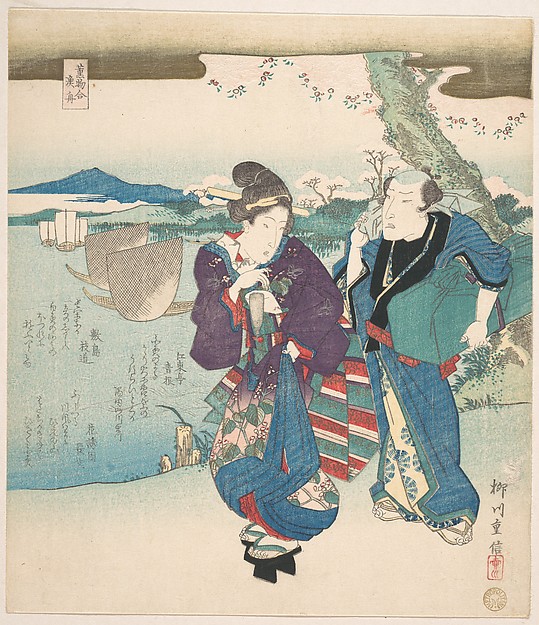
The Met credits Yanagawa Shigenobu II as the artist of Kaori-mono-awase, Gyoshu, dated 1830. The museum records its format as “Print” and its medium as “Woodblock print (surimono); ink and color on paper.” Its collection record identifies the artist as “Japanese, active ca. 1820s–late 1850s.”
Its subjects include hills.
Artist 13 of 30
Hans Wechtlin
German, Strasbourg ca. 1480/85–after 1526
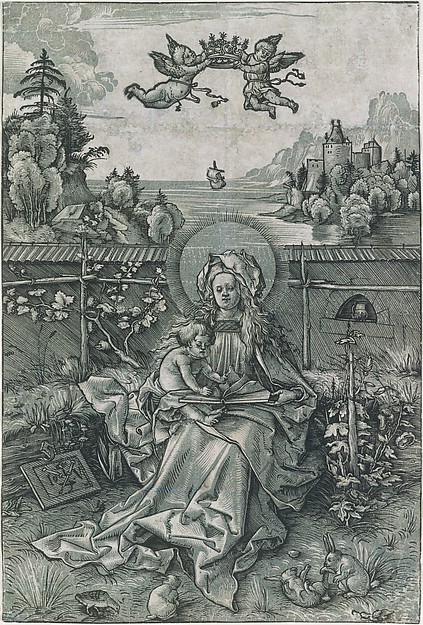
The Met credits Hans Wechtlin as the artist of Virgin and Child, dated ca. 1510. The museum records its format as “Print” and its medium as “Chiaroscuro woodcut in two blocks.” Its collection record identifies the artist as “German, Strasbourg ca. 1480/85–after 1526.”
Its subjects include trees.
Artist 14 of 30
John Henry Mole
British, Alnwick, Northumberland, 1814–1886
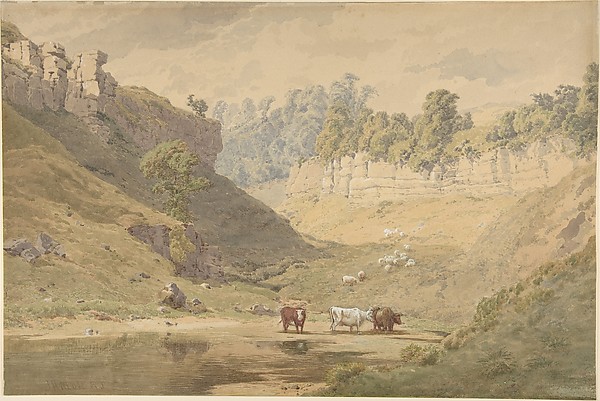
The Met credits John Henry Mole as the artist of Cattle at a watering hole in a valley, dated 1846–86. The museum records its format as “Drawing” and its medium as “Watercolor over graphite with gouache (bodycolor) and reductive techniques.” Its collection record identifies the artist as “British, Alnwick, Northumberland, 1814–1886.”
Its subjects include landscapes.
Artist 15 of 30
Torii Kiyonobu II
Japanese, ca. 1702–1752
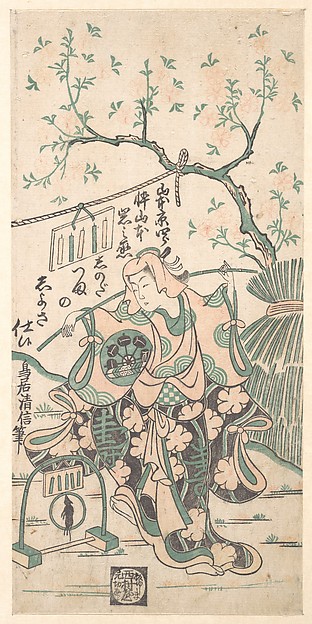
The Met credits Torii Kiyonobu II as the artist of Yamamoto Iwanojō, Son of Yamamoto Kyōshirō, as Shinoda Zuma in a Shosa Act, dated 1747. The museum records its format as “Print” and its medium as “Woodblock print; ink and color on paper.” Its collection record identifies the artist as “Japanese, ca. 1702–1752.”
Its subjects include trees.
Artist 16 of 30
Charles-Emmanuel Serret
French, 1824–1900
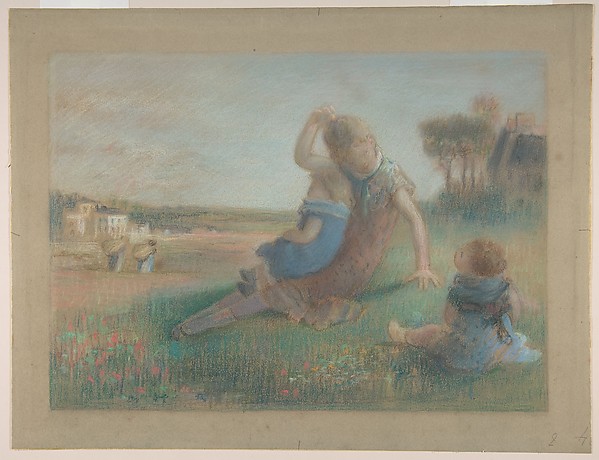
The Met credits Charles-Emmanuel Serret as the artist of Three Children in a Landscape, dated 1840–1900. The museum records its format as “Drawing” and its medium as “Pastel on brown wove paper (mounted on beige wove paper).” Its collection record identifies the artist as “French, 1824–1900.”
Its subjects include landscapes.
Artist 17 of 30
Katsukawa Shunzan
Japanese, active 1782–1798
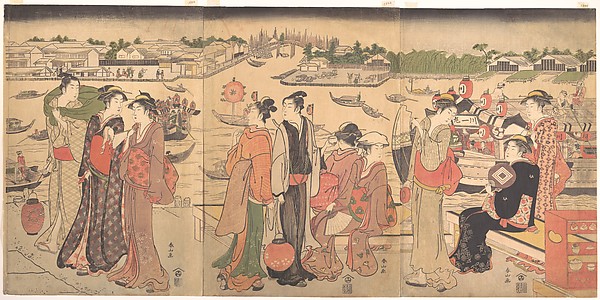
The Met credits Katsukawa Shunzan as the artist of Festival by the Sumida River, dated late 18th century. The museum records its format as “Print” and its medium as “Triptych of woodblock prints; ink and color on paper.” Its collection record identifies the artist as “Japanese, active 1782–1798.”
Its subjects include landscapes.
Artist 18 of 30
Thomas Sunderland
British, Whittington Hall, Lonsdale 1744–1828 Littlecroft

The Met credits Thomas Sunderland as the artist of On Brothers Water, Cumbria, dated 1764–1828. The museum records its format as “Drawing” and its medium as “Black chalk or graphite on blue paper.” Its collection record identifies the artist as “British, Whittington Hall, Lonsdale 1744–1828 Littlecroft.”
Its subjects include landscapes.
Artist 19 of 30
Utagawa Toyokuni II
Japanese, 1777–1835
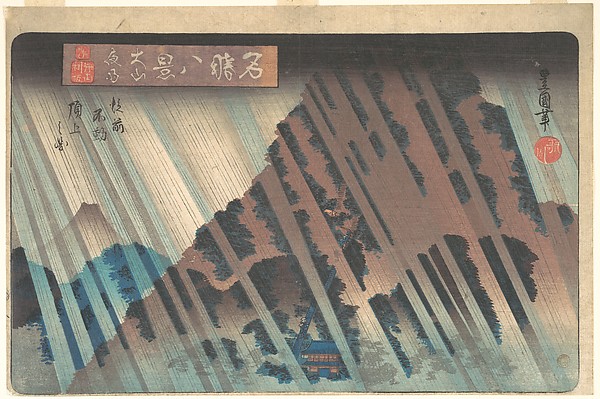
The Met credits Utagawa Toyokuni II as the artist of Night Rain at Ōyama, from the series "Eight Famous Views of Kanagawa", dated ca. 1830. The museum records its format as “Print” and its medium as “Woodblock print; ink and color on paper.” Its collection record identifies the artist as “Japanese, 1777–1835.”
Its subjects include landscapes, trees.
Artist 20 of 30
Hendrik Gerrit ten Cate
Dutch, Amsterdam 1803–1856 Amsterdam
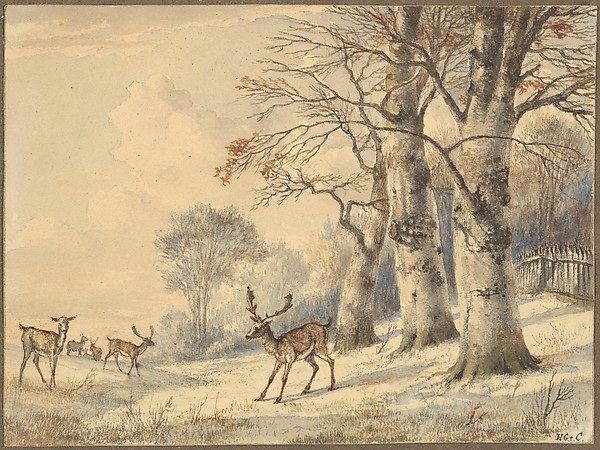
The Met credits Hendrik Gerrit ten Cate as the artist of Deer under Beech Trees in Summer, dated 1853. The museum records its format as “Drawing” and its medium as “Watercolor, black chalk; framing lines in graphite.” Its collection record identifies the artist as “Dutch, Amsterdam 1803–1856 Amsterdam.”
Its subjects include trees.
Artist 21 of 30
Shōtei Hokuju 昇亭北寿
Japanese, active 1790–1820
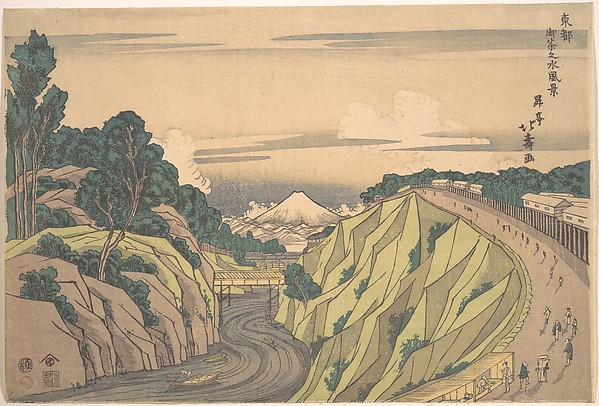
The Met credits Shōtei Hokuju 昇亭北寿 as the artist of View of Ochanomizu in the Eastern Capital, dated ca. 1810–1820. The museum records its format as “Print” and its medium as “Woodblock print; ink and color on paper.” Its collection record identifies the artist as “Japanese, active 1790–1820.”
Its subjects include mountains.
Artist 22 of 30
Lan Meng
ca. 1614–after 1671
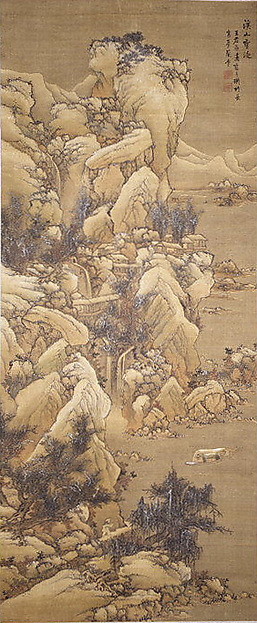
The Met credits Lan Meng as the artist of Boating amid Snowy Streams and Mountains, dated mid-17th century. The museum records its format as “Hanging scroll” and its medium as “Hanging scroll; ink and color on silk.” Its collection record identifies the artist as “ca. 1614–after 1671.”
Its subjects include landscapes, mountains.
Artist 23 of 30
Mizuno Toshikata
Japanese, 1866–1908
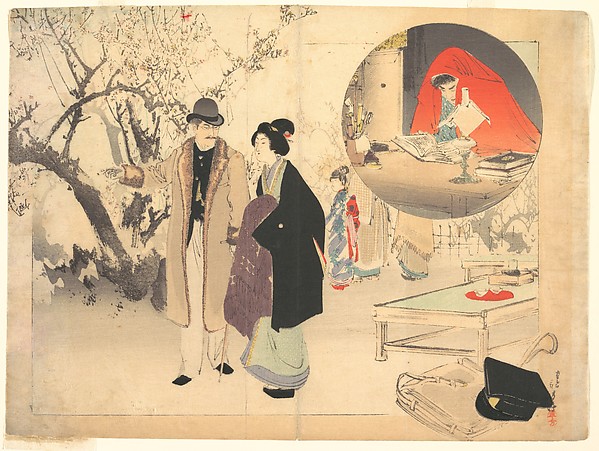
The Met credits Mizuno Toshikata as the artist of The Demon Gold (Konjiki yasha), dated ca. 1903. The museum records its format as “Print” and its medium as “Woodblock print; ink and color on paper.” Its collection record identifies the artist as “Japanese, 1866–1908.”
Its subjects include trees.
Artist 24 of 30
Ishikawa Toyomasa
Japanese, active 1770–1790
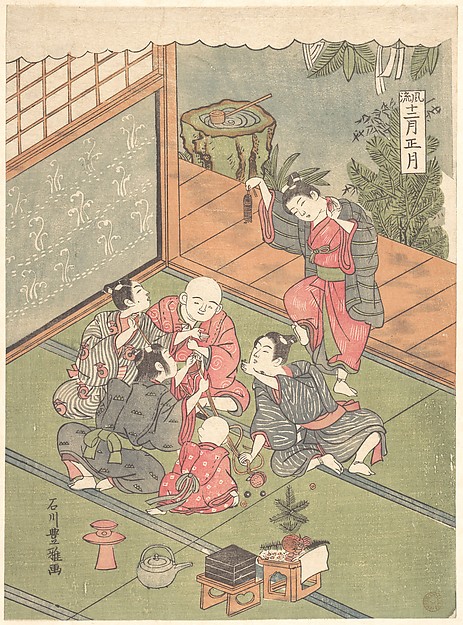
The Met credits Ishikawa Toyomasa as the artist of The First Month, dated ca. 1767. The museum records its format as “Print” and its medium as “Woodblock print; ink and color on paper.” Its collection record identifies the artist as “Japanese, active 1770–1790.”
Its subjects include trees.
Artist 25 of 30
Itō Jakuchū
Japanese, 1716–1800

The Met credits Itō Jakuchū as the artist of Pleasant Diversions on a Riverboat Journey, dated ca. 1767. The museum records its format as “Print” and its medium as “Handscroll; woodblock print; ink on paper.” Its collection record identifies the artist as “Japanese, 1716–1800.”
Its subjects include landscapes.
Artist 26 of 30
Lala Deen Dayal
Indian, Sardhana 1844–1905
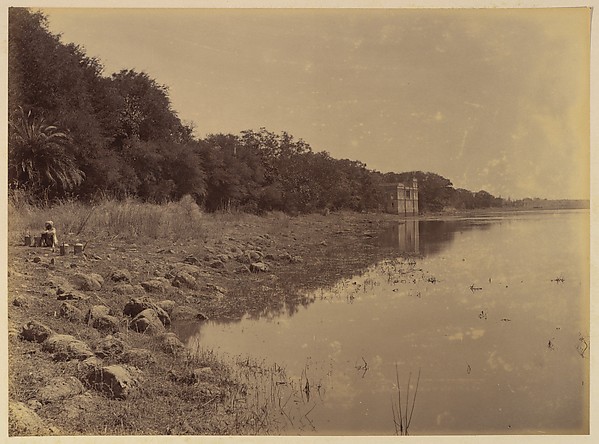
The Met credits Lala Deen Dayal as the artist of Sookh-Vilas Palace Garden, dated 1880–90. The museum records its format as “Photograph” and its medium as “Albumen silver print from glass negative.” Its collection record identifies the artist as “Indian, Sardhana 1844–1905.”
Its subjects include landscapes.
Artist 27 of 30
Qi Zhijia
Chinese, active ca. 1627–after 1682
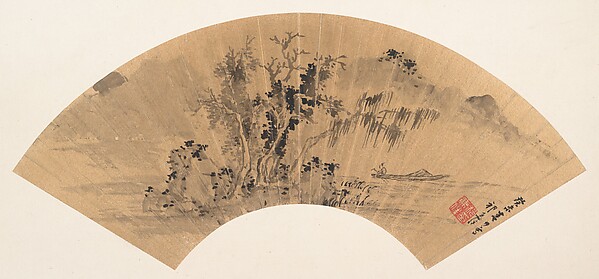
The Met credits Qi Zhijia as the artist of Landscape with fisherman, dated 1643. The museum records its format as “Folding fan mounted as an album leaf” and its medium as “Folding fan mounted as an album leaf; ink on gold paper.” Its collection record identifies the artist as “Chinese, active ca. 1627–after 1682.”
Its subjects include landscapes.
Artist 28 of 30
Li Jie
Chinese, 1124– before 1197
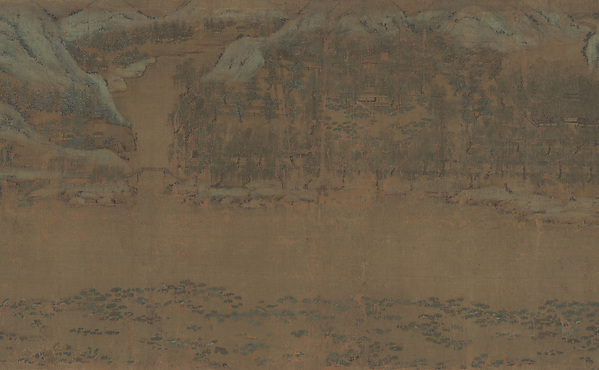
The Met credits Li Jie as the artist of Fisherman's Lodge At Mount Xisai, dated ca. 1170. The museum records its format as “Handscroll” and its medium as “Handscroll; ink and color on silk.” Its collection record identifies the artist as “Chinese, 1124– before 1197.”
Its subjects include landscapes, mountains.
Artist 29 of 30
Carleton E. Watkins
American, 1829–1916

The Met credits Carleton E. Watkins as the artist of Cliff House and Seal Rock, dated 1868–69, printed ca. 1876. The museum records its format as “Photograph” and its medium as “Albumen silver print from glass negative.” Its collection record identifies the artist as “American, 1829–1916.”
Its subjects include landscapes.
Artist 30 of 30
Jan Verkade
Dutch, 1868–1946
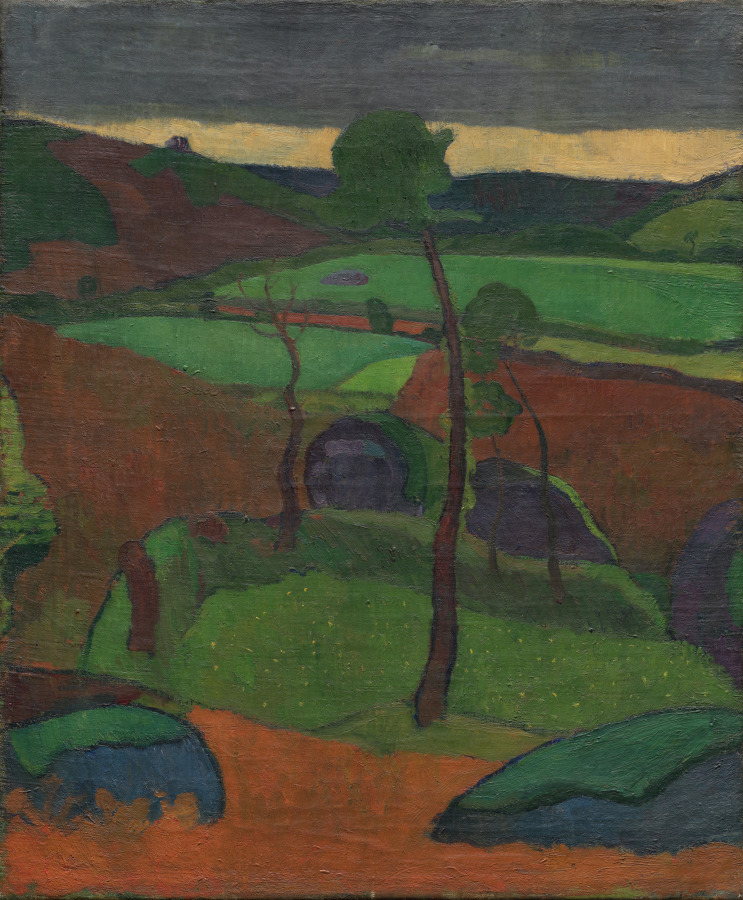
The Cleveland Museum of Art credits Jan Verkade as artist of Breton Landscape, dated 1891–92. The museum records its format as “Painting” and its medium as “oil on canvas.” The creator record gives this identity context: “Dutch, 1868–1946.”