Beyond Familiar Names · Subject 13 of 20 · 30 artists
Performance unfolds in time, while an image or object may preserve only one part of the event. That difference gives this chapter its questions. How can a pose imply a next movement, a stage suggest an audience, or an instrument invite us to imagine sound? These thirty artists help us explore those possibilities through selected works related to music, theatre, and dance. Look at spacing, repeated forms, and the relation between performer and setting. A still work can suggest rhythm without telling us exactly what was heard.
A 4½-minute gallery film featuring all 30 artists in this chapter. Music and artwork credits appear in the film and below.
Film soundtrack: Artists by Medium 13 - Pages Unbound — an existing original instrumental from the Incoprea library, created with Suno under the owner’s Premier subscription.
Looking closely
Look at the ways an object or still image can suggest performance, rhythm, or a staged event.
Explore the 20 subjects
- 01. Faces and Identities
- 02. Bodies and Gesture
- 03. Childhood and Family
- 04. Rooms and Daily Life
- 05. Work and Trade
- 06. Streets and City Life
- 07. Architecture and Built Space
- 08. Land and Sky
- 09. Water and Voyages
- 10. Plants and Gardens
- 11. Animals and Other Creatures
- 12. Dress and Self-Presentation
- 13. Music, Theatre and Dance
- 14. Sacred Stories and Devotion
- 15. Myth, Allegory and Fantasy
- 16. Power, Conflict and Public Memory
- 17. Books, Words and Knowledge
- 18. Pattern and Ornament
- 19. Vessels and Useful Beauty
- 20. Small Treasures and Keepsakes
The 30 artists in this chapter
- L. Langelier
- Georg Henner
- George W. Armstead
- Ruknuddin
- Andrew Hyde
- Joseph Ignaz Gurk
- Aoigaoka Keisei
- Henri-Michel-Antoine Chapu
- Juan Pedro Chabalgoity
- Arai Kōu
- Gochōtei Sadahiro 五蝶亭貞広
- Pierre Antoine Foullet
- Bertrand
- Bartolomeo Pinelli
- Yan Geng
- Paul Dubois
- Carlo Antonio Testore
- Juyōdō Toshikuni 壽陽堂歳国
- Giovanni Battista Galliani
- Thomas George Mackinlay
- Suga Mitsusada
- Charles Francis Albert, Sr.
- Ding Yunpeng
- Daniel Sigmund Dockler the Younger
- Andrea Commodi
- Antoine-Louis Barye
- Gillis van Tilborgh
- Antonio Mauro II
- Antoine Vestier
- Gabriel de Saint-Aubin
Artist 01 of 30
L. Langelier
French
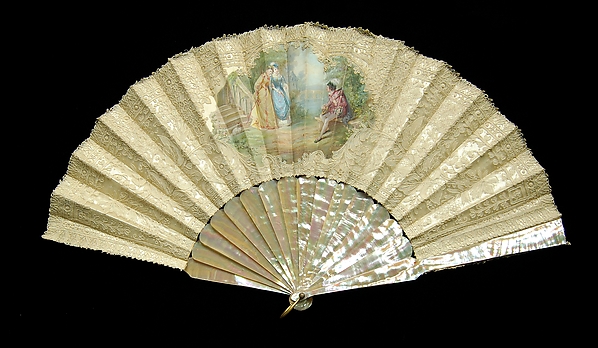
The Met credits L. Langelier as the artist of Fan, dated 1880–89. The museum records its format as “Fan” and its medium as “Mother-of-pearl, linen, silk, metal, paint.” Its collection record identifies the artist as “French.”
Its subjects include musical instruments.
Artist 02 of 30
Georg Henner
active 1777–1788
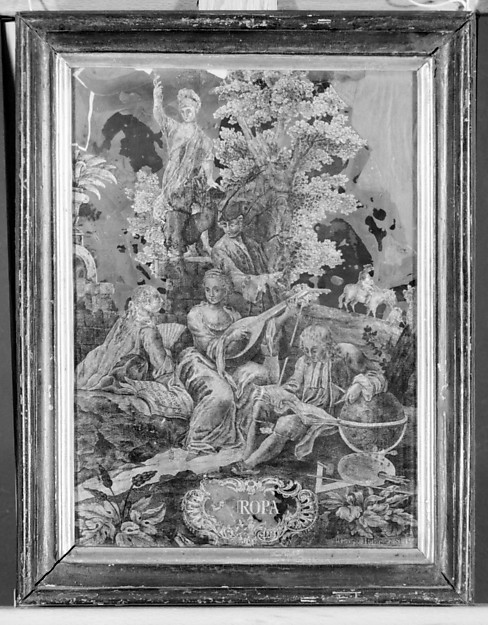
The Met credits Georg Henner as the artist of Panel, dated 1777. The museum records its format as “Panel” and its medium as “Verre églomisé.” Its collection record identifies the artist as “active 1777–1788.”
Its subjects include musical instruments.
Artist 03 of 30
George W. Armstead
American, 1833–1912
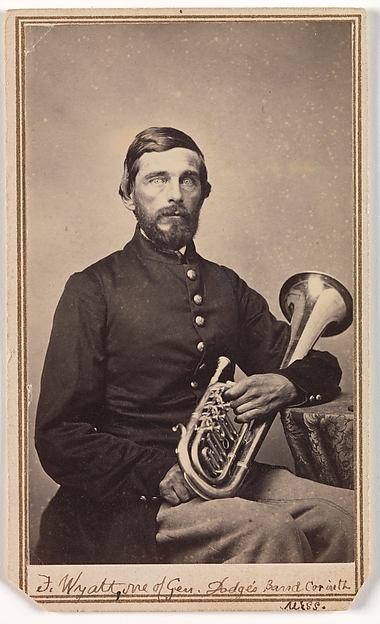
The Met credits George W. Armstead as the artist of Frank Wyatt, One of General Dodge's Band, Corinth, Mississippi, dated September 18, 1863. The museum records its format as “Photograph” and its medium as “Albumen silver print from glass negative.” Its collection record identifies the artist as “American, 1833–1912.”
Its subjects include musical instruments.
Artist 04 of 30
Ruknuddin
active late 17th century
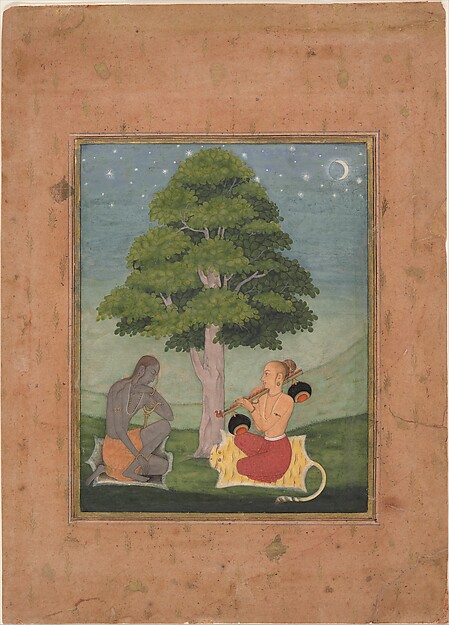
The Met credits Ruknuddin as the artist of Kedar Ragini: Folio from a ragamala series (Garland of Musical Modes), dated ca. 1690–95. The museum records its format as “Folio” and its medium as “Opaque watercolor and ink on paper.” Its collection record identifies the artist as “active late 17th century.”
Its subjects include musical instruments.
Artist 05 of 30
Andrew Hyde
American, Northampton, Massachusetts ca. 1840–1923 Northampton
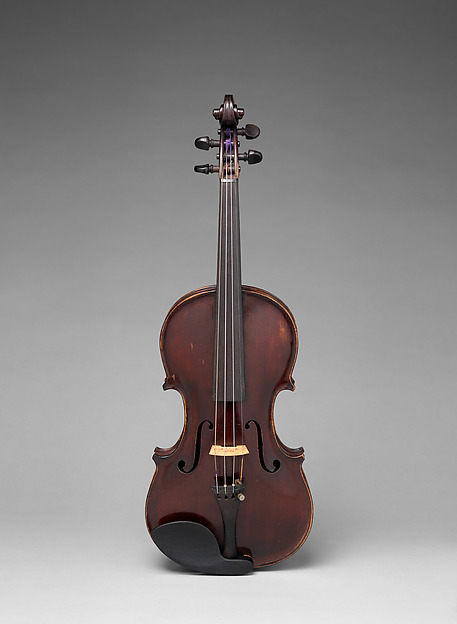
The Met credits Andrew Hyde as the maker of Violin, dated 1889. The museum records its format as “Violin” and its medium as “Wood.” Its collection record identifies the artist as “American, Northampton, Massachusetts ca. 1840–1923 Northampton.”
Artist 06 of 30
Joseph Ignaz Gurk
Austrian, active ca. 1795–ca. 1826
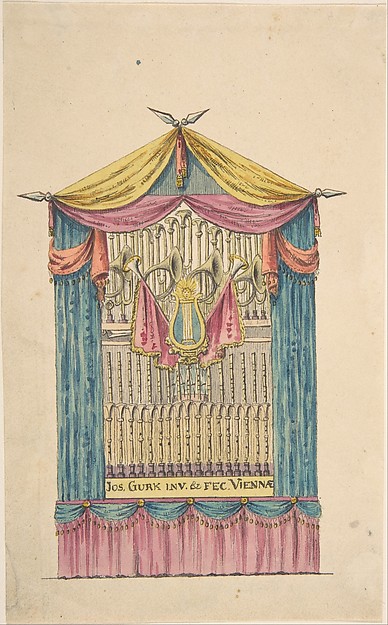
The Met credits Joseph Ignaz Gurk as the artist of Design for a Fanciful Organ, dated late 18th–early 19th century. The museum records its format as “Drawing ; Ornament and Architecture” and its medium as “Pen and black and brown ink, and watercolor.” Its collection record identifies the artist as “Austrian, active ca. 1795–ca. 1826.”
Its subjects include musical instruments.
Artist 07 of 30
Aoigaoka Keisei
Japanese, active 1820s–1830s
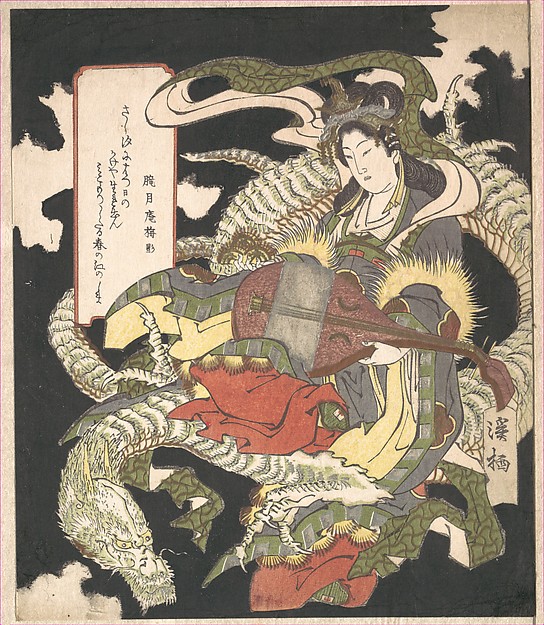
The Met credits Aoigaoka Keisei as the artist of Benzaiten (Goddess of Music and Good Fortune) Seated on a White Dragon, dated 1832. The museum records its format as “Print” and its medium as “Woodblock print (surimono); ink and color on paper.” Its collection record identifies the artist as “Japanese, active 1820s–1830s.”
Its subjects include musical instruments.
Artist 08 of 30
Henri-Michel-Antoine Chapu
French, Mée-sur-Seine, Seine-et-Marne 1833–1891 Paris
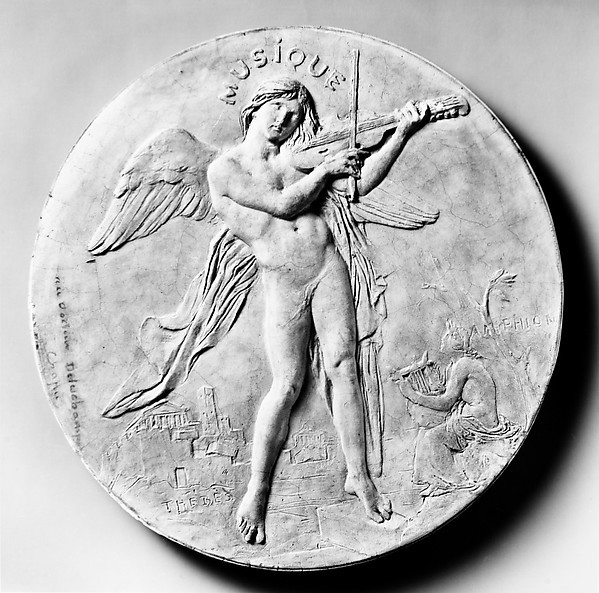
The Met credits Henri-Michel-Antoine Chapu as the artist of Music, dated ca. 1869. The museum records its format as “Roundel” and its medium as “Terracotta.” Its collection record identifies the artist as “French, Mée-sur-Seine, Seine-et-Marne 1833–1891 Paris.”
Artist 09 of 30
Juan Pedro Chabalgoity
Uruguayan, 1848–1909
![[Photo Collage: Musician with Large Brass Horn, Uruguay] — Juan Pedro Chabalgoity](https://images.metmuseum.org/CRDImages/ph/web-large/DP-15801-023.jpg)
The Met credits Juan Pedro Chabalgoity as the artist of [Photo Collage: Musician with Large Brass Horn, Uruguay], dated ca. 1875. The museum records its format as “Carte-de-visite; Photocollage; Collage” and its medium as “Albumen silver print, lithograph.” Its collection record identifies the artist as “Uruguayan, 1848–1909.”
Its subjects include musical instruments, musicians.
Artist 10 of 30
Arai Kōu
Japanese, active early 20th century
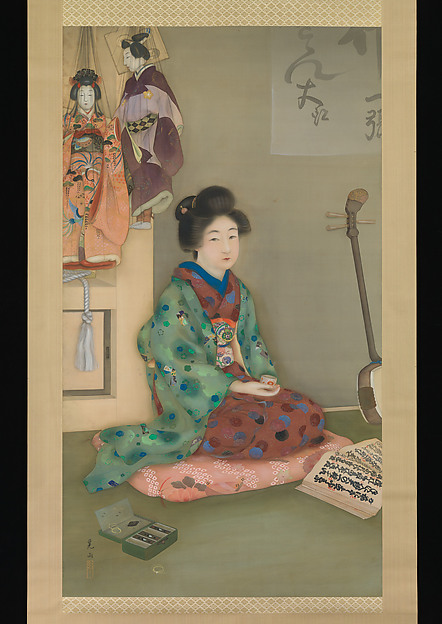
The Met credits Arai Kōu as the artist of Female Chanter for Jōruri Puppet Theater, dated ca. 1920. The museum records its format as “Hanging scroll” and its medium as “Hanging scroll; ink, color, and gold on silk.” Its collection record identifies the artist as “Japanese, active early 20th century.”
Its subjects include musical instruments.
Artist 11 of 30
Gochōtei Sadahiro 五蝶亭貞広
Japanese, active ca. 1825–50s
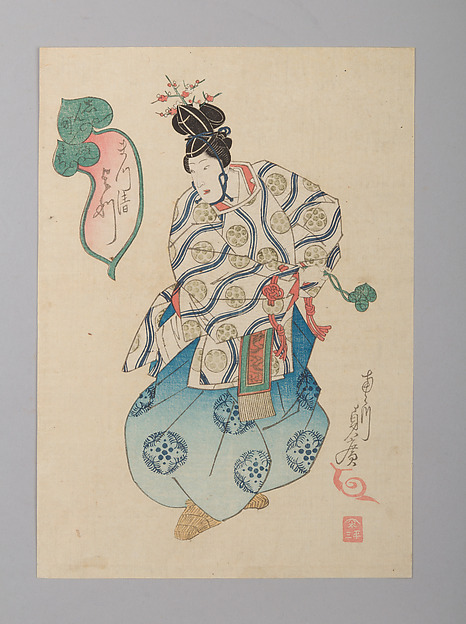
The Met credits Gochōtei Sadahiro 五蝶亭貞広 as the artist of Yotsu of the Matsukiyo Brothel Performing as a Shirabyōshi, from the series Sacred Dances in Shinmachi, dated 1841. The museum records its format as “Woodblock print” and its medium as “Woodblock print (nishiki-e); ink and color on paper; vertical chūban.” Its collection record identifies the artist as “Japanese, active ca. 1825–50s.”
Its subjects include actors.
Artist 12 of 30
Pierre Antoine Foullet
master 1765
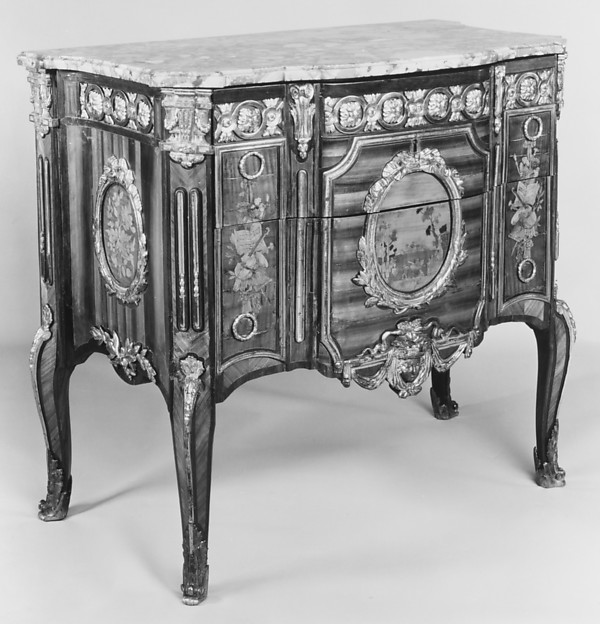
The Met credits Pierre Antoine Foullet as the maker of Commode, dated ca. 1760–70. The museum records its format as “Commode” and its medium as “Marquetry, harewood and various woods; gilt bronze, marble.” Its collection record identifies the artist as “master 1765.”
Its subjects include musical instruments.
Artist 13 of 30
Bertrand
French, active 19th century
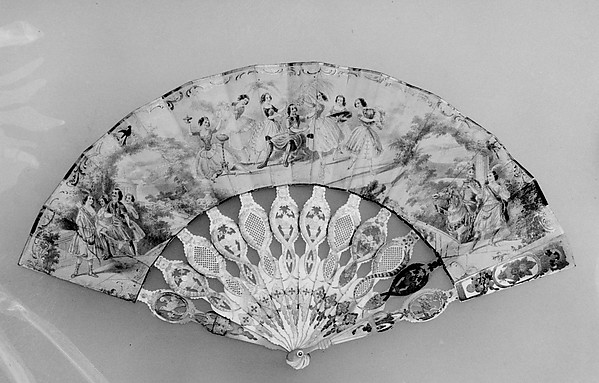
The Met credits Bertrand as the maker of Fan, dated mid-19th century. The museum records its format as “Fan” and its medium as “Paper, mother-of-pearl, gilt.” Its collection record identifies the artist as “French, active 19th century.”
Its subjects include dancing.
Artist 14 of 30
Bartolomeo Pinelli
Italian, Rome 1781–1835 Rome
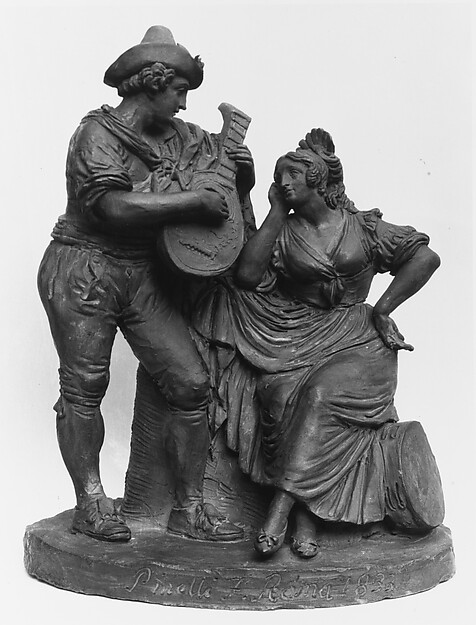
The Met credits Bartolomeo Pinelli as the artist of Statuette group, dated 1833. The museum records its format as “Statuette group” and its medium as “Terracotta.” Its collection record identifies the artist as “Italian, Rome 1781–1835 Rome.”
Its subjects include musical instruments, musicians.
Artist 15 of 30
Yan Geng
active late 13th century
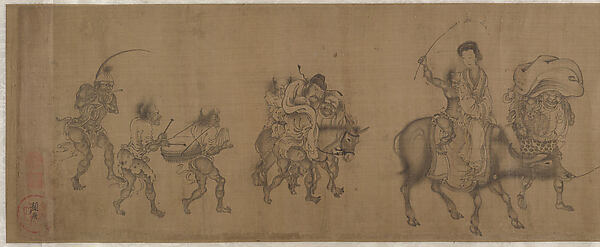
The Met credits Yan Geng as the artist of The Demon Queller Zhong Kui Giving His Sister Away in Marriage. The museum records its format as “Handscroll” and its medium as “Handscroll; ink on silk.” Its collection record identifies the artist as “active late 13th century.”
Its subjects include musical instruments.
Artist 16 of 30
Paul Dubois
French, Nogent-sur-Seine 1829–1905 Paris
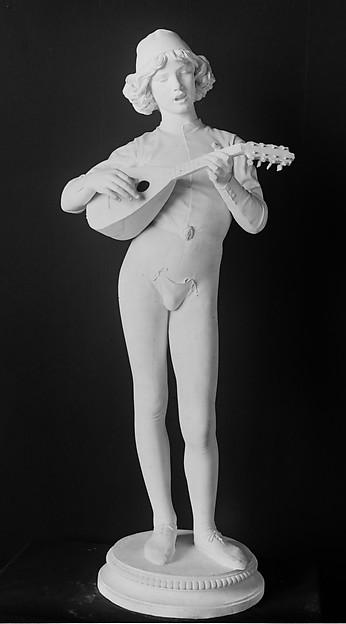
The Met credits Paul Dubois as the artist of Florentine Singer, dated 1865. The museum records its format as “Statuette” and its medium as “Plaster.” Its collection record identifies the artist as “French, Nogent-sur-Seine 1829–1905 Paris.”
Its subjects include musical instruments.
Artist 17 of 30
Carlo Antonio Testore
(Milan 1687-1765 Milan)
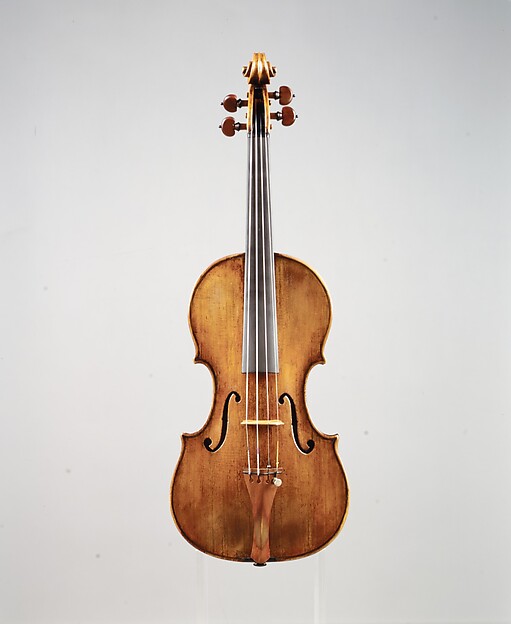
The Met credits Carlo Antonio Testore as the maker of Violin, dated 1737. The museum records its format as “Violin” and its medium as “Spruce, maple.” Its collection record identifies the artist as “(Milan 1687-1765 Milan).”
Artist 18 of 30
Juyōdō Toshikuni 壽陽堂歳国
Japanese, active ca. 1816–1830s
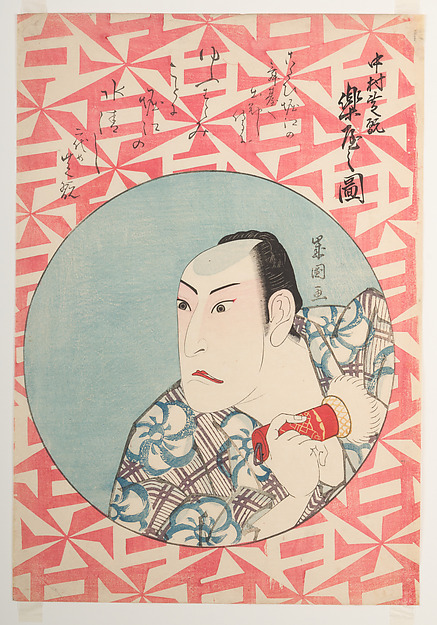
The Met credits Juyōdō Toshikuni 壽陽堂歳国 as the artist of Kabuki Actor Nakamura Shikan Backstage (Nakamura Shikan rakuya no zu), dated 1826. The museum records its format as “Woodblock print” and its medium as “Woodblock print; ink and color on paper.” Its collection record identifies the artist as “Japanese, active ca. 1816–1830s.”
Its subjects include actors.
Artist 19 of 30
Giovanni Battista Galliani
Italian, active ca. 1794
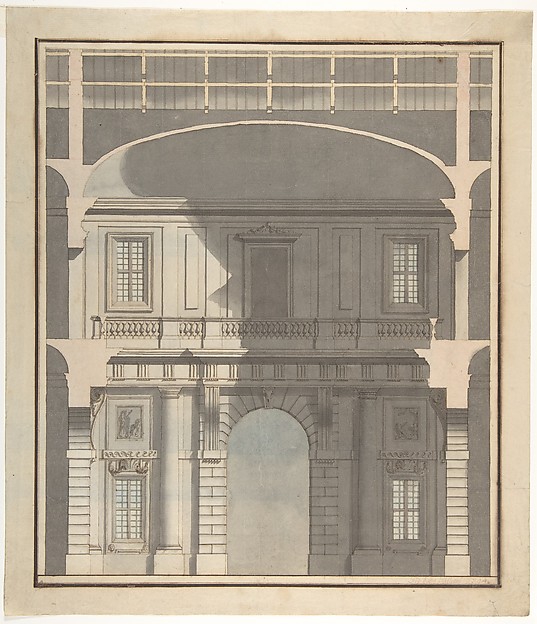
The Met credits Giovanni Battista Galliani as the artist of Design for a Stage Set: Design in Section of a Two-Storied Entrance Hall (Recto). Elevation Design for a Monumental Entrance with Columns and Rounded Pediment (Verso)., dated 1794. The museum records its format as “Drawing” and its medium as “Pen and brown ink, brush and gray, pale blue, pink wash over graphite or black chalk. Framing outlines in pen and brown ink. Verso: brush and gray wash over black chalk.” Its collection record identifies the artist as “Italian, active ca. 1794.”
Its subjects include stage design.
Artist 20 of 30
Thomas George Mackinlay
British, 1809–1865
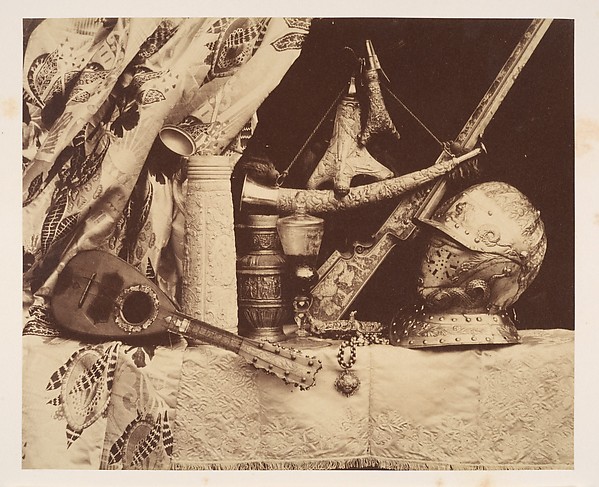
The Met credits Thomas George Mackinlay as the artist of Study for a Picture, dated 1856. The museum records its format as “Photograph” and its medium as “Albumen silver print.” Its collection record identifies the artist as “British, 1809–1865.”
Its subjects include musical instruments.
Artist 21 of 30
Suga Mitsusada
1738–1806
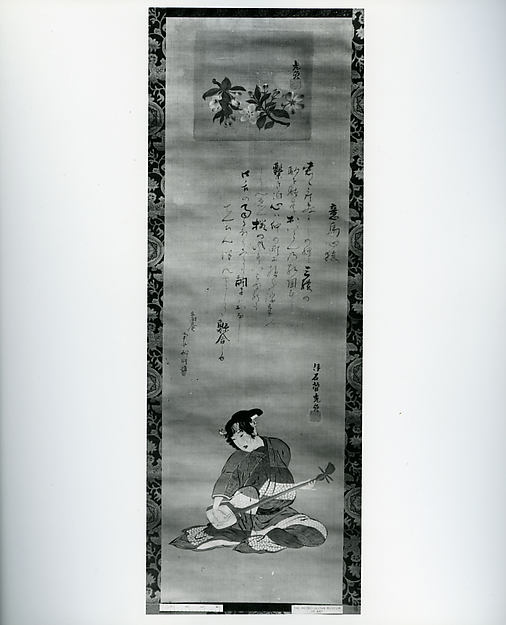
The Met credits Suga Mitsusada as the artist of Pleasure Quarters, dated 18th–19th century. The museum records its format as “Hanging scroll” and its medium as “Hanging scroll; ink and color on silk.” Its collection record identifies the artist as “1738–1806.”
Its subjects include musical instruments.
Artist 22 of 30
Charles Francis Albert, Sr.
(1842–1901)
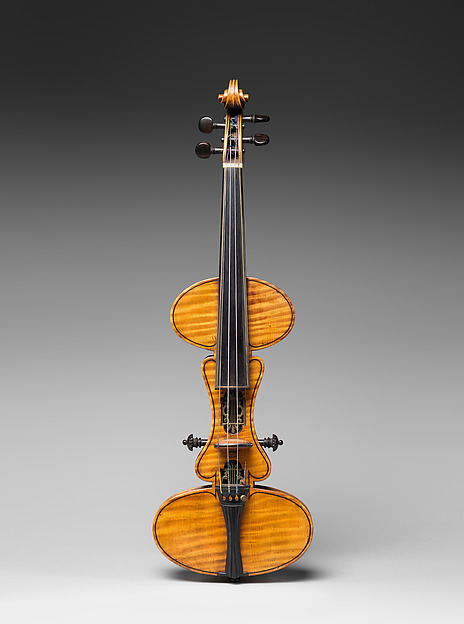
The Met credits Charles Francis Albert, Sr. as the maker of Mute Violin, dated ca. 1886. The museum records its format as “Mute Violin” and its medium as “Maple, ebony, brass, various other materials.” Its collection record identifies the artist as “(1842–1901).”
Artist 23 of 30
Ding Yunpeng
Chinese, 1547–ca. 1621
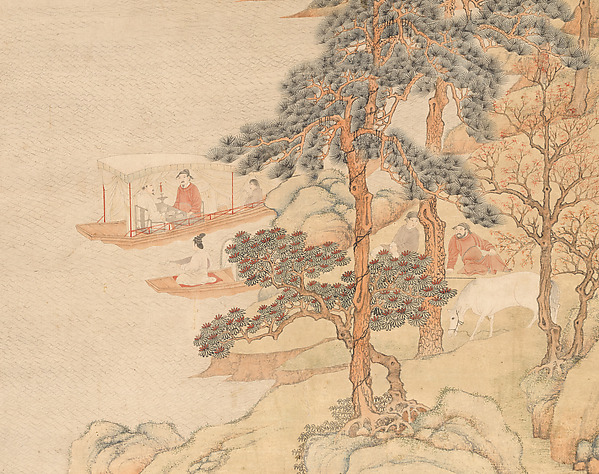
The Met credits Ding Yunpeng as the artist of Song of the Lute, dated 1585. The museum records its format as “Hanging scroll” and its medium as “Hanging scroll; ink and color on paper.” Its collection record identifies the artist as “Chinese, 1547–ca. 1621.”
Artist 24 of 30
Daniel Sigmund Dockler the Younger
1667–1753, master 1696
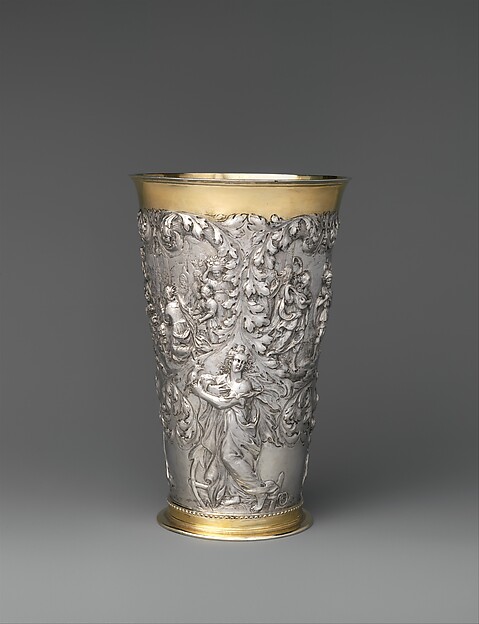
The Met credits Daniel Sigmund Dockler the Younger as the maker of Beaker, dated late 17th century. The museum records its format as “Beaker” and its medium as “Silver, partly gilded.” Its collection record identifies the artist as “1667–1753, master 1696.”
Its subjects include musical instruments.
Artist 25 of 30
Andrea Commodi
Italian, Florence 1560–1638 Florence
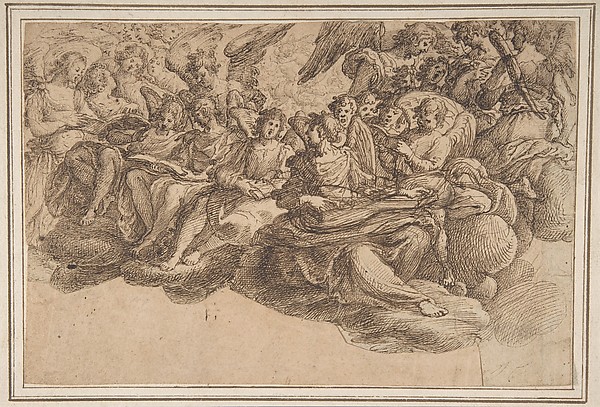
The Met credits Andrea Commodi as the artist of Music-Making Angels Seated on Clouds, dated ca. 1616. The museum records its format as “Drawing” and its medium as “Pen and brown ink, on beige paper.” Its collection record identifies the artist as “Italian, Florence 1560–1638 Florence.”
Its subjects include musical instruments.
Artist 26 of 30
Antoine-Louis Barye
French, Paris 1795–1875 Paris
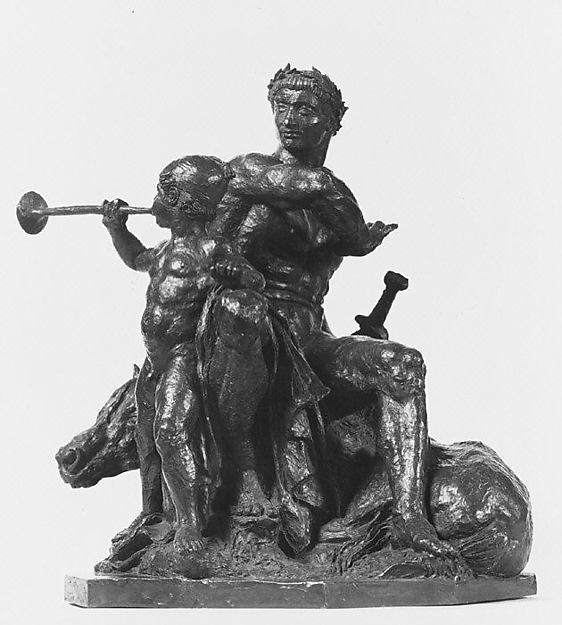
The Met credits Antoine-Louis Barye as the artist of The War, dated modeled in 1855, cast after 1893. The museum records its format as “Statuette group” and its medium as “Bronze (lost-wax).” Its collection record identifies the artist as “French, Paris 1795–1875 Paris.”
Its subjects include musical instruments.
Artist 27 of 30
Gillis van Tilborgh
Flemish, ca. 1625–ca. 1678

The Met credits Gillis van Tilborgh as the artist of Group Portrait: A Wedding Celebration. The museum records its format as “Painting” and its medium as “Oil on canvas.” Its collection record identifies the artist as “Flemish, ca. 1625–ca. 1678.”
Its subjects include musicians.
Artist 28 of 30
Antonio Mauro II
Italian, active 1784–97
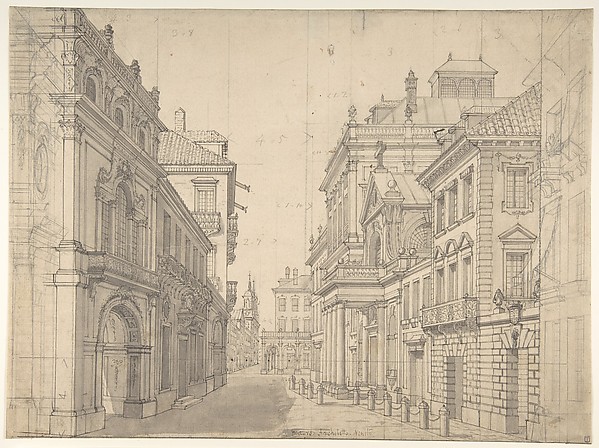
The Met credits Antonio Mauro II as the artist of Perspective Design for a Stage Set of an Italian Cityscape, dated 1784–97. The museum records its format as “Drawing Ornament & Architecture” and its medium as “Pen and black ink, brown and gray wash and leadpoint with vertical lines in leadpoint for the architectural construction.” Its collection record identifies the artist as “Italian, active 1784–97.”
Its subjects include stage design.
Artist 29 of 30
Antoine Vestier
French, 1740–1824
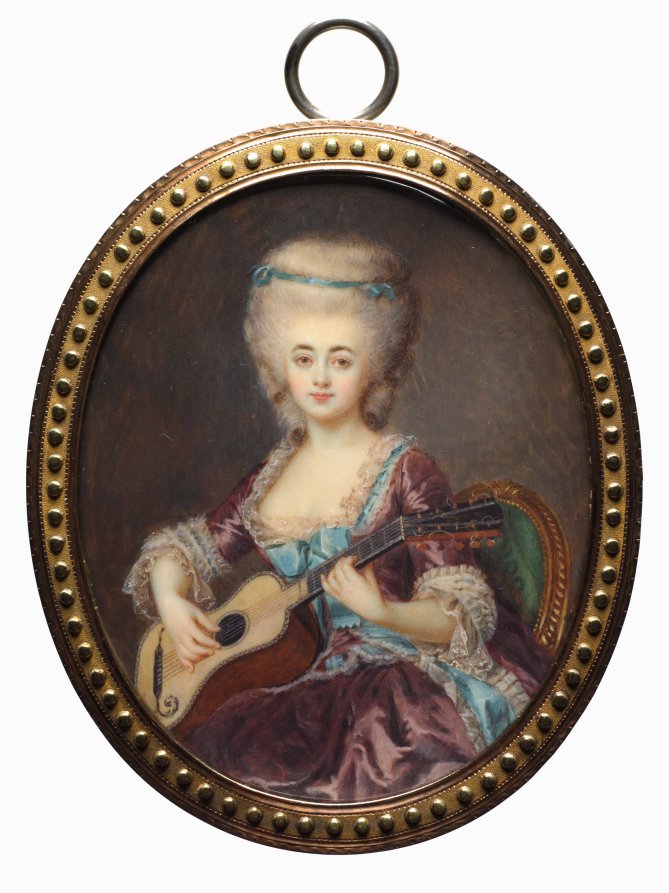
The Cleveland Museum of Art credits Antoine Vestier as artist of Portrait of a Woman with a Guitar, called Louise D'Aumont, Mazarin, Duchesse d'Aumont, dated late 18th century. The museum records its format as “Portrait Miniature” and its medium as “watercolor on ivory in gold mount.” The creator record gives this identity context: “French, 1740–1824.”
Artist 30 of 30
Gabriel de Saint-Aubin
French, 1724–1780
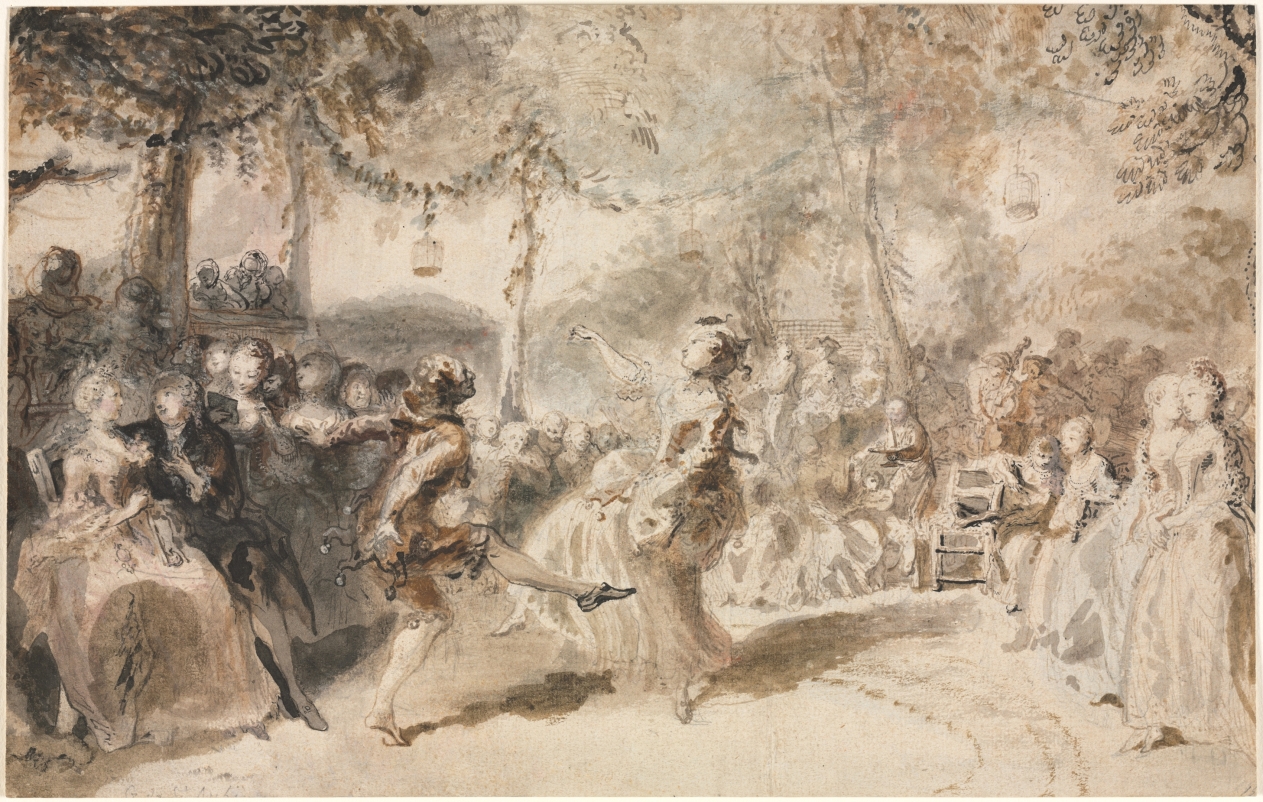
The Cleveland Museum of Art credits Gabriel de Saint-Aubin as artist of Costumed Dancers Performing in a Garden Tavern, dated 1756. The museum records its format as “Drawing” and its medium as “brush and brown and gray wash, with gouache, watercolor, and traces of graphite.” The creator record gives this identity context: “French, 1724–1780.”


