Beyond Familiar Names · Subject 06 of 20 · 30 artists
A street connects individual lives through routes, thresholds, and shared space. Buildings can guide the eye like a corridor, while a crowd or a single vehicle changes our sense of its pace. The thirty artists in this chapter invite us to examine how particular works make a settlement feel inhabited. Look for the relation between near and distant figures, open squares and narrow passages, movement and waiting. A place name locates the scene, but the artist's chosen viewpoint determines which version of that place we encounter.
A 4½-minute gallery film featuring all 30 artists in this chapter. Music and artwork credits appear in the film and below.
Film soundtrack: Artists by Medium 06 - Acid and Memory — an existing original instrumental from the Incoprea library, created with Suno under the owner’s Premier subscription.
Looking closely
Trace how buildings, routes, and human activity turn a place into a lived environment.
Explore the 20 subjects
- 01. Faces and Identities
- 02. Bodies and Gesture
- 03. Childhood and Family
- 04. Rooms and Daily Life
- 05. Work and Trade
- 06. Streets and City Life
- 07. Architecture and Built Space
- 08. Land and Sky
- 09. Water and Voyages
- 10. Plants and Gardens
- 11. Animals and Other Creatures
- 12. Dress and Self-Presentation
- 13. Music, Theatre and Dance
- 14. Sacred Stories and Devotion
- 15. Myth, Allegory and Fantasy
- 16. Power, Conflict and Public Memory
- 17. Books, Words and Knowledge
- 18. Pattern and Ornament
- 19. Vessels and Useful Beauty
- 20. Small Treasures and Keepsakes
The 30 artists in this chapter
- U Paw Hnyun
- Thomas Godwin
- Bela Lyon Pratt
- Andreas Schneidmann
- E. Howell
- Thomas C. Roche
- G. Boetto
- Alfred Wordsworth Thompson
- George Stokes
- Giacomo Monticolo of Vicenza
- H. Sewell
- Edward Lamson Henry
- John Anthony
- Glenn Stuart Pearce
- Eugène Lavieille
- Joseph Vigier
- Andries Vermeulen
- Robert Adams
- Utagawa Kunitoshi
- Inoue Yasuji
- Phil May
- Nishimura Shigenaga
- Utagawa Kunisada II
- Utagawa Toyoharu
- Utagawa Toyohiro
- Kobayashi Kiyochika
- Torii Kiyonobu I
- Utagawa Yoshiiku
- Edward Anthony
- Charles Sheeler
Artist 01 of 30
U Paw Hnyun
Burmese, second half 19th century
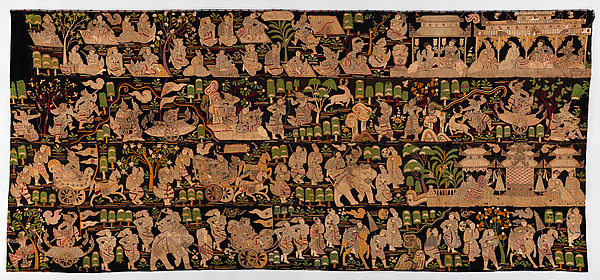
The Met credits U Paw Hnyun as the artist of Scenes from the Thiri Rama, the Burmese adaptation of the Ramayana, dated ca. 1870–85. The museum records its format as “Temple hanging (kalaga)” and its medium as “Pictorial textile hanging (kalaga); appliqué and embroidery on velvet with applied sequins, glass seed pearls, gold-gilt and silver-gilt metal thread.” Its collection record identifies the artist as “Burmese, second half 19th century.”
Its subjects include carriages.
Artist 02 of 30
Thomas Godwin
active ca. 1834–54
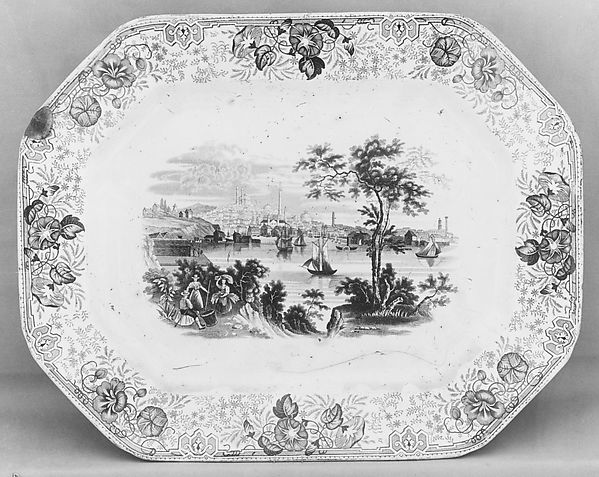
The Met credits Thomas Godwin as the maker of Baltimore, dated ca. 1840–ca. 1850. The museum records its format as “Platter” and its medium as “Earthenware, transfer-printed.” Its collection record identifies the artist as “active ca. 1834–54.”
Its subjects include cities.
Artist 03 of 30
Bela Lyon Pratt
1867–1917
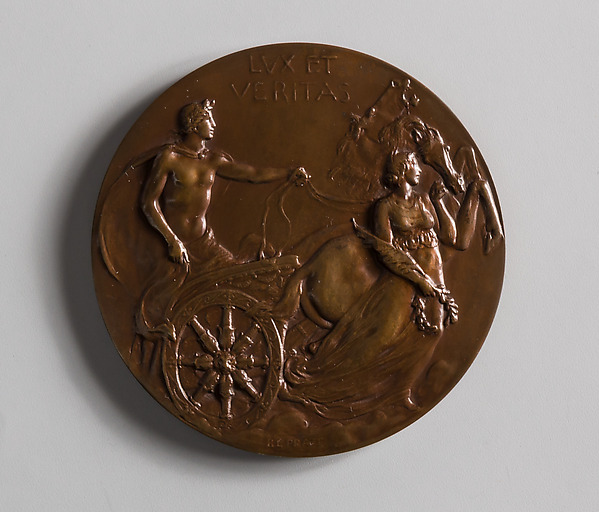
The Met credits Bela Lyon Pratt as the artist of Yale University Bicentennial, dated 1901. The museum records its format as “Medal” and its medium as “Bronze.” Its collection record identifies the artist as “1867–1917.”
Its subjects include carriages.
Artist 04 of 30
Andreas Schneidmann
German, 1698–1759
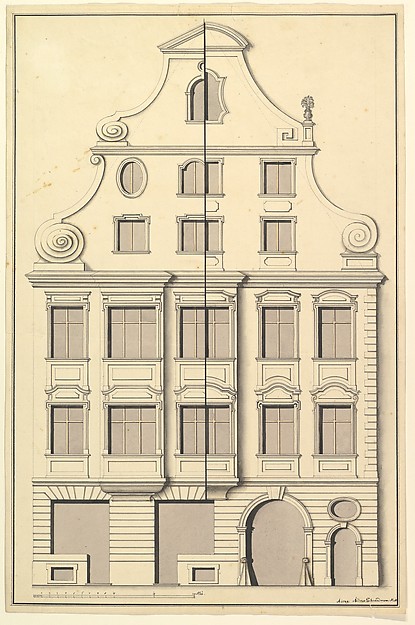
The Met credits Andreas Schneidmann as the artist of Drawing for the Street Elevation of a Town House, dated 1729. The museum records its format as “Drawing Ornament & Architecture” and its medium as “Pen and black ink, and watercolor. Framing lines in black ink.” Its collection record identifies the artist as “German, 1698–1759.”
Artist 05 of 30
E. Howell
American, active 1850–1870
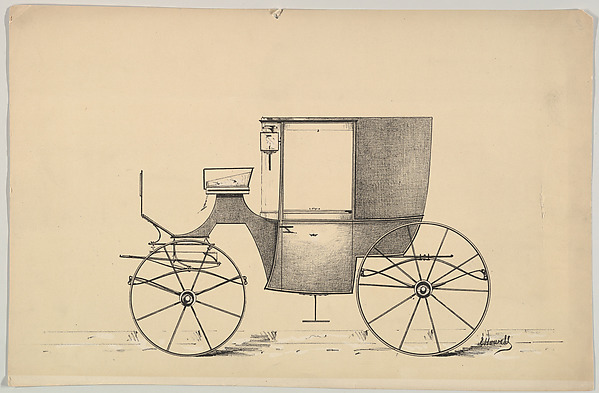
The Met credits E. Howell as the artist of Coupé (unnumbered), dated 1850–70. The museum records its format as “Print” and its medium as “lithograph with white gouache details.” Its collection record identifies the artist as “American, active 1850–1870.”
Its subjects include carriages.
Artist 06 of 30
Thomas C. Roche
American, 1826–1895
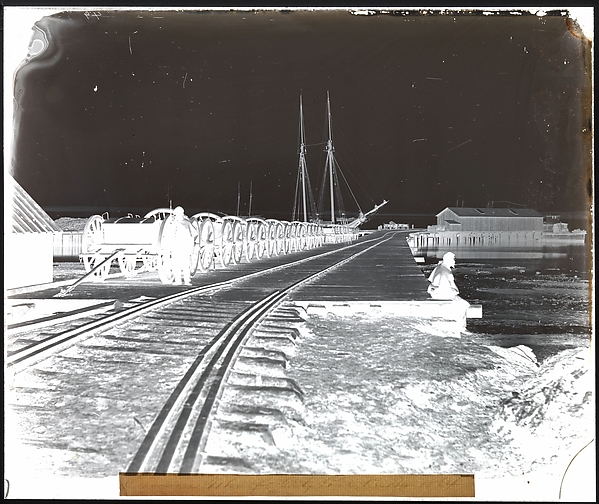
The Met credits Thomas C. Roche as the artist of Ordnance Wharf, City Point, Virginia, dated 1865. The museum records its format as “Negative; Photograph” and its medium as “Collodion glass negative.” Its collection record identifies the artist as “American, 1826–1895.”
Artist 07 of 30
G. Boetto
Italian, active 17th century
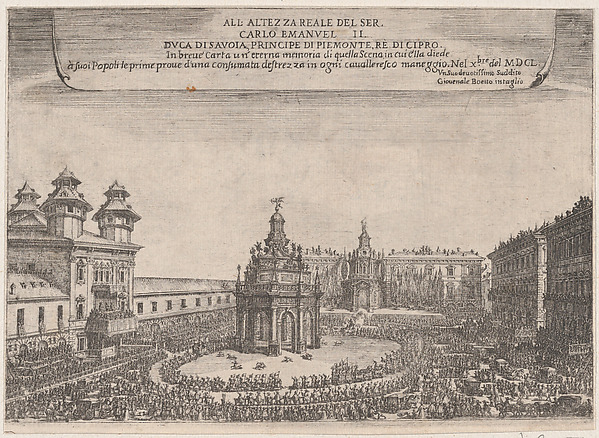
The Met credits G. Boetto as the artist of Festival in Turin, October 1650, dated 1650. The museum records its format as “Print, Fete, Ornament & Architecture” and its medium as “Etching.” Its collection record identifies the artist as “Italian, active 17th century.”
Its subjects include crowds.
Artist 08 of 30
Alfred Wordsworth Thompson
American, Baltimore, Maryland 1840–1896 Summit, New Jersey
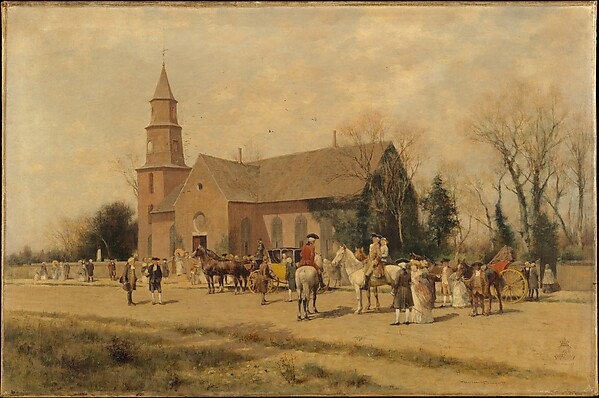
The Met credits Alfred Wordsworth Thompson as the artist of Old Bruton Church, Williamsburg, Virginia, in the Time of Lord Dunmore, dated 1893. The museum records its format as “Painting” and its medium as “Oil on canvas.” Its collection record identifies the artist as “American, Baltimore, Maryland 1840–1896 Summit, New Jersey.”
Its subjects include carriages.
Artist 09 of 30
George Stokes
British, 1819–1903
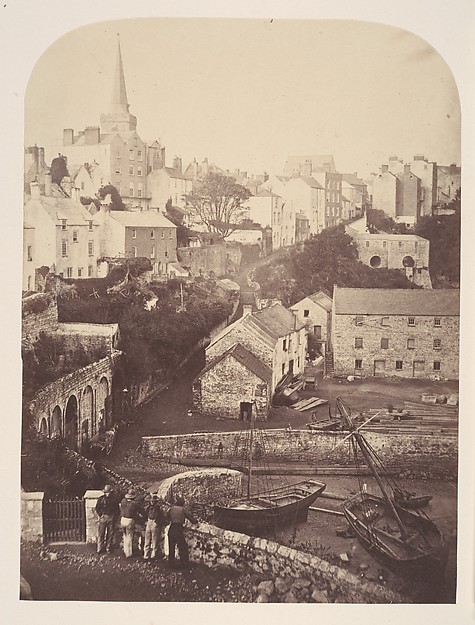
The Met credits George Stokes as the artist of Part of Tenby Town and Harbour, dated 1853. The museum records its format as “Photograph” and its medium as “Albumen silver print.” Its collection record identifies the artist as “British, 1819–1903.”
Artist 10 of 30
Giacomo Monticolo of Vicenza
Italian, 17th century
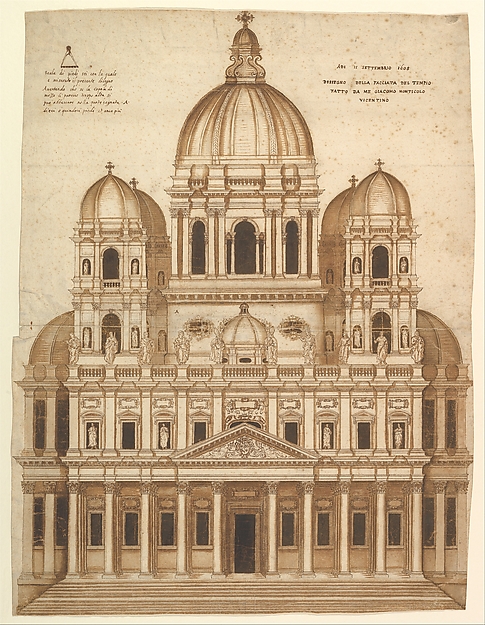
The Met credits Giacomo Monticolo of Vicenza as the artist of Unexecuted Design for the Façade of the Church of Santa Maria in Araceli in the city of Vicenza, dated 1608. The museum records its format as “Ornament & Architecture” and its medium as “Pen and brown ink and brush and brown wash.” Its collection record identifies the artist as “Italian, 17th century.”
Artist 11 of 30
H. Sewell
American, active New York, 1836–37
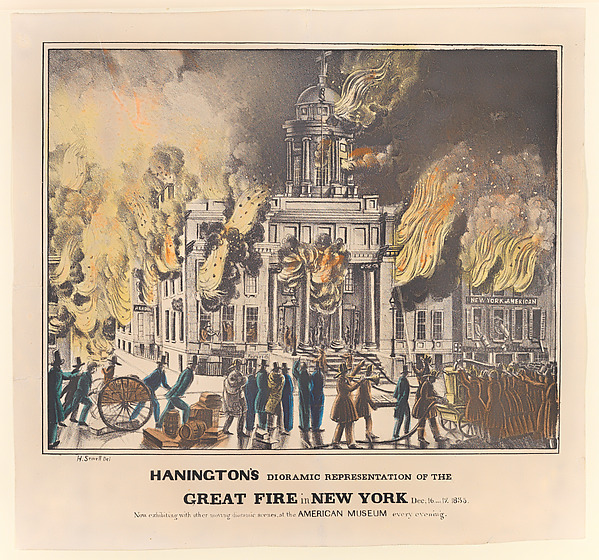
The Met credits H. Sewell as the artist of Hanington's Dioramic Representation of the Great Fire in New York, Dec. 16 and 17, 1835. Now Exhibiting with Other Moving Dioramic Scenes, at the American Museum Every Evening.., dated 1836. The museum records its format as “Print” and its medium as “Hand-colored lithograph.” Its collection record identifies the artist as “American, active New York, 1836–37.”
Its subjects include cities.
Artist 12 of 30
Edward Lamson Henry
American, Charleston, South Carolina 1841–1919 Ellenville, New York
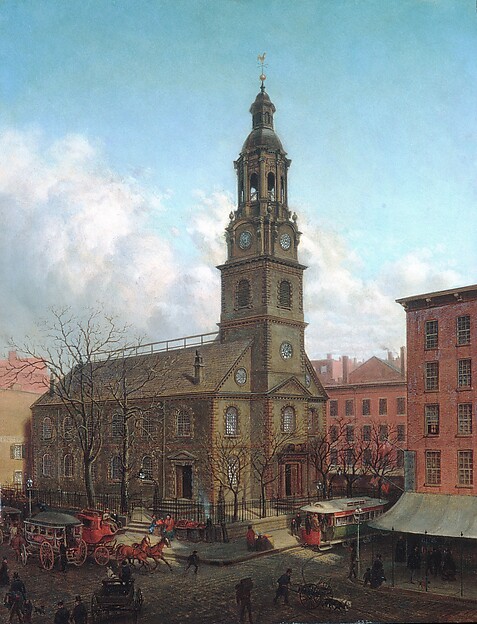
The Met credits Edward Lamson Henry as the artist of The North Dutch Church, Fulton and William Streets, New York, dated 1869. The museum records its format as “Painting” and its medium as “Oil on academy board.” Its collection record identifies the artist as “American, Charleston, South Carolina 1841–1919 Ellenville, New York.”
Its subjects include carriages, streets.
Artist 13 of 30
John Anthony
British (born France), 1823–1901
![[Jerusalem] — John Anthony](https://images.metmuseum.org/CRDImages/ph/web-large/DP111357.jpg)
The Met credits John Anthony as the artist of [Jerusalem], dated 1857. The museum records its format as “Photograph” and its medium as “Albumen silver print from glass negative.” Its collection record identifies the artist as “British (born France), 1823–1901.”
Its subjects include cities.
Artist 14 of 30
Glenn Stuart Pearce
American, 1909–1986
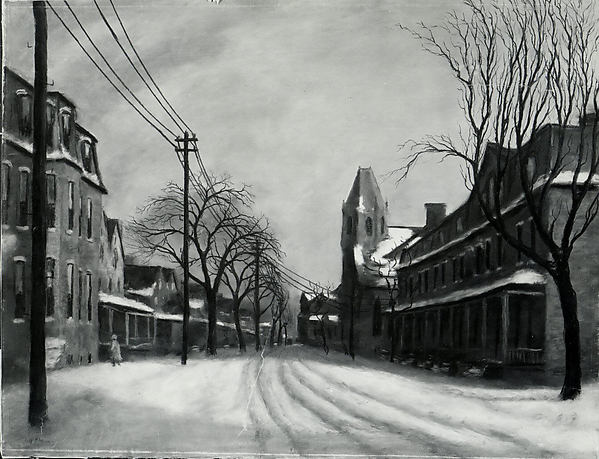
The Met credits Glenn Stuart Pearce as the artist of Winter Sunlight, dated ca. 1939. The museum records its format as “Drawing” and its medium as “Pastel on paper.” Its collection record identifies the artist as “American, 1909–1986.”
Its subjects include streets.
Artist 15 of 30
Eugène Lavieille
French, Paris 1820–1889 Paris
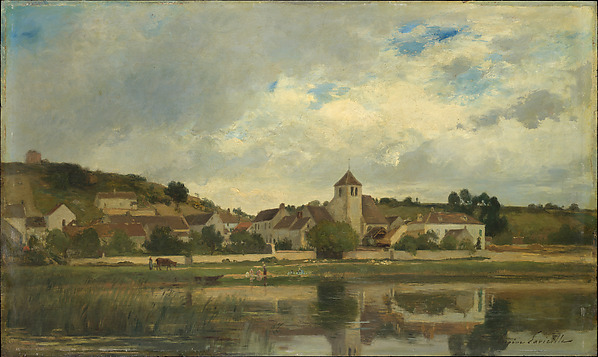
The Met credits Eugène Lavieille as the artist of The Village of La Celle-sous-Moret. The museum records its format as “Painting” and its medium as “Oil on wood.” Its collection record identifies the artist as “French, Paris 1820–1889 Paris.”
Artist 16 of 30
Joseph Vigier
French, 1821–1862
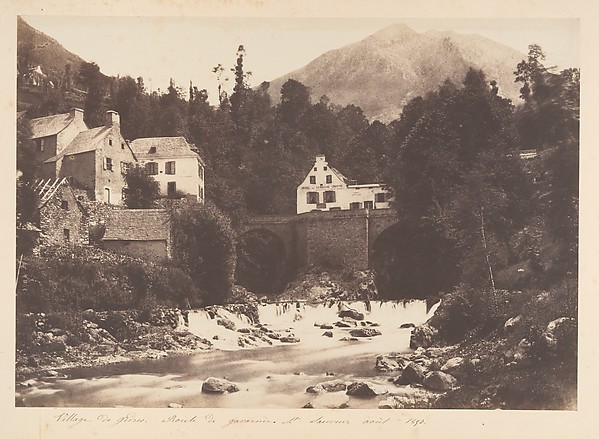
The Met credits Joseph Vigier as the artist of Village de Gèdres, Route de Gavarnie, dated 1853. The museum records its format as “Photograph” and its medium as “Salted paper print from paper negative.” Its collection record identifies the artist as “French, 1821–1862.”
Artist 17 of 30
Andries Vermeulen
Dutch, Dordrecht 1793–1814 Amsterdam
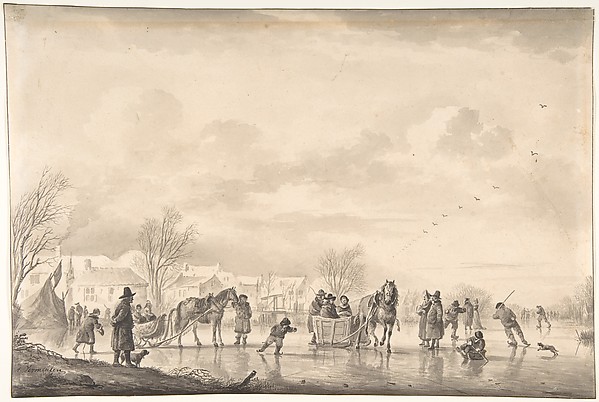
The Met credits Andries Vermeulen as the artist of Winter Landscape with Skaters and Horse-Drawn Sledges on the Ice, a Village Below, dated n.d. The museum records its format as “Drawing” and its medium as “Point of the brush and gray and black in and wash.” Its collection record identifies the artist as “Dutch, Dordrecht 1793–1814 Amsterdam.”
Artist 18 of 30
Robert Adams
British (?), active ca. 1900
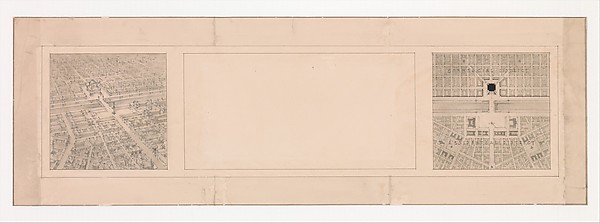
The Met credits Robert Adams as the artist of Design and Plan for a City Bisected by Train Tracks, dated ca. 1900. The museum records its format as “Drawing Ornament and Architecture” and its medium as “Pen and ink, brush and wash.” Its collection record identifies the artist as “British (?), active ca. 1900.”
Its subjects include cities.
Artist 19 of 30
Utagawa Kunitoshi
Japanese, active 2nd half of 19th century
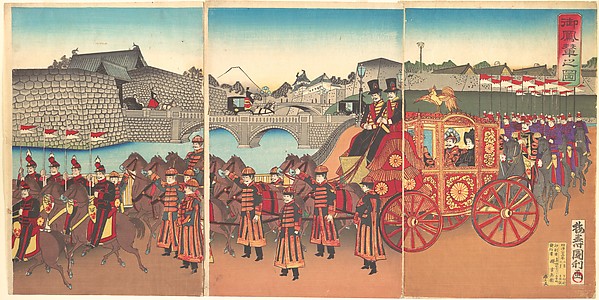
The Met credits Utagawa Kunitoshi as the artist of Illustration of the Imperial Carriage (Gohōren no zu), dated 1889. The museum records its format as “Print” and its medium as “One sheet of a triptych of woodblock prints; ink and color on paper.” Its collection record identifies the artist as “Japanese, active 2nd half of 19th century.”
Its subjects include carriages.
Artist 20 of 30
Inoue Yasuji
Japanese, 1864–1889
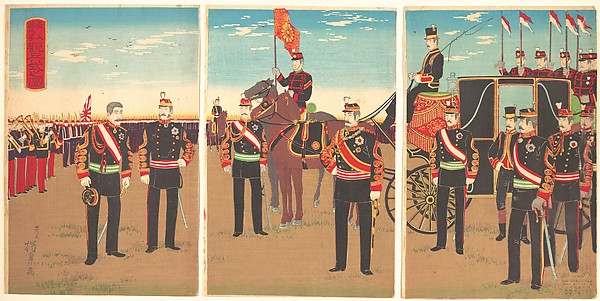
The Met credits Inoue Yasuji as the artist of Review of Troops at the Aoyama Parade Grounds, dated June 1888. The museum records its format as “Woodblock print” and its medium as “Triptych of woodblock prints (nishiki-e); ink and color on paper.” Its collection record identifies the artist as “Japanese, 1864–1889.”
Its subjects include carriages.
Artist 21 of 30
Phil May
British, New Wortley, Leeds 1864–1903 London
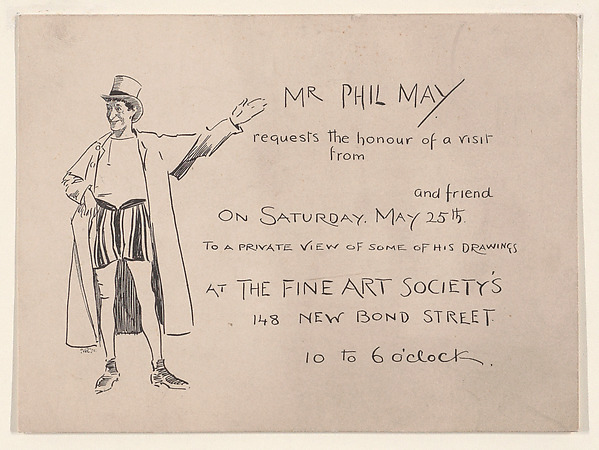
The Met credits Phil May as the artist of Invitation from Phil May to a Private View of his Drawings at the Fine Art Society, 148 New Bond Street, dated 1895. The museum records its format as “Print” and its medium as “Lithograph.” Its collection record identifies the artist as “British, New Wortley, Leeds 1864–1903 London.”
Artist 22 of 30
Nishimura Shigenaga
Japanese, 1697–1756
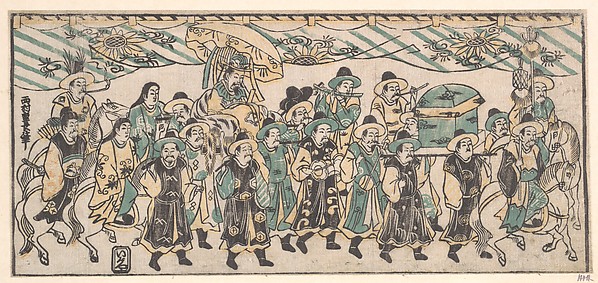
The Met credits Nishimura Shigenaga as the artist of The Korean Ambassador on His Way to the Capital, dated 18th century. The museum records its format as “Print” and its medium as “Woodblock print; ink and color on paper.” Its collection record identifies the artist as “Japanese, 1697–1756.”
Its subjects include crowds.
Artist 23 of 30
Utagawa Kunisada II
Japanese, 1823–1880
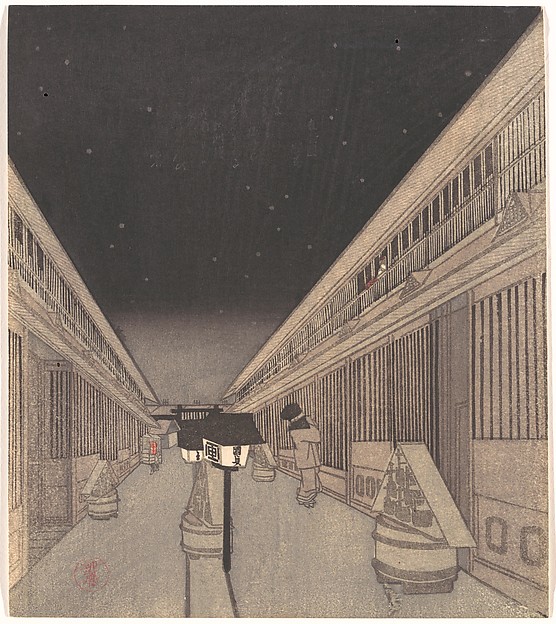
The Met credits Utagawa Kunisada II as the artist of Main Street of the Yoshiwara on a Starlight Night, dated 1852–64. The museum records its format as “Print” and its medium as “Woodblock print (surimono); ink and color on paper.” Its collection record identifies the artist as “Japanese, 1823–1880.”
Its subjects include streets.
Artist 24 of 30
Utagawa Toyoharu
Japanese, 1735–1814
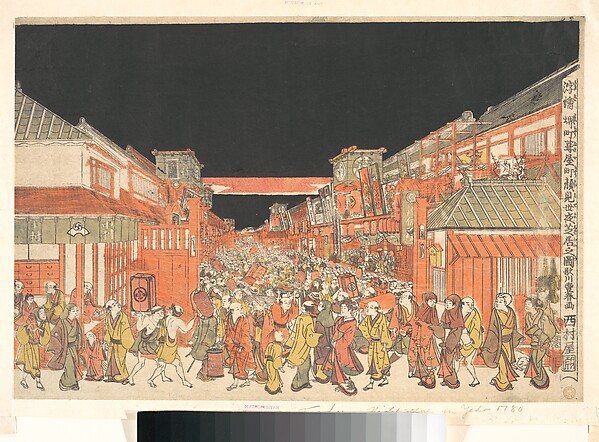
The Met credits Utagawa Toyoharu as the artist of Perspective Print (Uki-e) of the Theaters in Sakaichō and Fukiyachō on Opening Night, dated ca. 1780. The museum records its format as “Print” and its medium as “Woodblock print (nishiki-e); ink and color on paper; horizontal ōban.” Its collection record identifies the artist as “Japanese, 1735–1814.”
Its subjects include crowds.
Artist 25 of 30
Utagawa Toyohiro
Japanese, 1763–1828
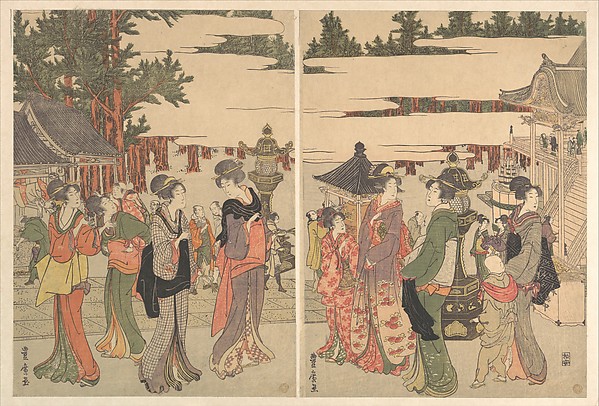
The Met credits Utagawa Toyohiro as the artist of Horinouchi Myo-ho-ji Eho Mairi no Zu, dated ca. 1804. The museum records its format as “Print” and its medium as “Two sheets of a pentaptych of woodblock prints; ink and color on paper.” Its collection record identifies the artist as “Japanese, 1763–1828.”
Its subjects include crowds.
Artist 26 of 30
Kobayashi Kiyochika
Japanese, 1847–1915
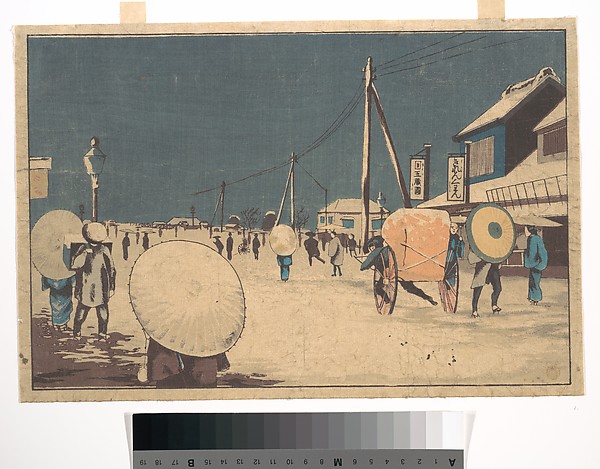
The Met credits Kobayashi Kiyochika as the artist of Street Scene in the Outskirts of Edo on an Evening in Winter, dated ca. 1878. The museum records its format as “Print” and its medium as “Woodblock print; ink and color on paper.” Its collection record identifies the artist as “Japanese, 1847–1915.”
Its subjects include carriages, streets.
Artist 27 of 30
Torii Kiyonobu I
Japanese, 1664–1729
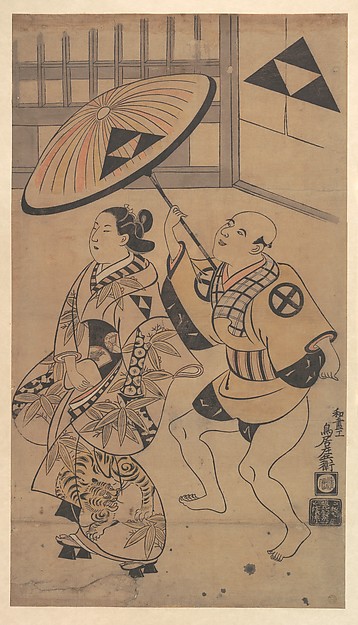
The Met credits Torii Kiyonobu I as the artist of The Actor Ikushima Daikichi as an Oiran on Parade in the Streets of the Yoshiwara, dated ca. 1701–06. The museum records its format as “Print” and its medium as “Woodblock print; ink and color on paper.” Its collection record identifies the artist as “Japanese, 1664–1729.”
Its subjects include streets.
Artist 28 of 30
Utagawa Yoshiiku
Japanese, 1833–1904
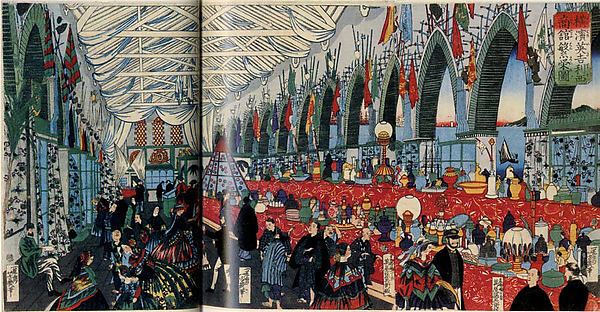
The Met credits Utagawa Yoshiiku as the artist of Picture of a Prosperous English Trading Firm in Yokohama, dated January 1871. The museum records its format as “Print” and its medium as “Triptych of woodblock prints; ink and color on paper.” Its collection record identifies the artist as “Japanese, 1833–1904.”
Its subjects include crowds.
Artist 29 of 30
Edward Anthony
American, 1818–1888
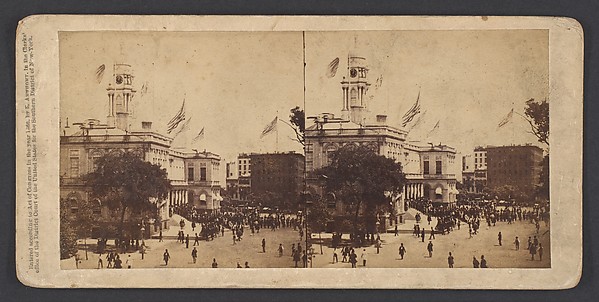
The Met credits Edward Anthony as the artist of The Populace Begin to Gather in Front of the City Hall to Witness the Arrival of the Embassy on Their Visit to the Governor and Mayor, dated 1860. The museum records its format as “Photograph” and its medium as “Albumen silver print from glass negative.” Its collection record identifies the artist as “American, 1818–1888.”
Its subjects include cities.
Artist 30 of 30
Charles Sheeler
American, 1883–1965
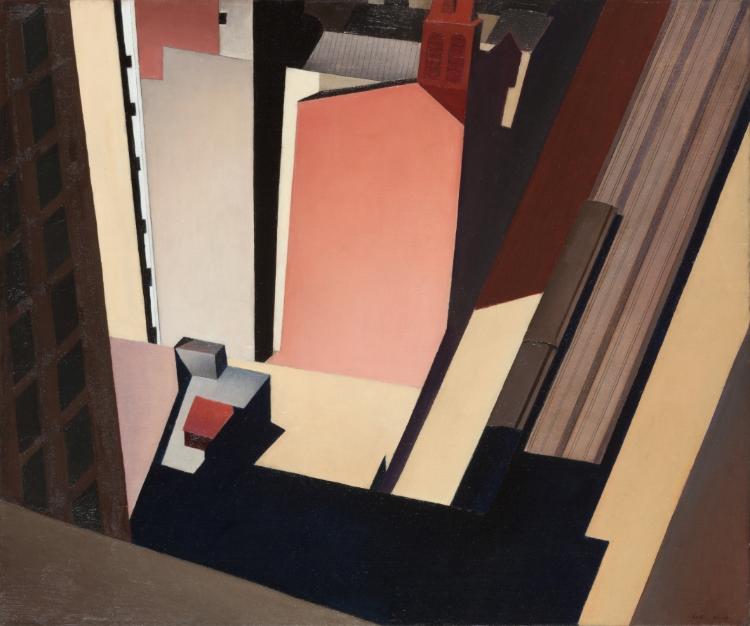
The Cleveland Museum of Art credits Charles Sheeler as artist of Church Street El, dated 1920. The museum records its format as “Painting” and its medium as “oil on canvas.” The creator record gives this identity context: “American, 1883–1965.”