Beyond Familiar Names · Subject 03 of 20 · 30 artists
Children and families bring questions of closeness, dependence, and belonging into an image. Who stands beside whom, who looks away, and how much room does each person receive? These thirty artists provide starting points for looking at childhood and relationships through specific works. Pay attention to differences of scale, shared objects, repeated poses, and the distance between figures. A title may identify a family relationship; where it does not, keep affection, kinship, and household membership as possibilities to investigate rather than facts to assume.
A 4½-minute gallery film featuring all 30 artists in this chapter. Music and artwork credits appear in the film and below.
Film soundtrack: Artists by Medium 03 - Opaque Bloom — an existing original instrumental from the Incoprea library, created with Suno under the owner’s Premier subscription.
Looking closely
Ask how the work frames childhood, kinship, or the place of one generation beside another.
Explore the 20 subjects
- 01. Faces and Identities
- 02. Bodies and Gesture
- 03. Childhood and Family
- 04. Rooms and Daily Life
- 05. Work and Trade
- 06. Streets and City Life
- 07. Architecture and Built Space
- 08. Land and Sky
- 09. Water and Voyages
- 10. Plants and Gardens
- 11. Animals and Other Creatures
- 12. Dress and Self-Presentation
- 13. Music, Theatre and Dance
- 14. Sacred Stories and Devotion
- 15. Myth, Allegory and Fantasy
- 16. Power, Conflict and Public Memory
- 17. Books, Words and Knowledge
- 18. Pattern and Ornament
- 19. Vessels and Useful Beauty
- 20. Small Treasures and Keepsakes
The 30 artists in this chapter
- Anna Matilda Curtis
- Fujita
- Charles-Louis Constans
- Leroux
- Emma H. Flint
- Rudolph T. Lux
- Gyosei Shuntei
- Charles L. Philippi
- Mary Ann Parks Hammond
- William Adams
- Antoine-Emile Plassan
- Katsukawa Shunchō
- Etienne Barthélemy Garnier
- James Wallace Black
- Barent Fabritius
- Faustino Bocchi
- Jean Baptiste Oscar Mallitte
- Richard Collins
- Chōbunsai Eishi
- Olympe Aguado de las Marismas
- Sampson Towgood Roch
- Barthel Bruyn the Younger
- Francesco Stringa
- Désiré Charnay
- Bartholomew Dandridge
- François Joseph Navez
- Oscar Gustav Rejlander
- Hokkyō Kōitsu
- Eugène-Ernest Hillemacher
- Komatsuken Shoshoken (Shakeiko)
Artist 01 of 30
Anna Matilda Curtis
1802–39
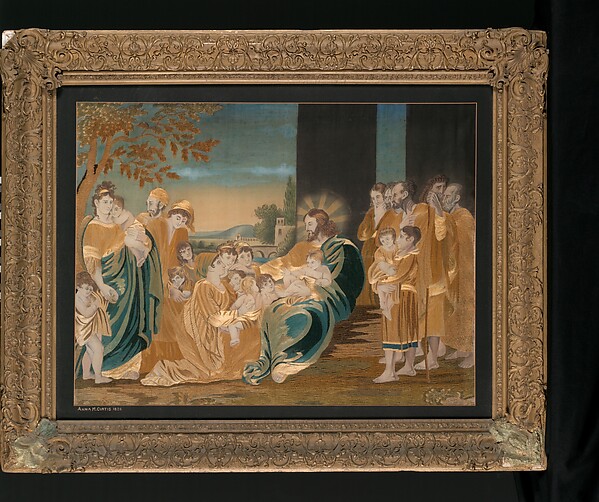
The Met credits Anna Matilda Curtis as the maker of Needlework picture, dated 1820. The museum records its format as “Needlework picture” and its medium as “Silk thread on silk ground with watercolor paint.” Its collection record identifies the artist as “1802–39.”
Its subjects include children.
Artist 02 of 30
Fujita
Japanese, active 1880s
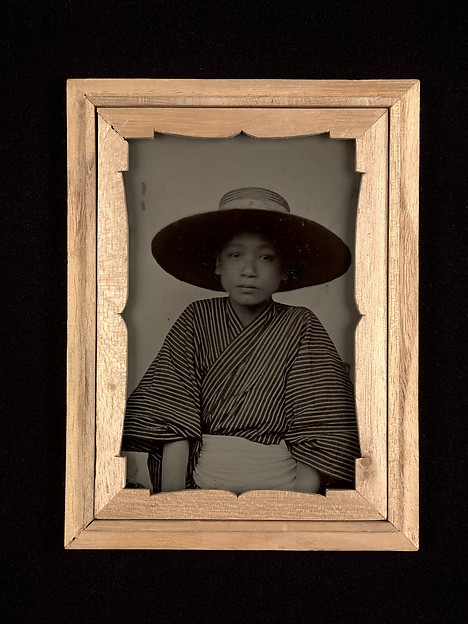
The Met credits Fujita as the artist of Kenji Morita, dated 1886. The museum records its format as “Ambrotype” and its medium as “Ambrotype.” Its collection record identifies the artist as “Japanese, active 1880s.”
Its subjects include boys.
Artist 03 of 30
Charles-Louis Constans
French, active Paris, 1803–40
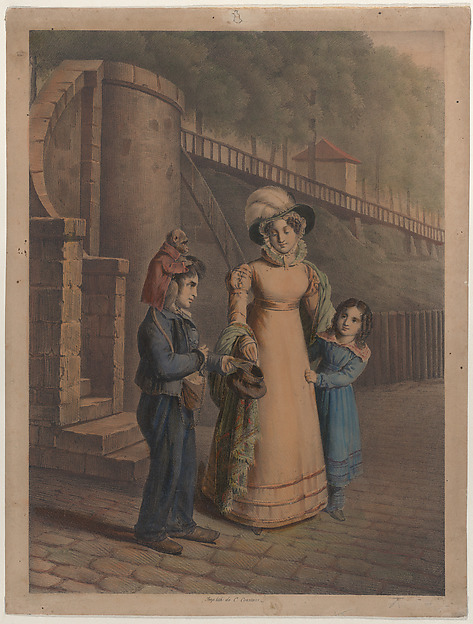
The Met credits Charles-Louis Constans as the artist of Boy with a monkey on his shoulder receiving coins from a mother and daughter, dated 1803–40. The museum records its format as “Print” and its medium as “Color lithograph.” Its collection record identifies the artist as “French, active Paris, 1803–40.”
Its subjects include boys, girls.
Artist 04 of 30
Leroux
French, 18th century
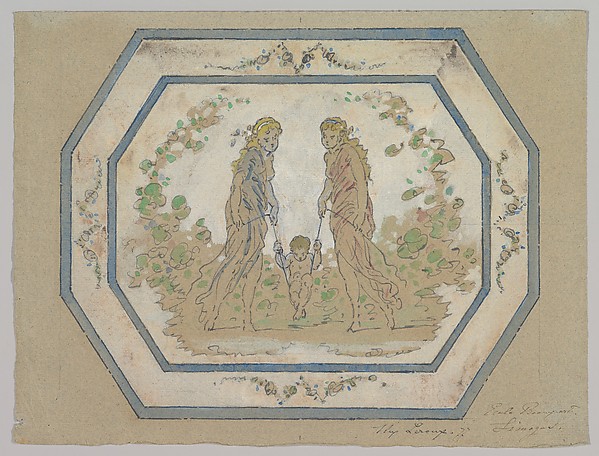
The Met credits Leroux as the artist of Design for a Porcelain Platter, dated 1777. The museum records its format as “Drawing” and its medium as “Watercolor heightened with white.” Its collection record identifies the artist as “French, 18th century.”
Its subjects include children.
Artist 05 of 30
Emma H. Flint
American, 1814–1865

The Met credits Emma H. Flint as the maker of Family Record Sampler, dated 1827. The museum records its format as “Sampler” and its medium as “Silk embroidery on linen.” Its collection record identifies the artist as “American, 1814–1865.”
Artist 06 of 30
Rudolph T. Lux
b. Germany, 1815–1868

The Met credits Rudolph T. Lux as the maker of Cup and Saucer, dated ca. 1861. The museum records its format as “Cup and saucer” and its medium as “Porcelain.” Its collection record identifies the artist as “b. Germany, 1815–1868.”
Its subjects include children.
Artist 07 of 30
Gyosei Shuntei
Japanese
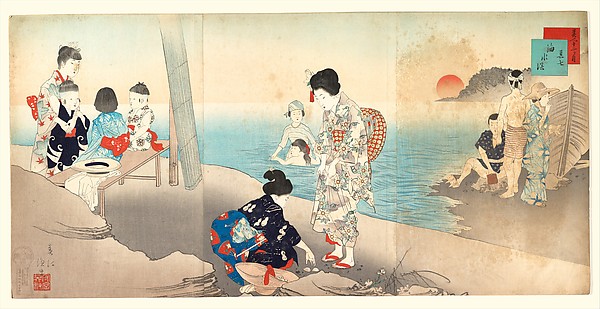
The Met credits Gyosei Shuntei as the artist of Bathing in the Sea (Kaisuiyoku), dated 1898. The museum records its format as “Print” and its medium as “Triptych of woodblock prints; ink and color on paper.” Its collection record identifies the artist as “Japanese.”
Its subjects include children.
Artist 08 of 30
Charles L. Philippi
American, active 1861–74
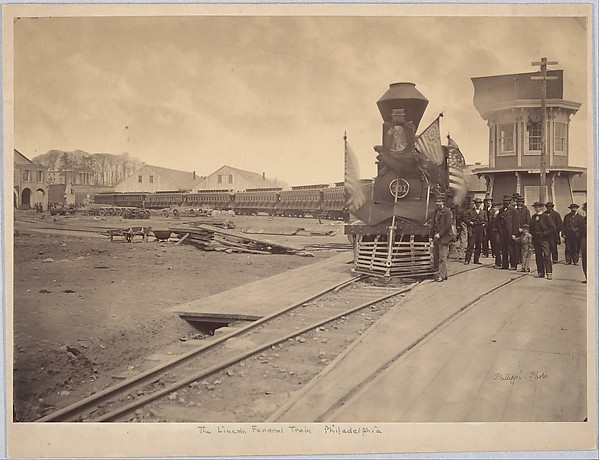
The Met credits Charles L. Philippi as the artist of The Lincoln Funeral Train, Philadelphia, dated April 22–24, 1865. The museum records its format as “Photographs” and its medium as “Albumen silver print from glass negative.” Its collection record identifies the artist as “American, active 1861–74.”
Its subjects include boys.
Artist 09 of 30
Mary Ann Parks Hammond
1839–1866
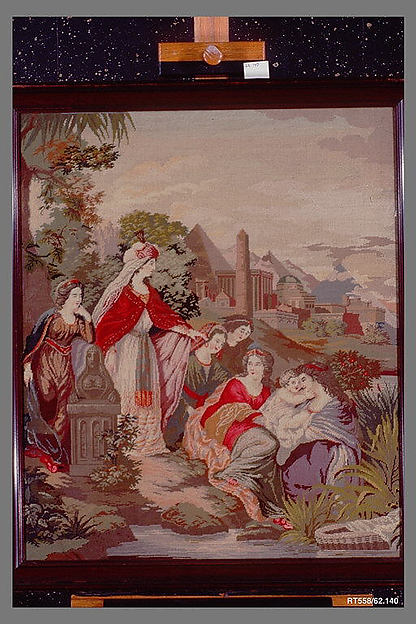
The Met credits Mary Ann Parks Hammond as the maker of Needlework Picture: “The Finding of Moses in the River Nile”, dated ca. 1855. The museum records its format as “Embroidered picture” and its medium as “Wool embroidery on linen.” Its collection record identifies the artist as “1839–1866.”
Its subjects include infants.
Artist 10 of 30
William Adams
1745–1805, active 1780–1804
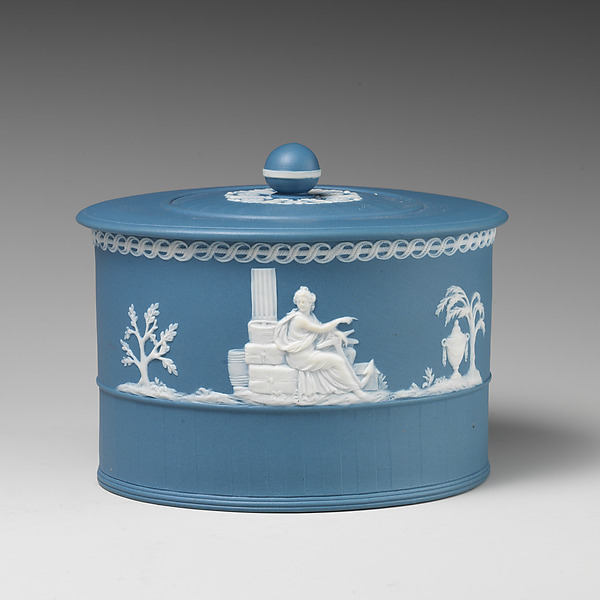
The Met credits William Adams as the maker of Sugar bowl, dated 18th century. The museum records its format as “Sugar bowl” and its medium as “Jasperware.” Its collection record identifies the artist as “1745–1805, active 1780–1804.”
Its subjects include girls.
Artist 11 of 30
Antoine-Emile Plassan
French, Bordeaux 1817–1903 Paris
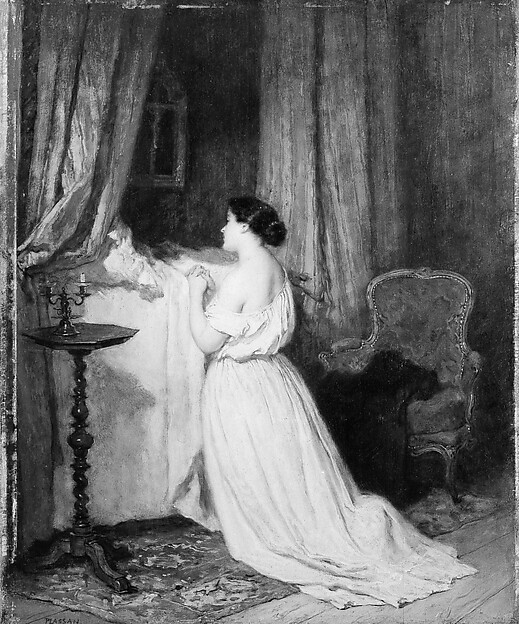
The Met credits Antoine-Emile Plassan as the artist of Mother and Child. The museum records its format as “Painting” and its medium as “Oil on wood.” Its collection record identifies the artist as “French, Bordeaux 1817–1903 Paris.”
Artist 12 of 30
Katsukawa Shunchō
Japanese, active ca. 1783–95
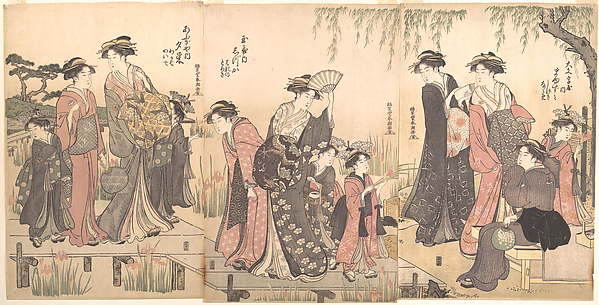
The Met credits Katsukawa Shunchō as the artist of Courtesans in an Iris Garden, dated late 18th century. The museum records its format as “Print” and its medium as “Triptych of woodblock prints; ink and color on paper.” Its collection record identifies the artist as “Japanese, active ca. 1783–95.”
Its subjects include girls.
Artist 13 of 30
Etienne Barthélemy Garnier
French, Paris 1759–1849 Paris
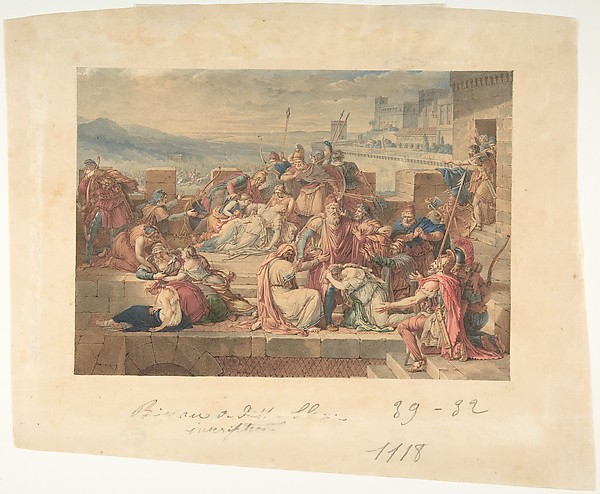
The Met credits Etienne Barthélemy Garnier as the artist of Priam and his Family Mourning the Death of Hector, dated n.d. The museum records its format as “Drawing” and its medium as “Watercolor over graphite. Varnished.” Its collection record identifies the artist as “French, Paris 1759–1849 Paris.”
Artist 14 of 30
James Wallace Black
American, Francestown, New Hampshire 1825–1896 Cambridge, Massachusetts
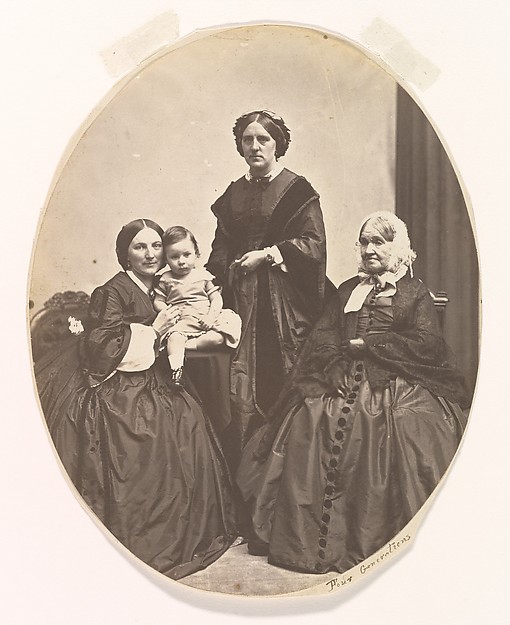
The Met credits James Wallace Black as the artist of Four Generations, dated ca. 1860. The museum records its format as “Photograph” and its medium as “Salted paper print.” Its collection record identifies the artist as “American, Francestown, New Hampshire 1825–1896 Cambridge, Massachusetts.”
Its subjects include children.
Artist 15 of 30
Barent Fabritius
Dutch, Middenbeemster 1624–1673 Amsterdam
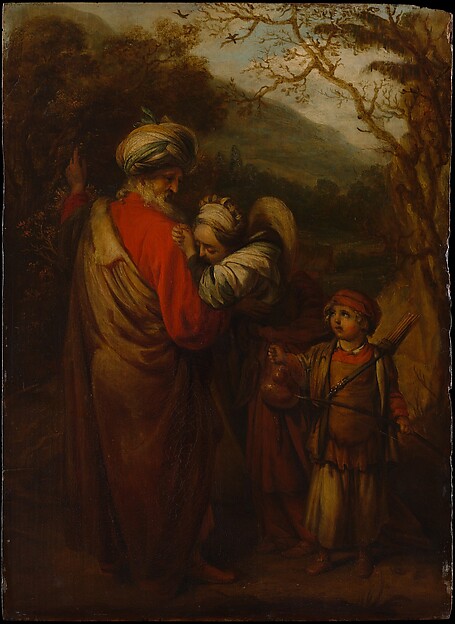
The Met credits Barent Fabritius as the artist of Abraham Dismissing Hagar and Ishmael, dated 1658. The museum records its format as “Painting” and its medium as “Oil on wood.” Its collection record identifies the artist as “Dutch, Middenbeemster 1624–1673 Amsterdam.”
Its subjects include boys.
Artist 16 of 30
Faustino Bocchi
Italian, Brescia 1659–1741 Brescia
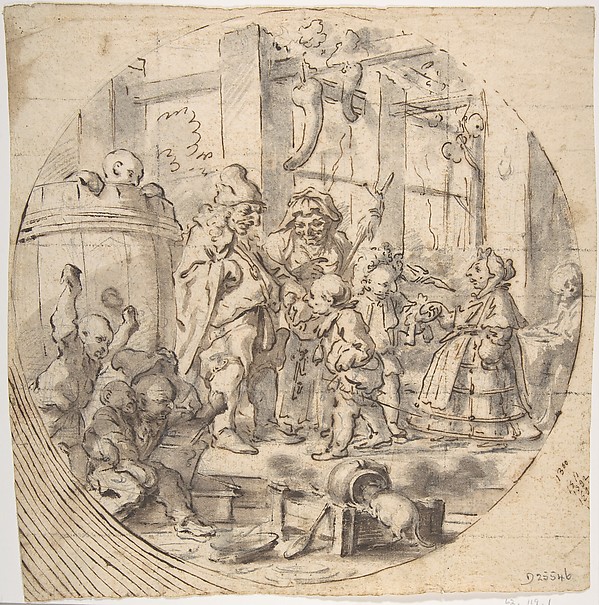
The Met credits Faustino Bocchi as the artist of The Mock Visit of Ceremony, dated 1659–1742. The museum records its format as “Drawing” and its medium as “Pen and brown ink, brush and brown and gray wash, over black chalk. Squared in black chalk.” Its collection record identifies the artist as “Italian, Brescia 1659–1741 Brescia.”
Its subjects include children.
Artist 17 of 30
Jean Baptiste Oscar Mallitte
French, 1829–1905
![[Campbell Twins in a Shigram, Governor General's Camp] — Jean Baptiste Oscar Mallitte](https://images.metmuseum.org/CRDImages/ph/web-large/DP146150.jpg)
The Met credits Jean Baptiste Oscar Mallitte as the artist of [Campbell Twins in a Shigram, Governor General's Camp], dated 1858–61. The museum records its format as “Photograph” and its medium as “Albumen silver print.” Its collection record identifies the artist as “French, 1829–1905.”
Its subjects include children.
Artist 18 of 30
Richard Collins
British, 1755–1831
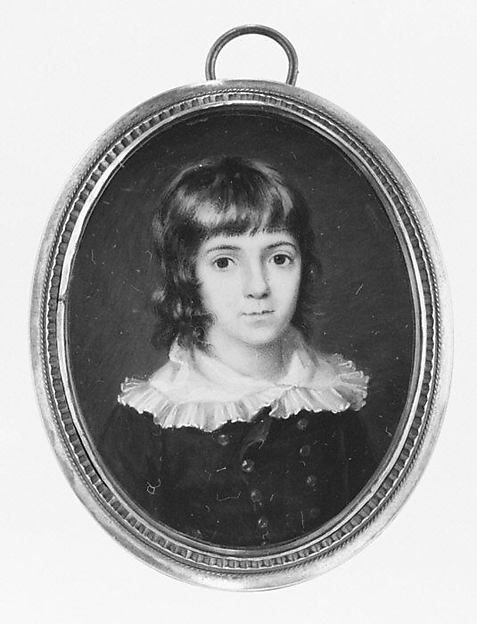
The Met credits Richard Collins as the artist of George Howard (1773–1848), Lord Morpeth. The museum records its format as “Painting, miniature” and its medium as “Ivory.” Its collection record identifies the artist as “British, 1755–1831.”
Its subjects include boys.
Artist 19 of 30
Chōbunsai Eishi
Japanese, 1756–1829
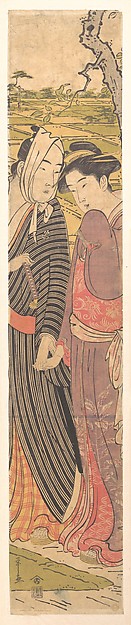
The Met credits Chōbunsai Eishi as the artist of A Man and a Girl Walking in the Rice Fields, dated ca. 1780. The museum records its format as “Print” and its medium as “Woodblock print; ink and color on paper.” Its collection record identifies the artist as “Japanese, 1756–1829.”
Its subjects include girls.
Artist 20 of 30
Olympe Aguado de las Marismas
French, Paris 1827–1894 Compiegne
![[The Artist, His Mother, and Friends in Fishing Garb] — Olympe Aguado de las Marismas](https://images.metmuseum.org/CRDImages/ph/web-large/DP139574.jpg)
The Met credits Olympe Aguado de las Marismas as the artist of [The Artist, His Mother, and Friends in Fishing Garb], dated ca. 1860. The museum records its format as “Photograph” and its medium as “Albumen silver print from glass negative.” Its collection record identifies the artist as “French, Paris 1827–1894 Compiegne.”
Artist 21 of 30
Sampson Towgood Roch
Irish, 1759–1847
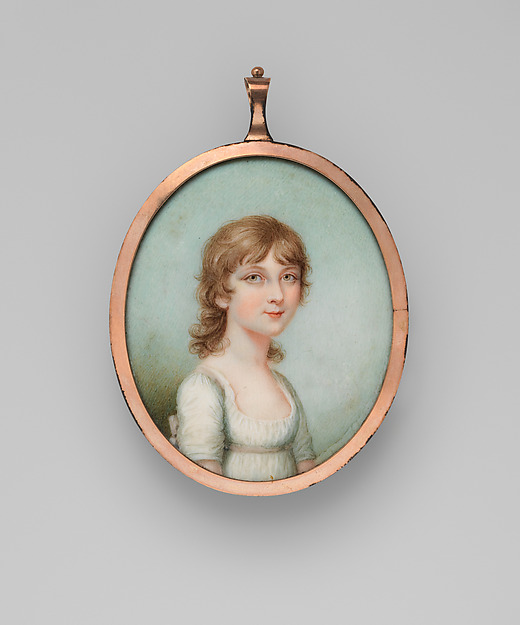
The Met credits Sampson Towgood Roch as the artist of Portrait of a Girl, dated ca. 1790. The museum records its format as “Painting, miniature” and its medium as “Ivory.” Its collection record identifies the artist as “Irish, 1759–1847.”
Its subjects include girls.
Artist 22 of 30
Barthel Bruyn the Younger
German, ca. 1530–before 1610
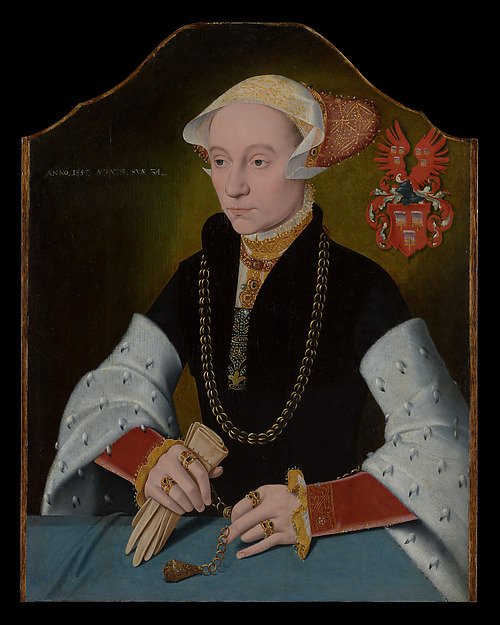
The Met credits Barthel Bruyn the Younger as the artist of Portrait of a Woman of the Slosgin Family of Cologne, dated 1557. The museum records its format as “Painting” and its medium as “Oil on oak.” Its collection record identifies the artist as “German, ca. 1530–before 1610.”
Artist 23 of 30
Francesco Stringa
Italian, Modena 1635–1709 Modena
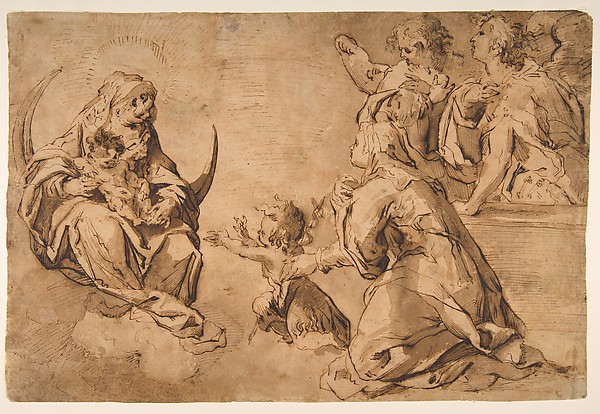
The Met credits Francesco Stringa as the artist of Madonna and Child with Saint John, Saint Anne, and Two Angels in Adoration, dated 1635–1709. The museum records its format as “Drawing” and its medium as “Pen and brown ink, brush and brown wash, over traces of red chalk on light brown paper.” Its collection record identifies the artist as “Italian, Modena 1635–1709 Modena.”
Artist 24 of 30
Désiré Charnay
French, 1828–1915
![[Family Group] — Désiré Charnay](https://images.metmuseum.org/CRDImages/ph/web-large/DP356050.jpg)
The Met credits Désiré Charnay as the artist of [Family Group], dated 1863. The museum records its format as “Photograph” and its medium as “Albumen silver print from glass negative.” Its collection record identifies the artist as “French, 1828–1915.”
Its subjects include children.
Artist 25 of 30
Bartholomew Dandridge
British, London 1691–in or after 1754 London
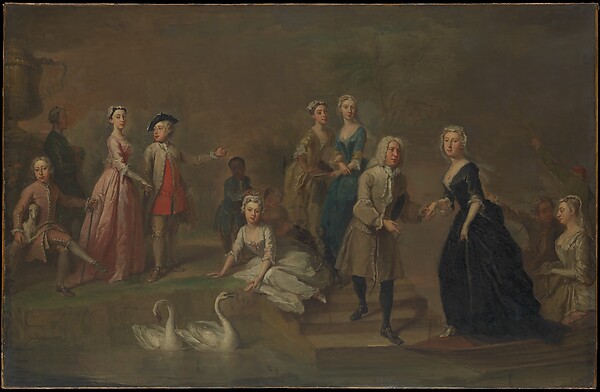
The Met credits Bartholomew Dandridge as the artist of Uvedale Tomkyns Price (1685–1764) and Members of His Family, dated possibly early 1730s. The museum records its format as “Painting” and its medium as “Oil on canvas.” Its collection record identifies the artist as “British, London 1691–in or after 1754 London.”
Artist 26 of 30
François Joseph Navez
Belgian, Charleroi 1787–1869 Brussels
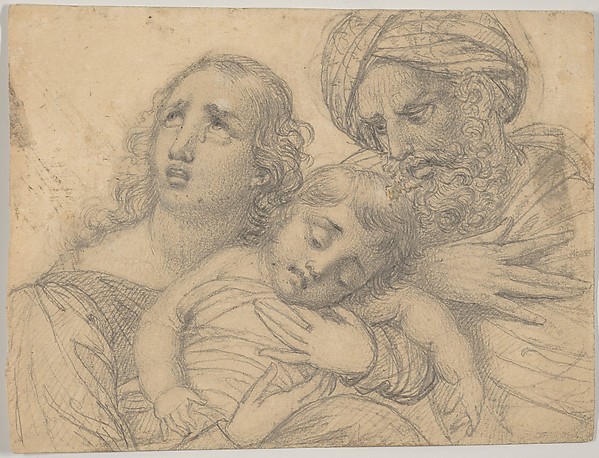
The Met credits François Joseph Navez as the artist of A Woman and a Turbaned Man in Despair with a Young Child, dated 1807–69. The museum records its format as “Drawing” and its medium as “Graphite.” Its collection record identifies the artist as “Belgian, Charleroi 1787–1869 Brussels.”
Its subjects include infants.
Artist 27 of 30
Oscar Gustav Rejlander
British (born Sweden), 1813–1875
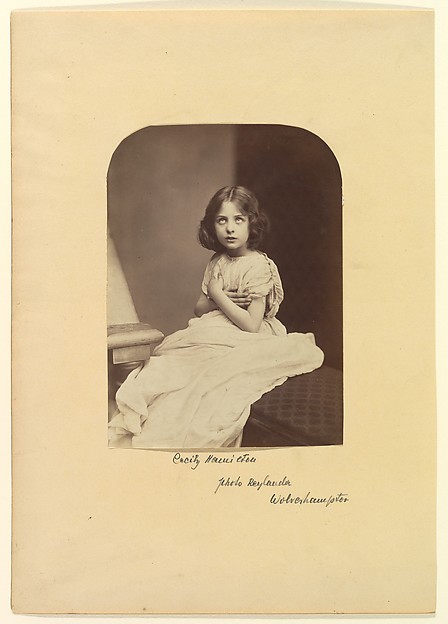
The Met credits Oscar Gustav Rejlander as the artist of Cecily Hamilton, dated 1863–1867. The museum records its format as “Photograph” and its medium as “Albumen silver print from glass negative.” Its collection record identifies the artist as “British (born Sweden), 1813–1875.”
Its subjects include girls.
Artist 28 of 30
Hokkyō Kōitsu
Japanese
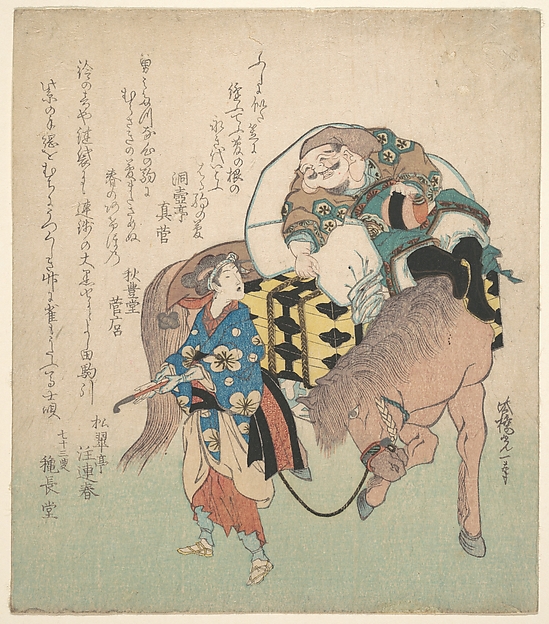
The Met credits Hokkyō Kōitsu as the artist of The God of Good Fortune Daikoku, on Horseback, Being Led by an Ohara Maiden, dated probably 1834, year of the horse. The museum records its format as “Woodblock print” and its medium as “Woodblock print (surimono); ink and color on paper.” Its collection record identifies the artist as “Japanese.”
Its subjects include girls.
Artist 29 of 30
Eugène-Ernest Hillemacher
French, Paris 1818–1887 Paris
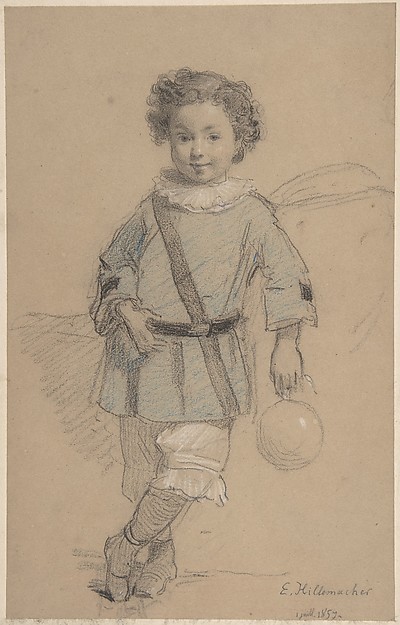
The Met credits Eugène-Ernest Hillemacher as the artist of Sketch of a Young Boy, dated 1857. The museum records its format as “Drawing” and its medium as “Pastel and black chalk.” Its collection record identifies the artist as “French, Paris 1818–1887 Paris.”
Its subjects include boys.
Artist 30 of 30
Komatsuken Shoshoken (Shakeiko)
1710–1792
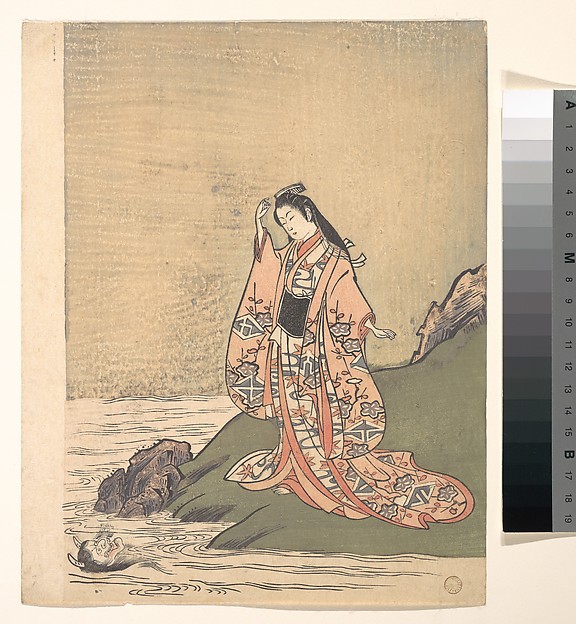
The Met credits Komatsuken Shoshoken (Shakeiko) as the artist of A Girl on the Edge of a Stream Sees a Demon's Head in the Water. The museum records its format as “Woodblock print” and its medium as “Woodblock print; ink and color on paper.” Its collection record identifies the artist as “1710–1792.”
Its subjects include girls.