Beyond Familiar Names · Subject 19 of 20 · 30 artists
A useful object asks to be imagined in someone's hands. Its rim, handle, opening, or supporting base may explain how it works before its decoration comes into view. These thirty artists and makers introduce selected objects and designs that connect practical form with visual invention. Consider weight, balance, access, and the relationship between individual parts. Then look at where ornament gathers or gives way to an undecorated surface. The meeting of use and appearance offers a way to appreciate the object without assuming every detail had a practical purpose.
A 4½-minute gallery film featuring all 30 artists in this chapter. Music and artwork credits appear in the film and below.
Film soundtrack: Artists by Medium 19 - Found Object Orchestra — an existing original instrumental from the Incoprea library, created with Suno under the owner’s Premier subscription.
Looking closely
Imagine how the object is handled or used, then consider where function opens space for invention.
Explore the 20 subjects
- 01. Faces and Identities
- 02. Bodies and Gesture
- 03. Childhood and Family
- 04. Rooms and Daily Life
- 05. Work and Trade
- 06. Streets and City Life
- 07. Architecture and Built Space
- 08. Land and Sky
- 09. Water and Voyages
- 10. Plants and Gardens
- 11. Animals and Other Creatures
- 12. Dress and Self-Presentation
- 13. Music, Theatre and Dance
- 14. Sacred Stories and Devotion
- 15. Myth, Allegory and Fantasy
- 16. Power, Conflict and Public Memory
- 17. Books, Words and Knowledge
- 18. Pattern and Ornament
- 19. Vessels and Useful Beauty
- 20. Small Treasures and Keepsakes
The 30 artists in this chapter
- Pun-Lun
- Aelbert Bouts
- Giovanni Zoffoli
- Yamada Hōgyoku 山田抱玉
- Chen Jinhou
- Antoine-Mathieu Criaerd
- Hans Cranach
- Hieronymus Imhof
- Christoph Beham
- Léonard Boudin
- Martin Carlin
- Ralph Toft
- Giovanni Battista Foggini
- Hans I Warnberger
- Ernest Chaplet
- Martin Hewitt
- Joseph Bird
- Seifū Yohei III
- Seifū Yohei IV
- Jean Baptiste Claude Odiot
- Andreas Brachfeldt
- Samuel Kirk
- John Dixwell
- Paul Storr
- Jeremiah Dummer
- Omar Ramsden
- Samuel Vernon
- Moody Russell
- Jacob Hurd
- Johann Andreas Thelot
Artist 01 of 30
Pun-Lun
Chinese, 1864–ca. 1900
![[Studio Portrait: Two Women Standing Beside a Table, Hong Kong] — Pun-Lun](https://images.metmuseum.org/CRDImages/ph/web-large/DP-15801-093.jpg)
The Met credits Pun-Lun as the artist of [Studio Portrait: Two Women Standing Beside a Table, Hong Kong], dated 1860s–70s. The museum records its format as “Carte-de-visite” and its medium as “Albumen silver print.” Its collection record identifies the artist as “Chinese, 1864–ca. 1900.”
Artist 02 of 30
Aelbert Bouts
Netherlandish, Leuven ca. 1451/54–1549
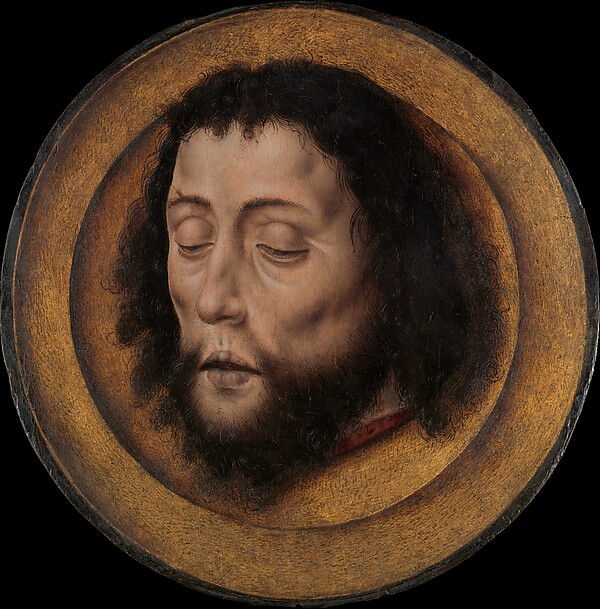
The Met credits Aelbert Bouts as the artist of Head of Saint John the Baptist on a Charger, dated ca. 1500. The museum records its format as “Painting” and its medium as “Oil on poplar.” Its collection record identifies the artist as “Netherlandish, Leuven ca. 1451/54–1549.”
Artist 03 of 30
Giovanni Zoffoli
Italian, ca. 1745–1805
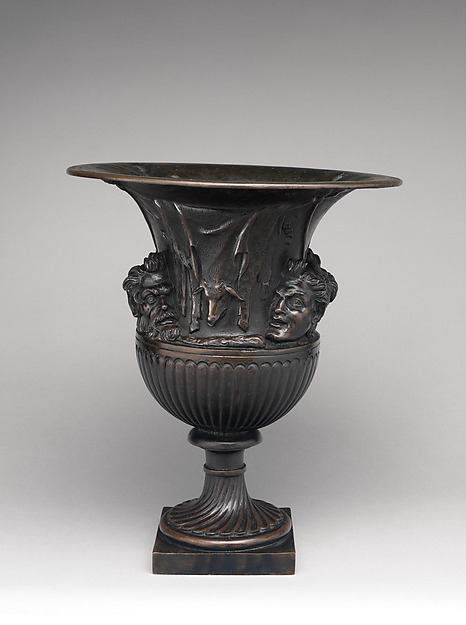
The Met credits Giovanni Zoffoli as the maker of Borghese vase, dated ca. 1795. The museum records its format as “Vase” and its medium as “Bronze.” Its collection record identifies the artist as “Italian, ca. 1745–1805.”
Artist 04 of 30
Yamada Hōgyoku 山田抱玉
Japanese, active 1820s–1840s
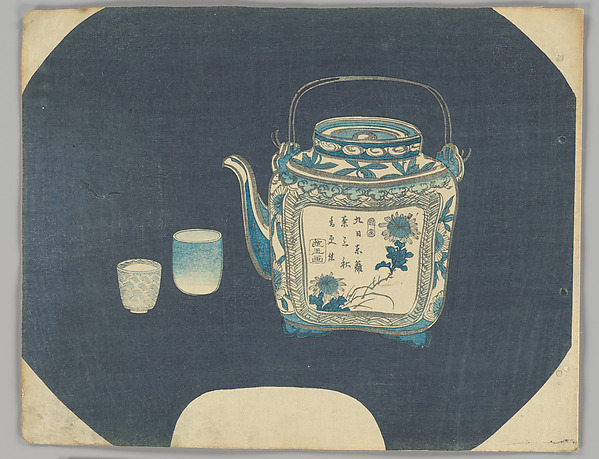
The Met credits Yamada Hōgyoku 山田抱玉 as the artist of Sometsuke Sencha Teapot and Cups, dated 1830s. The museum records its format as “Woodblock print” and its medium as “Blue-colored woodblock print (aizuri-e); ink and color on paper; fan print (uchiwa-e) on horizontal aiban sheet.” Its collection record identifies the artist as “Japanese, active 1820s–1840s.”
Artist 05 of 30
Chen Jinhou
Chinese, active 18th century
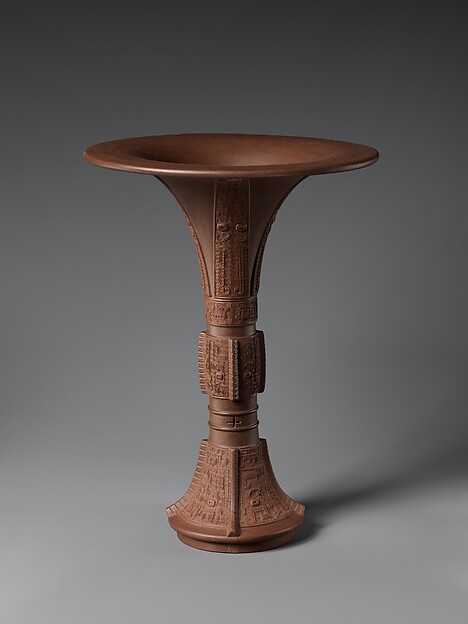
The Met credits Chen Jinhou as the artist of Vase in the shape of an archaic bronze vessel (gu), dated 18th century. The museum records its format as “Vase” and its medium as “Stoneware with relief decoration (Yixing ware).” Its collection record identifies the artist as “Chinese, active 18th century.”
Artist 06 of 30
Antoine-Mathieu Criaerd
French, 1724–1787

The Met credits Antoine-Mathieu Criaerd as the maker of Small writing table, dated ca. 1755–60. The museum records its format as “Table” and its medium as “Oak veneered with tulipwood and amaranth, gilt bronze, leather.” Its collection record identifies the artist as “French, 1724–1787.”
Artist 07 of 30
Hans Cranach
German, 1500–1537
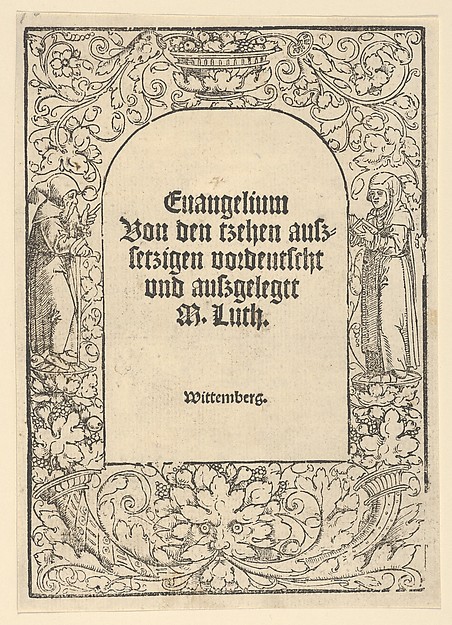
The Met credits Hans Cranach as the artist of Title-Border with a Hermit and a Nun, Vase of Fruit, a Mask and Cornucopias, dated 1520. The museum records its format as “Print” and its medium as “Woodcut.” Its collection record identifies the artist as “German, 1500–1537.”
Its subjects include vases.
Artist 08 of 30
Hieronymus Imhof
master 1620, died 1635
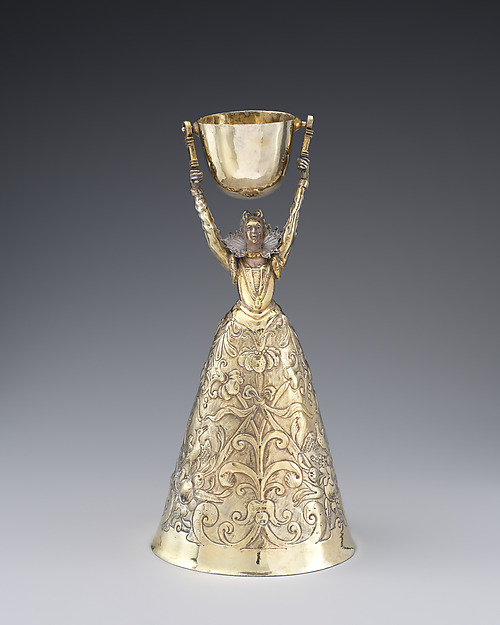
The Met credits Hieronymus Imhof as the maker of Wager cup (Jungfrauenbecher), dated ca. 1620. The museum records its format as “Wager cup” and its medium as “Silver, partly gilt, cold-painted enamel.” Its collection record identifies the artist as “master 1620, died 1635.”
Artist 09 of 30
Christoph Beham
master 1572, died 1610
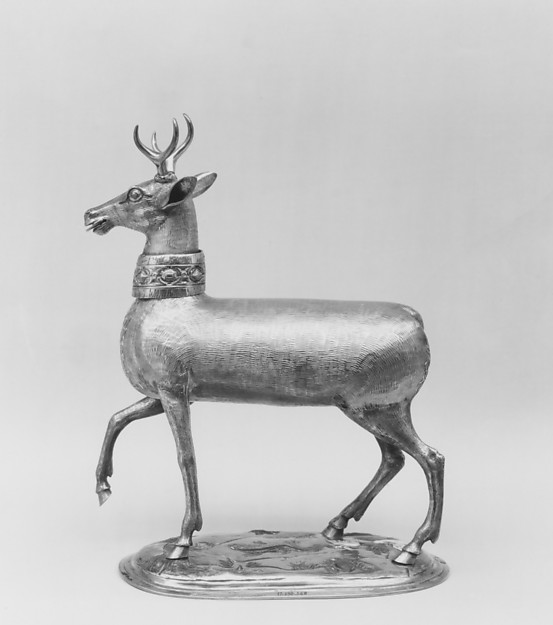
The Met credits Christoph Beham as the maker of Cup in the form of a stag, dated early 17th century. The museum records its format as “Cup” and its medium as “Silver, partly gilt, traces of enamel.” Its collection record identifies the artist as “master 1572, died 1610.”
Artist 10 of 30
Léonard Boudin
French, 1735–1807, master 1761
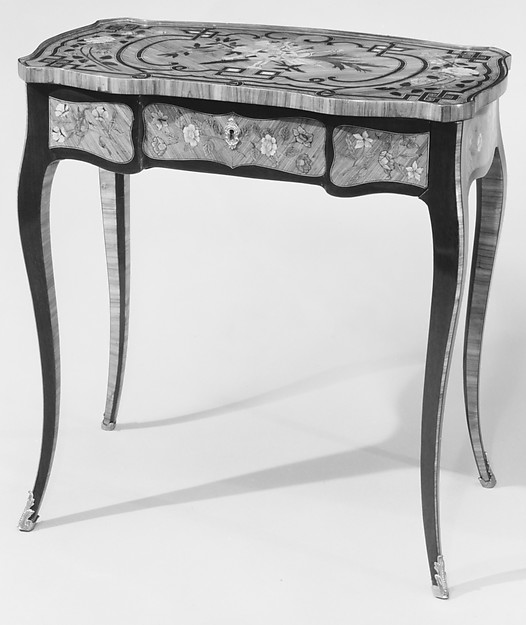
The Met credits Léonard Boudin as the maker of Dressing table, dated ca. 1765. The museum records its format as “Dressing table” and its medium as “Tulipwood and various other woods, gilt bronze, leather.” Its collection record identifies the artist as “French, 1735–1807, master 1761.”
Artist 11 of 30
Martin Carlin
French, near Freiburg im Breisgau ca. 1730–1785 Paris
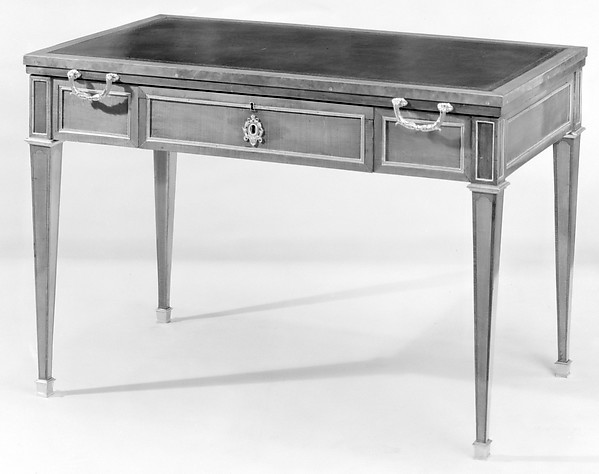
The Met credits Martin Carlin as the maker of Writing and dressing table, dated ca. 1785. The museum records its format as “Writing and dressing table” and its medium as “Sycamore, mahogany, boxwood, and ebony on oak; gilt bronze; brass; marble; leather, steel.” Its collection record identifies the artist as “French, near Freiburg im Breisgau ca. 1730–1785 Paris.”
Artist 12 of 30
Ralph Toft
British, active ca. 17th century
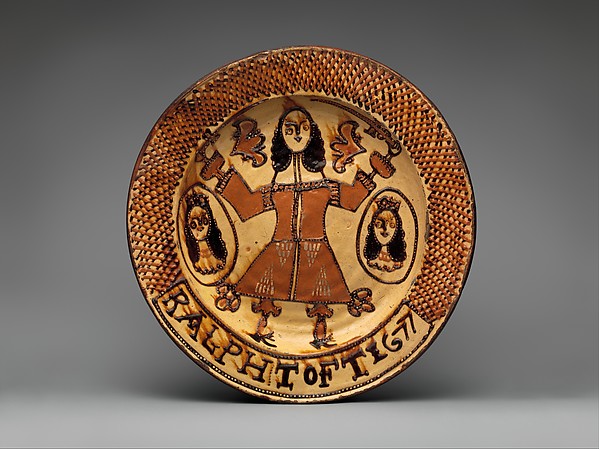
The Met credits Ralph Toft as the maker of Display dish with a cavalier and portrait medallions, dated 1677. The museum records its format as “Charger” and its medium as “Slip-decorated earthenware.” Its collection record identifies the artist as “British, active ca. 17th century.”
Artist 13 of 30
Giovanni Battista Foggini
Italian, Florence 1652–1725 Florence
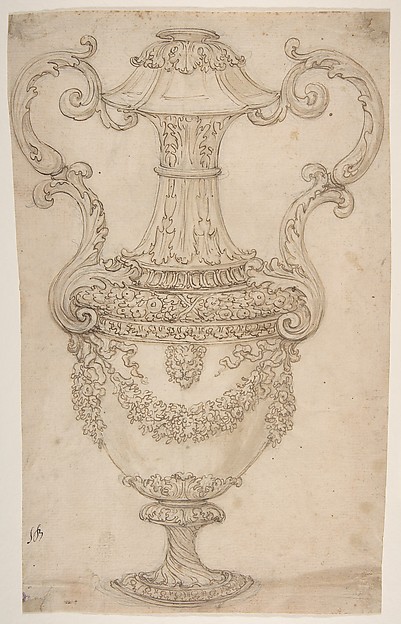
The Met credits Giovanni Battista Foggini as the artist of Design for a Vase with Handles, Decorated with a Festoon, dated 1672–1725. The museum records its format as “Drawing; Ornament & Architecture” and its medium as “Pen and brown ink, brush and brown wash, over graphite.” Its collection record identifies the artist as “Italian, Florence 1652–1725 Florence.”
Its subjects include vases.
Artist 14 of 30
Hans I Warnberger
1564–1628, master 1587
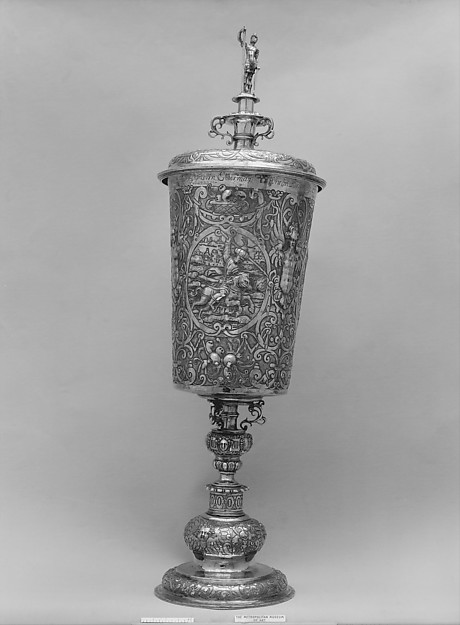
The Met credits Hans I Warnberger as the maker of Cup with cover, dated 1600–1605. The museum records its format as “Cup with cover” and its medium as “Silver gilt.” Its collection record identifies the artist as “1564–1628, master 1587.”
Artist 15 of 30
Ernest Chaplet
French, Sèvres 1835–1909 Choisy-le-Roi
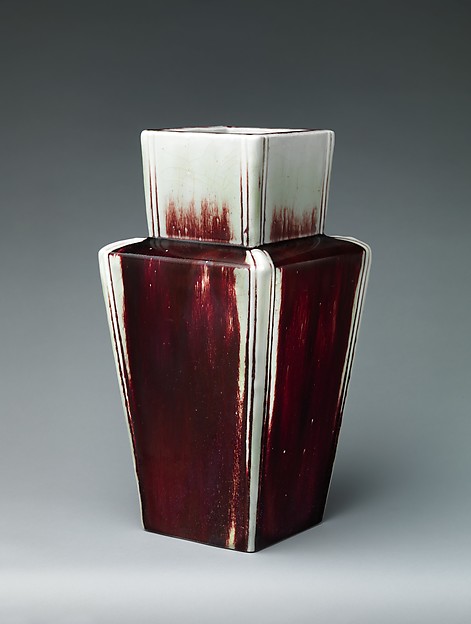
The Met credits Ernest Chaplet as the maker of Square vase, dated ca. 1889. The museum records its format as “Vase” and its medium as “Hard-paste porcelain.” Its collection record identifies the artist as “French, Sèvres 1835–1909 Choisy-le-Roi.”
Artist 16 of 30
Martin Hewitt
active 1613–23
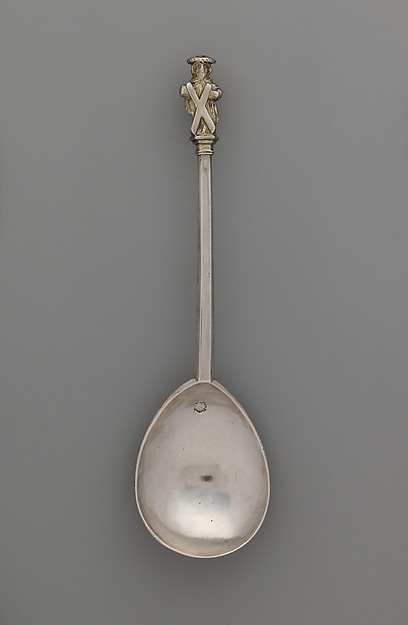
The Met credits Martin Hewitt as the maker of Apostle spoon: St. Andrew, dated 1613–14. The museum records its format as “Apostle spoon” and its medium as “Silver, partly gilded.” Its collection record identifies the artist as “active 1613–23.”
Artist 17 of 30
Joseph Bird
active before 1685, died 1735
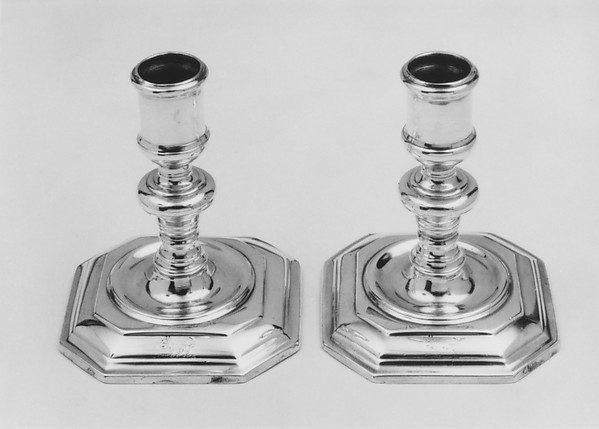
The Met credits Joseph Bird as the maker of Pair of dressing table candlesticks, dated 1705–6. The museum records its format as “Dressing table candlesticks” and its medium as “Silver.” Its collection record identifies the artist as “active before 1685, died 1735.”
Artist 18 of 30
Seifū Yohei III
Japanese, 1851–1914
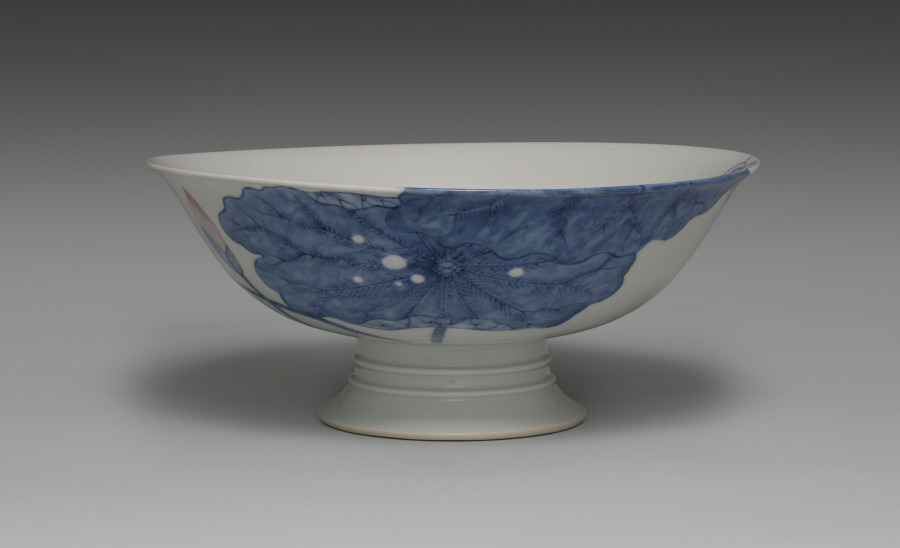
The Cleveland Museum of Art credits Seifū Yohei III as creator of High-Footed Bowl with Lotus Pond, dated 1887–92. The museum records its format as “Ceramic” and its medium as “Porcelain with underglaze color and modeled designs.” The creator record gives this identity context: “Japanese, 1851–1914.”
Artist 19 of 30
Seifū Yohei IV
Japanese, 1872–1951
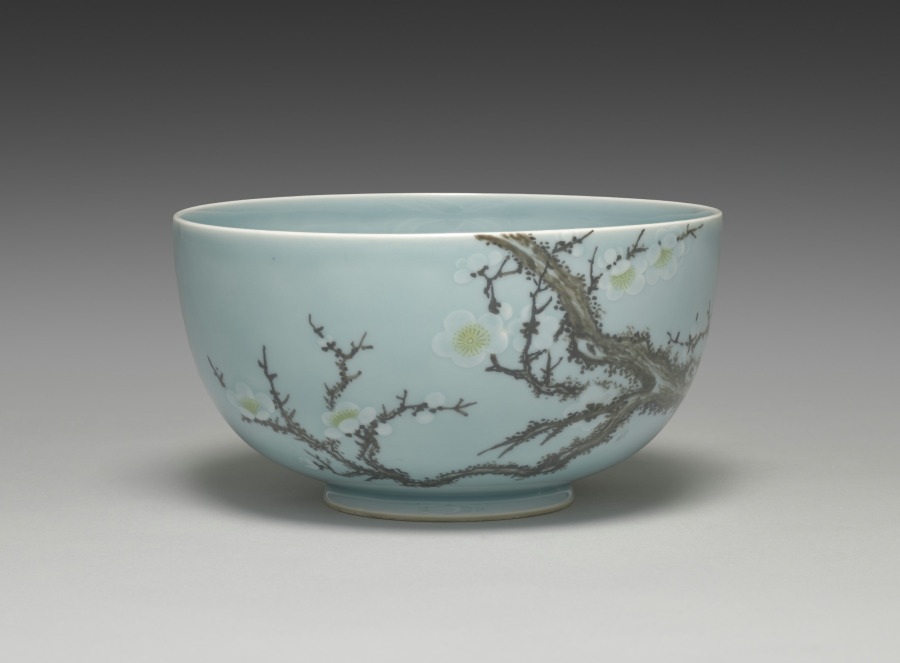
The Cleveland Museum of Art credits Seifū Yohei IV as creator of Sweets Bowl with Plum Tree, dated 1914–46. The museum records its format as “Ceramic” and its medium as “Porcelain with underglaze color and modeled design.” The creator record gives this identity context: “Japanese, 1872–1951.”
Artist 20 of 30
Jean Baptiste Claude Odiot
French
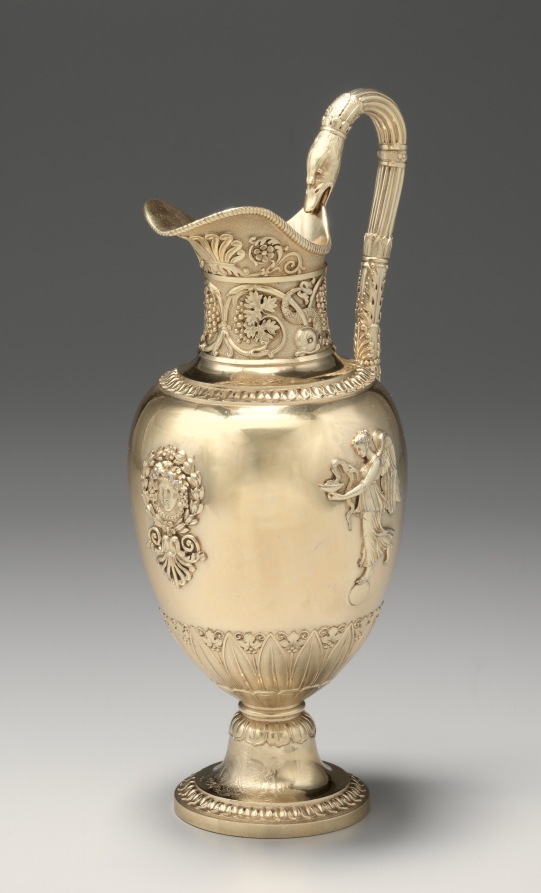
The Cleveland Museum of Art credits Jean Baptiste Claude Odiot as artist of Ewer (aiguière), dated c. 1817. The museum records its format as “Silver” and its medium as “silver gilt.” The creator record gives this identity context: “French.”
Artist 21 of 30
Andreas Brachfeldt
Russian, born Latvia, active 1661–1697
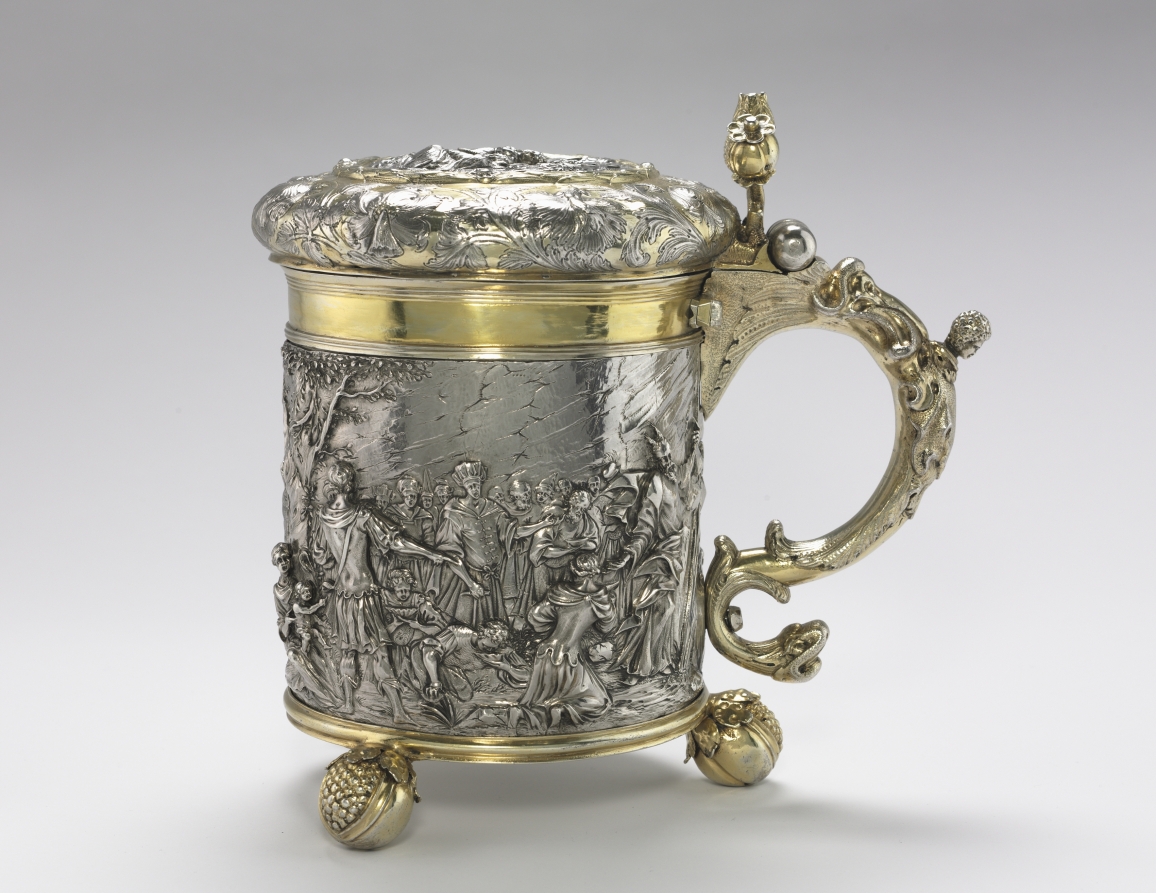
The Cleveland Museum of Art credits Andreas Brachfeldt as artist of Tankard, dated c. 1680. The museum records its format as “Metalwork” and its medium as “cut and seamed silver sheet, repoussé and chased ornament, cast handle and feet, partially gilded.” The creator record gives this identity context: “Russian, born Latvia, active 1661–1697.”
Artist 22 of 30
Samuel Kirk
American, 1793–1872
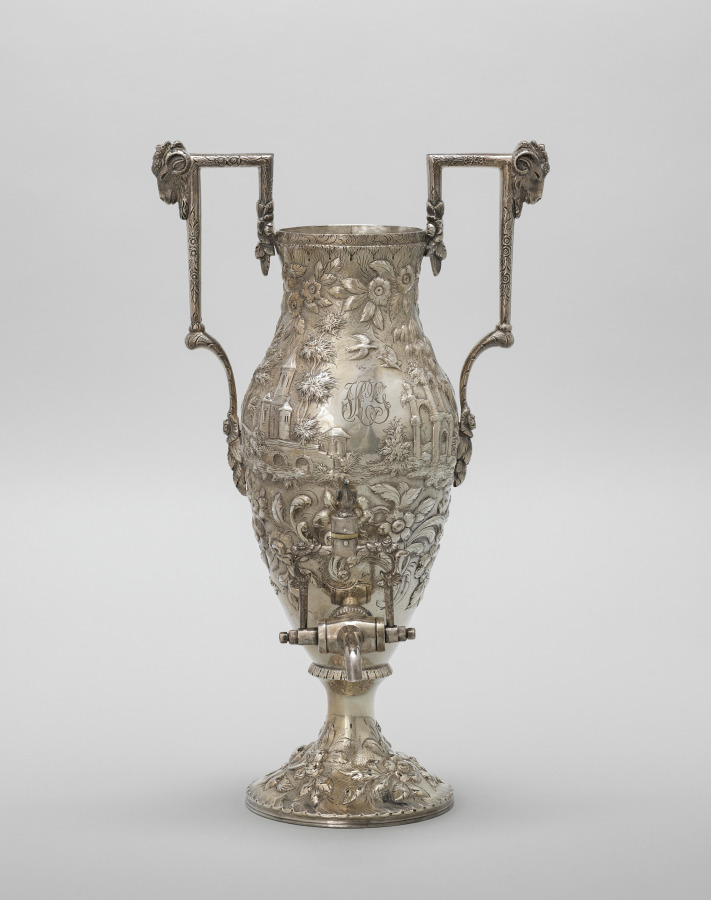
The Cleveland Museum of Art credits Samuel Kirk as creator of Coffee Urn, dated c. 1843. The museum records its format as “Silver” and its medium as “Silver, ivory.” The creator record gives this identity context: “American, 1793–1872.”
Artist 23 of 30
John Dixwell
American, 1680–1725
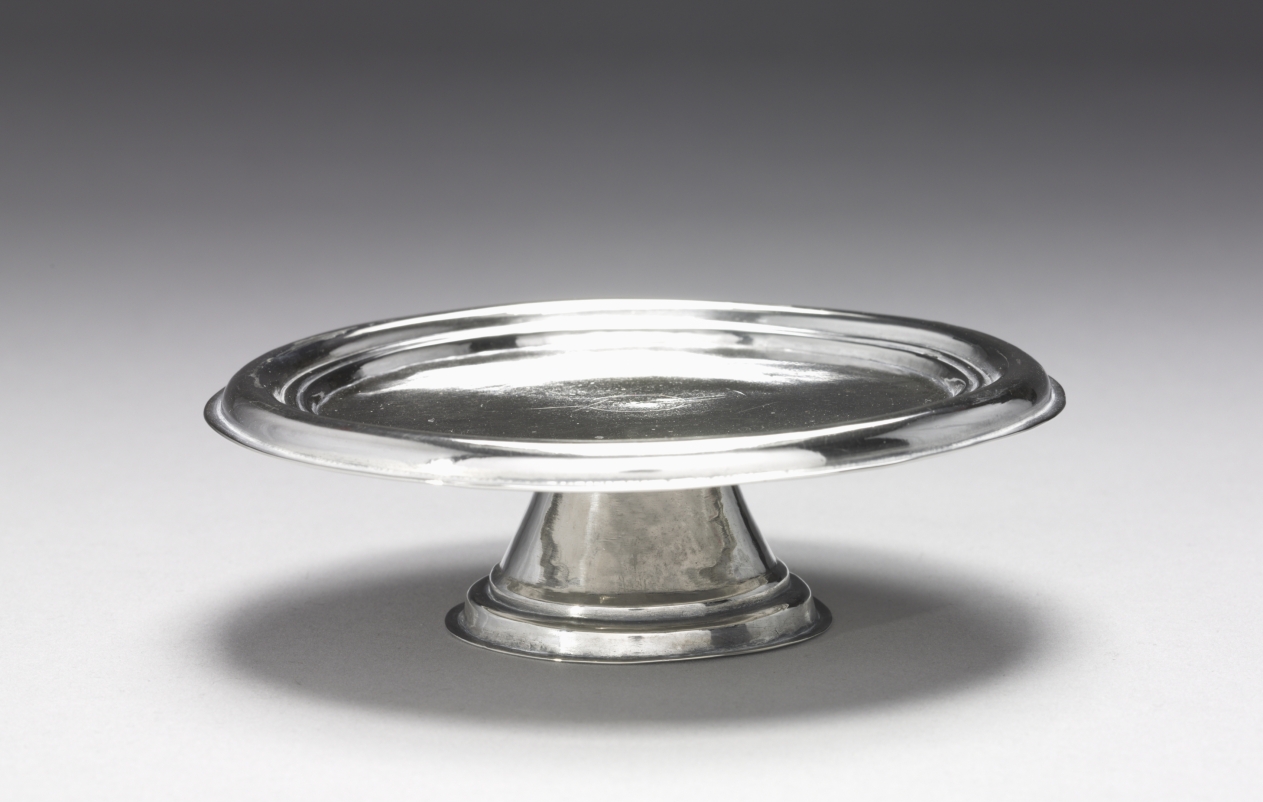
The Cleveland Museum of Art credits John Dixwell as artist of Footed Salver, dated 1710–20. The museum records its format as “Silver” and its medium as “silver.” The creator record gives this identity context: “American, 1680–1725.”
Artist 24 of 30
Paul Storr
British, 1771–1844
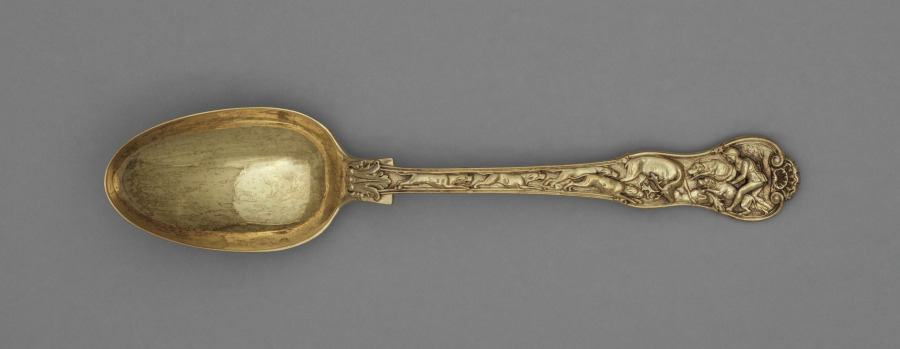
The Cleveland Museum of Art credits Paul Storr as artist of Dessert Spoon with Hunt Scenes, dated c. 1822. The museum records its format as “Silver” and its medium as “gilt silver.” The creator record gives this identity context: “British, 1771–1844.”
Artist 25 of 30
Jeremiah Dummer
American, 1645–1718
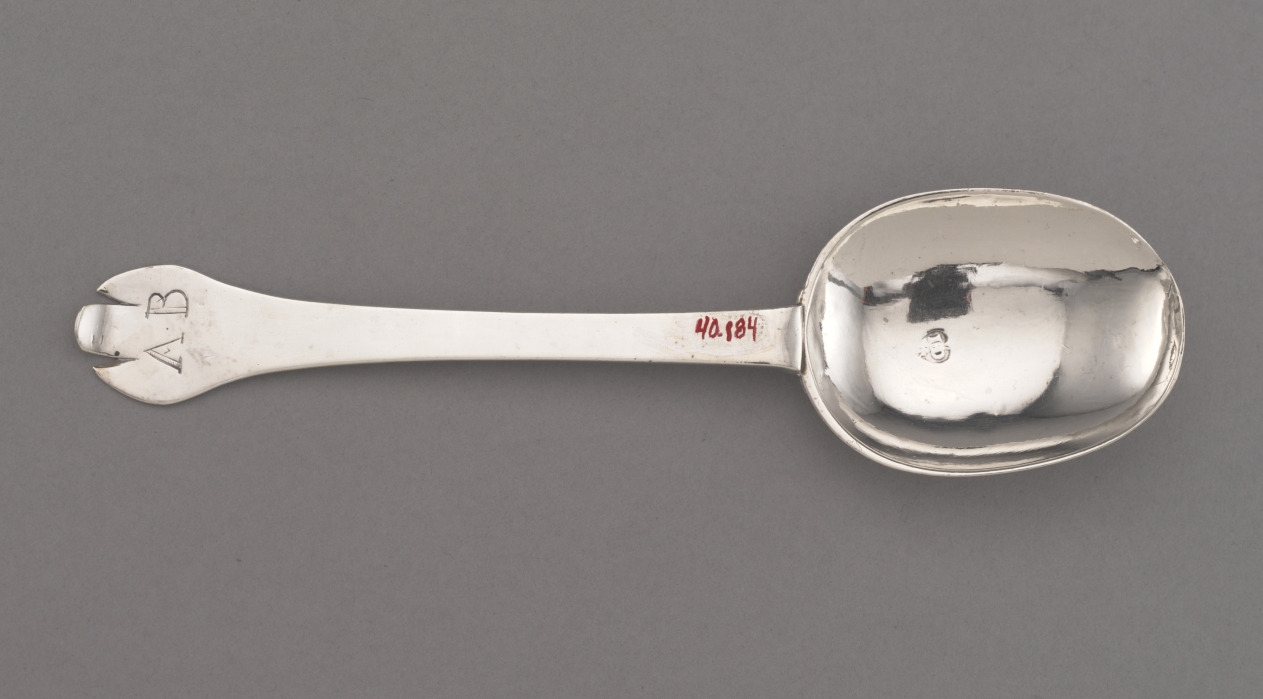
The Cleveland Museum of Art credits Jeremiah Dummer as artist of Spoon, dated 1685–1700. The museum records its format as “Silver” and its medium as “silver.” The creator record gives this identity context: “American, 1645–1718.”
Artist 26 of 30
Omar Ramsden
British, 1873–1939
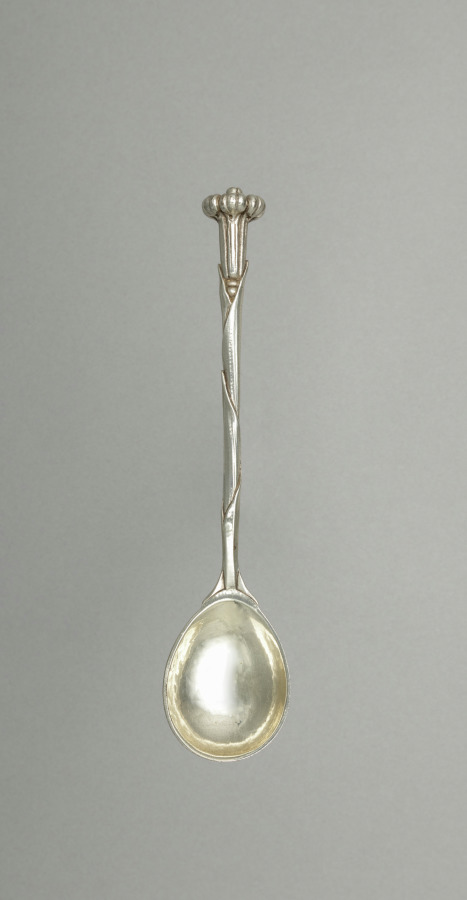
The Cleveland Museum of Art credits Omar Ramsden as artist of Caviar Spoon, dated 1930. The museum records its format as “Silver” and its medium as “silver.” The creator record gives this identity context: “British, 1873–1939.”
Artist 27 of 30
Samuel Vernon
American, 1683–1737
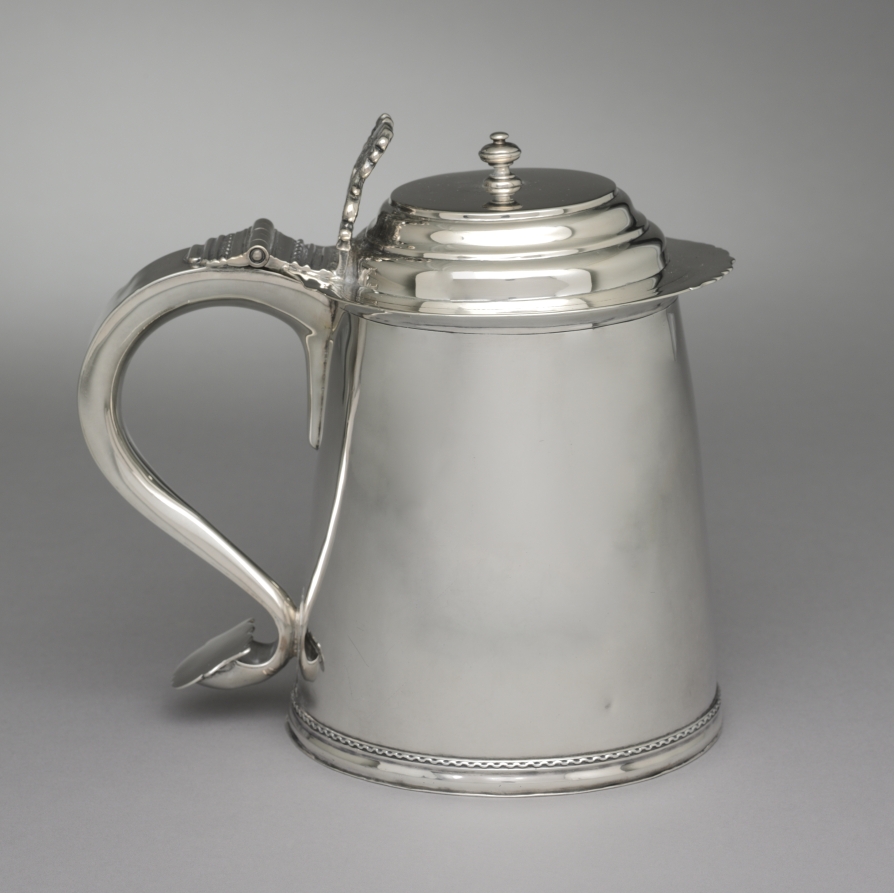
The Cleveland Museum of Art credits Samuel Vernon as artist of Tankard, dated c. 1710. The museum records its format as “Silver” and its medium as “silver.” The creator record gives this identity context: “American, 1683–1737.”
Artist 28 of 30
Moody Russell
American, 1694–1761
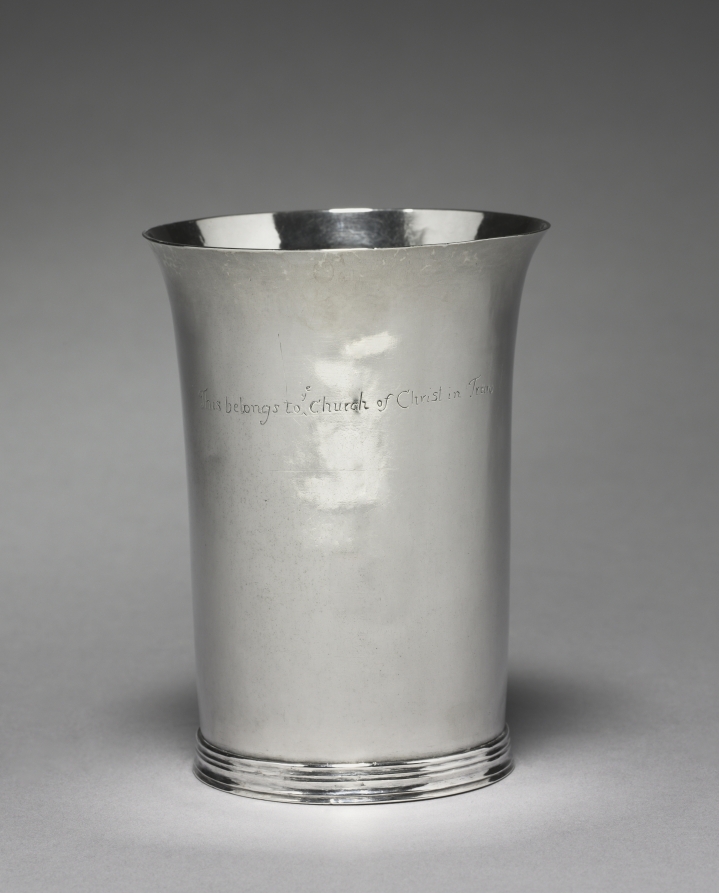
The Cleveland Museum of Art credits Moody Russell as artist of Beaker, dated c. 1715. The museum records its format as “Silver” and its medium as “silver.” The creator record gives this identity context: “American, 1694–1761.”
Artist 29 of 30
Jacob Hurd
American, 1702–1758
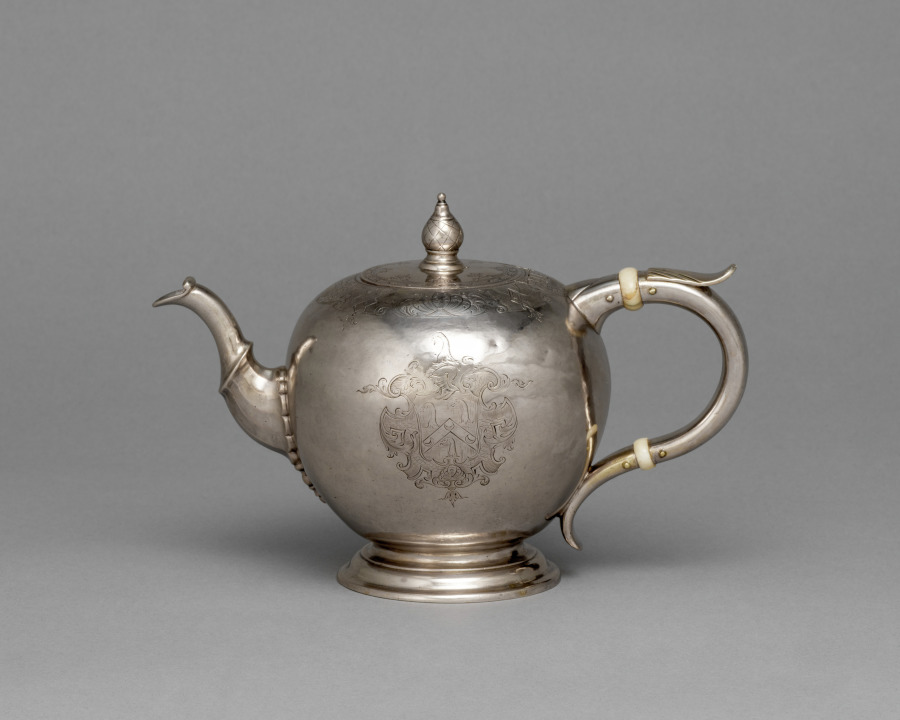
The Cleveland Museum of Art credits Jacob Hurd as fabricated by of Teapot, dated c. 1740. The museum records its format as “Silver” and its medium as “silver.” The creator record gives this identity context: “American, 1702–1758.”
Artist 30 of 30
Johann Andreas Thelot
German, 1655–1734
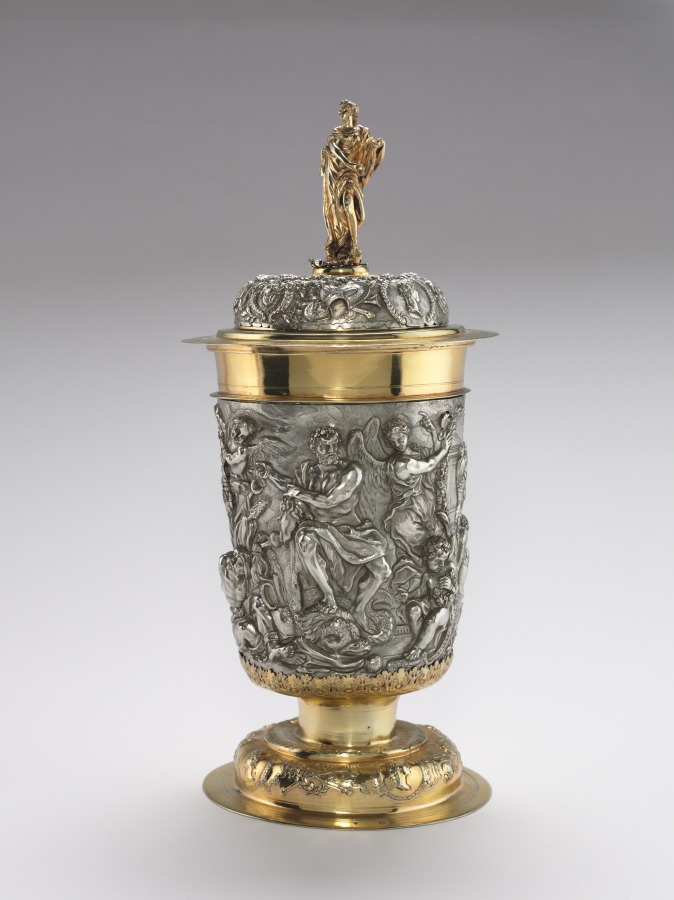
The Cleveland Museum of Art credits Johann Andreas Thelot as fabricated by of Covered Cup, dated 1688. The museum records its format as “Metalwork” and its medium as “silver and gilt silver.” The creator record gives this identity context: “German, 1655–1734.”


