Beyond Familiar Names · Subject 11 of 20 · 30 artists
Start with the creature itself: the angle of a head, the direction of a gaze, the surface of a wing or coat. Then examine what surrounds it. These thirty artists introduce animals through works that invite comparisons between observation, invention, decoration, and narrative. A creature's relationship to a person or setting can be as significant as its anatomy. Titles and museum records may help identify a species or story; where those clues are absent, the image still rewards attention to posture, scale, and the handling of form.
A 4½-minute gallery film featuring all 30 artists in this chapter. Music and artwork credits appear in the film and below.
Film soundtrack: Artists by Medium 11 - Fire Under Glass — an existing original instrumental from the Incoprea library, created with Suno under the owner’s Premier subscription.
Looking closely
Ask whether the creature is studied, symbolized, ornamented, or placed in relation to people.
Explore the 20 subjects
- 01. Faces and Identities
- 02. Bodies and Gesture
- 03. Childhood and Family
- 04. Rooms and Daily Life
- 05. Work and Trade
- 06. Streets and City Life
- 07. Architecture and Built Space
- 08. Land and Sky
- 09. Water and Voyages
- 10. Plants and Gardens
- 11. Animals and Other Creatures
- 12. Dress and Self-Presentation
- 13. Music, Theatre and Dance
- 14. Sacred Stories and Devotion
- 15. Myth, Allegory and Fantasy
- 16. Power, Conflict and Public Memory
- 17. Books, Words and Knowledge
- 18. Pattern and Ornament
- 19. Vessels and Useful Beauty
- 20. Small Treasures and Keepsakes
The 30 artists in this chapter
- Anders Pålsson
- Ayaoka
- Chen Zi
- Hakusanjin Hokui
- Robert Wilfred Skeffington Lutwidge
- Utagawa Masanobu
- H. E. Forbes
- Georg Schachomair
- Suzuki Haruji
- Gigadō Ashiyuki 戯画堂芦幸
- Uematsu Tōshū
- Oide Tōkō
- Hanekawa Chinchō
- Hamano Naochika
- Hans Weiditz the Younger
- Jean-Baptiste Huet I
- Takashima Chiharu
- Utagawa Kuninao
- Kikuchi Yōsai
- Kitei
- Myōchin Munesuke
- Yin Hong
- Huang Shen
- Liu Shanshou
- Ren Renfa
- Govardhan
- Adolphe Braun
- Theo van Hoytema
- Alvan Fisher
- Jean-Baptiste Oudry
Artist 01 of 30
Anders Pålsson
Swedish, 1781–1849
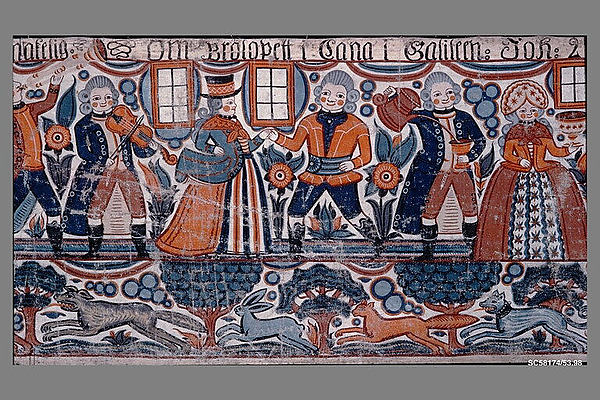
The Met credits Anders Pålsson as the artist of Wall hanging, dated 1818. The museum records its format as “Wall hanging” and its medium as “Paint on linen.” Its collection record identifies the artist as “Swedish, 1781–1849.”
Its subjects include animals.
Artist 02 of 30
Ayaoka
Japanese, 18th–19th century
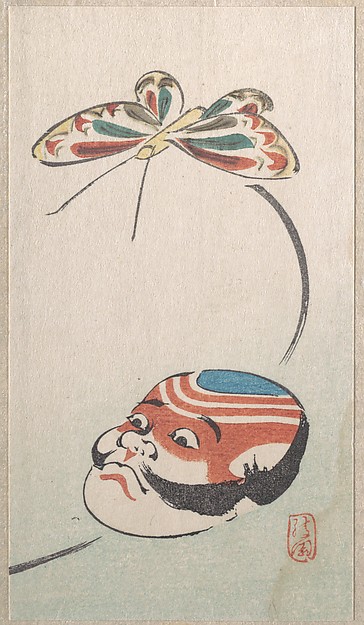
The Met credits Ayaoka as the artist of Butterfly and Mask of Yakko (the footman of a samurai), dated 18th–19th century. The museum records its format as “Print” and its medium as “Part of an album of woodblock prints (surimono); ink and color on paper.” Its collection record identifies the artist as “Japanese, 18th–19th century.”
Its subjects include butterflies.
Artist 03 of 30
Chen Zi
Chinese, 1634–1711
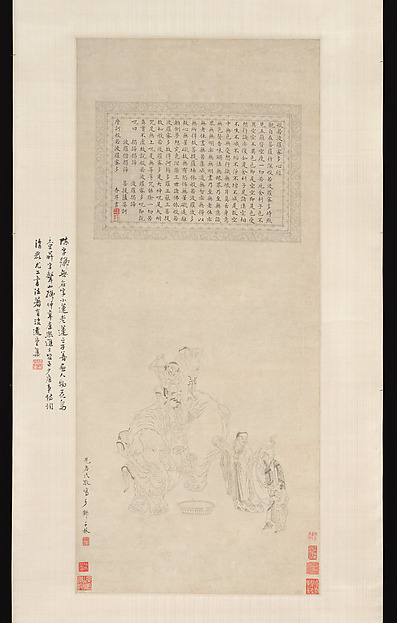
The Met credits Chen Zi as the artist of Washing the White Elephant, dated undated. The museum records its format as “Hanging scroll” and its medium as “Hanging scroll; ink on paper.” Its collection record identifies the artist as “Chinese, 1634–1711.”
Artist 04 of 30
Hakusanjin Hokui
Japanese, active ca. 1830–1840
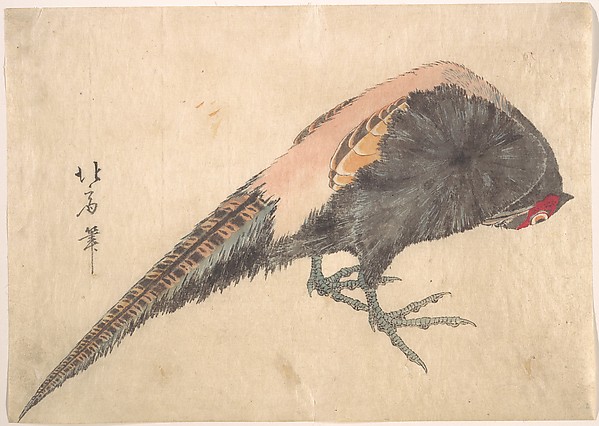
The Met credits Hakusanjin Hokui as the artist of Bird. The museum records its format as “Print” and its medium as “Woodblock print; ink and color on paper.” Its collection record identifies the artist as “Japanese, active ca. 1830–1840.”
Its subjects include birds.
Artist 05 of 30
Robert Wilfred Skeffington Lutwidge
British, 1802–1873
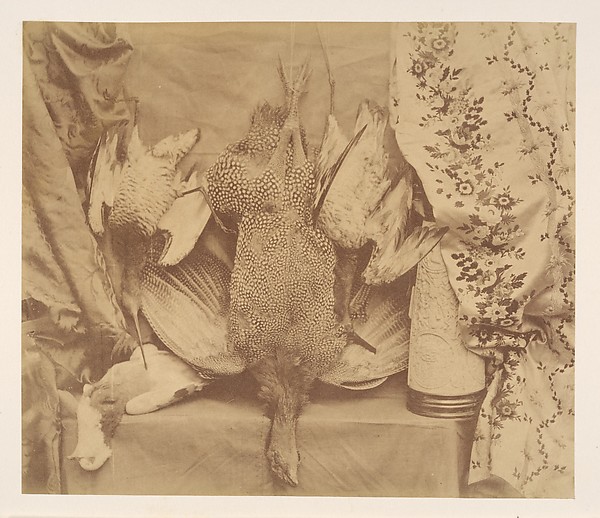
The Met credits Robert Wilfred Skeffington Lutwidge as the artist of Still Life and Embroidery, dated 1856. The museum records its format as “Photograph” and its medium as “Albumen silver print.” Its collection record identifies the artist as “British, 1802–1873.”
Its subjects include birds.
Artist 06 of 30
Utagawa Masanobu
Japanese, active ca. 1882–87
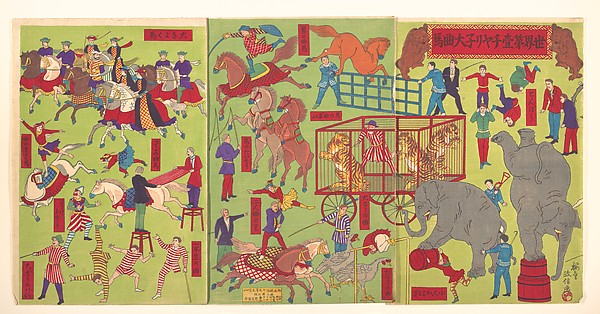
The Met credits Utagawa Masanobu as the artist of Chiarini's Circus (Sekai daiichi charine daikyokuba), dated September 4, 1886. The museum records its format as “Print” and its medium as “Three single woodblock prints; ink and color on paper.” Its collection record identifies the artist as “Japanese, active ca. 1882–87.”
Its subjects include horses.
Artist 07 of 30
H. E. Forbes
British, 18th century
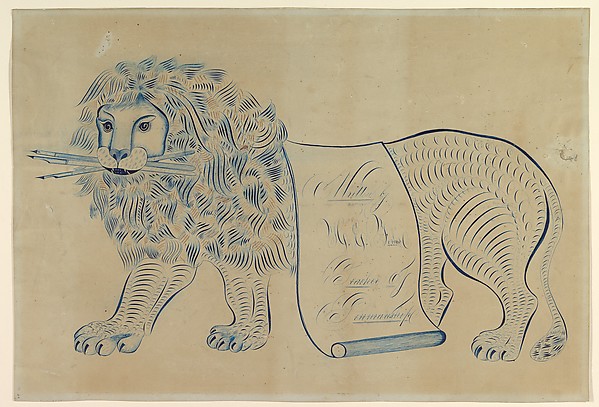
The Met credits H. E. Forbes as the artist of Ornamental Lion Composed of Scrolls, Holding Pens, dated 18th century. The museum records its format as “Drawing ; Ornament and Architecture” and its medium as “Pen and ink.” Its collection record identifies the artist as “British, 18th century.”
Its subjects include lions.
Artist 08 of 30
Georg Schachomair
German, 16th century
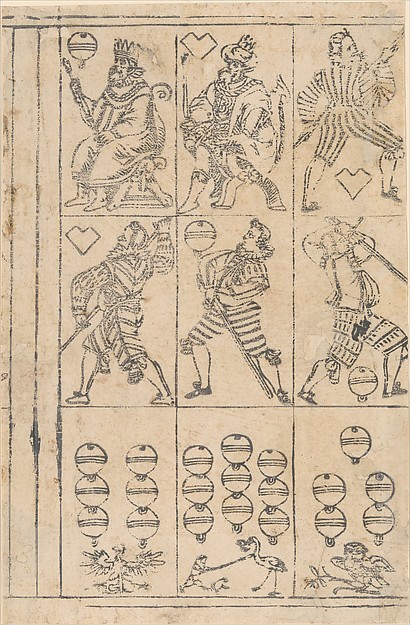
The Met credits Georg Schachomair as the artist of Sheet of Playing Cards, dated 16th century. The museum records its format as “Print” and its medium as “Woodcut.” Its collection record identifies the artist as “German, 16th century.”
Its subjects include birds.
Artist 09 of 30
Suzuki Haruji
Japanese, active ca. 1770

The Met credits Suzuki Haruji as the artist of Three Beauties, dated ca. 1770. The museum records its format as “Print” and its medium as “Woodblock print (nishiki-e); ink and color on paper.” Its collection record identifies the artist as “Japanese, active ca. 1770.”
Its subjects include birds.
Artist 10 of 30
Gigadō Ashiyuki 戯画堂芦幸
Japanese, active ca. 1813–34
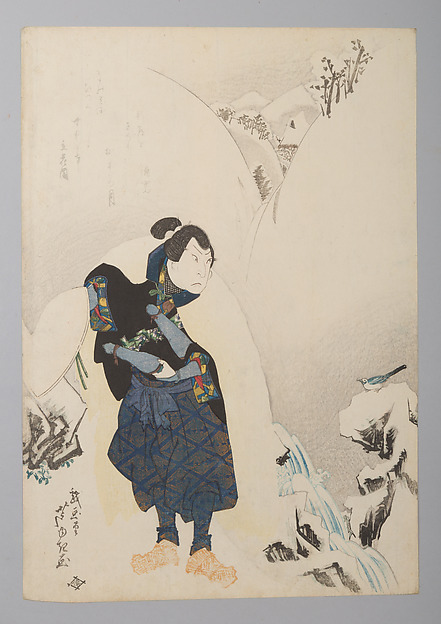
The Met credits Gigadō Ashiyuki 戯画堂芦幸 as the artist of Arashi Rikan II as Miyamoto Musashi, dated 1832. The museum records its format as “Woodblock print” and its medium as “Woodblock print (nishiki-e); vertical ōban.” Its collection record identifies the artist as “Japanese, active ca. 1813–34.”
Its subjects include birds.
Artist 11 of 30
Uematsu Tōshū
Japanese, active late 1810s–20s
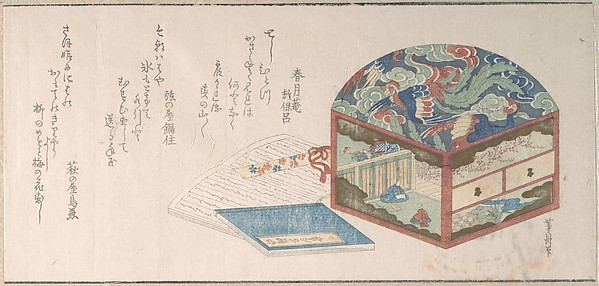
The Met credits Uematsu Tōshū as the artist of Box and Books. The museum records its format as “Woodblock print” and its medium as “Woodblock print (surimono); ink and color on paper.” Its collection record identifies the artist as “Japanese, active late 1810s–20s.”
Its subjects include birds.
Artist 12 of 30
Oide Tōkō
Japanese, 1841–1905
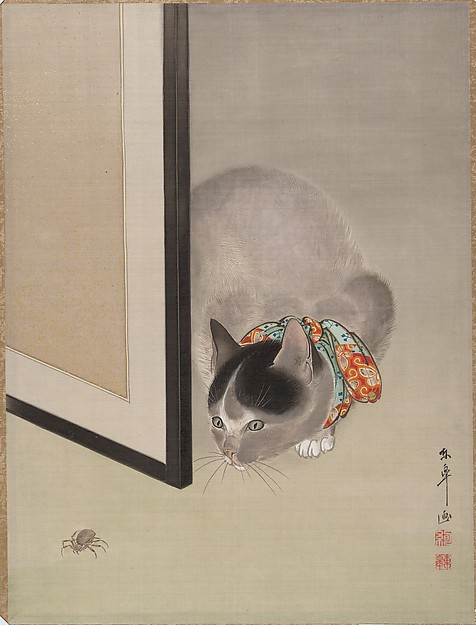
The Met credits Oide Tōkō as the artist of Cat Watching a Spider, dated ca. 1888–92. The museum records its format as “Album leaf” and its medium as “Album leaf; ink and color on silk.” Its collection record identifies the artist as “Japanese, 1841–1905.”
Its subjects include cats.
Artist 13 of 30
Hanekawa Chinchō
Japanese, ca. 1679–1754
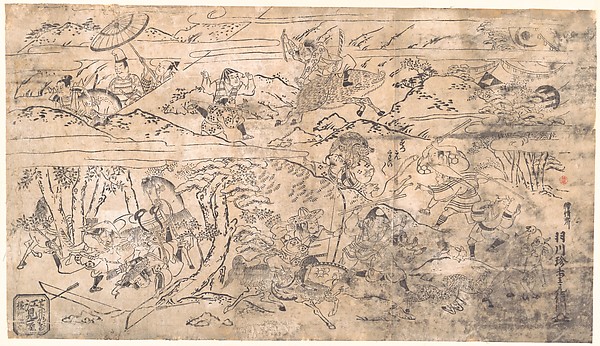
The Met credits Hanekawa Chinchō as the artist of Battle Scene. The museum records its format as “Print” and its medium as “Monochrome woodblock print; ink on paper.” Its collection record identifies the artist as “Japanese, ca. 1679–1754.”
Its subjects include animals.
Artist 14 of 30
Hamano Naochika
Japanese, 1784–1808
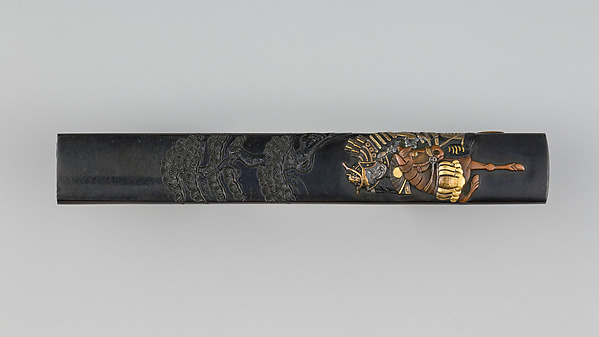
The Met credits Hamano Naochika as the maker of Knife Handle (Kozuka), dated late 18th–early 19th century. The museum records its format as “Knife handle (Kozuka)” and its medium as “Copper-gold alloy (shakudō), gold, silver, copper.” Its collection record identifies the artist as “Japanese, 1784–1808.”
Its subjects include horses.
Artist 15 of 30
Hans Weiditz the Younger
German, Freiburg im Breisgau before 1500–ca. 1536 Strasbourg
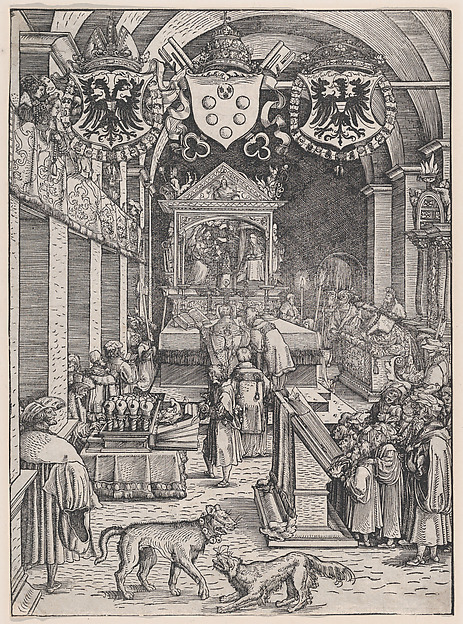
The Met credits Hans Weiditz the Younger as the artist of Maximilian I Hearing Mass, dated ca. 1515. The museum records its format as “Print” and its medium as “Woodcut.” Its collection record identifies the artist as “German, Freiburg im Breisgau before 1500–ca. 1536 Strasbourg.”
Its subjects include animals.
Artist 16 of 30
Jean-Baptiste Huet I
French, Paris 1745–1811 Paris
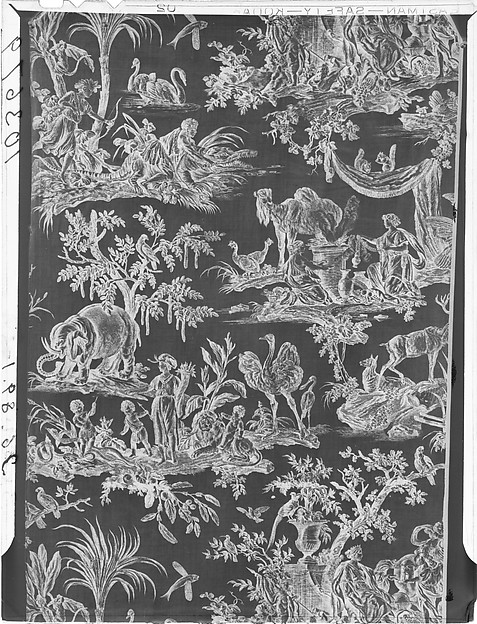
The Met credits Jean-Baptiste Huet I as the maker of Piece, dated ca. 1788. The museum records its format as “Piece” and its medium as “Cotton, copperplate printed.” Its collection record identifies the artist as “French, Paris 1745–1811 Paris.”
Its subjects include deer.
Artist 17 of 30
Takashima Chiharu
Japanese, 1777–1859
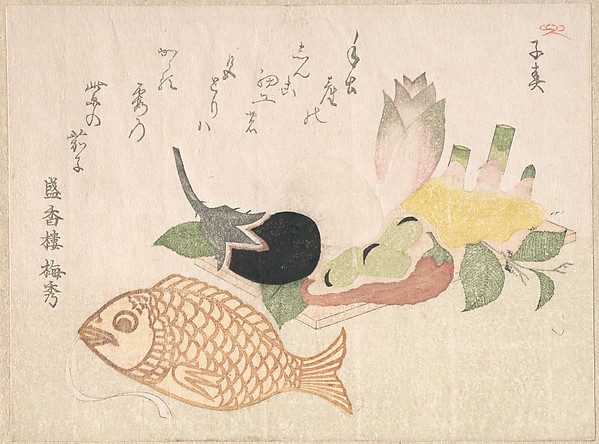
The Met credits Takashima Chiharu as the artist of Papier-Mache Fish and Various Vegetables, dated probably 1815. The museum records its format as “Woodblock print” and its medium as “Woodblock print (surimono); ink and color on paper.” Its collection record identifies the artist as “Japanese, 1777–1859.”
Its subjects include fish.
Artist 18 of 30
Utagawa Kuninao
Japanese, 1793–1854
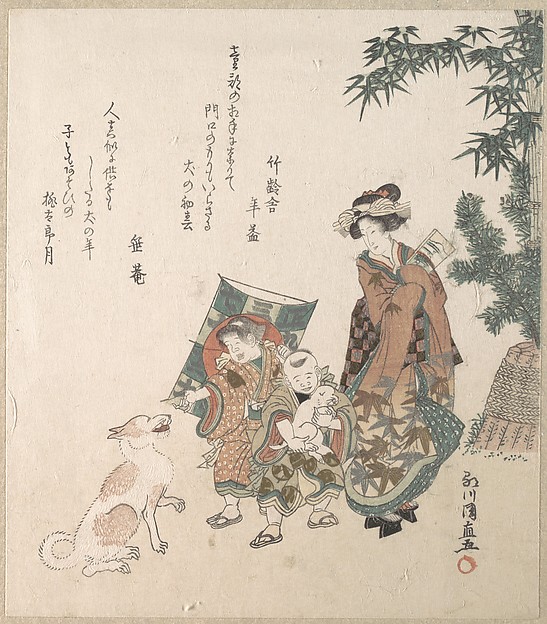
The Met credits Utagawa Kuninao as the artist of Street Scene in the New Year Season, dated 1814. The museum records its format as “Print” and its medium as “Woodblock print (surimono); ink and color on paper.” Its collection record identifies the artist as “Japanese, 1793–1854.”
Its subjects include dogs.
Artist 19 of 30
Kikuchi Yōsai
Japanese, 1788–1878
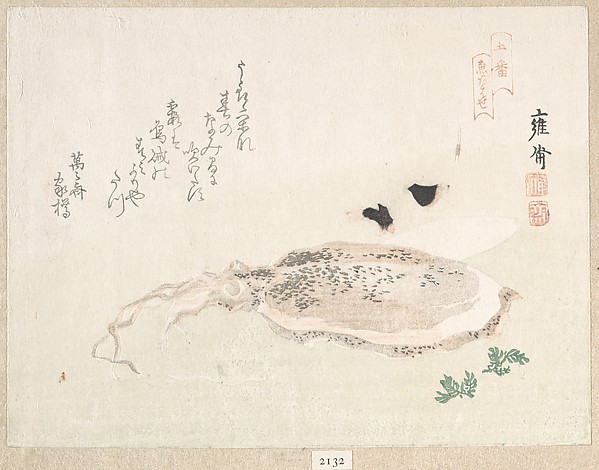
The Met credits Kikuchi Yōsai as the artist of Cuttle Fish, dated early 19th century. The museum records its format as “Woodblock print” and its medium as “Woodblock print (surimono); ink and color on paper.” Its collection record identifies the artist as “Japanese, 1788–1878.”
Its subjects include fish.
Artist 20 of 30
Kitei
Japanese
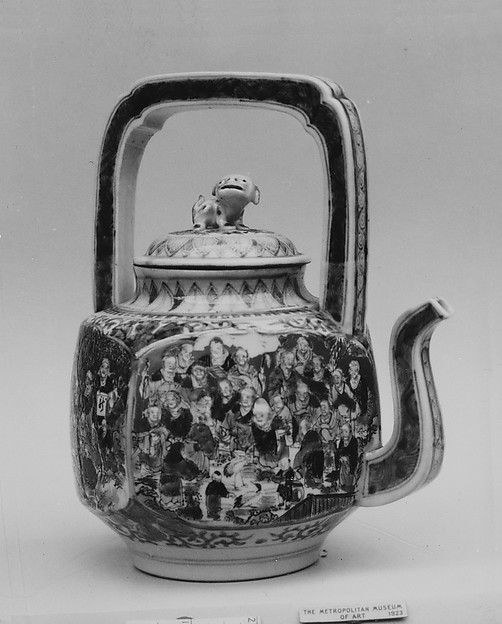
The Met credits Kitei as the artist of Wine pot with cover, dated late 19th century. The museum records its format as “Wine pot with cover” and its medium as “Porcelain decorated with blue under the glaze and colored enamels (Kyoto ware).” Its collection record identifies the artist as “Japanese.”
Its subjects include animals.
Artist 21 of 30
Myōchin Munesuke
Japanese, Edo period, 1688–1735
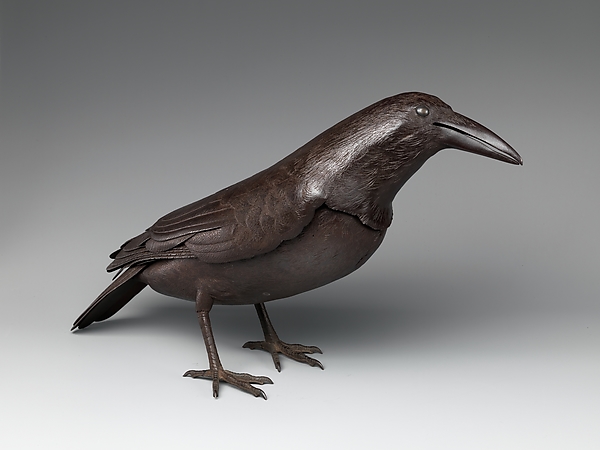
The Met credits Myōchin Munesuke as the maker of Okimono in the Form of a Raven, dated early 18th century. The museum records its format as “Okimono in the form of a raven” and its medium as “Steel.” Its collection record identifies the artist as “Japanese, Edo period, 1688–1735.”
Its subjects include birds.
Artist 22 of 30
Yin Hong
Chinese, c. 1430-c. 1500
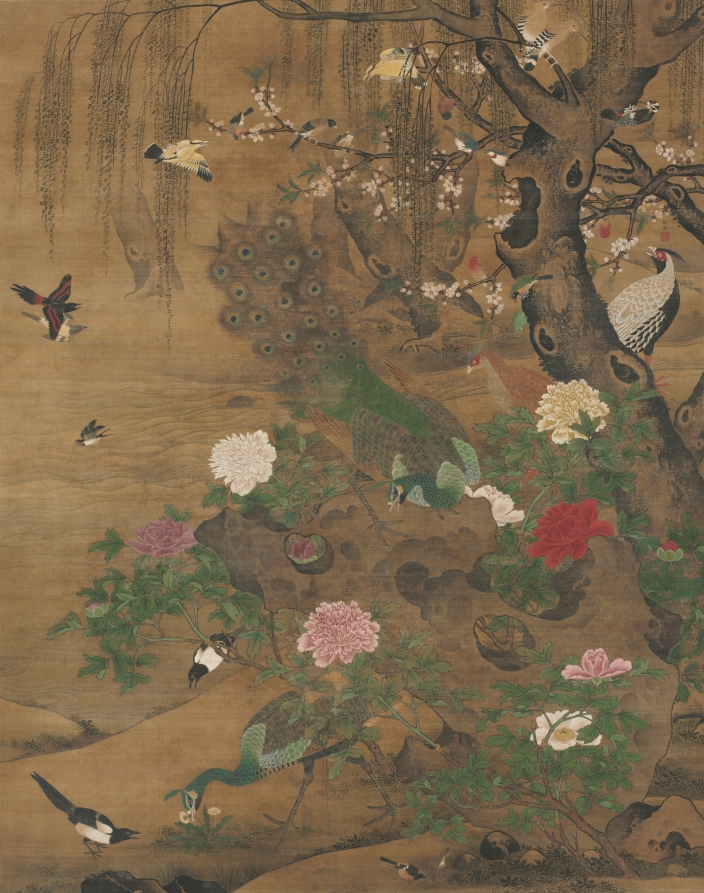
The Cleveland Museum of Art credits Yin Hong as artist of Birds Gather under the Spring Willow, dated late 1400s–early 1500. The museum records its format as “Painting” and its medium as “hanging scroll, ink and color on silk.” The creator record gives this identity context: “Chinese, c. 1430-c. 1500.”
Birds, including peacocks, gather beneath the spring willow.
Artist 23 of 30
Huang Shen
Chinese, 1687–after 1768
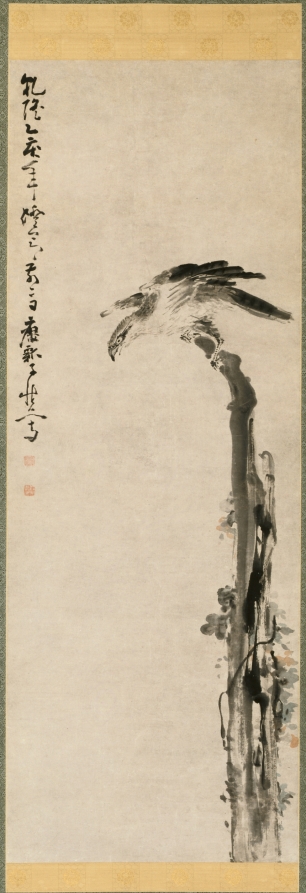
The Cleveland Museum of Art credits Huang Shen as artist of Eagle on a Tree Trunk, dated 1755. The museum records its format as “Painting” and its medium as “Hanging scroll; ink and color on paper.” The creator record gives this identity context: “Chinese, 1687–after 1768.”
An eagle on a tree trunk appears with accompanying calligraphy.
Artist 24 of 30
Liu Shanshou
Chinese, active 1300s
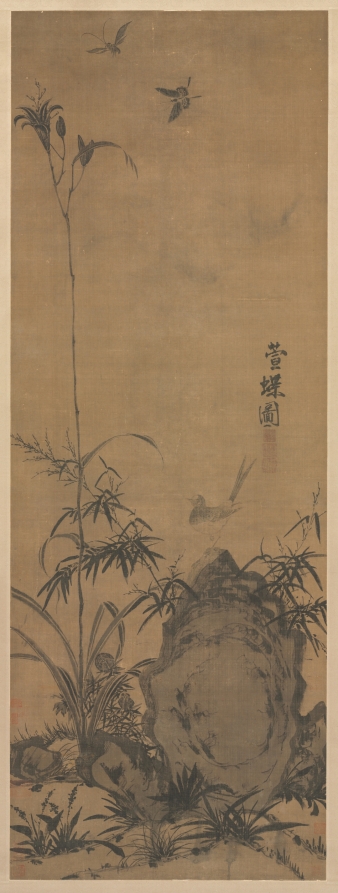
The Cleveland Museum of Art credits Liu Shanshou as artist of Lily and Butterflies, dated 1300s. The museum records its format as “Painting” and its medium as “Hanging scroll; ink on silk.” The creator record gives this identity context: “Chinese, active 1300s.”
A butterfly, a moth, and a wagtail occupy the composition among plants and rocks.
Artist 25 of 30
Ren Renfa
Chinese, 1254–1328

The Cleveland Museum of Art credits Ren Renfa as artist of Three Horses and Four Grooms, dated c. 1320s. The museum records its format as “Painting” and its medium as “handscroll; ink and color on silk.” The creator record gives this identity context: “Chinese, 1254–1328.”
The painting brings three horses and four grooms together.
Artist 26 of 30
Govardhan
Indian, active c.1596–1645
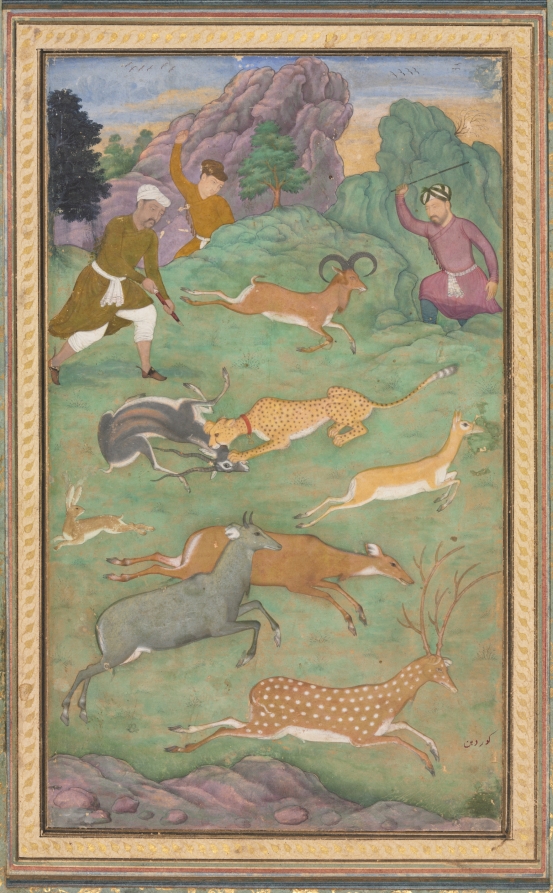
The Cleveland Museum of Art credits Govardhan as artist of Antelope and deer hunt, dated c. 1602–4. The museum records its format as “Painting” and its medium as “Gum tempera and gold on paper.” The creator record gives this identity context: “Indian, active c.1596–1645.”
A trained cheetah captures prey during an antelope and deer hunt.
Artist 27 of 30
Adolphe Braun
French, 1812–1877
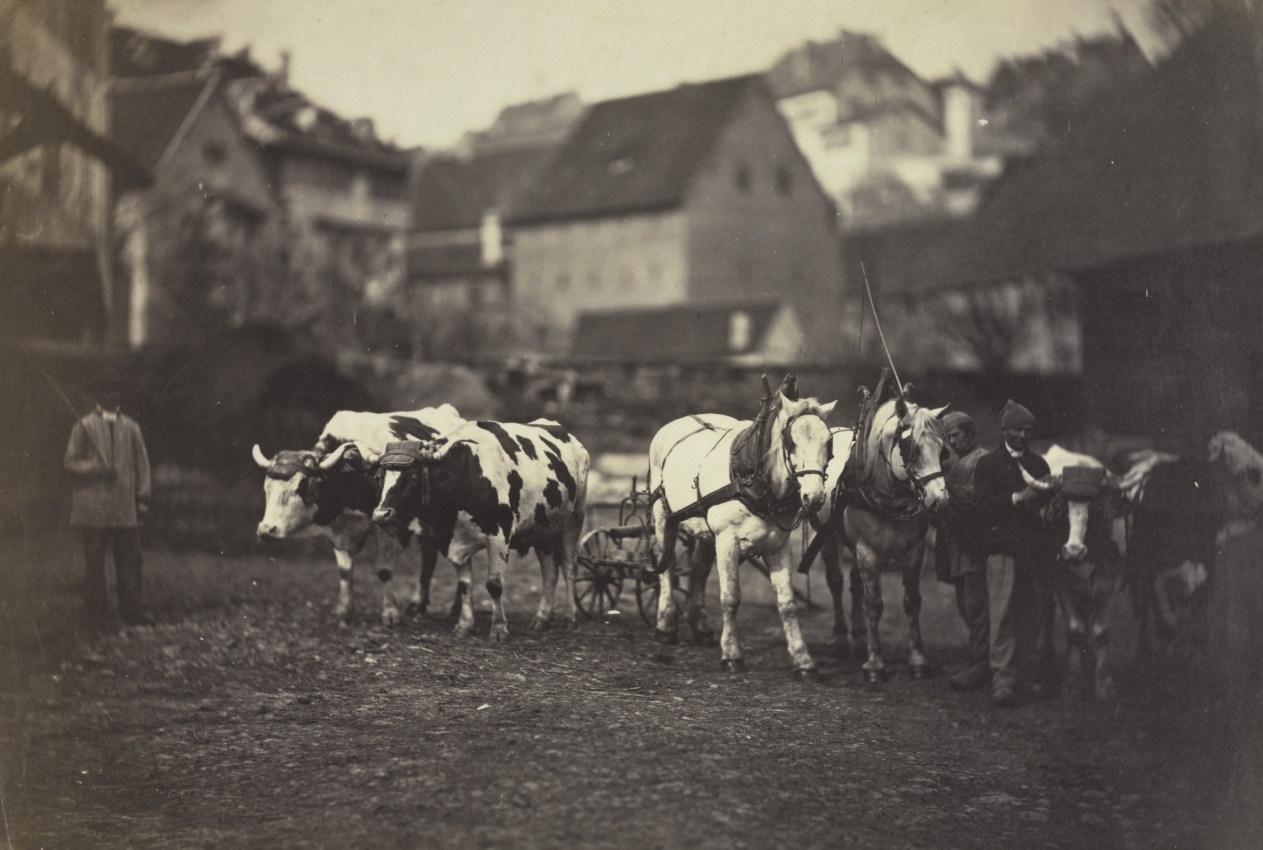
The Cleveland Museum of Art credits Adolphe Braun as artist of Untitled (Farm Animals), dated 1850s. The museum records its format as “Photograph” and its medium as “albumen print from wet collodion negative.” The creator record gives this identity context: “French, 1812–1877.”
The animals and farmers appear in sharp focus against blurred buildings.
Artist 28 of 30
Theo van Hoytema
Dutch, 1863–1917
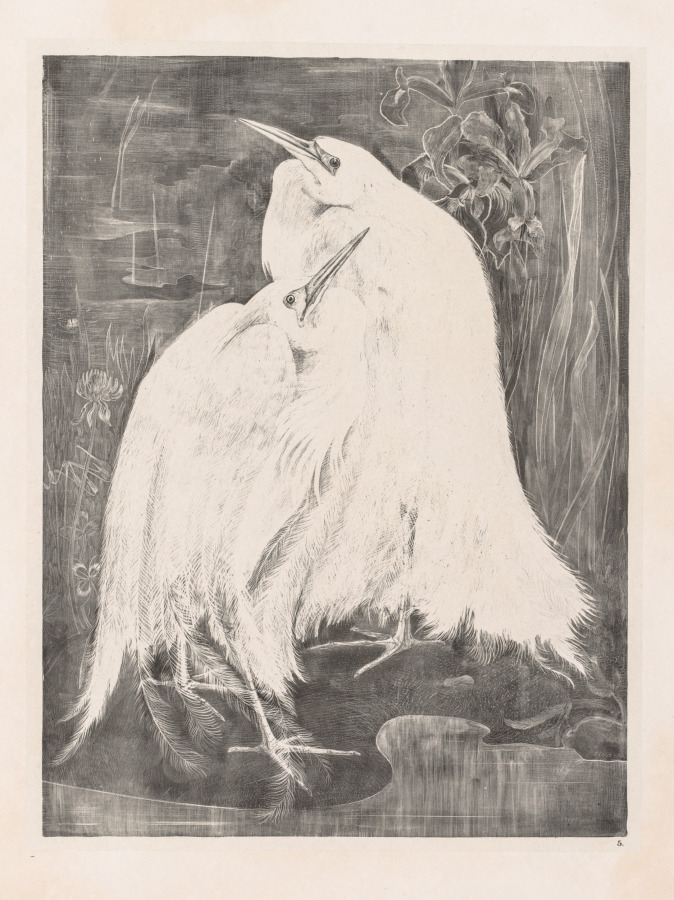
The Cleveland Museum of Art credits Theo van Hoytema as artist of Animal Studies: Two Silver Herons, dated 1898. The museum records its format as “Print” and its medium as “embossed lithograph.” The creator record gives this identity context: “Dutch, 1863–1917.”
Artist 29 of 30
Alvan Fisher
American, 1792–1863
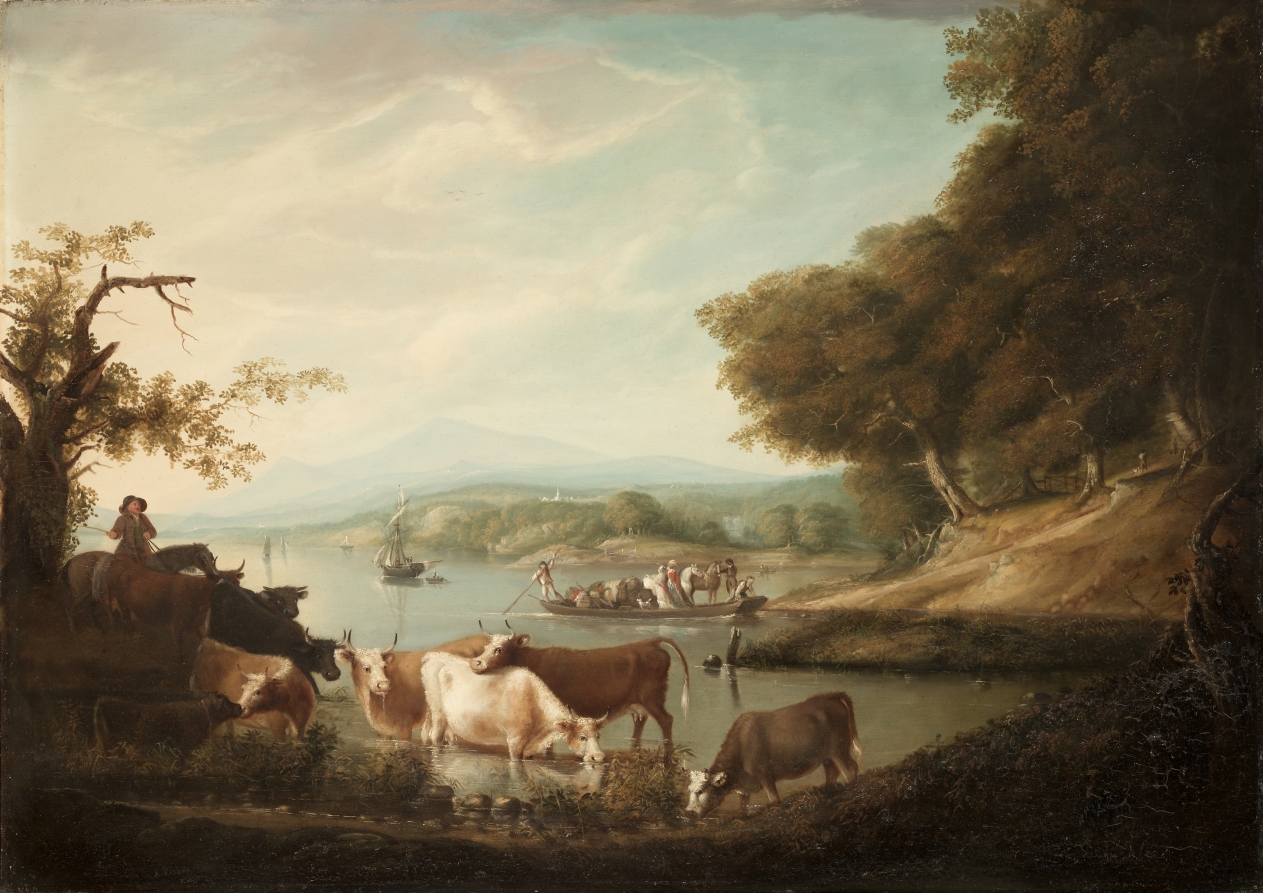
The Cleveland Museum of Art credits Alvan Fisher as artist of A Calm Watering Place--Extensive and Boundless Scene with Cattle, dated 1816. The museum records its format as “Painting” and its medium as “oil on panel.” The creator record gives this identity context: “American, 1792–1863.”
Artist 30 of 30
Jean-Baptiste Oudry
French, 1686–1755
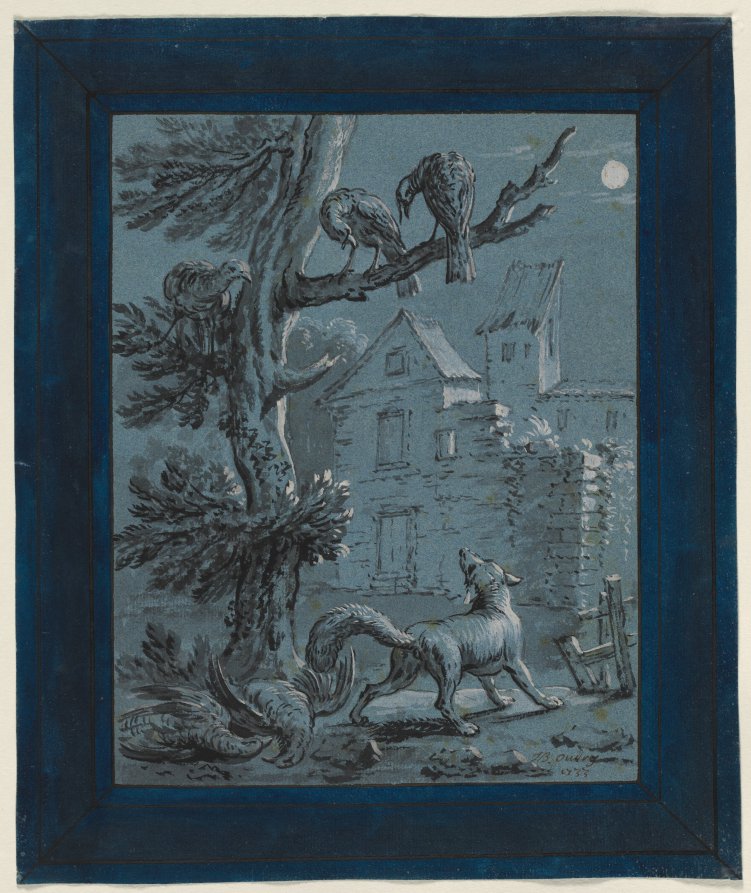
The Cleveland Museum of Art credits Jean-Baptiste Oudry as artist of The Fox and the Turkey Hens, dated 1733. The museum records its format as “Drawing” and its medium as “brush and black ink and gray wash heightened with white gouache, blue ink in margin; framing lines in brown ink.” The creator record gives this identity context: “French, 1686–1755.”