Beyond Familiar Names · Subject 14 of 20 · 30 artists
Devotional and sacred subjects invite attention to both the image and the circumstances in which it might be encountered. Scale, material, gesture, and the arrangement of figures can direct a viewer toward a story or an act of looking. These thirty artists provide individual works through which to explore those choices. Use the museum's identification to establish a subject before interpreting its details. Familiar symbols may carry specific meanings, but their presence alone does not tell us everything about an object's original use or its audience.
A 4½-minute gallery film featuring all 30 artists in this chapter. Music and artwork credits appear in the film and below.
Film soundtrack: Artists by Medium 14 - Tesserae in Motion — an existing original instrumental from the Incoprea library, created with Suno under the owner’s Premier subscription.
Looking closely
Consider how scale, material, and setting shape the work's devotional or narrative possibilities.
Explore the 20 subjects
- 01. Faces and Identities
- 02. Bodies and Gesture
- 03. Childhood and Family
- 04. Rooms and Daily Life
- 05. Work and Trade
- 06. Streets and City Life
- 07. Architecture and Built Space
- 08. Land and Sky
- 09. Water and Voyages
- 10. Plants and Gardens
- 11. Animals and Other Creatures
- 12. Dress and Self-Presentation
- 13. Music, Theatre and Dance
- 14. Sacred Stories and Devotion
- 15. Myth, Allegory and Fantasy
- 16. Power, Conflict and Public Memory
- 17. Books, Words and Knowledge
- 18. Pattern and Ornament
- 19. Vessels and Useful Beauty
- 20. Small Treasures and Keepsakes
The 30 artists in this chapter
- Wilhelm Hammerschmidt
- Christoph Stange
- Casper
- F. Trac
- Giovanni Battista de Maria
- François DuFour
- Charles Hoyau
- Giuseppe Bianchi
- Hans Schlaffer of Ulm
- Johannes I. Mayr
- Karl Dankwart
- Giovanni Giuliani
- Giovanni Maria Morlaiter
- Ludovico del Duca
- Goro di Gregorio
- Niclaus Weckmann
- Hans Springinklee
- Salomon Weininger
- Gabriel Weyer
- Auguste Mestral
- Leonhard Beck
- Giuseppe Sanmartino
- Giovanni della Robbia
- Cano de Aranda
- Alonso Berruguete
- Pasquino Querci
- Thomas Joseph Clérian
- Freeman Gage Delamotte
- Giovanni di Agostino
- Don Silvestro dei Gherarducci
Artist 01 of 30
Wilhelm Hammerschmidt
German (born Prussia), ca. 1830–1869 Berlin
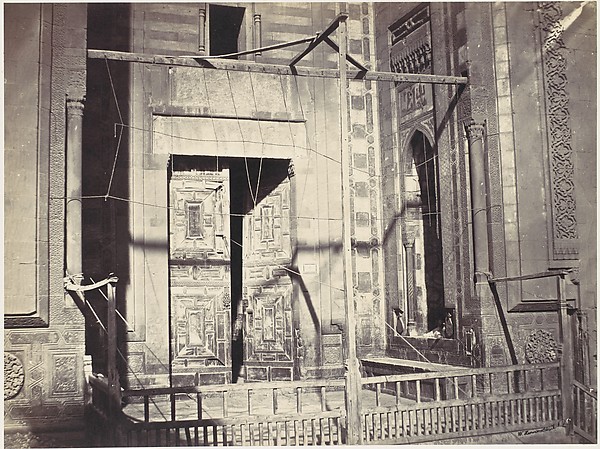
The Met credits Wilhelm Hammerschmidt as the artist of Porte de la Mosque, Sultan Hassan. Partie Inférieure, dated ca. 1860. The museum records its format as “Photograph” and its medium as “Albumen silver print from glass negative.” Its collection record identifies the artist as “German (born Prussia), ca. 1830–1869 Berlin.”
Artist 02 of 30
Christoph Stange
German, active 1662–1717
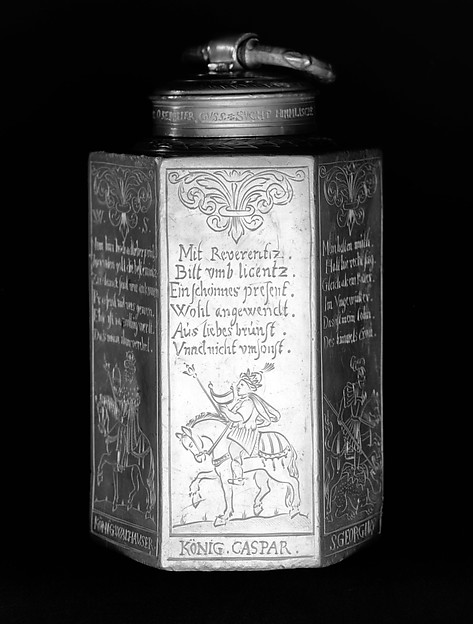
The Met credits Christoph Stange as the maker of Wine can, dated late 17th century. The museum records its format as “Wine can” and its medium as “Pewter.” Its collection record identifies the artist as “German, active 1662–1717.”
Its subjects include crucifixion, jesus.
Artist 03 of 30
Casper
Upper German, Regensburg, active ca. 1460-1500
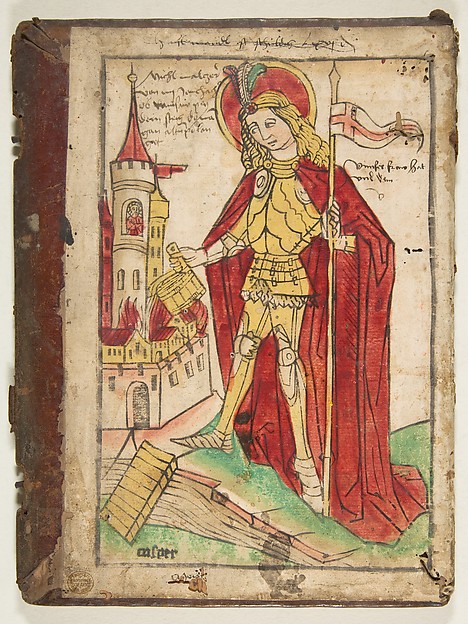
The Met credits Casper as the artist of Saint Florian, dated ca. 1460. The museum records its format as “Print” and its medium as “Woodcut; hand colored, mounted on the separated inner front cover of a leather bound volume.” Its collection record identifies the artist as “Upper German, Regensburg, active ca. 1460-1500.”
Its subjects include saints.
Artist 04 of 30
F. Trac
active 1559–68
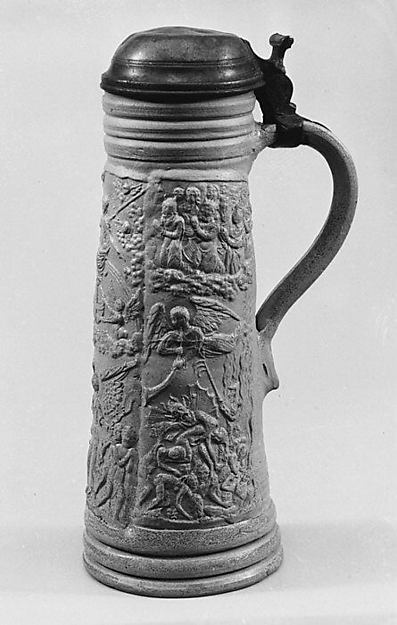
The Met credits F. Trac as the maker of Tankard (Schnelle) with The Last Judgment, dated 16th century. The museum records its format as “Tankard” and its medium as “White stoneware, pewter.” Its collection record identifies the artist as “active 1559–68.”
Its subjects include angels.
Artist 05 of 30
Giovanni Battista de Maria
active Vicenza
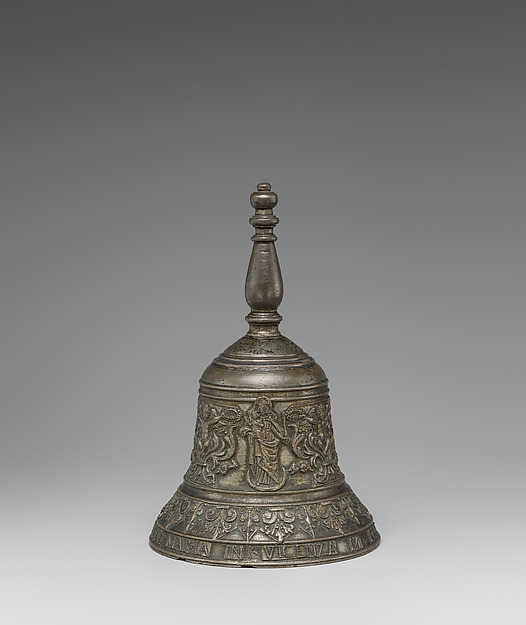
The Met credits Giovanni Battista de Maria as the maker of Bell, dated 1693. The museum records its format as “Bell” and its medium as “Bronze.” Its collection record identifies the artist as “active Vicenza.”
Its subjects include Madonna and Child.
Artist 06 of 30
François DuFour
recorded 1648
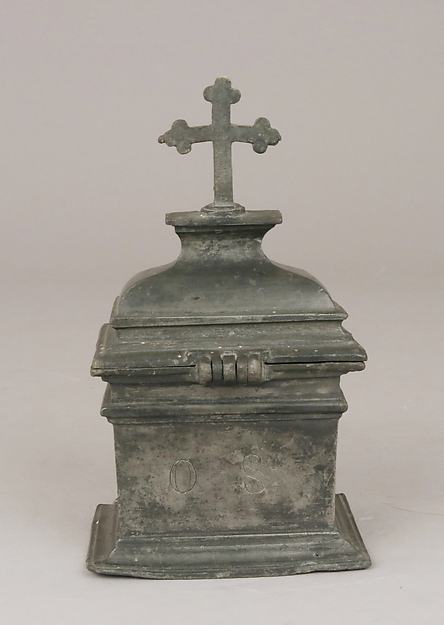
The Met credits François DuFour as the maker of Holy-oil casket (Chrismatory), dated ca. 1650–80. The museum records its format as “Holy-oil casket” and its medium as “Pewter.” Its collection record identifies the artist as “recorded 1648.”
Artist 07 of 30
Charles Hoyau
French, died by 1644
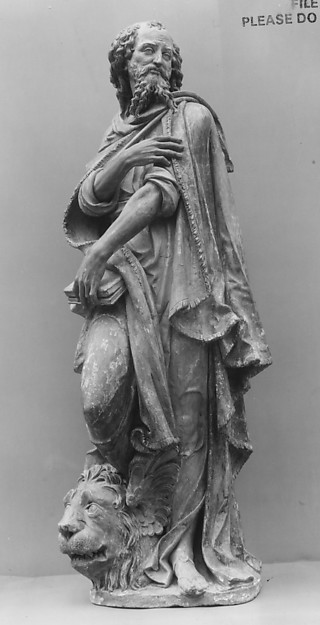
The Met credits Charles Hoyau as the artist of Saint Mark, dated ca. 1630. The museum records its format as “Statue” and its medium as “Terracotta, remains of later layers of paint and gilding.” Its collection record identifies the artist as “French, died by 1644.”
Artist 08 of 30
Giuseppe Bianchi
Italian, 1808–1877
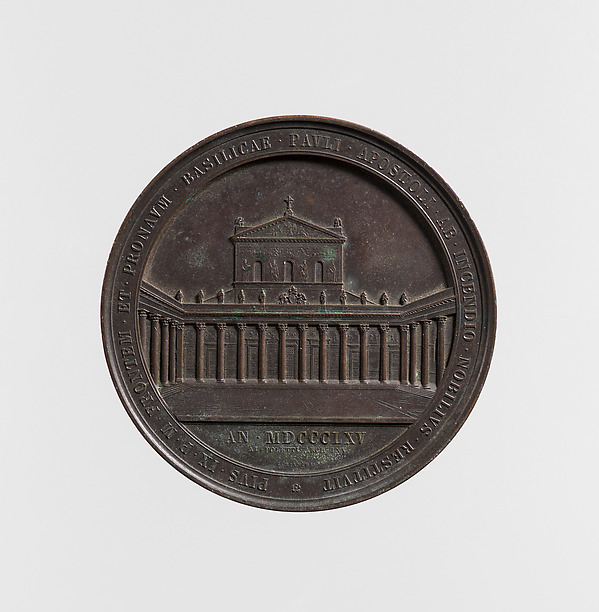
The Met credits Giuseppe Bianchi as the maker of Reconstruction and Re-consecration of the Basilica of Saint Paul Outside the Walls under Pope Pius IX, dated 1865. The museum records its format as “Pontifical Medal” and its medium as “Bronze.” Its collection record identifies the artist as “Italian, 1808–1877.”
Artist 09 of 30
Hans Schlaffer of Ulm
German, active ca. 1470–75
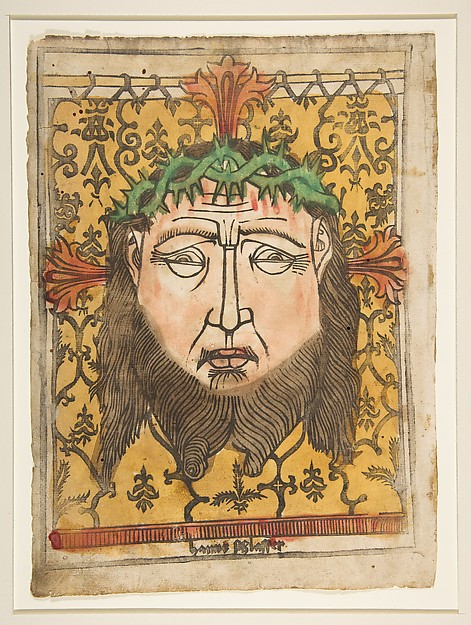
The Met credits Hans Schlaffer of Ulm as the artist of The Sudarium, dated ca. 1470–75. The museum records its format as “Print” and its medium as “Hand-colored woodcut.” Its collection record identifies the artist as “German, active ca. 1470–75.”
Its subjects include Christ.
Artist 10 of 30
Johannes I. Mayr
1629–1687
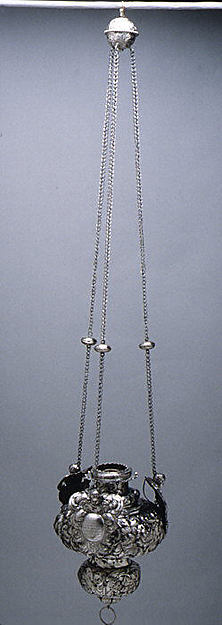
The Met credits Johannes I. Mayr as the maker of Sanctuary lamp, dated 1670–73. The museum records its format as “Sanctuary lamp” and its medium as “Silver.” Its collection record identifies the artist as “1629–1687.”
Its subjects include angels.
Artist 11 of 30
Karl Dankwart
Polish, died after 1703
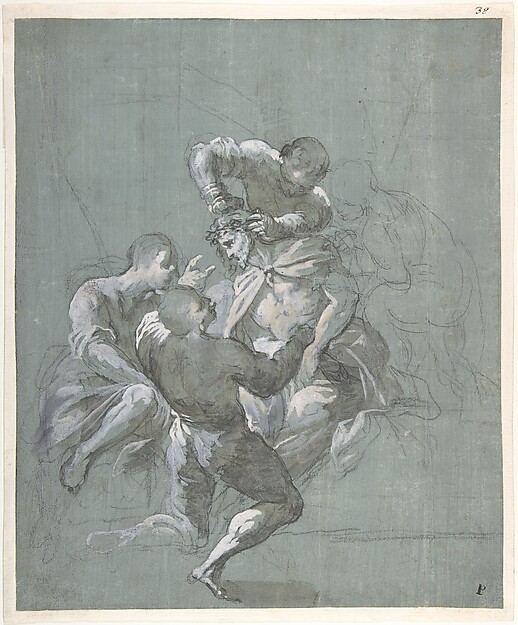
The Met credits Karl Dankwart as the artist of Christ Being Crowned with Thorns, dated ca. 1700. The museum records its format as “Drawing” and its medium as “Black chalk and graphite heightened with white gouache on off-white paper prepared with blue gouache.” Its collection record identifies the artist as “Polish, died after 1703.”
Its subjects include Christ.
Artist 12 of 30
Giovanni Giuliani
Italian, active Heiligenkreuz, Austria, Venice 1663–1744 Heiligenkreuz
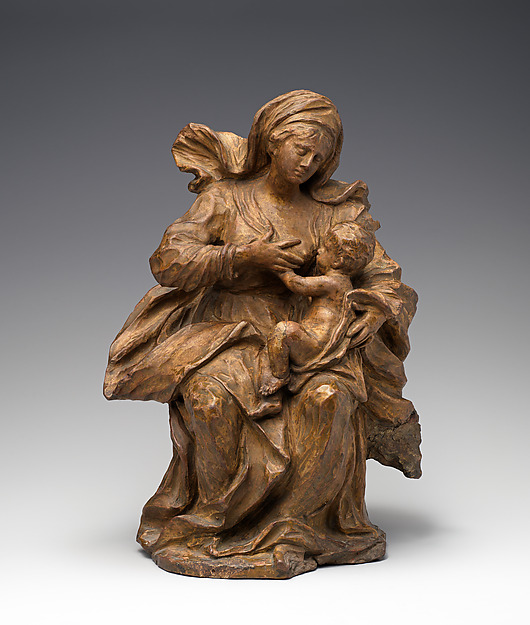
The Met credits Giovanni Giuliani as the artist of Virgin and Child, dated 1736. The museum records its format as “Statuette group” and its medium as “Terracotta with traces of metallic patina.” Its collection record identifies the artist as “Italian, active Heiligenkreuz, Austria, Venice 1663–1744 Heiligenkreuz.”
Its subjects include Madonna and Child.
Artist 13 of 30
Giovanni Maria Morlaiter
Italian, Niederdorf, Tyrol 1699–1781 Venice
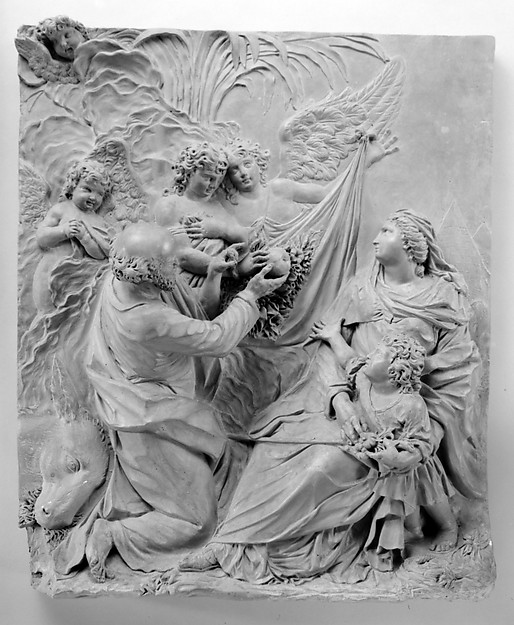
The Met credits Giovanni Maria Morlaiter as the artist of The Flight Into Egypt, dated mid-18th century. The museum records its format as “Relief” and its medium as “Terracotta.” Its collection record identifies the artist as “Italian, Niederdorf, Tyrol 1699–1781 Venice.”
Its subjects include angels.
Artist 14 of 30
Ludovico del Duca
Italian, Rome, active 1551 (?)–died after 1603
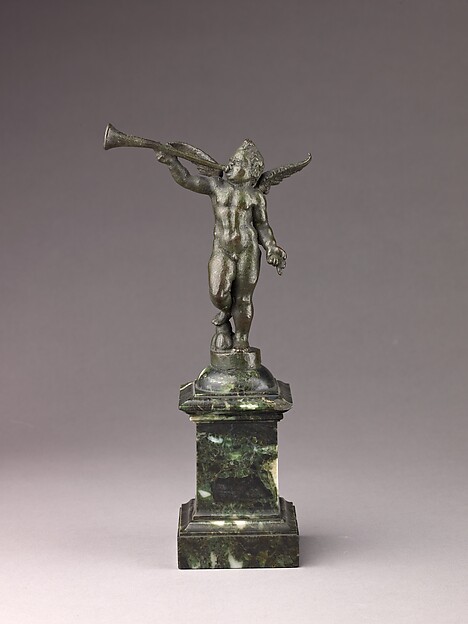
The Met credits Ludovico del Duca as the artist of Angel, dated ca. 1590–1600. The museum records its format as “Sculpture” and its medium as “Copper alloy, with brown patina under a grayish lacquer and various spots of bright green corrosion.” Its collection record identifies the artist as “Italian, Rome, active 1551 (?)–died after 1603.”
Its subjects include angels.
Artist 15 of 30
Goro di Gregorio
Italian, Siena, active ca. 1300–1334
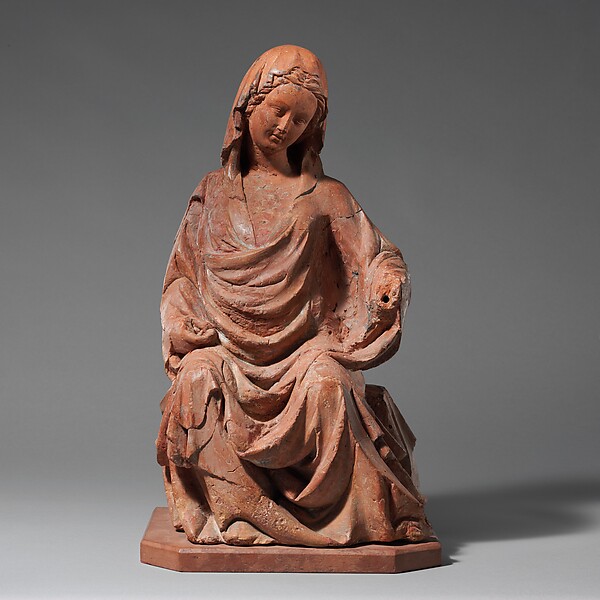
The Met credits Goro di Gregorio as the artist of Enthroned Virgin, dated first half 14th century. The museum records its format as “Statuette” and its medium as “Terracotta.” Its collection record identifies the artist as “Italian, Siena, active ca. 1300–1334.”
Artist 16 of 30
Niclaus Weckmann
German, 1481–ca. 1526
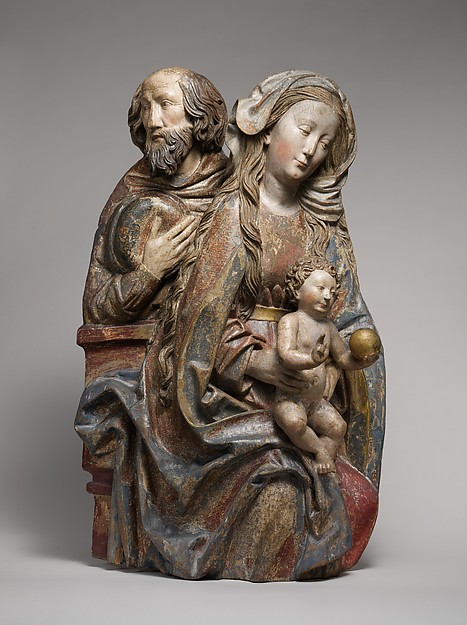
The Met credits Niclaus Weckmann as the artist of Holy Family, dated ca. 1500. The museum records its format as “Relief” and its medium as “Limewood with traces of paint and gilding.” Its collection record identifies the artist as “German, 1481–ca. 1526.”
Its subjects include Christ, Virgin Mary.
Artist 17 of 30
Hans Springinklee
German, ca. 1495–after 1522
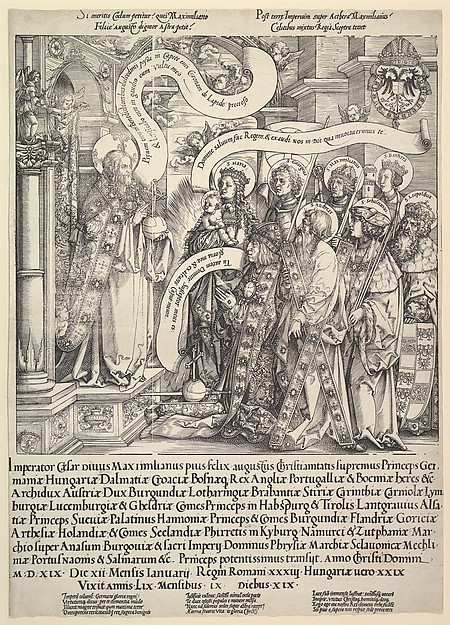
The Met credits Hans Springinklee as the artist of Maximilian Presented by his Patron Saints to the Almighty, dated 1519. The museum records its format as “Print” and its medium as “Woodcut.” Its collection record identifies the artist as “German, ca. 1495–after 1522.”
Its subjects include saints.
Artist 18 of 30
Salomon Weininger
Austrian, 1822–1879
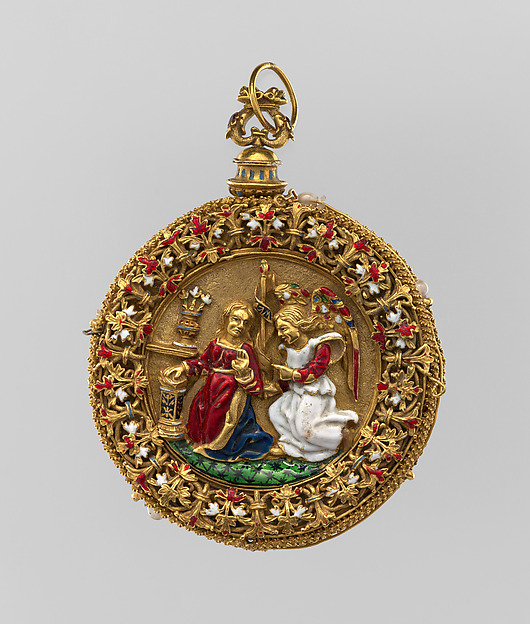
The Met credits Salomon Weininger as the maker of Pendant with scene of the Annunciation, dated third quarter 19th century. The museum records its format as “Pendant” and its medium as “Gold, enamel, glass, pearls.” Its collection record identifies the artist as “Austrian, 1822–1879.”
Its subjects include Virgin Mary.
Artist 19 of 30
Gabriel Weyer
German, Nuremberg 1576–1632 Nuremberg
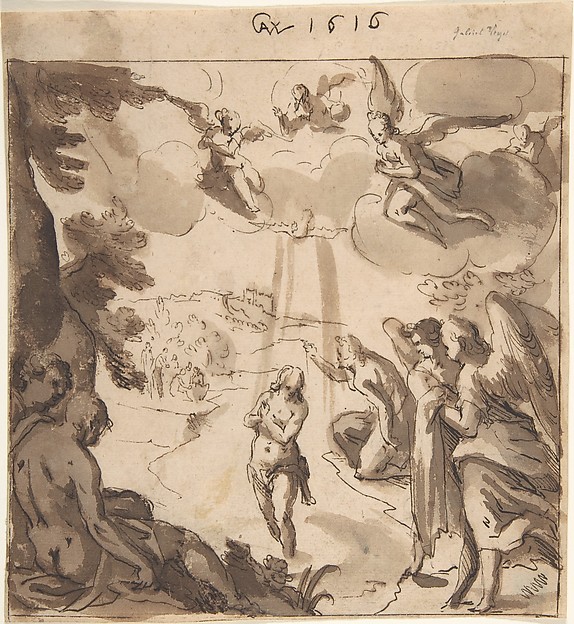
The Met credits Gabriel Weyer as the artist of The Baptism of Christ (recto); The Baptism of Christ (verso), dated late 16th–early 17th century. The museum records its format as “Drawing” and its medium as “Pen and brown ink and brown wash (recto); graphite (verso).” Its collection record identifies the artist as “German, Nuremberg 1576–1632 Nuremberg.”
Its subjects include angels, Christ.
Artist 20 of 30
Auguste Mestral
French, Rans 1812–1884 Rans
![[Sculpture of Virgin and Child, Notre Dame, Paris] — Auguste Mestral](https://images.metmuseum.org/CRDImages/ph/web-large/DP315547.jpg)
The Met credits Auguste Mestral as the artist of [Sculpture of Virgin and Child, Notre Dame, Paris], dated 1853–1854. The museum records its format as “Photograph” and its medium as “Salted paper print from paper negative.” Its collection record identifies the artist as “French, Rans 1812–1884 Rans.”
Its subjects include Madonna and Child.
Artist 21 of 30
Leonhard Beck
German, 1480–1542
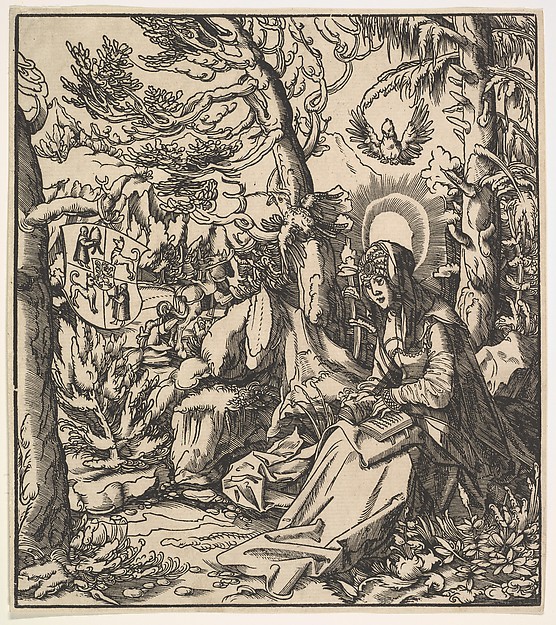
The Met credits Leonhard Beck as the artist of Saint Ita (of Toggenburg), from "The Habsburg Saints", dated 1516–18. The museum records its format as “Print” and its medium as “Woodcut.” Its collection record identifies the artist as “German, 1480–1542.”
Its subjects include saints.
Artist 22 of 30
Giuseppe Sanmartino
Italian, 1720–1793
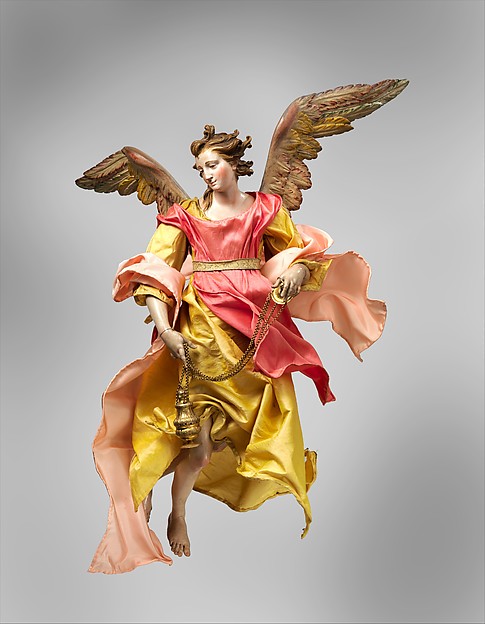
The Met credits Giuseppe Sanmartino as the maker of Angel, dated second half 18th century. The museum records its format as “Crèche figure” and its medium as “Polychromed terracotta head; wooden limbs and wings; body of wire wrapped in tow; various fabrics.” Its collection record identifies the artist as “Italian, 1720–1793.”
Its subjects include angels.
Artist 23 of 30
Giovanni della Robbia
Italian, Florence 1469–1529/30 Florence
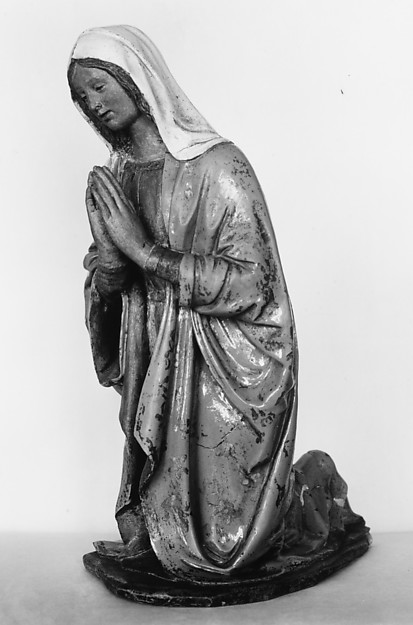
The Met credits Giovanni della Robbia as the artist of Kneeling Madonna, dated ca. 1490–1500. The museum records its format as “Statuette” and its medium as “Terracotta, partially glazed and gilded.” Its collection record identifies the artist as “Italian, Florence 1469–1529/30 Florence.”
Artist 24 of 30
Cano de Aranda
Spanish, active Toledo
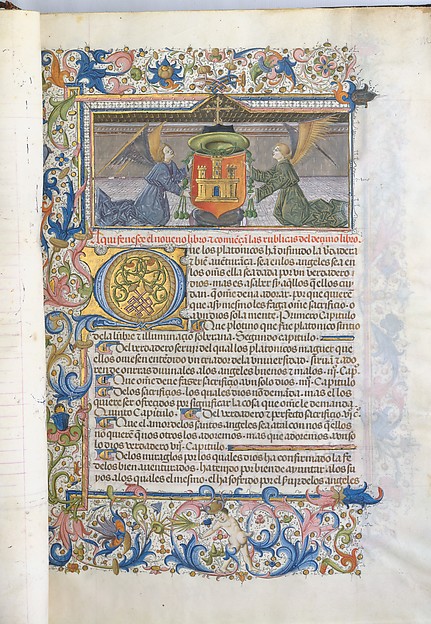
The Met credits Cano de Aranda as the artist of Spanish Translation of Saint Augustine's "City of God", dated 1446–82. The museum records its format as “Manuscript” and its medium as “Tempera and gold on parchment, tooled leather binding.” Its collection record identifies the artist as “Spanish, active Toledo.”
Artist 25 of 30
Alonso Berruguete
Spanish, Parades de Nava (Palencia) ca. 1488–1561 Toledo
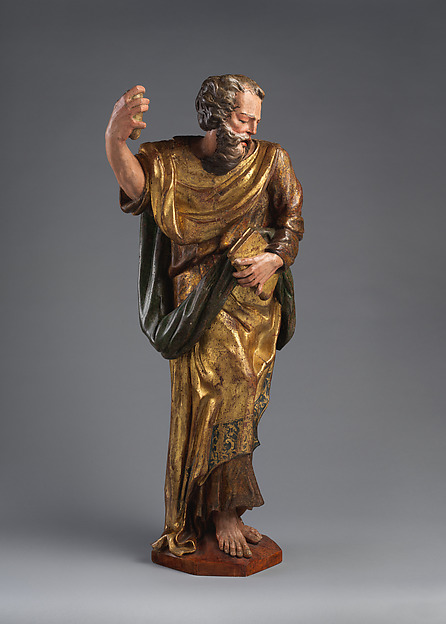
The Met credits Alonso Berruguete as the artist of Apostle or Saint, dated ca. 1520s. The museum records its format as “Figure” and its medium as “Polychrome and gilt walnut.” Its collection record identifies the artist as “Spanish, Parades de Nava (Palencia) ca. 1488–1561 Toledo.”
Its subjects include saints.
Artist 26 of 30
Pasquino Querci
Italian, active Florence, 1610–25
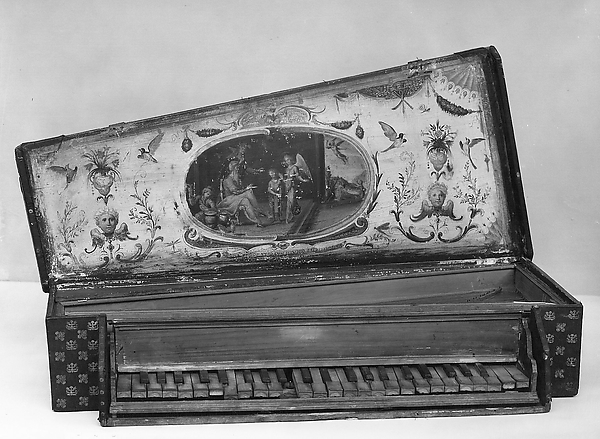
The Met credits Pasquino Querci as the maker of Triangular Octave Spinet, dated 1625. The museum records its format as “Triangular Octave Spinet” and its medium as “Wood, various materials.” Its collection record identifies the artist as “Italian, active Florence, 1610–25.”
Its subjects include angels.
Artist 27 of 30
Thomas Joseph Clérian
French, Aix 1796–1842 Avignon
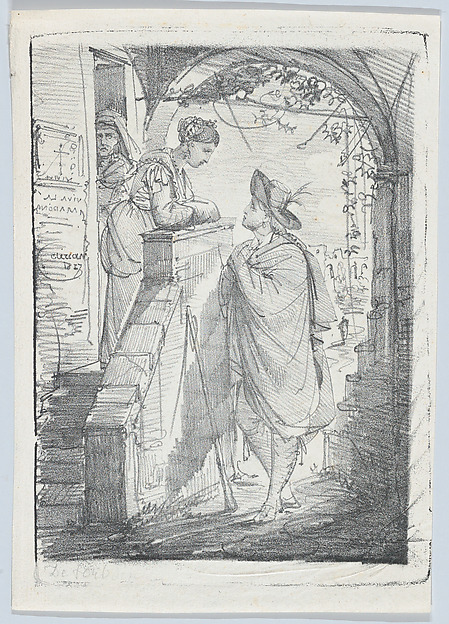
The Met credits Thomas Joseph Clérian as the artist of Viva La Madonna, dated 1817. The museum records its format as “Print” and its medium as “Lithograph.” Its collection record identifies the artist as “French, Aix 1796–1842 Avignon.”
Artist 28 of 30
Freeman Gage Delamotte
British, Sandhurst 1813/14–1862 London
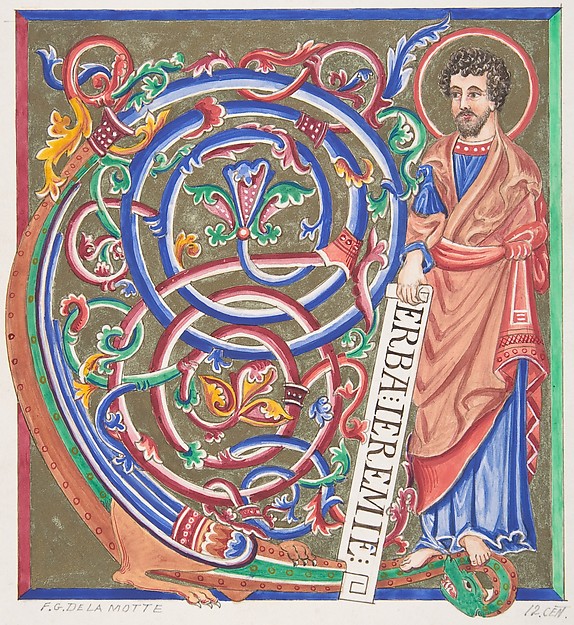
The Met credits Freeman Gage Delamotte as the artist of Illuminated Initial and Saint, dated 1830–62. The museum records its format as “Drawing ; Ornament and architecture” and its medium as “Watercolor, pen and brown and red ink, and gold over graphite and gouache (bodycolor).” Its collection record identifies the artist as “British, Sandhurst 1813/14–1862 London.”
Its subjects include saints.
Artist 29 of 30
Giovanni di Agostino
Italian, c. 1310–1370
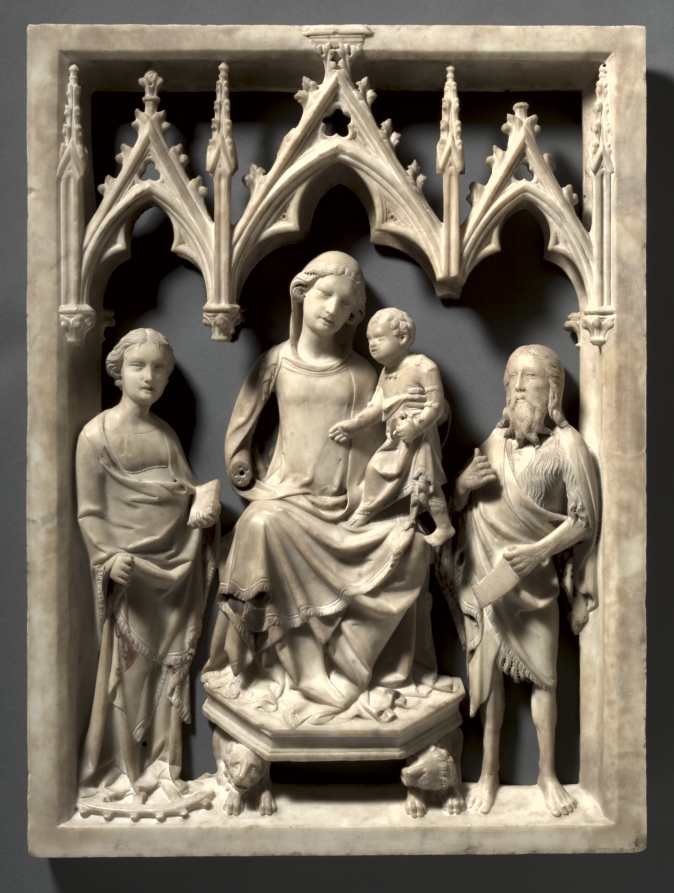
The Cleveland Museum of Art credits Giovanni di Agostino as artist of Madonna and Child with Saints Catherine and John the Baptist, dated c. 1340–50. The museum records its format as “Sculpture” and its medium as “marble with traces of polychromy and gilding.” The creator record gives this identity context: “Italian, c. 1310–1370.”
The Madonna and Child appear with Saints Catherine and John the Baptist.
Artist 30 of 30
Don Silvestro dei Gherarducci
Italian, 1339–1399
![Initial S[alve sancta parens] from a Gradual: Madonna and Child — Don Silvestro dei Gherarducci](https://openaccess-cdn.clevelandart.org/1924.1012/1924.1012_web.jpg)
The Cleveland Museum of Art credits Don Silvestro dei Gherarducci as artist of Initial S[alve sancta parens] from a Gradual: Madonna and Child, dated c. 1370–74. The museum records its format as “Manuscript” and its medium as “ink, tempera, and gold on vellum.” The creator record gives this identity context: “Italian, 1339–1399.”