Beyond Familiar Names · Subject 18 of 20 · 30 artists
Pattern rewards two kinds of looking: the quick recognition of a rhythm and the slower discovery of its variations. Follow a repeated shape until it turns a corner, meets another motif, or changes to fit an edge. These thirty artists provide selected works through which to examine ornament as an arrangement of surfaces. Notice the balance between occupied and open space, and how a design responds to its material or intended form. Even a small interruption can show how repetition is composed rather than merely copied.
A 4½-minute gallery film featuring all 30 artists in this chapter. Music and artwork credits appear in the film and below.
Film soundtrack: Artists by Medium 18 - Architecture of Light — an existing original instrumental from the Incoprea library, created with Suno under the owner’s Premier subscription.
Looking closely
Follow repetition, variation, and the way a design responds to the surface that carries it.
Explore the 20 subjects
- 01. Faces and Identities
- 02. Bodies and Gesture
- 03. Childhood and Family
- 04. Rooms and Daily Life
- 05. Work and Trade
- 06. Streets and City Life
- 07. Architecture and Built Space
- 08. Land and Sky
- 09. Water and Voyages
- 10. Plants and Gardens
- 11. Animals and Other Creatures
- 12. Dress and Self-Presentation
- 13. Music, Theatre and Dance
- 14. Sacred Stories and Devotion
- 15. Myth, Allegory and Fantasy
- 16. Power, Conflict and Public Memory
- 17. Books, Words and Knowledge
- 18. Pattern and Ornament
- 19. Vessels and Useful Beauty
- 20. Small Treasures and Keepsakes
The 30 artists in this chapter
- Eiraku Tokuzen
- Tsu Jumpo (Jimpo)
- Peter Flötner
- Michiel Jansz. van Mierevelt
- Eiraku Hozen
- De Lacollombe
- Claude Simonin
- Pierre Woeiriot de Bouzey II
- Enoki Shinuemon Hironobu 榎木新右衛門 寛命
- Lockwood de Forest
- Giovani Battista Grondoni
- Gilles Demarteau
- Gustave Ernst
- Claude Gillot
- Imura Katsukichi
- Mary Frances Matilda Wroughton
- Jean-Francois Lucas
- Rudolf Franz Ferdinand von Talmberg
- Adriaan Rogge
- Giovanni Antonio Dosio
- Nicoletto da Modena
- Luzio Romano
- Jacques François Saly
- Carlo Bugatti
- Gilles Marie Oppenord
- Franz Xaver Habermann
- Pierre Bourdon
- Juste-Aurèle Meissonnier
- Stefano Della Bella
- Enea Vico
Artist 01 of 30
Eiraku Tokuzen
Japanese, 1853–1909
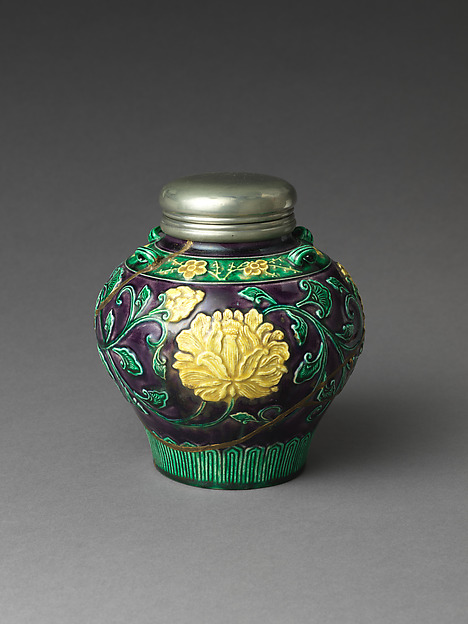
The Met credits Eiraku Tokuzen as the artist of Sencha Tea Jar with Peony Arabesque and Plum in Cochin (Kōchi) Style, dated late 19th century. The museum records its format as “Tea jar” and its medium as “Stoneware with relief decoration and polychrome glazes; imitation gold lacquer repair (kintsugi); pewter cover (Kyoto ware, Eiraku type).” Its collection record identifies the artist as “Japanese, 1853–1909.”
Artist 02 of 30
Tsu Jumpo (Jimpo)
Japanese, 1721–1762
s1.JPG)
The Met credits Tsu Jumpo (Jimpo) as the maker of Pair of Sword-Grip Ornaments (Menuki), dated ca. 1750. The museum records its format as “Pair of sword-grip ornaments (Menuki)” and its medium as “Gold.” Its collection record identifies the artist as “Japanese, 1721–1762.”
Artist 03 of 30
Peter Flötner
German, Thurgau 1485–1546 Nuremberg
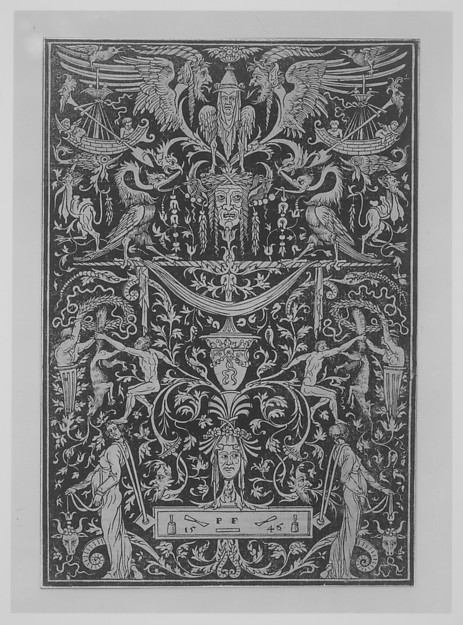
The Met credits Peter Flötner as the artist of Ornament Print Panel, dated early 16th century. The museum records its format as “Print” and its medium as “Woodcut.” Its collection record identifies the artist as “German, Thurgau 1485–1546 Nuremberg.”
Its subjects include ornament.
Artist 04 of 30
Michiel Jansz. van Mierevelt
Netherlandish, Delft 1567–1641 Delft
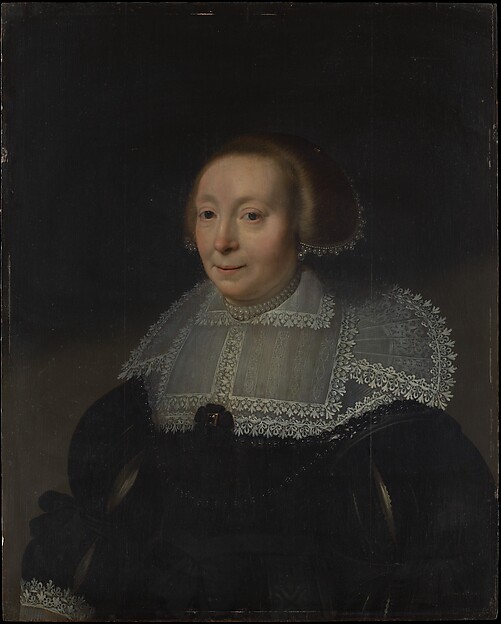
The Met credits Michiel Jansz. van Mierevelt as the artist of Portrait of a Woman with a Lace Collar, dated ca. 1632–35. The museum records its format as “Painting” and its medium as “Oil on wood.” Its collection record identifies the artist as “Netherlandish, Delft 1567–1641 Delft.”
Artist 05 of 30
Eiraku Hozen
Japanese, 1795–1854
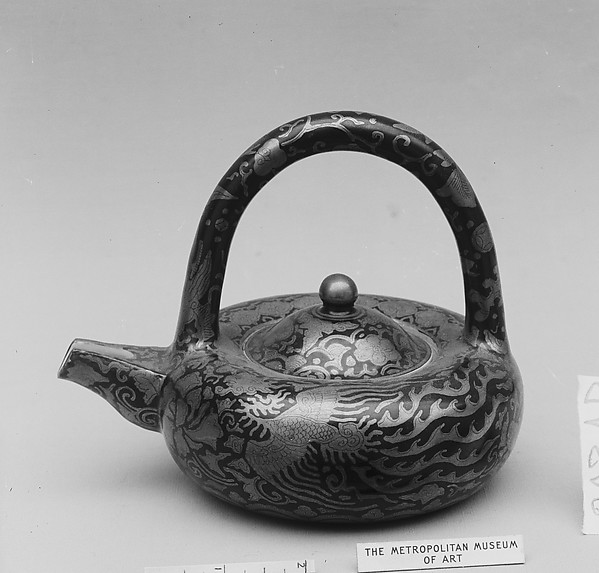
The Met credits Eiraku Hozen as the artist of Sake Ewer (Chōshi) with Phoenixes and Auspicious Patterns, dated first half of the19th century. The museum records its format as “Sake ewer” and its medium as “Porcelain painted with red and gold (kinrande) over a transparent glaze (Kyoto ware, Eiraku type).” Its collection record identifies the artist as “Japanese, 1795–1854.”
Artist 06 of 30
De Lacollombe
French, Paris, active ca. 1702–ca. 1736
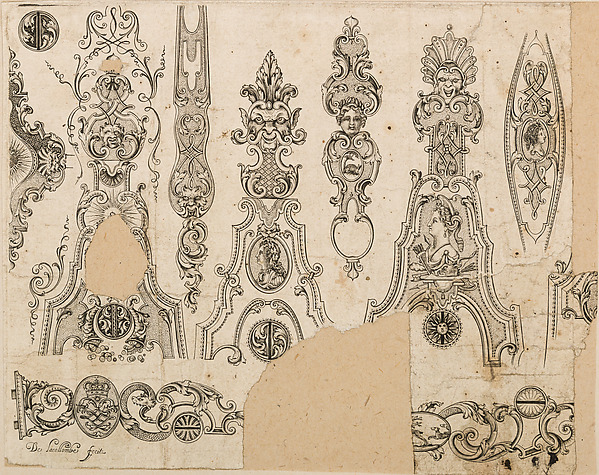
The Met credits De Lacollombe as the engraver of Plate Three from Nouveavx Desseins D'Arquebvseries, dated ca. 1730. The museum records its format as “Engraving” and its medium as “Engraving.” Its collection record identifies the artist as “French, Paris, active ca. 1702–ca. 1736.”
Its subjects include ornament.
Artist 07 of 30
Claude Simonin
French, Nantes ca. 1635–1693 Nantes
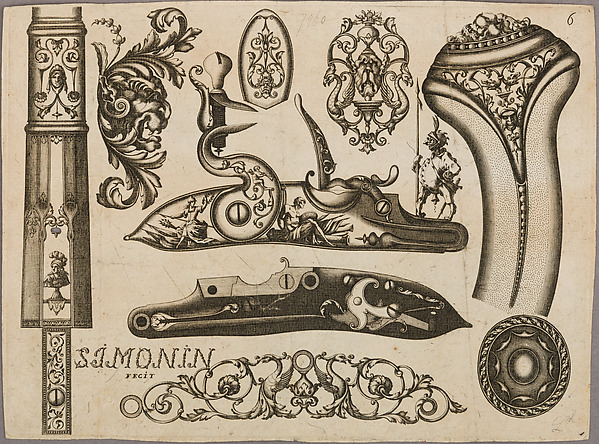
The Met credits Claude Simonin as the artist of Engraving of Firearms Ornament, dated 1693 or 1695. The museum records its format as “Engraving” and its medium as “Ink on paper.” Its collection record identifies the artist as “French, Nantes ca. 1635–1693 Nantes.”
Artist 08 of 30
Pierre Woeiriot de Bouzey II
French, Neufchâteau 1532–1599 Damblain
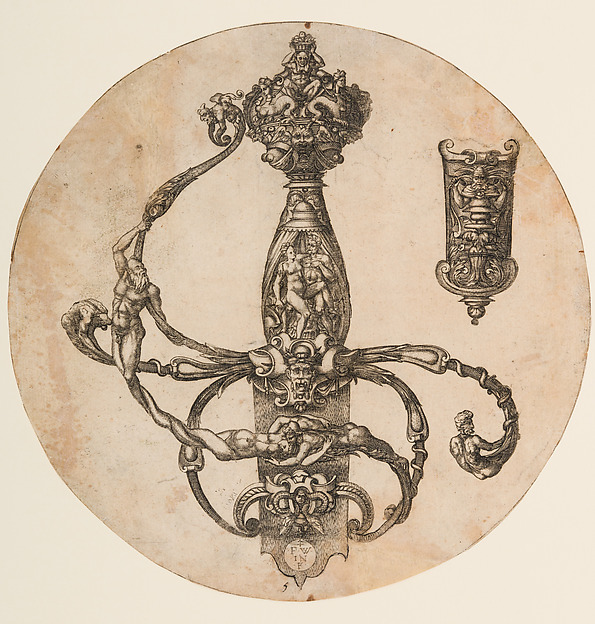
The Met credits Pierre Woeiriot de Bouzey II as the artist of Design for a Rapier Hilt and Scabbard Chape, dated 1555. The museum records its format as “Etching and engraving” and its medium as “Etching, engraving.” Its collection record identifies the artist as “French, Neufchâteau 1532–1599 Damblain.”
Its subjects include ornament.
Artist 09 of 30
Enoki Shinuemon Hironobu 榎木新右衛門 寛命
Japanese, active mid- 18th century
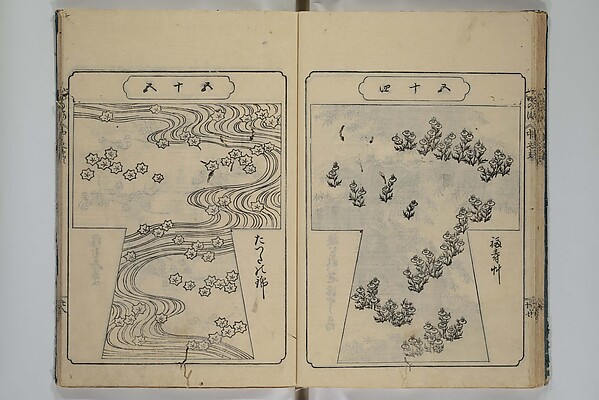
The Met credits Enoki Shinuemon Hironobu 榎木新右衛門 寛命 as the artist of Book of Kosode Patterns (Hiinagata Ise no umi) 雛形伊勢乃海, dated 1751. The museum records its format as “Illustrated book” and its medium as “Three woodblock-printed books bound as one; ink on paper.” Its collection record identifies the artist as “Japanese, active mid- 18th century.”
Artist 10 of 30
Lockwood de Forest
American, New York 1850–1932 Santa Barbara, California
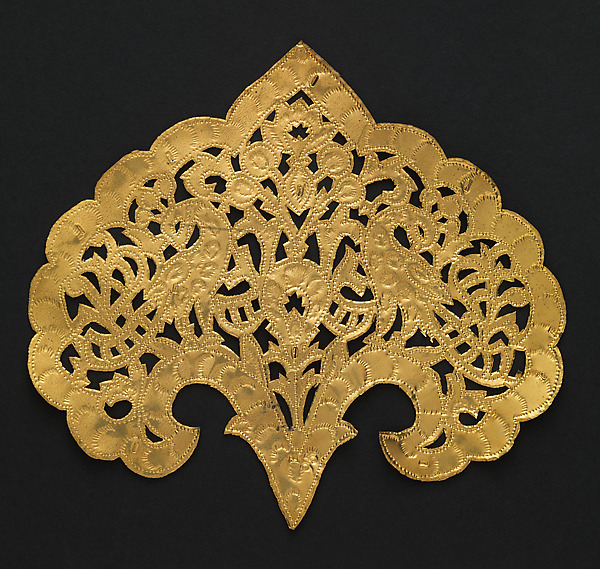
The Met credits Lockwood de Forest as the designer of Cutout, dated ca. 1892. The museum records its format as “Cutout” and its medium as “Brass; chased.” Its collection record identifies the artist as “American, New York 1850–1932 Santa Barbara, California.”
Its subjects include ornament.
Artist 11 of 30
Giovani Battista Grondoni
Italian, active 1709–1715
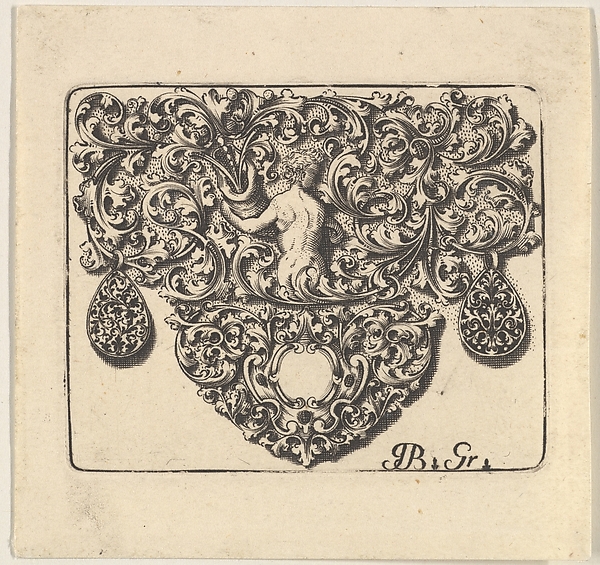
The Met credits Giovani Battista Grondoni as the artist of Goldsmiths Ornament with a Young Man Holding a Cornucopia, dated 1709. The museum records its format as “Prints Collection Ornament & Architecture” and its medium as “Engraving and blackwork.” Its collection record identifies the artist as “Italian, active 1709–1715.”
Its subjects include ornament.
Artist 12 of 30
Gilles Demarteau
French, Liège 1722–1776 Paris
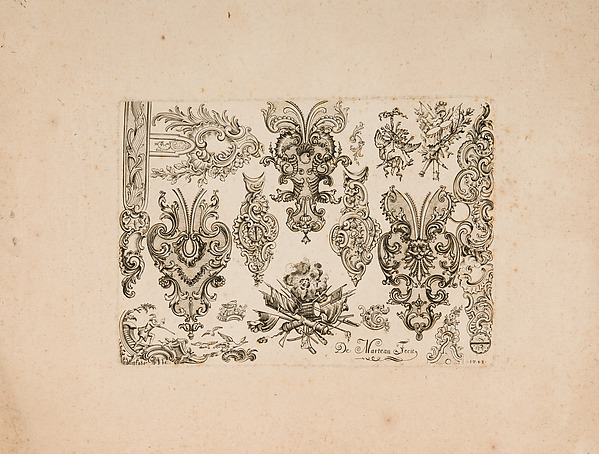
The Met credits Gilles Demarteau as the engraver of Plate Eight from Nouveavx Desseins D'Arquebvseries, dated 1743. The museum records its format as “Engraving” and its medium as “Engraving.” Its collection record identifies the artist as “French, Liège 1722–1776 Paris.”
Its subjects include ornament.
Artist 13 of 30
Gustave Ernst
German
![Musterblätter enthaltend die anwendbarsten Jagdstücke u. Arabesken für Büchsenschäfter, Graveure etc. (Zella bei Gotha, n.d. [1849/50]) (Patternbook of Engraved Designs for Firearms Ornament), from the workshop of Louis D. Nimschke (1832–1904) — Gustave Ernst](https://images.metmuseum.org/CRDImages/aa/web-large/LC-2002_233_1a-001.jpg)
The Met credits Gustave Ernst as the engraver of Musterblätter enthaltend die anwendbarsten Jagdstücke u. Arabesken für Büchsenschäfter, Graveure etc. (Zella bei Gotha, n.d. [1849/50]) (Patternbook of Engraved Designs for Firearms Ornament), from the workshop of Louis D. Nimschke (1832–1904), dated ca. 1849–50. The museum records its format as “Patternbook pages” and its medium as “Engraving on paper.” Its collection record identifies the artist as “German.”
Artist 14 of 30
Claude Gillot
French, Langres 1673–1722 Paris
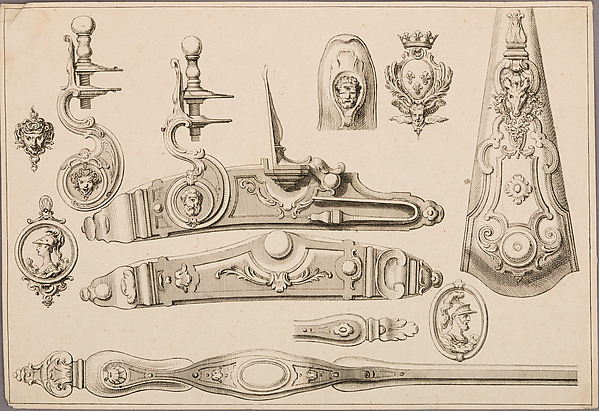
The Met credits Claude Gillot as the engraver of Design of a Flintlock, Side Plate, Butt Plate, and Trigger Guard, unnumbered plate from Nouveaux Desseins d'Arquebuserie Inventez et Gravez par Le Sr. Gillot, dated ca. 1715. The museum records its format as “Etching and engraving” and its medium as “Etching, engraving.” Its collection record identifies the artist as “French, Langres 1673–1722 Paris.”
Its subjects include ornament.
Artist 15 of 30
Imura Katsukichi
Japanese, active early 18th century
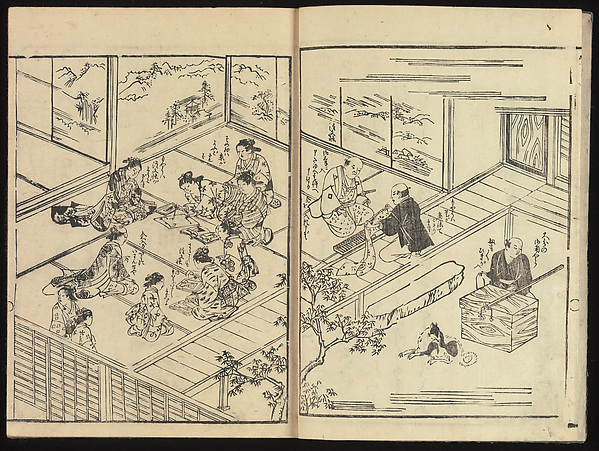
The Met credits Imura Katsukichi as the artist of Order Book of Kosode Patterns (Chūmon no hiinagata/Hiinagata chūmon chō), dated 1716. The museum records its format as “Illustrated book” and its medium as “Woodblock-printed book; ink on paper.” Its collection record identifies the artist as “Japanese, active early 18th century.”
Artist 16 of 30
Mary Frances Matilda Wroughton
British, 19th century
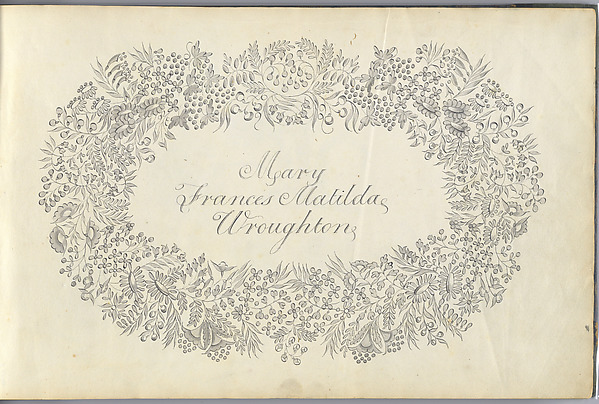
The Met credits Mary Frances Matilda Wroughton as the artist of Copy Book of Embroidery Patterns, dated ca. 1830–35. The museum records its format as “Book ; album” and its medium as “Pen and ink and graphite.” Its collection record identifies the artist as “British, 19th century.”
Artist 17 of 30
Jean-Francois Lucas
French, 1747–1825
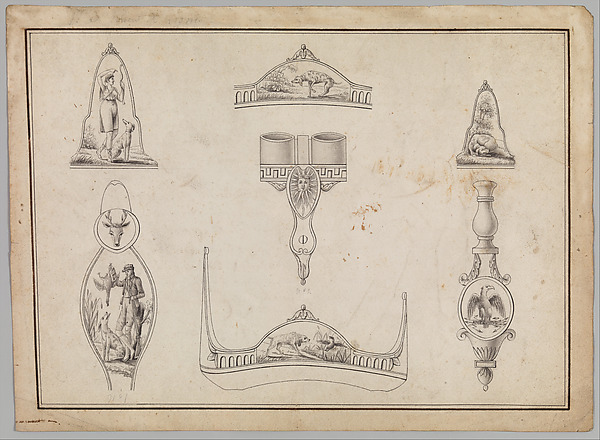
The Met credits Jean-Francois Lucas as the artist of Drawing with Seven Designs for Firearms Ornament, dated 1806. The museum records its format as “Drawing” and its medium as “Pen and black ink, with gray wash and traces of graphite, on paper.” Its collection record identifies the artist as “French, 1747–1825.”
Its subjects include ornament.
Artist 18 of 30
Rudolf Franz Ferdinand von Talmberg
Bohemian, ca. 1645–1702
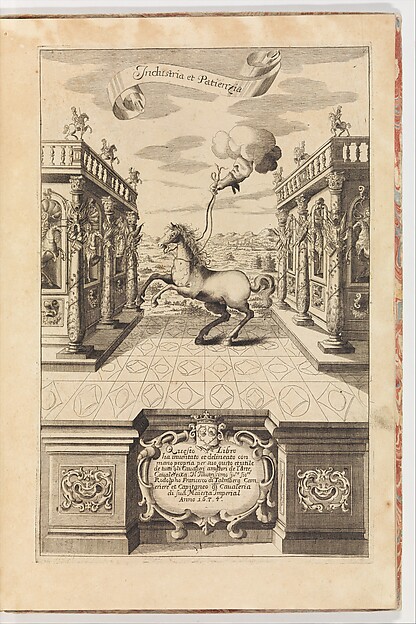
The Met credits Rudolf Franz Ferdinand von Talmberg as the designer of Album of Bit Designs, dated 1674. The museum records its format as “Album of bit designs” and its medium as “Ink on paper.” Its collection record identifies the artist as “Bohemian, ca. 1645–1702.”
Its subjects include ornament.
Artist 19 of 30
Adriaan Rogge
Dutch, Zaandam 1732–1816 Zaandam
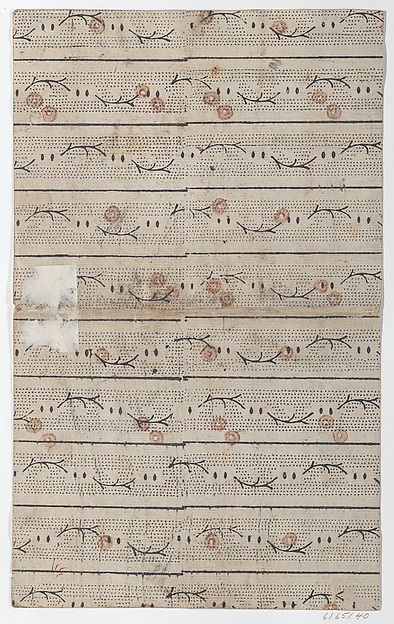
The Met credits Adriaan Rogge as the artist of Sheet with overall vine and dot pattern, dated 1750–1816. The museum records its format as “Print; decorative paper” and its medium as “Relief print (wood or metal).” Its collection record identifies the artist as “Dutch, Zaandam 1732–1816 Zaandam.”
Artist 20 of 30
Giovanni Antonio Dosio
Italian, Florence/S. Gimignano 1533–1609 Rome/Naples
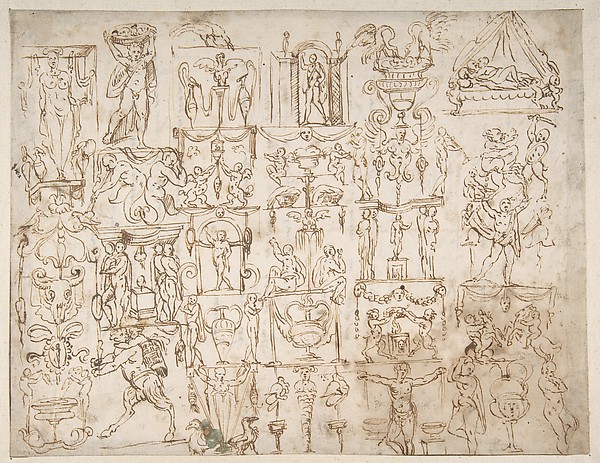
The Met credits Giovanni Antonio Dosio as the artist of Sketches of Grotesques, dated 1533–1609. The museum records its format as “Drawing” and its medium as “Pen and brown ink.” Its collection record identifies the artist as “Italian, Florence/S. Gimignano 1533–1609 Rome/Naples.”
Its subjects include ornament.
Artist 21 of 30
Nicoletto da Modena
Italian, active c. 1500–1520
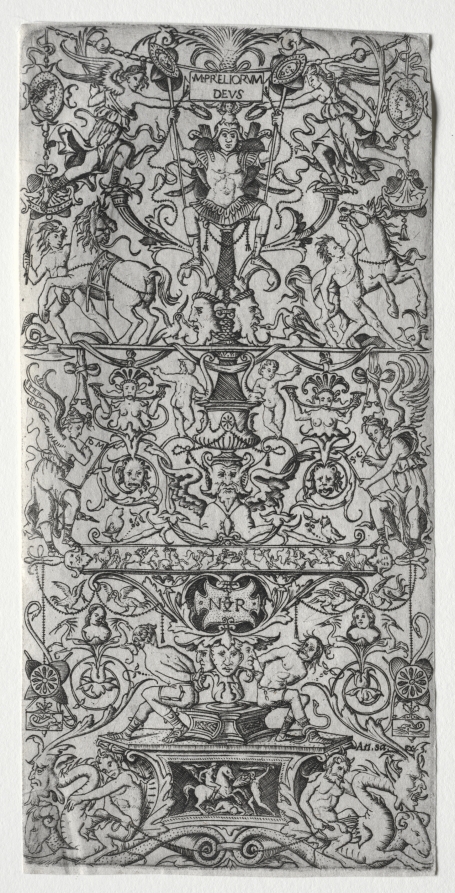
The Cleveland Museum of Art credits Nicoletto da Modena as artist of Ornament Panel: Mars, God of Battles, dated c. 1507. The museum records its format as “Print” and its medium as “engraving.” The creator record gives this identity context: “Italian, active c. 1500–1520.”
The engraved panel combines figural imagery with ornament.
Artist 22 of 30
Luzio Romano
Italian, active 1528–75
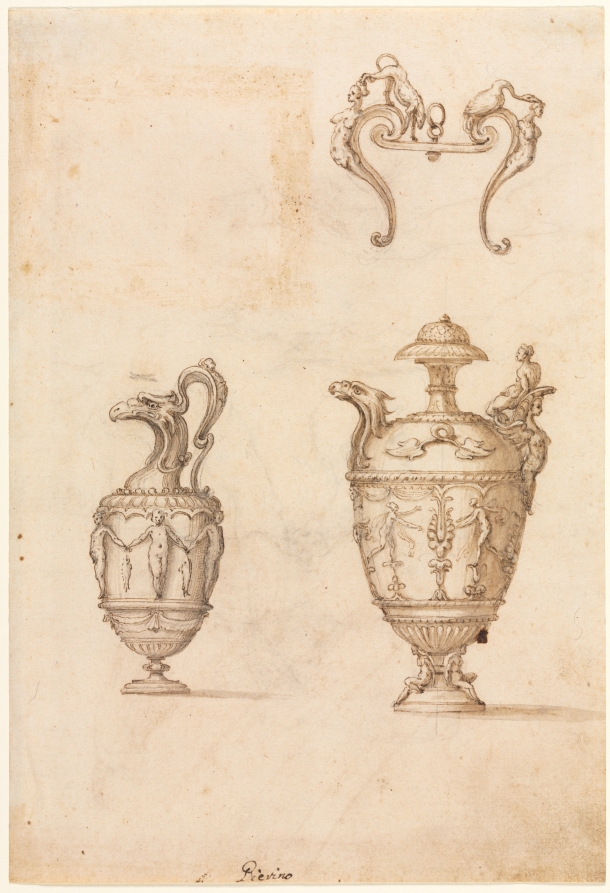
The Cleveland Museum of Art credits Luzio Romano as artist of Design for Two Vases and an Ornament (recto), dated mid 1500s. The museum records its format as “Drawing” and its medium as “pen and brown ink and brush and brown wash, with brush and gray wash (left vase), over black chalk.” The creator record gives this identity context: “Italian, active 1528–75.”
The drawing brings together designs for two vases and an ornament.
Artist 23 of 30
Jacques François Saly
French, 1717–1776
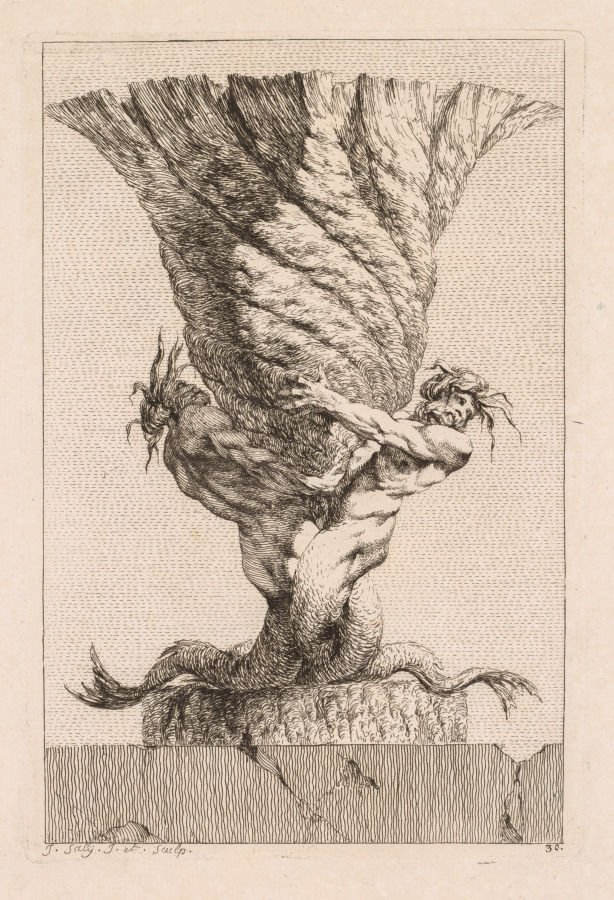
The Cleveland Museum of Art credits Jacques François Saly as artist of Suite of Vases: Plate 30, dated 1746. The museum records its format as “Print” and its medium as “etching.” The creator record gives this identity context: “French, 1717–1776.”
Saly adapted antique vase forms with fantastic creatures in this etched design.
Artist 24 of 30
Carlo Bugatti
Italian, 1856–1940
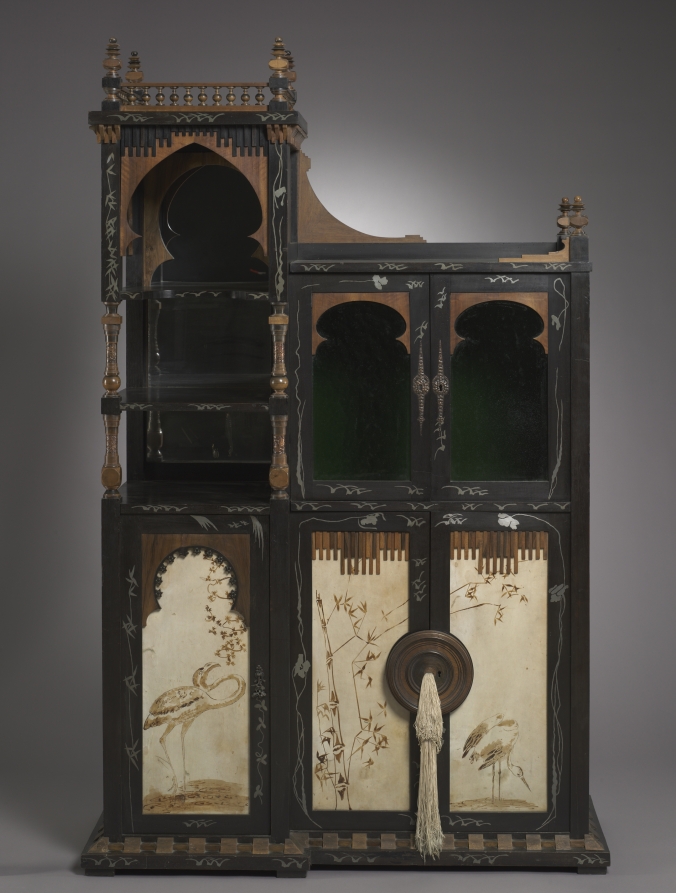
The Cleveland Museum of Art credits Carlo Bugatti as cabinetmaker of Cabinet, dated c. 1895. The museum records its format as “Furniture and woodwork” and its medium as “wood with metal inlays and painted parchment, glass doors and mirror.” The creator record gives this identity context: “Italian, 1856–1940.”
Ornamental arches, metal inlays, painted parchment, and turned wood contribute to the cabinet’s design.
Artist 25 of 30
Gilles Marie Oppenord
French, 1672–1742
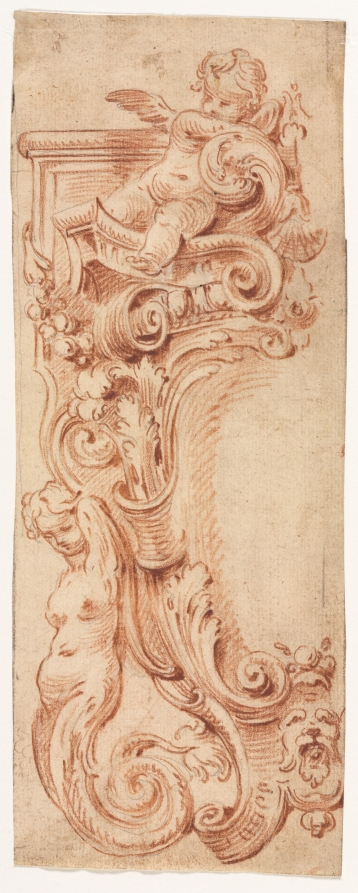
The Cleveland Museum of Art credits Gilles Marie Oppenord as artist of Design for a Cartouche, dated first half 1700s. The museum records its format as “Drawing” and its medium as “Red chalk with graphite on cream laid paper.” The creator record gives this identity context: “French, 1672–1742.”
The drawing develops a cartouche, an ornamental framing form.
Artist 26 of 30
Franz Xaver Habermann
German
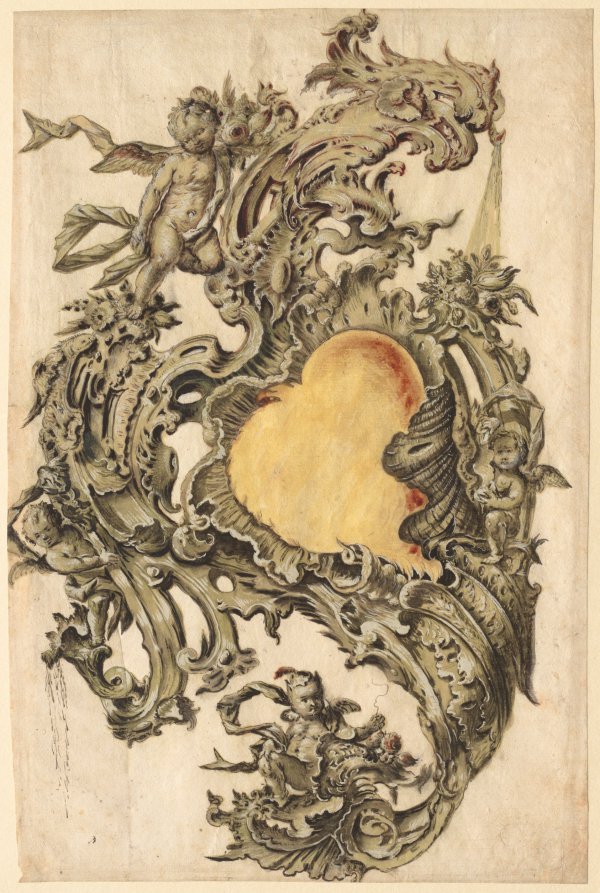
The Cleveland Museum of Art credits Franz Xaver Habermann as artist of Cartouche with Putti, dated second half 1700s. The museum records its format as “Drawing” and its medium as “pen and black ink and brush and gray, black, green, yellow, and red wash, heightened with white gouache.” The creator record gives this identity context: “German.”
Putti accompany the ornamental frame in this cartouche design.
Artist 27 of 30
Pierre Bourdon
French
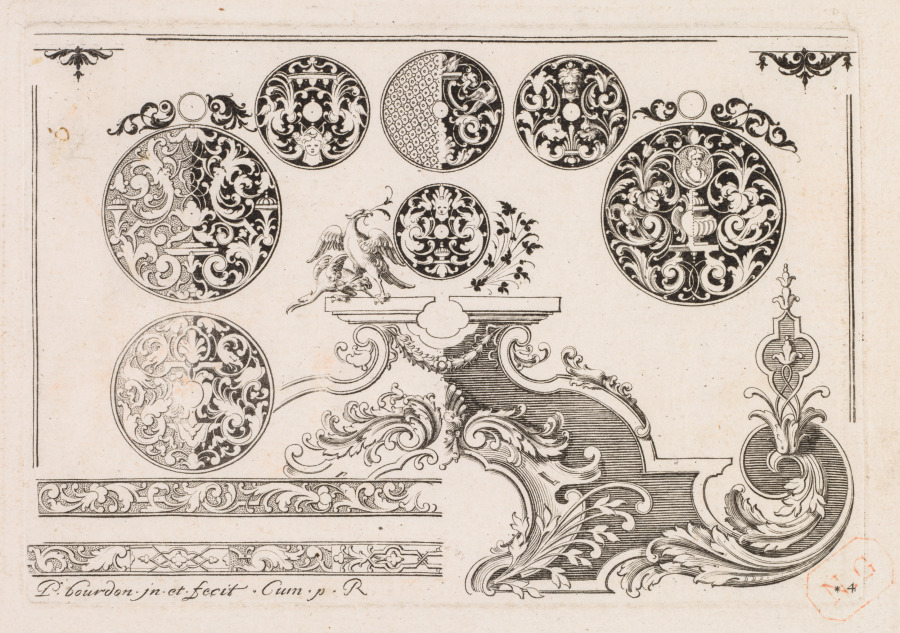
The Cleveland Museum of Art credits Pierre Bourdon as artist of # 5 from " Livre second essais de gravjre " second book of Engraved Designs, dated c. 1703. The museum records its format as “Print” and its medium as “etching and engraving.” The creator record gives this identity context: “French.”
Bourdon’s pattern prints offered designs to clockmakers, goldsmiths, engravers, and other makers of ornamented objects.
Artist 28 of 30
Juste-Aurèle Meissonnier
French, 1695–1750
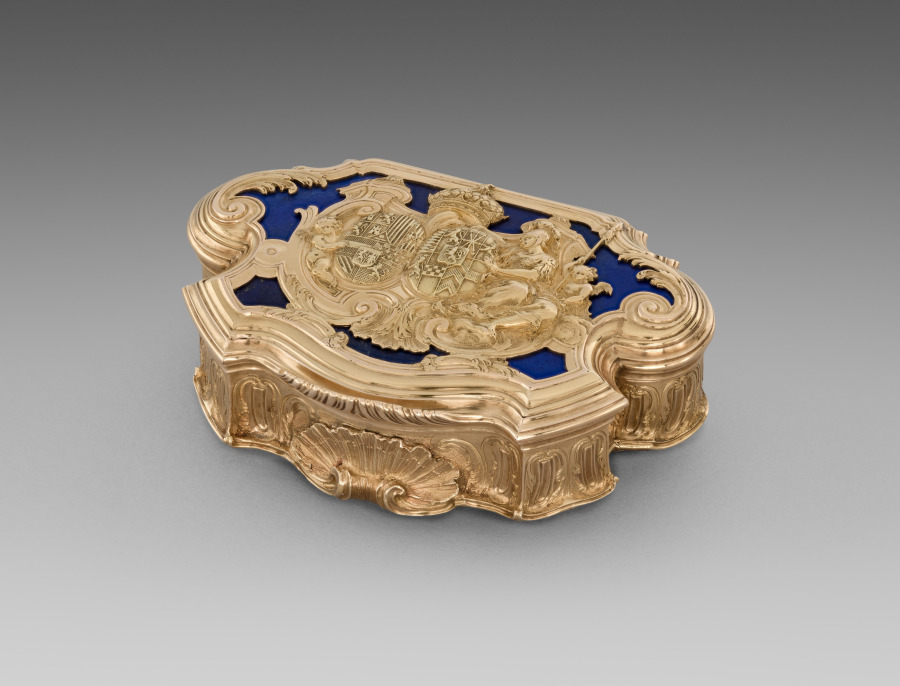
The Cleveland Museum of Art credits Juste-Aurèle Meissonnier as maker of Gold Box, dated 1728–29. The museum records its format as “Metalwork” and its medium as “gold and lapis lazuli.” The creator record gives this identity context: “French, 1695–1750.”
A central cartouche, molding, fluted sides, and a dynamic contour animate the gold-and-lapis box.
Artist 29 of 30
Stefano Della Bella
Italian, 1610–1664
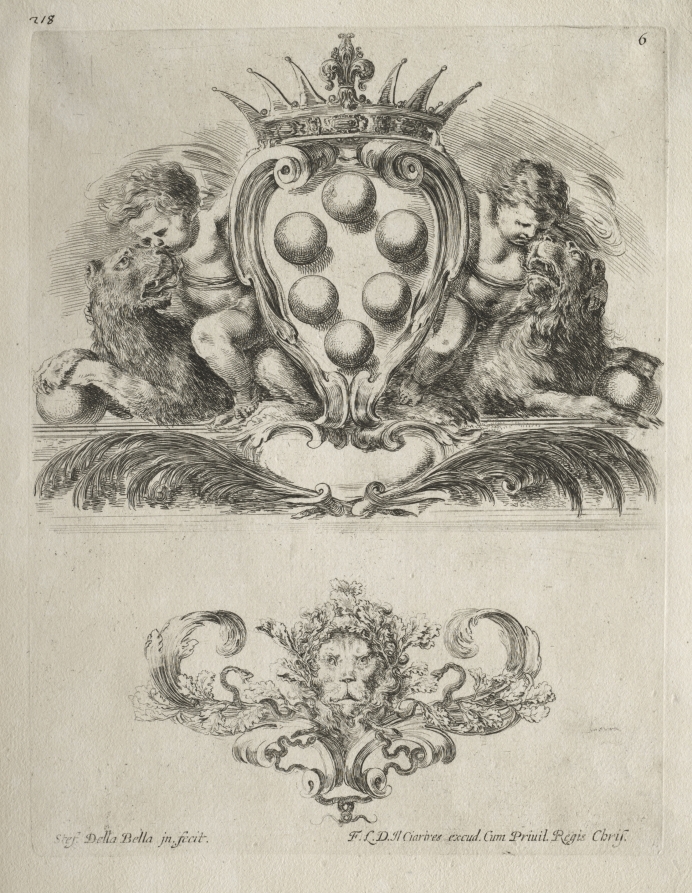
The Cleveland Museum of Art credits Stefano Della Bella as artist of Collection of Various Caprices and New Designs of Cartouches and Ornaments: No. 6, dated 1646. The museum records its format as “Print” and its medium as “etching.” The creator record gives this identity context: “Italian, 1610–1664.”
The etching presents a design for cartouches and ornaments.
Artist 30 of 30
Enea Vico
Italian, 1523–1567
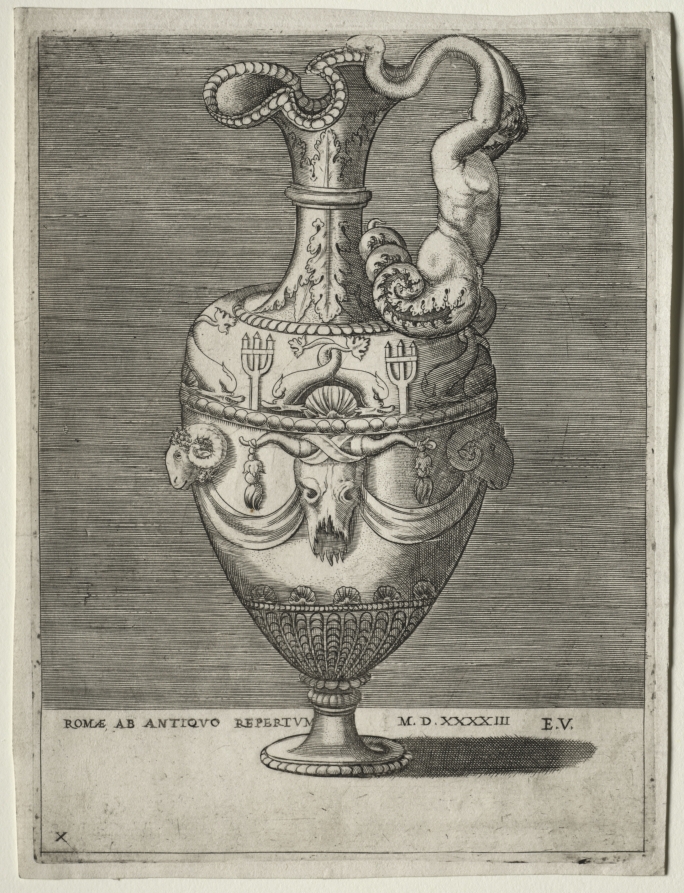
The Cleveland Museum of Art credits Enea Vico as artist of Ewer Ornamented with Dolphins, dated 1543. The museum records its format as “Print” and its medium as “engraving.” The creator record gives this identity context: “Italian, 1523–1567.”
Dolphins decorate the ewer in this engraved design.