Artists by Medium · Part 5 of 20
Pen and ink turns the behavior of a line into structure: hatching can build tone, a contour can carry weight, and a quick mark can preserve an observation.
The 30 profiles below pair a source-based identity note with one item-level work record verified through The Met API. Every embedded image is marked Public Domain by The Metropolitan Museum of Art, and each credit retains its object page and Open Access link.
Watch the Pen and Ink gallery film
A 4:30 moving gallery featuring all 30 artists in this medium.
Original instrumental soundtrack created with Suno: The Traveling Line.
Artists in this article
- Abraham Rutgers
- Andrea Casalini
- André Lebrun
- Antoine Léonard Du Pasquier
- Antonio Francisco Baeta
- Aug. Strubeker
- Auvrest
- Bartolommeo Tarsia
- Bernardino Rodriguez ("Bernardino Siciliano")
- Carl Dahl
- Carlo Borrelli (Ponticelli)
- Cesare Pollino (Cesare dal Francia or Franchi)
- Ch. G. Boeckmann
- C. Pompetti
- Domenico Fontana
- Domenico Silvestro Giannotti
- E. La Touche
- Filippo Cavori
- Fortunato Tesi
- Francesco Maria Richini (or Ricchino)
- Francesco Pinna
- Francesco Stagni
- Gaetano Landi
- Gaetano Piccini
- George Lockie
- Georg Vischer
- Giacomo Rossi
- Gillis van Coninxloo
- Giorgio Picchi, the Younger
- Giovanni Andrea de Ferrari
30 artists working in Pen and Ink
1. Abraham Rutgers
The Met’s verified item-level constituent record lists Abraham Rutgers in the role “Artist.” Its fuller identity line reads “Dutch, Amsterdam 1632–1699 Amsterdam.”
A representative work is View of Gouda Seen from the Southeast with the Janskerk in the Center (17th century). The Met catalogs it as Drawing, made in Black chalk, pen and brown ink, brown and gray wash. Its collection classification is Drawings. The item-level credit line reads: Purchase, Jean A. Bonna Gift, 2004. The museum marks the object Public Domain under its Open Access policy.
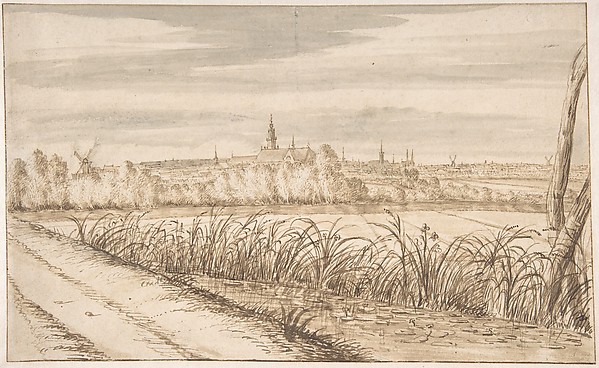
Sources: Met identity/item source
2. Andrea Casalini
The Met’s verified item-level constituent record lists Andrea Casalini in the role “Designer.” Its fuller identity line reads “Italian, Parma, died 1597.”
A representative work is Design for the Pommel Plate of a Saddle from a Garniture of Alessandro Farnese (1545–1592) (ca. 1575–80). The Met catalogs it as Design for a saddle plate, made in Pen and brown ink, with color washes, on paper. Its collection classification is Works on Paper-Drawings. The item-level credit line reads: Purchase, Fletcher Fund and Gift of William H. Riggs, by exchange, 1993. The museum marks the object Public Domain under its Open Access policy.
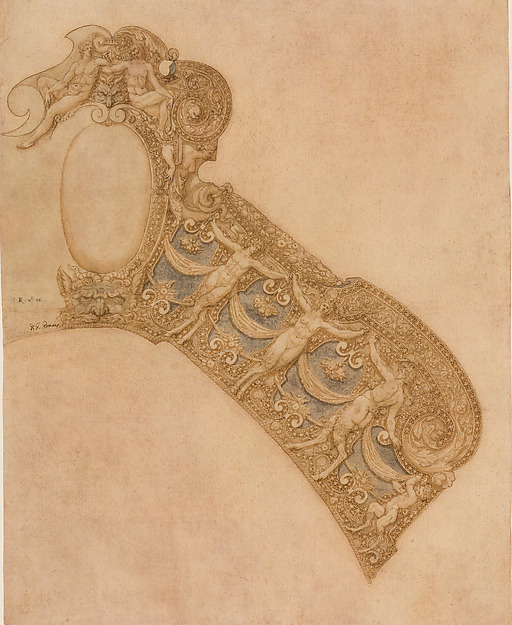
Sources: Met identity/item source
3. André Lebrun
The Met’s verified item-level constituent record lists André Lebrun in the role “Artist.” Its fuller identity line reads “French, Paris 1737–1811 Wilna.”
A representative work is The Triumph of Venus (n.d.). The Met catalogs it as Drawing, made in Pen and brown ink, brush and brown and gray-green wash, over black chalk. Its collection classification is Drawings. The item-level credit line reads: Harry G. Sperling Fund, 1988. The museum marks the object Public Domain under its Open Access policy.
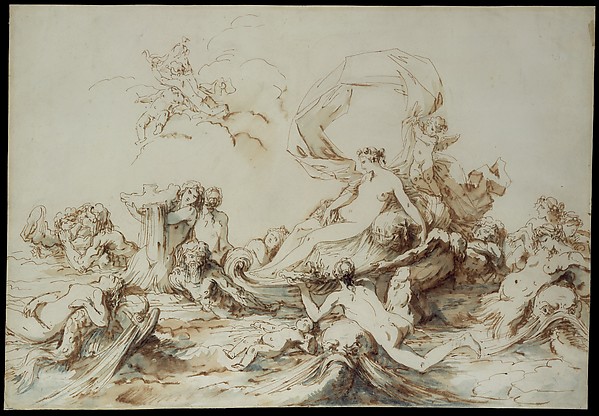
Sources: Met identity/item source
4. Antoine Léonard Du Pasquier
The Met’s verified item-level constituent record lists Antoine Léonard Du Pasquier in the role “Artist.” Its fuller identity line reads “French, Paris, 1748–1831/32.”
A representative work is Cybele and Three Attendants (1801 or 1802). The Met catalogs it as Drawing, made in Pen and black ink, brush and gray wash. Its collection classification is Drawings. The item-level credit line reads: Gift of Mr. and Mrs. Bruno de Bayser, 2000. The museum marks the object Public Domain under its Open Access policy.
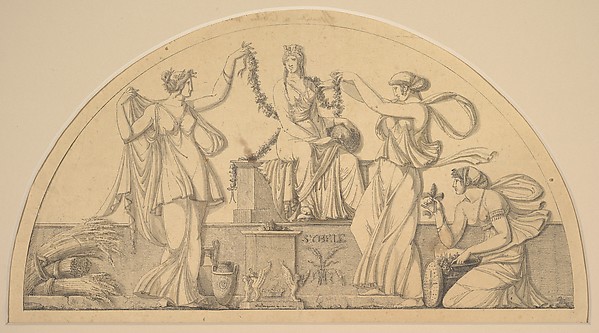
Sources: Met identity/item source
5. Antonio Francisco Baeta
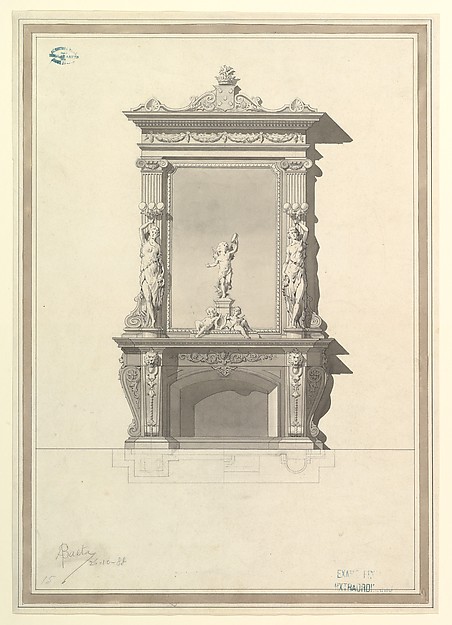
The Met’s verified item-level constituent record lists Antonio Francisco Baeta in the role “Artist.” Its fuller identity line reads “Portuguese, active 1886–1900.”
A representative work is Design for Mantlepiece (late 19th century). The Met catalogs it as Drawing, made in Pen with black and gray ink, brush and gray wash, over leadpoint or graphite. Its collection classification is Drawings. The item-level credit line reads: Gift of Harry G. Friedman, 1964. The museum marks the object Public Domain under its Open Access policy.
Sources: Met identity/item source
6. Aug. Strubeker
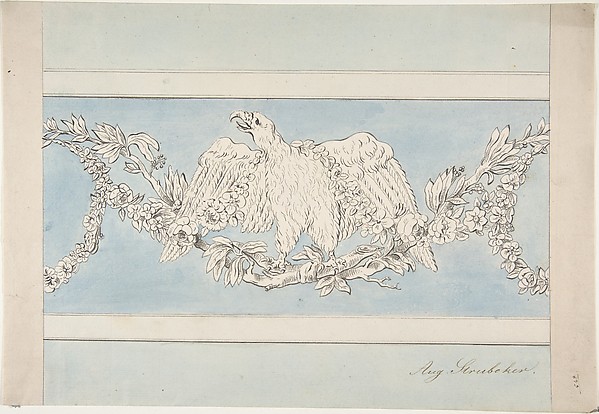
The Met’s verified item-level constituent record lists Aug. Strubeker in the role “Artist.” Its fuller identity line reads “German, active 19th century.”
A representative work is Ornament with Eagle and Garlands (1833). The Met catalogs it as Drawing, made in Pen and black and brown ink with blue washes. Its collection classification is Drawings. The item-level credit line reads: Gift of János Scholz, 1961. The museum marks the object Public Domain under its Open Access policy.
Sources: Met identity/item source
7. Auvrest
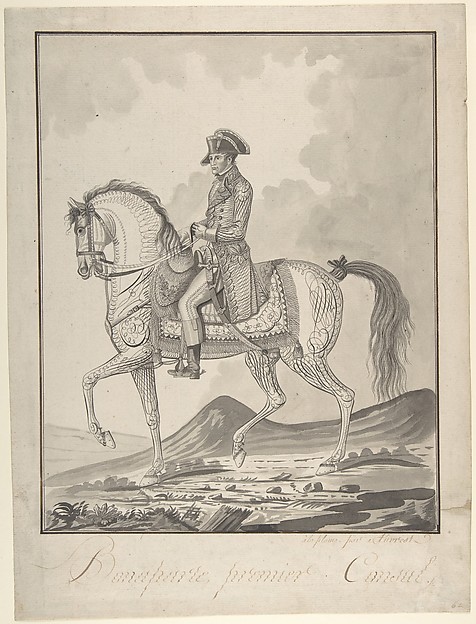
The Met’s verified item-level constituent record lists Auvrest in the role “Artist.” Its fuller identity line reads “French, active late 18th–early 19th century.”
A representative work is Equestrian Portrait of Napoleon as First Consul (n.d.). The Met catalogs it as Drawing, made in Pen and black ink and gray washes, with brown ink framing lines. Its collection classification is Drawings. The item-level credit line reads: The Elisha Whittelsey Collection, The Elisha Whittelsey Fund, 1963. The museum marks the object Public Domain under its Open Access policy.
Sources: Met identity/item source
8. Bartolommeo Tarsia
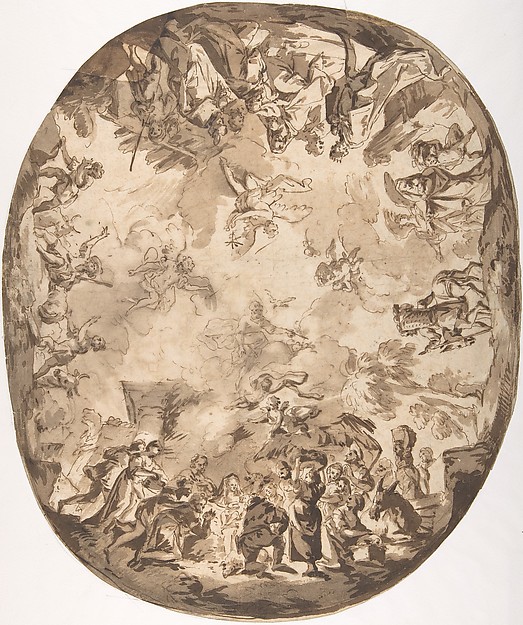
The Met’s verified item-level constituent record lists Bartolommeo Tarsia in the role “Artist.” Its fuller identity line reads “Italian, 1711?–1765 St. Petersburg.”
A representative work is Design for an Oval Ceiling with Four New Testament Scenes (1711–65). The Met catalogs it as Drawing, made in Pen, brown ink and wash. Its collection classification is Drawings. The item-level credit line reads: Purchase, Harris Brisbane Dick Fund and Joseph Pulitzer Bequest, 1971. The museum marks the object Public Domain under its Open Access policy.
Sources: Met identity/item source
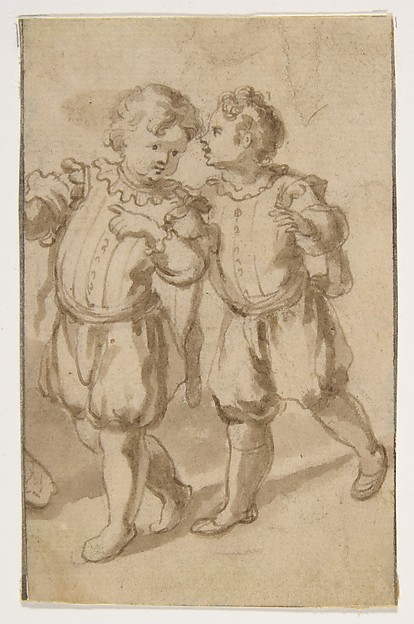
9. Bernardino Rodriguez ("Bernardino Siciliano")
The Met’s verified item-level constituent record lists Bernardino Rodriguez ("Bernardino Siciliano") in the role “Artist.” Its fuller identity line reads “Italian, documented (?) Sicily 1600–1650.”
A representative work is Two Young Page-Boys (1600–1650). The Met catalogs it as Drawing, made in Pen and brown ink, brush and brown wash. Its collection classification is Drawings. The item-level credit line reads: Gift of Henry Walters, 1917. The museum marks the object Public Domain under its Open Access policy.
Sources: Met identity/item source
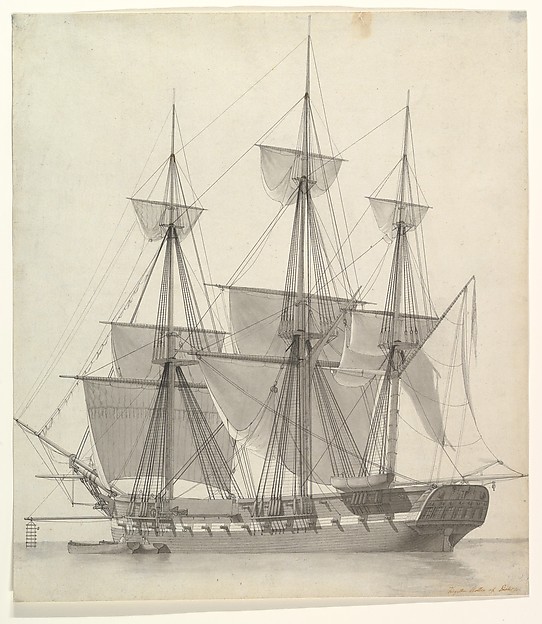
10. Carl Dahl
The Met’s verified item-level constituent record lists Carl Dahl in the role “Artist.” Its fuller identity line reads “Danish, Fåborg 1812–1865 Copenhagen.”
A representative work is The Frigate Rotha (1812–65). The Met catalogs it as Drawing, made in Pen and black ink with brush and gray wash over graphite. Its collection classification is Drawings. The item-level credit line reads: Edward Pearce Casey Fund, 2006. The museum marks the object Public Domain under its Open Access policy.
Sources: Met identity/item source
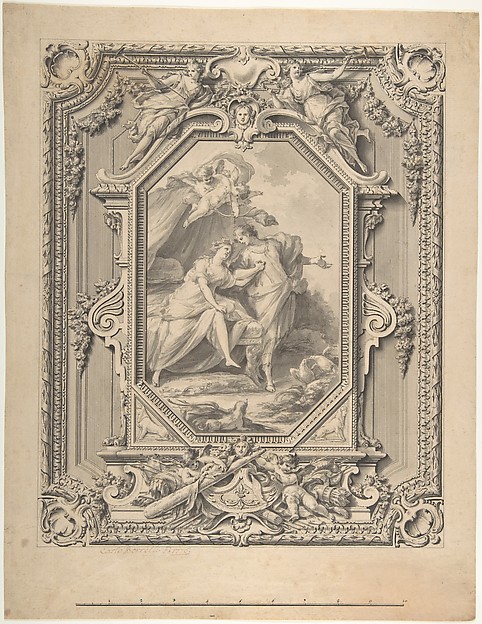
11. Carlo Borrelli (Ponticelli)
The Met’s verified item-level constituent record lists Carlo Borrelli (Ponticelli) in the role “Artist.” Its fuller identity line reads “Italian, active Naples, 1775–86, died ca. 1789.”
A representative work is Design for a Sculptured Frame with Garlands and Statues and a Painting of Two Human Figures with Puttis inside the Frame. (1776). The Met catalogs it as Drawing, made in Pen and black ink, brush with gray and black wash over some traces of leadpoint. Its collection classification is Drawings. The item-level credit line reads: The Elisha Whittelsey Collection, The Elisha Whittelsey Fund, 1980. The museum marks the object Public Domain under its Open Access policy.
Sources: Met identity/item source
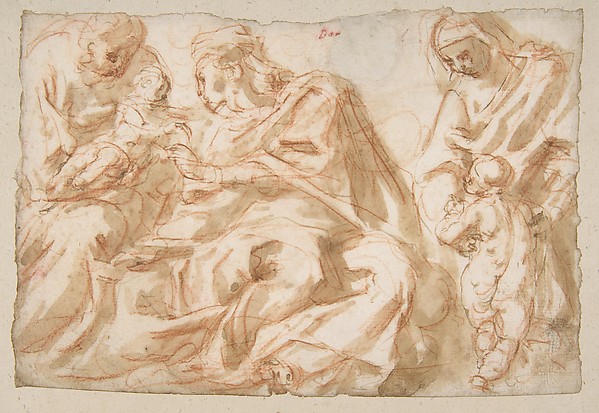
12. Cesare Pollino (Cesare dal Francia or Franchi)
The Met’s verified item-level constituent record lists Cesare Pollino (Cesare dal Francia or Franchi) in the role “Artist.” Its fuller identity line reads “Italian, Perugia ca. 1560–1598 Rome.”
A representative work is The Holy Family with Saint Elizabeth and the Infant Baptist (1560–1630). The Met catalogs it as Drawing, made in Pen and brown ink, brush and brown wash, over red chalk. Its collection classification is Drawings. The item-level credit line reads: Purchase, David L. Klein Jr. Memorial Foundation Inc. Gift, 1973. The museum marks the object Public Domain under its Open Access policy.
Sources: Met identity/item source
13. Ch. G. Boeckmann
The Met’s verified item-level constituent record lists Ch. G. Boeckmann in the role “Artist.” Its fuller identity line reads “German.”
A representative work is The Convent of Frauenalb (1791). The Met catalogs it as Drawing, made in Pen and gray ink, brush and gray ink; framing line in dark gray ink. Its collection classification is Drawings. The item-level credit line reads: Harris Brisbane Dick Fund, 1947. The museum marks the object Public Domain under its Open Access policy.
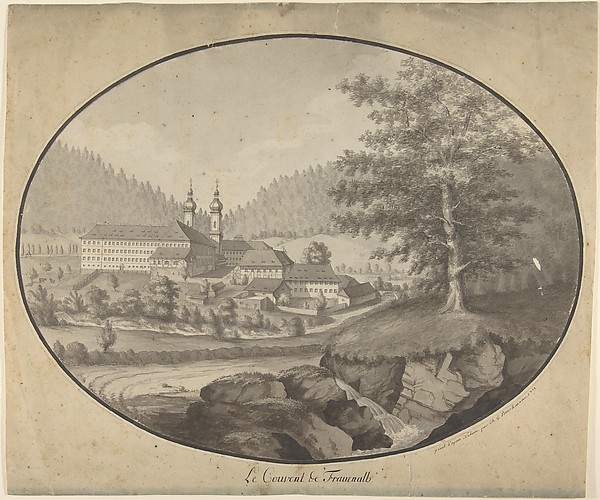
Sources: Met identity/item source
14. C. Pompetti
The Met’s verified item-level constituent record lists C. Pompetti in the role “Artist.” Its fuller identity line reads “Italian.”
A representative work is Design for the Façade of an Arsenal (1837). The Met catalogs it as Drawing, made in Pen and black ink, brush with gray and pale brown wash, over traces of graphite ruled construction. Its collection classification is Drawings. The item-level credit line reads: The Elisha Whittelsey Collection, The Elisha Whittelsey Fund, 1969. The museum marks the object Public Domain under its Open Access policy.
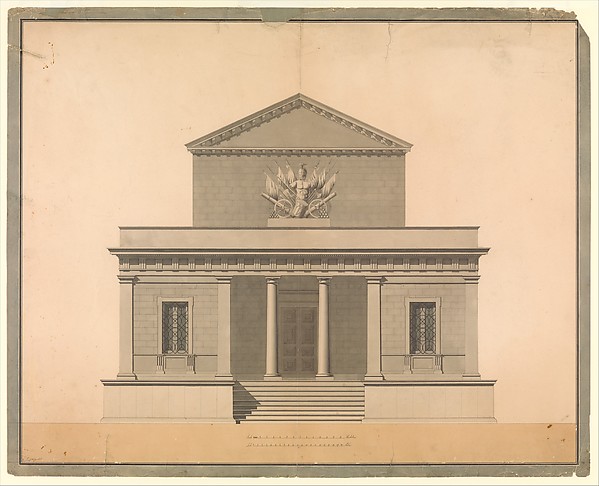
Sources: Met identity/item source
15. Domenico Fontana
The Met’s verified item-level constituent record lists Domenico Fontana in the role “Artist.” Its fuller identity line reads “Italian, Florence 1555–1630 Rome.”
A representative work is The Virgin Immaculate Crowned by Two Angels, with Angel Musicians in the Foreground (1555–1630). The Met catalogs it as Drawing, made in Pen and brown ink, brown wash, over black chalk. Its collection classification is Drawings. The item-level credit line reads: Rogers Fund, 1961. The museum marks the object Public Domain under its Open Access policy.
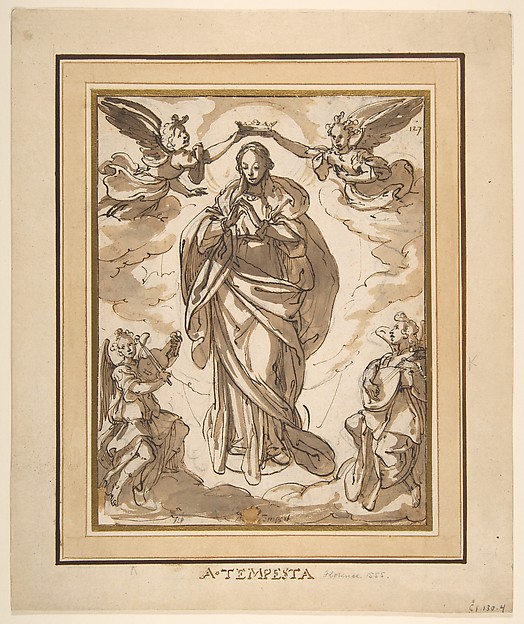
Sources: Met identity/item source
16. Domenico Silvestro Giannotti
The Met’s verified item-level constituent record lists Domenico Silvestro Giannotti in the role “Artist.” Its fuller identity line reads “Italian, Lucca 1680–1750 Bologna.”
A representative work is Design for a Carved Mirror Frame Surmounting a Mantle (Trumeau) (1742). The Met catalogs it as Drawing, made in Pen and brown ink, over leadpoint and black chalk. Its collection classification is Drawings. The item-level credit line reads: The Elisha Whittelsey Collection, The Elisha Whittelsey Fund, 1949. The museum marks the object Public Domain under its Open Access policy.
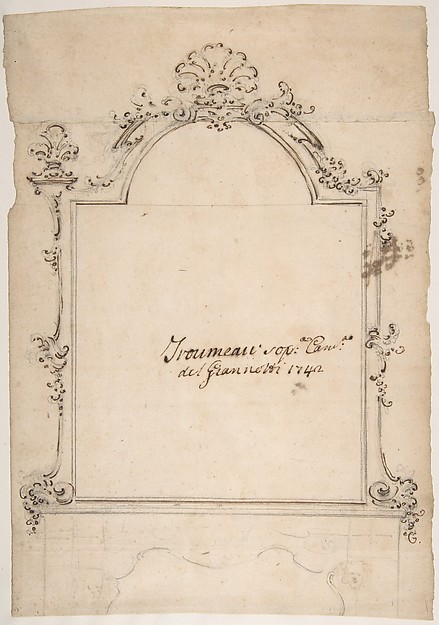
Sources: Met identity/item source
17. E. La Touche
The Met’s verified item-level constituent record lists E. La Touche in the role “Artist.” Its fuller identity line reads “early 19th century.”
A representative work is The Holy Family in an Interior (early 19th century). The Met catalogs it as Drawing, made in Pen and brown ink and wash on wove paper. Its collection classification is Drawings. The item-level credit line reads: The Elisha Whittelsey Collection, The Elisha Whittelsey Fund, 1963. The museum marks the object Public Domain under its Open Access policy.
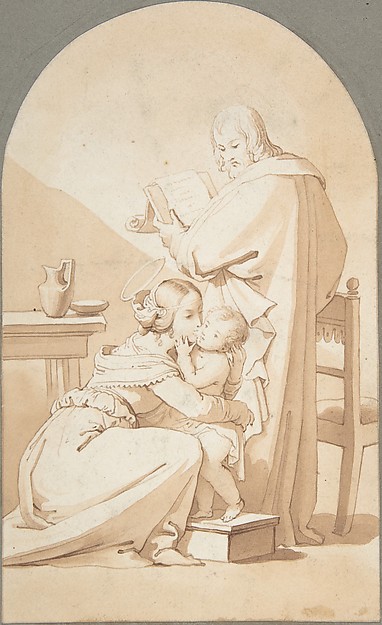
Sources: Met identity/item source
18. Filippo Cavori
The Met’s verified item-level constituent record lists Filippo Cavori in the role “Artist.” Its fuller identity line reads “Italian, born 1800.”
A representative work is Diana and Satyr (1800–(?)). The Met catalogs it as Drawing, made in Pen and Ink, brush and brown wash. Its collection classification is Drawings. The item-level credit line reads: Gift of Cephas G. Thompson, 1887. The museum marks the object Public Domain under its Open Access policy.
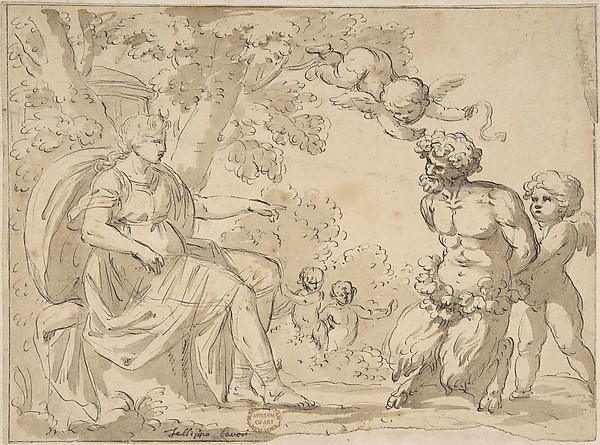
Sources: Met identity/item source
19. Fortunato Tesi
The Met’s verified item-level constituent record lists Fortunato Tesi in the role “Artist.” Its fuller identity line reads “Italian, 18th century.”
A representative work is Design for Half Cartouche with Mask (18th century). The Met catalogs it as Drawing, made in Pen and ink, wash. Its collection classification is Drawings. The item-level credit line reads: The Elisha Whittelsey Collection, The Elisha Whittelsey Fund, 1949. The museum marks the object Public Domain under its Open Access policy.
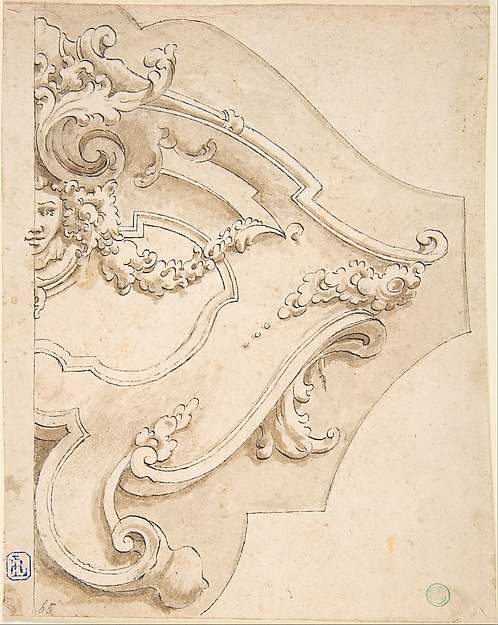
Sources: Met identity/item source
20. Francesco Maria Richini (or Ricchino)
The Met’s verified item-level constituent record lists Francesco Maria Richini (or Ricchino) in the role “Artist.” Its fuller identity line reads “Italian, Milan 1584–1658 Milan.”
A representative work is Design for the Triumphal Arch at the Porta Ticinese in Milan, with the Imperial Arms of the Hapsburg and Allegorical Figures (1633). The Met catalogs it as Drawing, made in Pen and brown ink, brush and brown wash, over leadpoint, with stylus ruling and compass construction. Its collection classification is Drawings. The item-level credit line reads: The Elisha Whittelsey Collection, The Elisha Whittelsey Fund, 1961. The museum marks the object Public Domain under its Open Access policy.
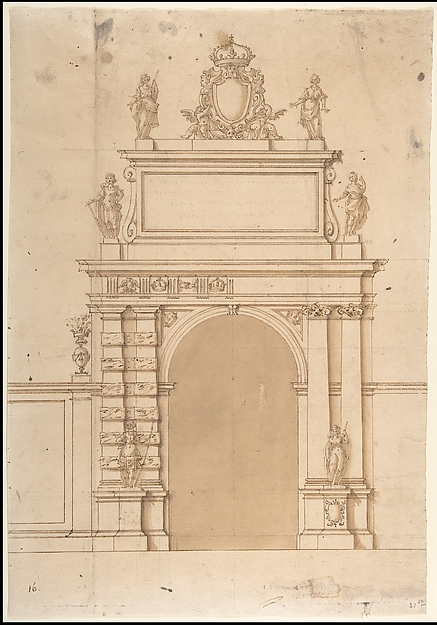
Sources: Met identity/item source
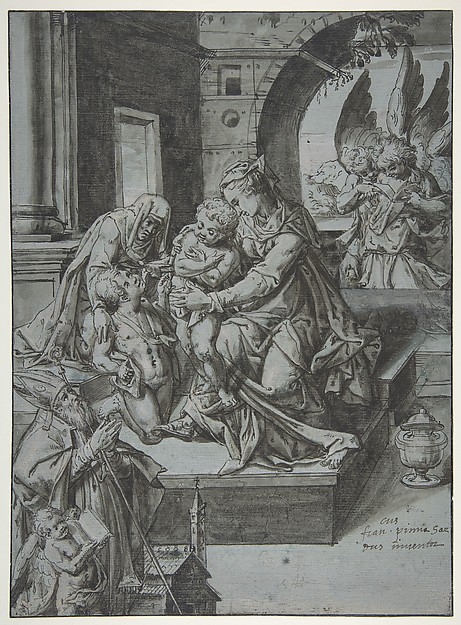
21. Francesco Pinna
The Met’s verified item-level constituent record lists Francesco Pinna in the role “Artist.” Its fuller identity line reads “Italian, Alghero documented 1595–1632.”
A representative work is The Virgin and Child with the Infant Baptist, Saint Elizabeth, a Kneeling Prelate, and Three Attendant Angels (1595–1632). The Met catalogs it as Drawing, made in Pen and black ink, brush and gray wash, highlighted with white on blue washed paper. Its collection classification is Drawings. The item-level credit line reads: Gift of John Steiner, 1977. The museum marks the object Public Domain under its Open Access policy.
Sources: Met identity/item source
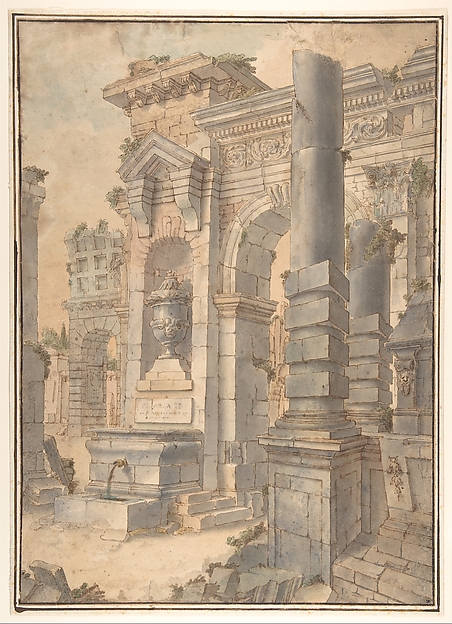
22. Francesco Stagni
The Met’s verified item-level constituent record lists Francesco Stagni in the role “Artist.” Its fuller identity line reads “Italian, died Bologna, 1830.”
A representative work is Design for a Painted Wall Decoration (1800–1830). The Met catalogs it as Drawing, made in Pen and brown and gray ink, brush and colored wash. Its collection classification is Drawings. The item-level credit line reads: Gift of Peter Josten, 1967. The museum marks the object Public Domain under its Open Access policy.
Sources: Met identity/item source
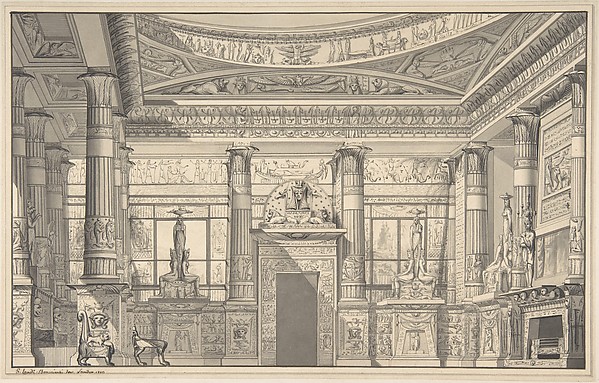
23. Gaetano Landi
The Met’s verified item-level constituent record lists Gaetano Landi in the role “Artist.” Its fuller identity line reads “Italian, born Bologna, active Britain, early 19th century.”
A representative work is Design for an Egyptian-style Interior (1810). The Met catalogs it as Drawing, made in Pen and black ink, gray wash. Its collection classification is Drawings. The item-level credit line reads: Gift of Harry G. Friedman, 1962. The museum marks the object Public Domain under its Open Access policy.
Sources: Met identity/item source
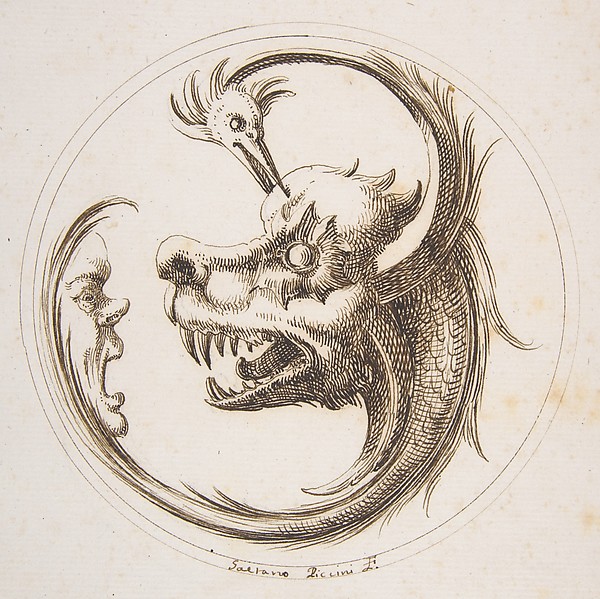
24. Gaetano Piccini
The Met’s verified item-level constituent record lists Gaetano Piccini in the role “Artist.” Its fuller identity line reads “Italian, active Rome, 1710–30.”
A representative work is Two Beasts and a Human Mask within a Circle (1727). The Met catalogs it as Drawing, made in Pen and brown ink. Its collection classification is Drawings. The item-level credit line reads: Gift of János Scholz, 1960. The museum marks the object Public Domain under its Open Access policy.
Sources: Met identity/item source
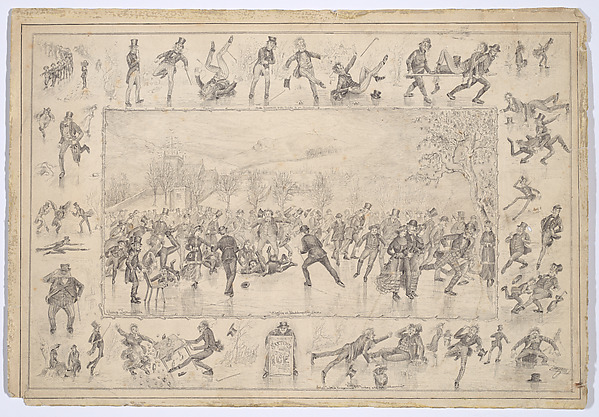
25. George Lockie
The Met’s verified item-level constituent record lists George Lockie in the role “Artist.” Its fuller identity line reads “British (born Scotland), active 1884.”
A representative work is Skating on Duddingston Loch and Sketches on the Ice (1884). The Met catalogs it as Drawing, made in Pen and ink. Its collection classification is Drawings. The item-level credit line reads: The Elisha Whittelsey Collection, The Elisha Whittelsey Fund, 1966. The museum marks the object Public Domain under its Open Access policy.
Sources: Met identity/item source
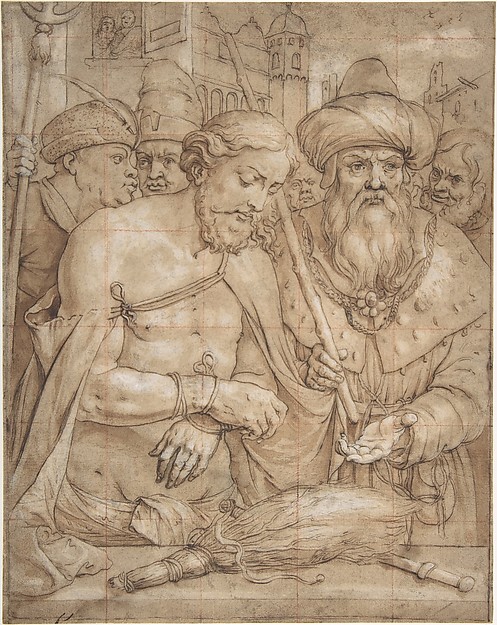
26. Georg Vischer
The Met’s verified item-level constituent record lists Georg Vischer in the role “Artist.” Its fuller identity line reads “German, Riedlingen ca. 1595–ca. 1637 Munich (?).”
A representative work is Christ Presented to the People (early 17th century). The Met catalogs it as Drawing, made in Pen and brown ink and brown wash with white heightening; squared in red chalk. Its collection classification is Drawings. The item-level credit line reads: Purchase, Carl Selden Trust, 1999. The museum marks the object Public Domain under its Open Access policy.
Sources: Met identity/item source
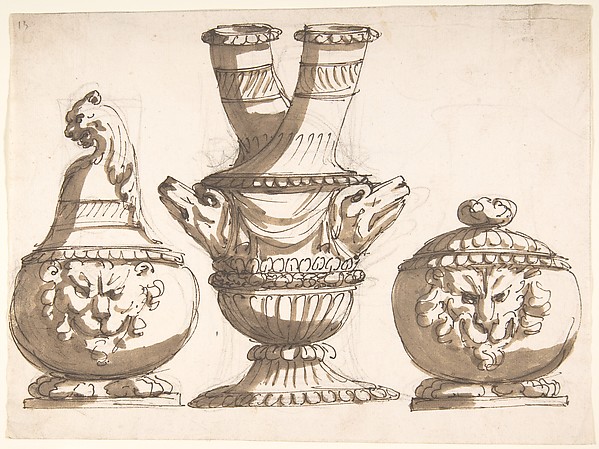
27. Giacomo Rossi
The Met’s verified item-level constituent record lists Giacomo Rossi in the role “Artist.” Its fuller identity line reads “Italian, Bologna 1751 - 1817 Bologna.”
A representative work is Three Ornamental Vessel Designs (17th century). The Met catalogs it as Drawing, made in Pen and brown ink, brush and brown wash, over graphite underdrawing. Its collection classification is Drawings. The item-level credit line reads: The Elisha Whittelsey Collection, The Elisha Whittelsey Fund, 1960. The museum marks the object Public Domain under its Open Access policy.
Sources: Met identity/item source
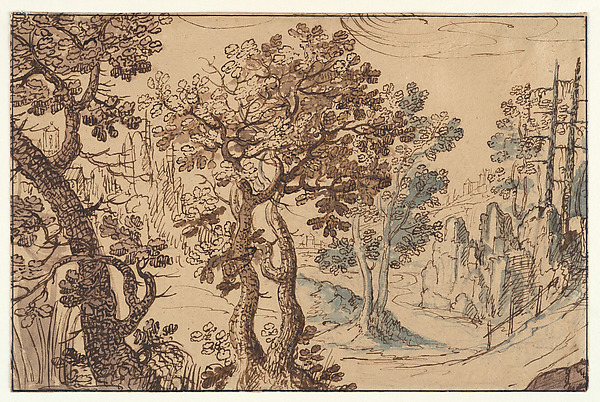
28. Gillis van Coninxloo
The Met’s verified item-level constituent record lists Gillis van Coninxloo in the role “Artist.” Its fuller identity line reads “Netherlandish, Antwerp 1544–1607 Amsterdam.”
A representative work is Wooded Landscape (17th century). The Met catalogs it as Drawing, made in Pen and brown ink, brush and brown and blue ink and washes in the same colors. Its collection classification is Drawings. The item-level credit line reads: Robert Lehman Collection, 1975. The museum marks the object Public Domain under its Open Access policy.
Sources: Met identity/item source
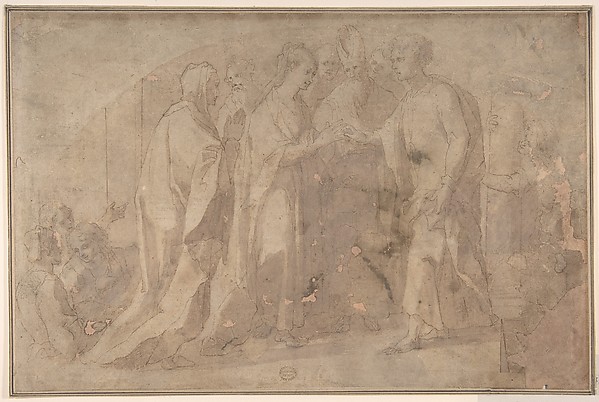
29. Giorgio Picchi, the Younger
The Met’s verified item-level constituent record lists Giorgio Picchi, the Younger in the role “Artist.” Its fuller identity line reads “Italian, Casteldurante [Urbania] ca. 1555–1605 Casteldurante [Urbania].”
A representative work is The Marriage of the Virgin (Lunette) (1580–1600). The Met catalogs it as Drawing, made in Pen and brown ink, brush and brown wash over black chalk on light brown paper. Its collection classification is Drawings. The item-level credit line reads: Gift of Cornelius Vanderbilt, 1880. The museum marks the object Public Domain under its Open Access policy.
Sources: Met identity/item source
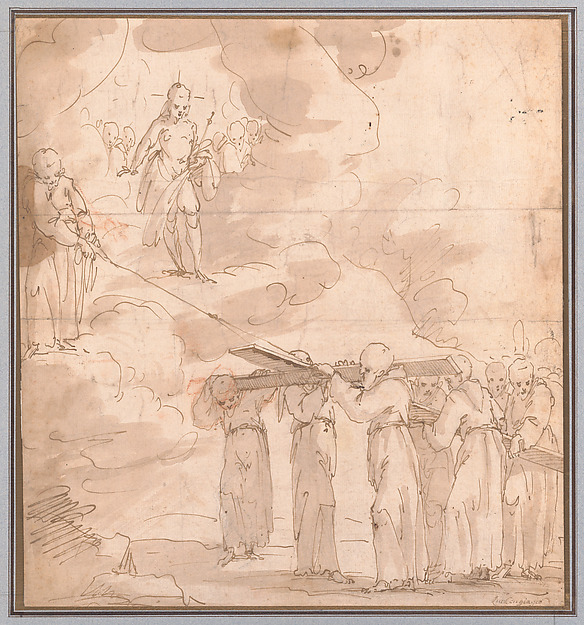
30. Giovanni Andrea de Ferrari
The Met’s verified item-level constituent record lists Giovanni Andrea de Ferrari in the role “Artist.” Its fuller identity line reads “Italian, died 1657.”
A representative work is Members of a Monastic Order Carrying the Cross for Christ to Heaven (n.d.). The Met catalogs it as Drawing, made in Pen and brown ink, brown wash, over traces of red and black chalk. Its collection classification is Drawings. The item-level credit line reads: Joseph F. McCrindle Collection, Bequest of Joseph F. McCrindle, 2008. The museum marks the object Public Domain under its Open Access policy.
Sources: Met identity/item source
Method and source notes
Selection excludes the previous 600-profile series and favors less familiar names where the evidence allows. Every embedded work image in this article comes from a Met item record marked Public Domain.